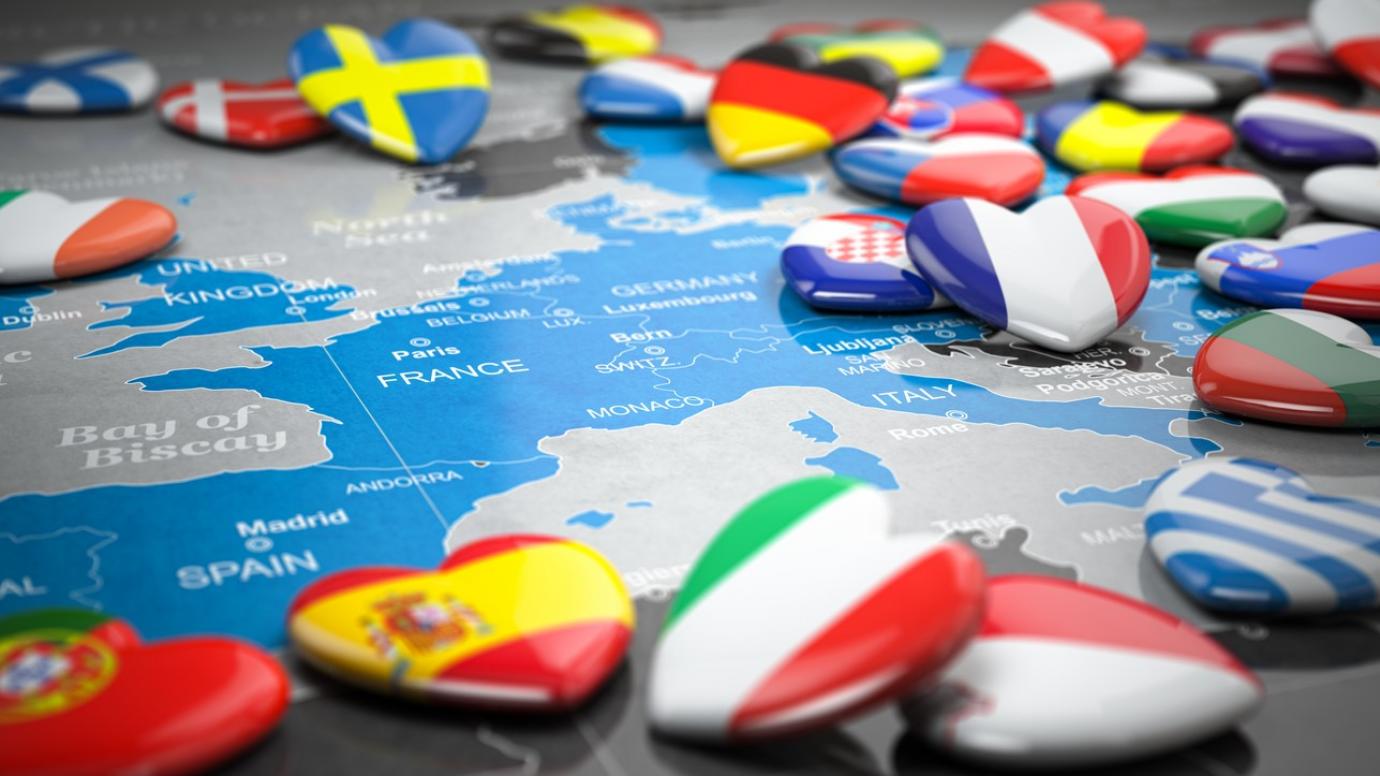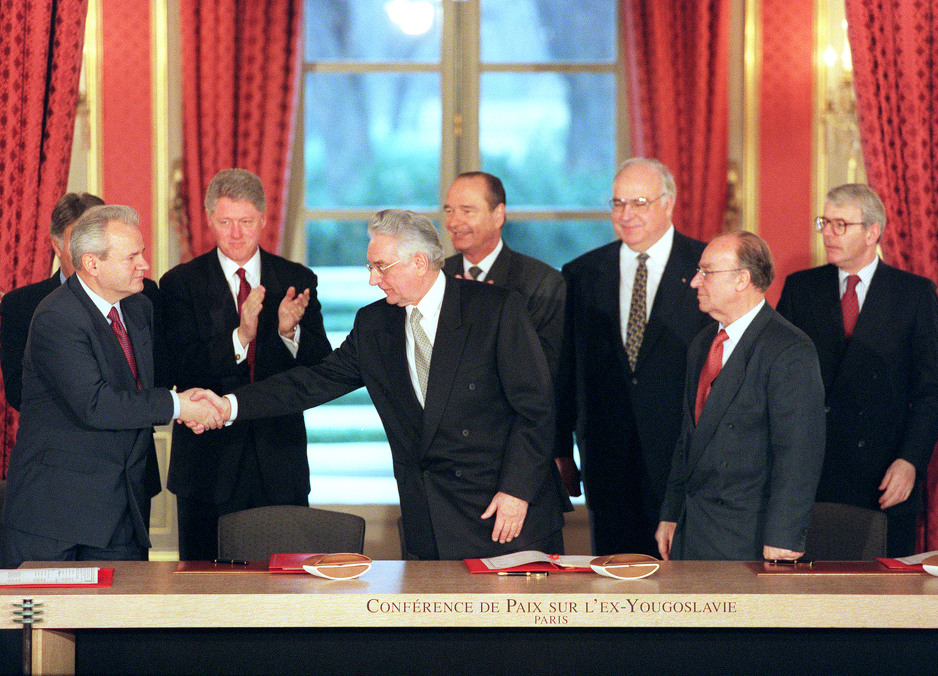
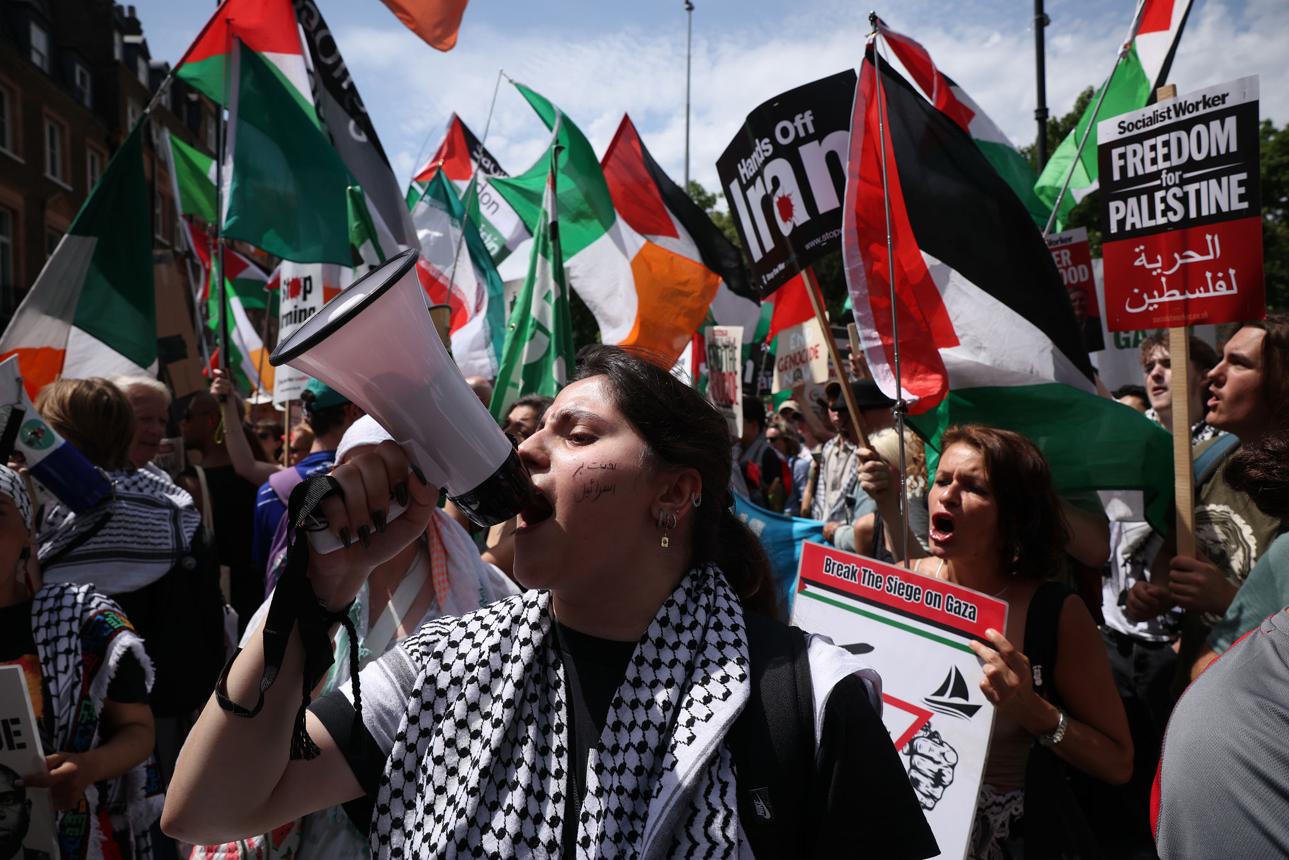
Over the years, Europe convinced itself that silence was the best form of diplomacy. While Palestinians have been living under occupation, blockade, bombardment, and forced displacement, European leaders continued to master the language of “deep concern,” “restraint on all sides,” and “the right to defend itself.” Empty statements designed to sound humane while avoiding any action that might carry political consequences. Meanwhile, Gaza was abandoned to destruction. Palestinian families were erased under rubble. Journalists were brutally killed while carrying out their noble mission. Humanitarian workers were targeted in the field. Illegal settlements expanded in grave violation of international law. Yet Europe responded almost every time in the same way—with statements designed to protect geopolitical relationships, not human lives.
Now Europe is discovering what Palestinians have been trying to say for decades: when you protect impunity for too long, it eventually stops respecting even you. The humiliating treatment and deportation of European and international activists aboard the Gaza flotilla should not shock anyone who has been paying attention. It is the predictable result of decades in which Israel learned that no matter how extreme its actions became, there would be no meaningful consequences from its Western allies and friends. Once a state realizes that respecting international law is optional, arrogance becomes policy — and that arrogance does not stop with Palestinians.
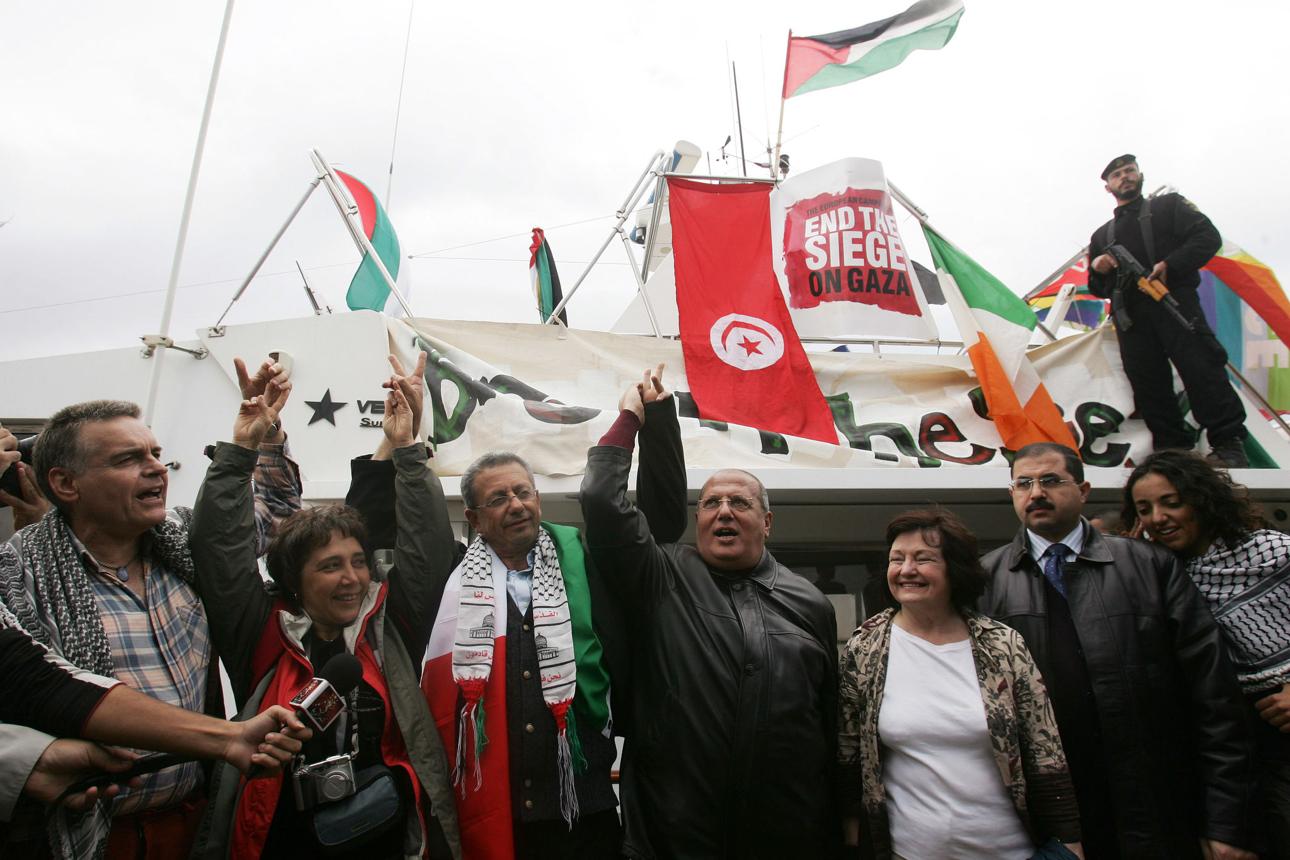
The activists aboard the flotilla were not fighters or terrorists; they were civilians, doctors, students, and humanitarian activists trying to challenge Gaza’s humanitarian collapse. Yet reports of intimidation, degrading treatment, and deportation triggered outrage across Europe. But here is the uncomfortable question European politicians still avoid: why did this suddenly become appalling only when Europeans themselves became the target?
For generations, Palestinians have described abuse, displacement, arbitrary detention, and collective punishment. Human rights organizations documented it. Journalists reported it. International observers exposed it. Europe knew. For years, European governments shamefully hid behind the illusion of “balance,” treating Israel and an occupied, stateless population as morally equivalent actors in a symmetrical conflict. Even as Gaza was turned into ruins, European capitals chose diplomatic wording over accountability.
Should a statement say “condemn” or merely “express concern”? Should officials criticize airstrikes too directly? Would sanctions be considered “unhelpful”? This was the extent of Europe’s moral courage while children, women, and elderly people were being pulled from rubble.
The truth is harsh but unavoidable: Europe helped build this culture of impunity. The European Union sanctions other states rapidly when strategic interests demand it. It speaks forcefully about international law in Ukraine, human rights in China, and democracy in Russia or Venezuela. But when it came to Israel, Europe suddenly discovered patience and nuance. Israel understood that message perfectly.
Every red line that should have triggered international consequences became another debate, another summit, another carefully managed press conference. The result is what the world sees today: a government increasingly confident that it can humiliate foreign activists, ignore international courts, devastate civilian infrastructure, and still maintain political protection from Western capitals.
This is not strength. It is the corruption that unchecked impunity inevitably becomes. What Europe confronts now is not only Israeli radicalization, but also the failure of its own belief that silence could contain it. Silence rewards radicalism and teaches governments that outrage fades quickly and accountability never comes. Silence tells victims their suffering is negotiable and tells perpetrators they are untouchable. Palestinians paid the price for that silence long before Europeans ever did.
That is what made the flotilla incident politically explosive. It shattered the comforting European illusion that this machinery of humiliation would remain confined to Palestinians alone. Systems built on dehumanization never remain contained. Eventually, the contempt expands outward — toward journalists, aid workers, diplomats, and foreign citizens themselves.
Europe is now experiencing a fraction of the reality Palestinians have endured for decades, yet Palestinians do not even enjoy the luxury of deportation back to safety. Outside Europe, millions already see the hypocrisy clearly. When European leaders apply international law selectively, the world notices. When human rights become conditional on geopolitics, the world observes. When Palestinian lives are treated as permanently negotiable while Europe endlessly speaks about universal values, the contradiction becomes impossible to ignore.
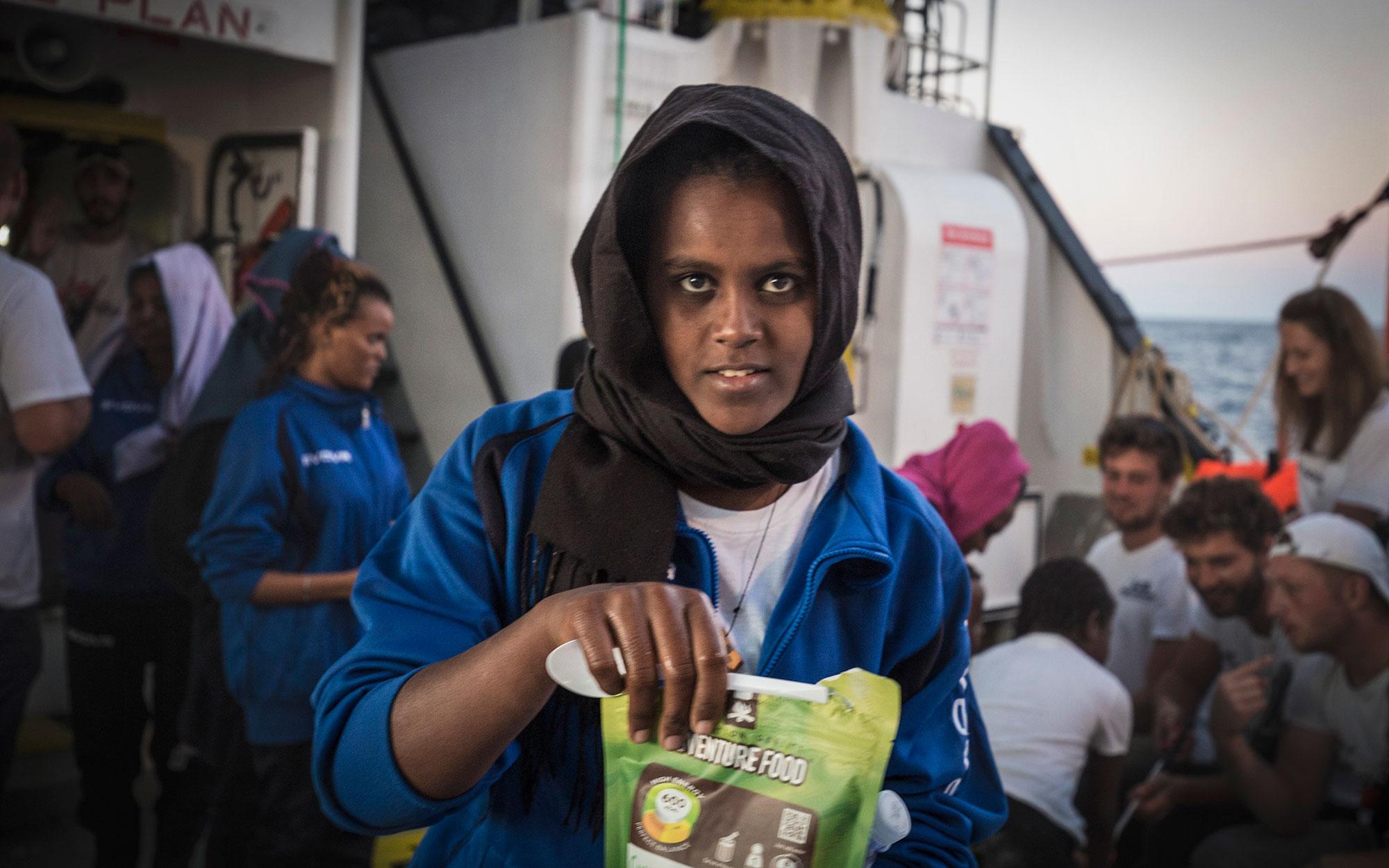
The flotilla activists did not create this crisis. They exposed it. They exposed the emptiness of a foreign policy built on symbolic outrage without enforcement. They exposed the double standards that poisoned Europe’s moral authority. And they exposed the dangerous consequences of shielding a state from accountability for decades simply because confronting it was politically inconvenient.
Europe now faces a choice it has postponed for far too long. It can continue issuing hollow statements while Gaza descends deeper into catastrophe and international law becomes meaningless, or it can finally admit that what is happening is not a tragic misunderstanding, not a cycle of violence, and not a public relations problem.
And when history asks what Europe did while Gaza burned, press releases will not make for a convincing defense.