WASHINGTON, D.C. – May 22 – Brussels Morning Newspaper — US China relations are once again facing serious geopolitical strain as discussions surrounding potential communication between Donald Trump and Taiwan’s president continue drawing international attention. Diplomatic observers say the issue highlights the fragile balance between Washington, Beijing, and Taipei during a period of increasing military and economic uncertainty across the Asia-Pacific region.
- Why Taiwan Remains Central to US China Relations
- Beijing’s Position on Taiwan and Diplomatic Contact
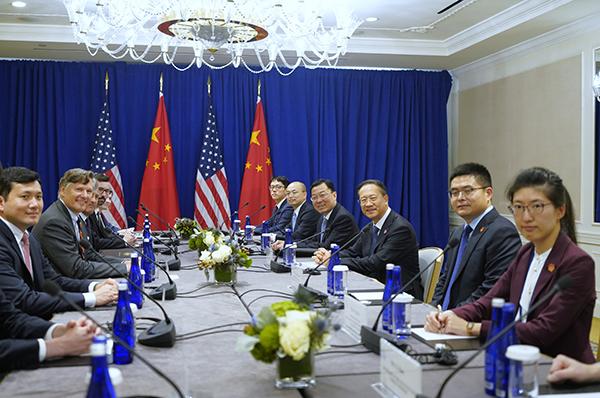
- US China Relations in 2026
- How the Taiwan Issue Impacts Global Markets
- Trump’s Foreign Policy Approach Toward China
- Military Activity Continues Expanding Across the Indo-Pacific
- Technology Competition Is Fueling Geopolitical Friction
- Diplomatic Risks Continue Growing in 2026
China has repeatedly warned against official contact between American political leaders and Taiwan’s government. Beijing considers Taiwan part of its territory under the “One China” principle, while Taiwan operates independently with its own democratic government, military, and economic system.
The latest concerns come as regional tensions involving military drills, semiconductor competition, and strategic alliances continue intensifying throughout 2026. Analysts say even symbolic communication between U.S. political figures and Taiwan’s leadership could provoke a sharp response from Beijing.
“Taiwan remains the most sensitive issue in modern US China relations because both sides see it as a test of political credibility,”
one international affairs analyst said.
Why Taiwan Remains Central to US China Relations
Taiwan has become one of the most dangerous flashpoints in global diplomacy. While the United States officially recognizes the People’s Republic of China, Washington also maintains unofficial relations with Taiwan through economic cooperation and security support.
This policy, often called “strategic ambiguity,” allows the United States to support Taiwan without formally recognizing it as an independent nation. China strongly opposes any action it believes encourages Taiwanese independence or weakens Beijing’s territorial claims.
The situation became highly controversial in 2016 when Donald Trump accepted a congratulatory phone call from Taiwan’s president after winning the U.S. election. Beijing viewed the move as a break from decades of diplomatic tradition.
Today, US China relations are even more fragile due to rising military competition, trade disputes, and disagreements over technology restrictions.
Beijing’s Position on Taiwan and Diplomatic Contact
China’s government has consistently stated that Taiwan is an internal matter and warns foreign governments not to interfere. Chinese officials believe any high-level U.S. engagement with Taiwan undermines Chinese sovereignty.
Beijing has increasingly responded to political developments involving Taiwan with military exercises near the island, diplomatic protests, and economic pressure. Chinese state media frequently accuses Washington of destabilizing regional peace when relations with Taiwan appear to strengthen.
Analysts believe China’s leadership fears growing international support for Taiwan could weaken Beijing’s long-term reunification goals.
The Chinese military has significantly expanded operations around Taiwan in recent years, including naval patrols and air force missions near Taiwan’s air defense identification zone.
US China Relations in 2026
| Key Area | Current Status |
|---|---|
| Taiwan Tensions | Elevated |
| Trade Relations | Competitive |
| Military Activity | Increased in Indo-Pacific |
| Diplomatic Stability | Fragile |
| Semiconductor Competition | Intensifying |
| Global Market Concern | High |
| Risk of Miscalculation | Growing |
How the Taiwan Issue Impacts Global Markets
Taiwan’s strategic importance extends far beyond politics. The island remains critical to the global semiconductor industry, supplying advanced computer chips used in smartphones, artificial intelligence systems, automobiles, and defense technologies.
Any major escalation connected to US China relations could disrupt global supply chains and financial markets. Investors continue monitoring developments closely because Taiwan sits at the center of international technology production.
Taiwan Semiconductor Manufacturing Company (TSMC) remains one of the world’s most important chipmakers. Concerns over regional instability have already pushed several countries to increase domestic semiconductor investments.
Global shipping routes passing through the South China Sea and nearby waters also remain economically vital. Increased military activity could impact international trade and energy transportation.
“The Taiwan Strait has become one of the world’s most economically sensitive security zones,”
a regional trade strategist stated.
Trump’s Foreign Policy Approach Toward China
Donald Trump has maintained a hardline position toward Beijing on issues ranging from trade tariffs to national security. During his presidency, relations between Washington and Beijing deteriorated sharply as both governments imposed tariffs and technology restrictions.
Some analysts believe Trump views Taiwan as leverage in broader negotiations involving trade and geopolitical competition. Others argue direct communication with Taiwan demonstrates support for democratic partners in Asia.
Critics warn symbolic actions could unintentionally increase military risks during a period of already heightened tensions.
Supporters of stronger Taiwan relations say Beijing should not dictate American diplomatic behavior. However, Chinese officials continue insisting Taiwan remains a “red line” issue in US China relations.
Military Activity Continues Expanding Across the Indo-Pacific
The Indo-Pacific region has become a major focus of international security planning. The United States continues strengthening military cooperation with allies including Japan, South Korea, Australia, and the Philippines.
China has also expanded its military capabilities significantly over the past decade. Chinese naval and air force operations near Taiwan have increased steadily, raising concerns about accidental conflict or strategic miscalculation.
Taiwan itself has increased defense spending and expanded military training programs in response to growing regional pressure.
Security experts say even political developments can influence military readiness levels on both sides.
“Diplomatic signals surrounding Taiwan often carry direct military implications,”
one defense expert explained.
Technology Competition Is Fueling Geopolitical Friction
Technology has become another major battleground in US China relations. Washington has imposed restrictions on advanced semiconductor exports and artificial intelligence technologies linked to Chinese companies.
American officials argue these restrictions are necessary for national security. Beijing, however, claims the measures are designed to slow China’s economic and technological growth.
Taiwan’s semiconductor industry sits directly at the center of this competition because many advanced technologies depend on Taiwanese chip manufacturing.
The ongoing rivalry has encouraged countries worldwide to reconsider supply chain dependence and strengthen domestic production capabilities.

Diplomatic Risks Continue Growing in 2026
Several geopolitical experts believe the risk of diplomatic escalation remains unusually high throughout 2026. Economic competition, military positioning, cybersecurity concerns, and political symbolism continue colliding in ways that increase uncertainty.
The possibility of another controversial Trump Taiwan call could intensify pressure on both Washington and Beijing to respond aggressively.
Governments across Europe and Asia continue urging stability because any conflict involving Taiwan could trigger severe global economic consequences.
Financial markets, multinational corporations, and international security alliances are all closely monitoring developments tied to US China relations.