Khartoum, Sudan – May 18, 2026 – Brussels Morning Newspaper — The Sudan conflict investigation has gained renewed international attention after multiple sources claimed that a military commander previously filmed killing civilians has reportedly returned to active combat operations. The allegations have reignited global concerns surrounding accountability, human rights violations, and the worsening humanitarian crisis unfolding across Sudan.
- Video Footage Previously Triggered Global Outrage
- Sources Claim Commander Resumed Military Operations
- Humanitarian Crisis Deepens Across Sudan
- Human Rights Organizations Demand Accountability
- Digital Evidence Playing Critical Role
- Civilians Continue Paying the Highest Price
- International Attention Returns to Sudan
- Military Leadership Faces Growing Scrutiny
- Calls for Independent Investigations Intensify
According to regional sources familiar with military activity, the commander — whose actions were captured in widely circulated footage during earlier fighting — has allegedly resumed operational duties in active conflict zones. Human rights organizations and international observers are now demanding explanations regarding how an individual connected to serious allegations could reportedly return to frontline combat responsibilities.
The latest developments have intensified scrutiny surrounding military leadership and accountability during Sudan’s prolonged conflict.
Video Footage Previously Triggered Global Outrage
The commander at the center of the growing Sudan conflict investigation first became internationally known after disturbing footage circulated online allegedly showing civilians being executed during combat operations.
The video quickly spread across social media platforms and later became the focus of analysis by journalists, human rights groups, and open-source investigators examining the conflict.
Witnesses and regional observers claimed the footage appeared to show unarmed civilians being targeted during a period of escalating violence.
The incident generated widespread international condemnation and renewed calls for independent investigations into possible war crimes committed during Sudan’s conflict.
A regional human rights advocate stated:
“Allowing accused individuals back into combat raises serious questions about accountability.”
The statement reflects growing frustration among organizations monitoring civilian protection during the ongoing conflict.
Sources Claim Commander Resumed Military Operations
Recent reports tied to the expanding Sudan conflict investigation suggest the commander has reappeared within active military structures linked to ongoing operations in conflict-affected regions.
Sources familiar with local military activity reportedly observed the commander participating in strategic planning and operational coordination tied to combat campaigns.
Sudanese military officials have not publicly confirmed or denied the claims at the time of publication.
However, international legal observers argue that individuals connected to serious allegations should remain under transparent investigation rather than returning to operational leadership roles.
The reports have intensified pressure on military authorities already facing international scrutiny over civilian safety concerns.
Humanitarian Crisis Deepens Across Sudan
The broader humanitarian situation surrounding the Sudan conflict investigation continues deteriorating as violence affects communities across multiple regions.
Aid organizations report that civilians remain trapped in dangerous areas where access to food, medical care, and shelter continues declining.
Communities impacted by the conflict are reportedly facing:
- Food shortages
- Medical supply disruptions
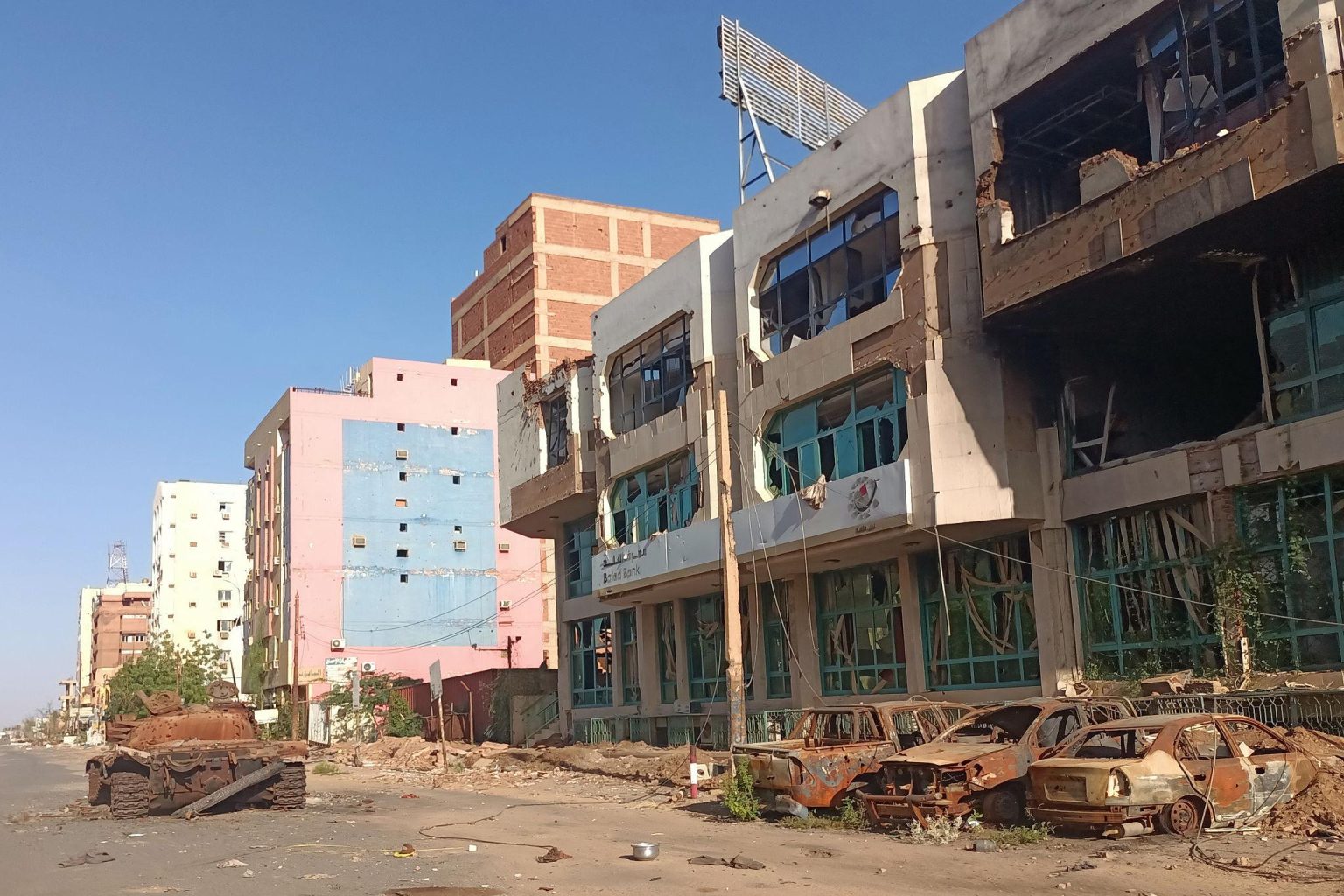
- Destroyed infrastructure
- Unsafe transportation routes
- Communication failures
- Increased displacement risks
Humanitarian agencies warn that ongoing instability is placing millions of civilians at risk, particularly children and vulnerable populations.
International organizations continue urging all armed groups to protect civilians and allow humanitarian assistance to reach affected communities safely.
Human Rights Organizations Demand Accountability
Several human rights organizations monitoring the Sudan conflict investigation are now calling for transparent and independent inquiries into the commander’s reported return to combat operations.
Legal experts argue that credible accountability measures remain essential for maintaining international humanitarian standards and protecting civilian populations during armed conflicts.
An international legal analyst said:
“Without accountability, confidence in justice systems quickly deteriorates.”
Advocacy groups also warn that failing to investigate serious allegations could encourage further abuses and deepen mistrust among affected communities.
International observers continue urging Sudanese authorities and global institutions to prioritize civilian protection and legal oversight.
Digital Evidence Playing Critical Role
The latest developments highlight how digital investigations are becoming increasingly important in documenting modern armed conflicts.
Researchers examining the Sudan conflict investigation have reportedly relied on:
- Mobile phone videos
- Satellite imagery
- Geolocation analysis
- Social media verification
- Digital forensic tools
Experts say visual evidence has transformed the ability of journalists and human rights organizations to document alleged abuses even in dangerous conflict zones.
Open-source intelligence specialists argue that digital investigations may eventually play a major role in future legal proceedings connected to the Sudan conflict.
Civilians Continue Paying the Highest Price
Ordinary civilians remain among the biggest victims of the violence connected to the ongoing Sudan conflict investigation.
Residents in conflict zones describe constant fear, economic collapse, and uncertainty as fighting continues disrupting daily life.
Many families have reportedly been displaced from their homes while schools, hospitals, and essential services struggle to function amid instability.
Humanitarian workers warn that prolonged violence can produce long-term trauma, especially among children exposed to armed conflict.
Aid agencies continue appealing for international support to help stabilize communities and provide emergency relief to affected populations.
International Attention Returns to Sudan
The latest allegations have once again pushed Sudan into the center of international diplomatic discussions regarding armed conflict and human rights.
Global observers monitoring the Sudan conflict investigation fear that continued instability could worsen regional security conditions and increase refugee movements into neighboring countries.
Several governments and humanitarian agencies have expressed concern regarding ongoing reports involving civilian casualties and combat operations.
Diplomatic efforts aimed at achieving ceasefires and political negotiations have repeatedly faced setbacks during the prolonged conflict.
Analysts warn that unresolved violence could continue damaging Sudan’s economy, infrastructure, and social stability for years.
Military Leadership Faces Growing Scrutiny
The reports surrounding the commander’s alleged return to combat have increased pressure on Sudanese military leadership and affiliated armed groups.
Critics argue that transparency surrounding military accountability remains limited despite repeated international concern regarding civilian protection.
Observers say the handling of the current Sudan conflict investigation may influence future diplomatic relations, international aid discussions, and possible sanctions tied to the conflict.
Political analysts also warn that unresolved allegations could deepen divisions within communities already affected by prolonged violence and instability.
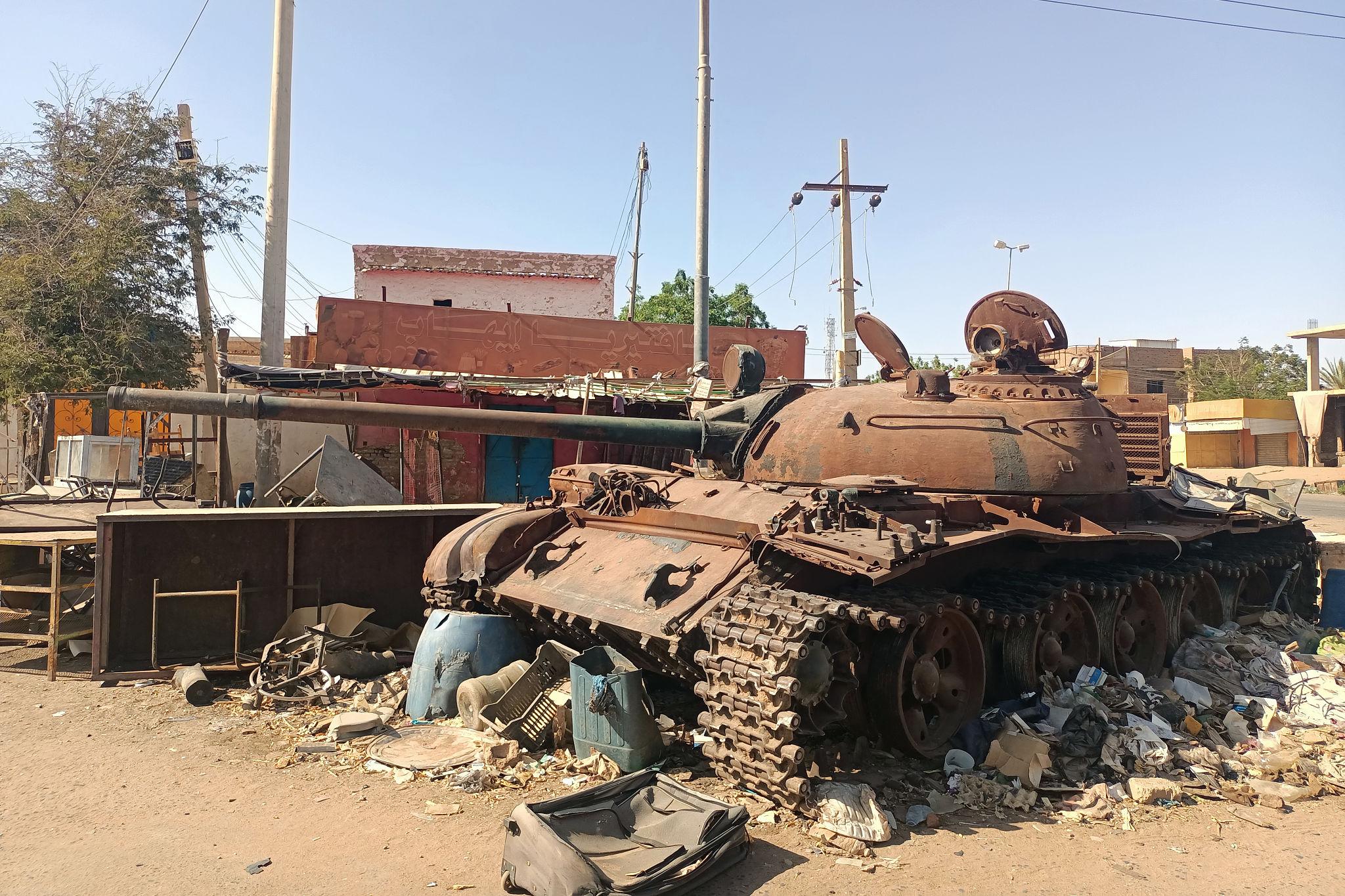
Calls for Independent Investigations Intensify
Human rights organizations and international advocacy groups continue demanding independent oversight connected to the Sudan conflict investigation.
Legal specialists say independent investigations are critical for ensuring credible evidence collection and protecting potential witnesses from retaliation.
Some advocacy groups are urging international courts and global institutions to monitor developments closely if domestic accountability efforts fail to progress effectively.
The renewed attention surrounding Sudan reflects broader global concerns regarding civilian protection and accountability during armed conflicts.