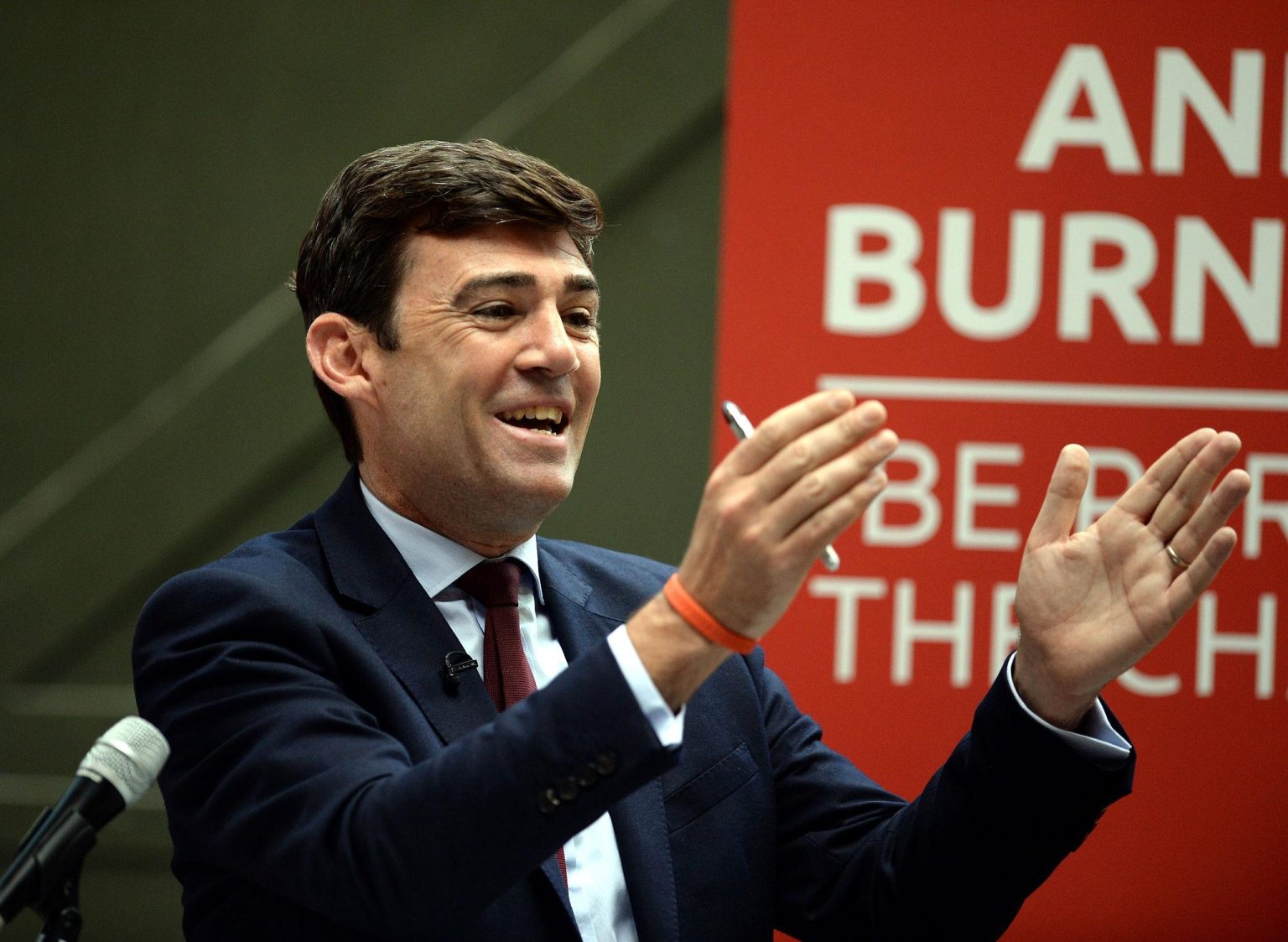
MANCHESTER, United Kingdom – May 18, 2026 – Brussels Morning Newspaper — UK rejoin EU discussions have once again moved into Britain’s political spotlight after Greater Manchester Mayor Andy Burnham stated publicly that he is not proposing the United Kingdom should rejoin the European Union. His comments come amid renewed national debate over Brexit, trade policy, and Britain’s long-term economic relationship with Europe.
- Andy Burnham Addresses Brexit Questions
- Brexit Continues Influencing UK Politics
- Labour Faces Pressure Over European Relations
- Economic Concerns Continue Driving Debate
- Greater Manchester’s Economic Importance
- Public Opinion on Brexit Remains Divided
- Historical Cycles of Britain’s EU Debate
- Businesses Continue Seeking Stability
- Immigration and Labor Markets Remain Key Issues
- UK-EU Cooperation Continues in Key Areas
Burnham’s remarks quickly attracted political attention because discussions surrounding Brexit and future UK-EU cooperation continue influencing economic policy, political strategy, and voter sentiment across Britain. While some political figures have pushed for closer ties with Europe, others remain strongly committed to maintaining Britain’s independence outside the EU framework.
The latest comments reflect how Brexit-related issues continue shaping British politics years after the UK officially left the European Union.
Andy Burnham Addresses Brexit Questions
Andy Burnham clarified his position after increased public discussion regarding Britain’s economic direction and the possibility of closer European cooperation under future governments. Burnham stressed that while he supports practical cooperation with European partners, he is not advocating for Britain to formally rejoin the EU.
His statement appears aimed at balancing economic pragmatism with political realities inside the Labour movement and among British voters.
Several political observers believe Burnham’s comments were designed to avoid reopening the divisive referendum battles that dominated UK politics for years following the 2016 Brexit vote.
One political analyst explained:
“British politicians remain cautious because Brexit continues to divide voters emotionally and economically.”
That caution remains visible throughout Westminster and regional political leadership across the country.
Brexit Continues Influencing UK Politics
Although Britain officially exited the European Union years ago, Brexit continues impacting political discussions surrounding trade, immigration, labor markets, regulation, and economic growth.
The UK rejoin EU debate periodically resurfaces whenever economic challenges intensify or questions arise regarding Britain’s global competitiveness.
Supporters of Brexit continue arguing that leaving the EU restored national sovereignty, border control, and independent trade authority. Critics, however, argue Brexit created unnecessary trade barriers and economic complications affecting businesses and investment.
The disagreement remains politically sensitive across both major parties.
Labour Faces Pressure Over European Relations
The Labour Party continues facing pressure from multiple political directions regarding future UK-EU relations. Some Labour supporters favor stronger economic integration with Europe, while others believe reopening Brexit debates could politically damage the party.
Prime Minister Keir Starmer has repeatedly stated that Britain will not rejoin the EU single market or customs union under current Labour leadership.
Burnham’s comments appear broadly aligned with that cautious national position.
Political strategists say Labour leadership is attempting to focus public attention on economic management, public services, and growth rather than reigniting Brexit-era political conflict.
Economic Concerns Continue Driving Debate
The UK rejoin EU discussion remains heavily connected to economic performance and trade policy. Businesses across several sectors continue facing post-Brexit customs procedures, export challenges, labor shortages, and supply chain complications.
Many business organizations have called for reduced trade friction and stronger economic cooperation with European markets. Financial services firms, manufacturers, and exporters remain especially focused on future UK-EU regulatory relations.
At the same time, Brexit supporters argue Britain’s independent trade flexibility allows greater opportunity for global partnerships outside Europe.
Economists remain divided over the long-term impact of Brexit on Britain’s economy.
Greater Manchester’s Economic Importance
As Mayor of Greater Manchester, Burnham oversees one of Britain’s largest urban economies outside London. The region includes major industries such as finance, healthcare, manufacturing, technology, education, and transportation.
Regional leaders across Britain have increasingly focused on economic growth, infrastructure investment, and international trade opportunities as local economies compete for business investment.
Burnham’s comments therefore carry broader significance because regional economic leaders often play growing roles in national political discussions.
Manchester itself has become one of Britain’s most important business and technology hubs, attracting both domestic and international investment.
Public Opinion on Brexit Remains Divided
Public opinion surrounding Brexit and future EU relations remains deeply mixed throughout Britain. While many voters continue supporting the original Brexit decision, polling trends suggest some frustration over economic performance and political instability.
Younger voters often favor closer European cooperation, while older voters generally remain more supportive of Brexit-related sovereignty policies.
Regional differences also remain visible across England, Scotland, Wales, and Northern Ireland.
Political analysts say these divisions make Brexit-related discussions extremely sensitive for political leaders ahead of future elections.
Historical Cycles of Britain’s EU Debate
History of Britain’s European Political Divide
| Year | Major Event | Political Impact |
|---|---|---|
| 1975 | UK voted to remain in European Community | European debate intensified |
| 1992 | Maastricht Treaty disputes | Party divisions increased |
| 2016 | Brexit referendum | Britain voted to leave EU |
| 2020 | Brexit transition completed | Trade rules changed |
| 2026 | Burnham comments renew debate | EU relationship questions continue |
Britain’s relationship with Europe has influenced political strategy and public debate for decades. The current UK rejoin EU discussion reflects broader questions surrounding sovereignty, trade, economic growth, and national identity.
Businesses Continue Seeking Stability
British businesses continue emphasizing the importance of stable trade policy and predictable economic conditions. Investors and multinational companies generally prefer long-term regulatory clarity when making expansion decisions.
Some business leaders argue stronger UK-EU cooperation could reduce operational costs and improve competitiveness. Others support maintaining Britain’s independent economic strategy outside European institutions.
Regardless of political ideology, many companies remain focused primarily on stability and economic efficiency.
The continued uncertainty surrounding Brexit-related policy discussions has created challenges for long-term planning in several industries.
Immigration and Labor Markets Remain Key Issues
Immigration policy remains central to Brexit-related political debates. Supporters of Brexit often highlight border control as one of the main benefits of leaving the European Union.
However, industries including healthcare, transportation, hospitality, and agriculture continue reporting staffing shortages linked partly to changes in migration systems.
The Labour government faces pressure to balance economic labor needs with political concerns surrounding immigration policy.
Burnham’s comments arrive during a period when migration and workforce discussions remain highly active throughout Britain.

UK-EU Cooperation Continues in Key Areas
Despite Brexit, Britain and the European Union continue cooperating in areas such as defense, energy, security, science, and intelligence sharing.
Global geopolitical instability has increased pressure for Western allies to maintain practical cooperation even outside formal political structures.
Some analysts believe Britain will continue gradually strengthening economic coordination with Europe without formally reconsidering EU membership itself.
That approach may reflect the current political reality inside both major British parties.