WASHINGTON, D.C. / JERUSALEM – May 15, 2026 – Brussels Morning Newspaper — The Gaza reconstruction plan is rapidly emerging as one of the most debated geopolitical issues of 2026 as international leaders weigh rebuilding efforts, financial control, regional security, and humanitarian recovery following prolonged conflict in the Gaza Strip. Discussions involving the United States, Israel, Gulf nations, and international agencies are intensifying as pressure mounts to stabilize the devastated territory while avoiding future escalation.
Diplomatic sources indicate that several competing proposals are currently being reviewed behind closed doors, including international reconstruction funds, infrastructure partnerships, security oversight mechanisms, and economic recovery initiatives designed to rebuild Gaza’s shattered economy.
“The future stability of Gaza may depend as much on economic recovery as military deterrence,”
one regional analyst stated.
Data Snapshot
| Topic | Current Status in 2026 |
|---|---|
| Gaza Infrastructure Damage | Severe |
| International Aid Discussions | Ongoing |
| US Diplomatic Involvement | Increasing |
| Regional Financial Participation | Under Negotiation |
| Israeli Security Concerns | High |
| Palestinian Governance Debate | Unresolved |
| Humanitarian Pressure | Critical |
| Reconstruction Timeline | Multi-Year Process |
Why the Gaza Reconstruction Plan Matters Globally
The Gaza reconstruction plan is no longer viewed solely as a regional humanitarian issue. International policymakers increasingly see Gaza as a major geopolitical pressure point that impacts Middle East stability, global trade confidence, energy markets, and diplomatic relations between major world powers.
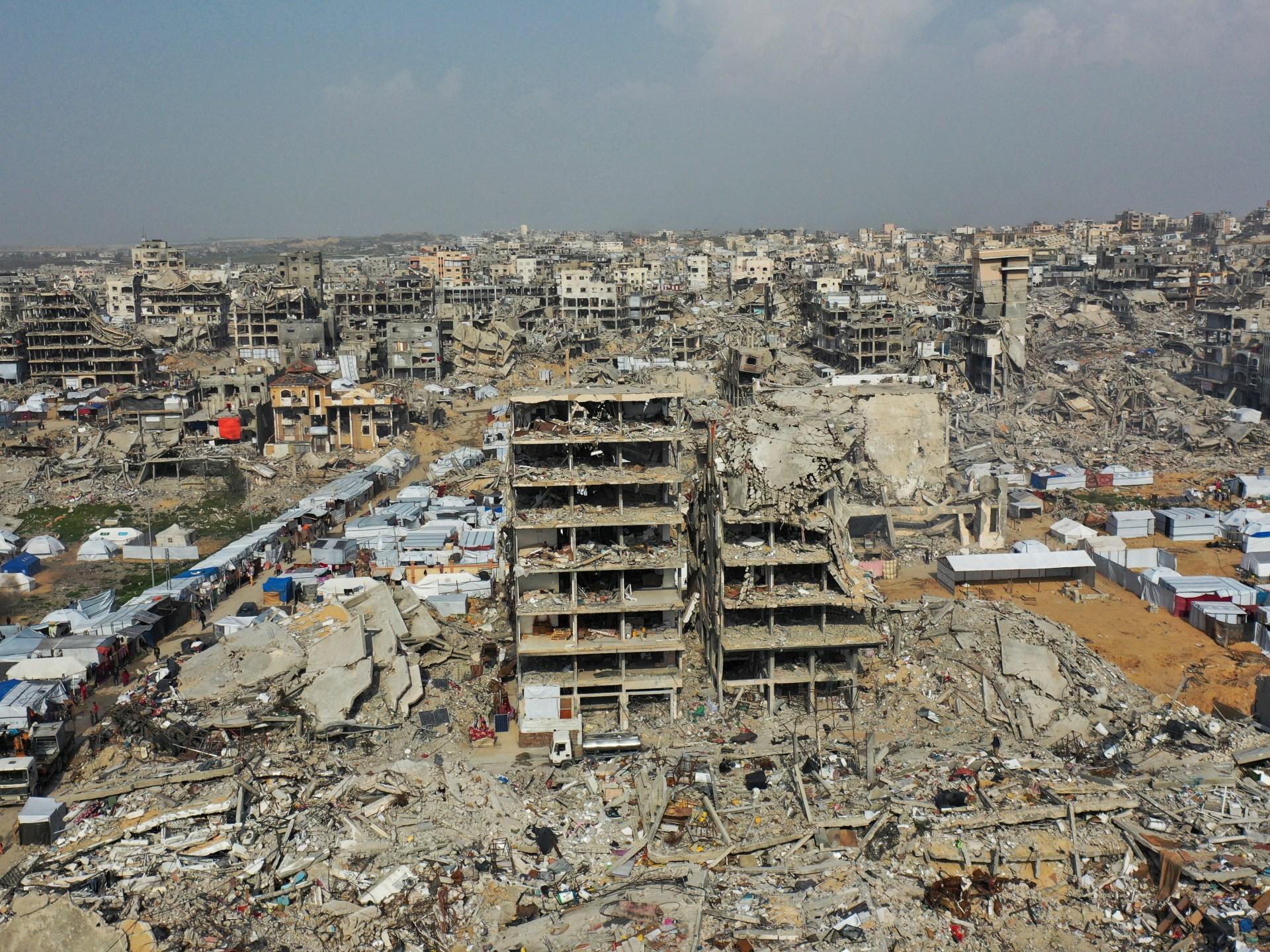
The scale of destruction inside Gaza has created enormous urgency for rebuilding efforts. Entire residential zones, transportation systems, hospitals, water infrastructure, schools, and power networks require significant investment and reconstruction.
Global humanitarian agencies continue warning that delays in rebuilding could deepen instability and increase long-term security risks across the region.
At the same time, political disagreements over who controls the rebuilding process remain highly contentious.
US Strategy Behind the Reconstruction Discussions
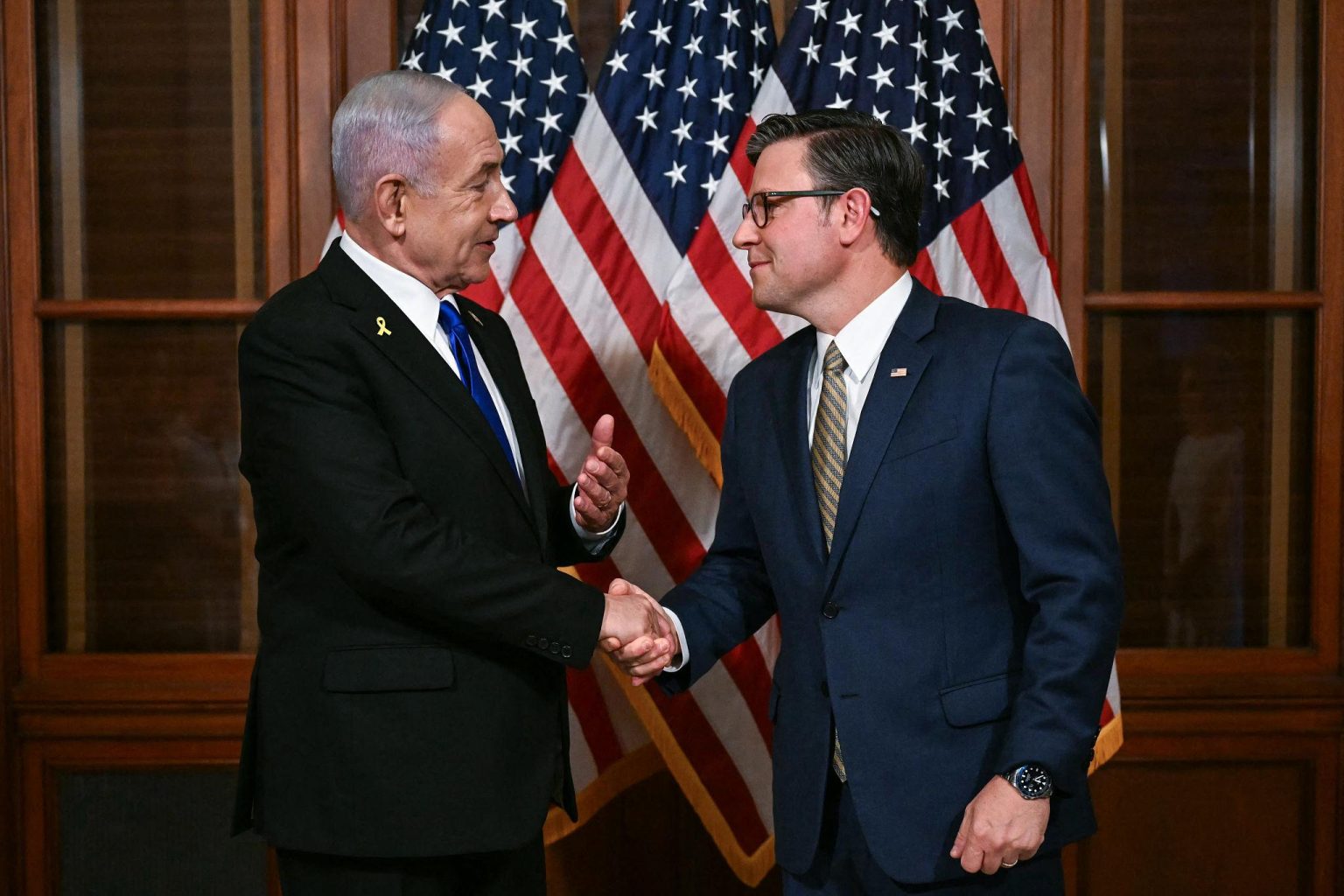
The United States has reportedly expanded its diplomatic role surrounding the Gaza reconstruction plan as President Donald Trump’s administration seeks broader regional agreements involving economic redevelopment and long-term security coordination.
American officials are believed to be exploring multiple approaches designed to combine reconstruction funding with political stabilization efforts. Some proposals reportedly involve partnerships between Gulf states, Western governments, and private-sector contractors.
Washington appears focused on preventing future conflict cycles while also strengthening regional alliances.
Analysts say the White House views economic rebuilding as a strategic security investment.
“Reconstruction can become a foundation for regional stability if handled carefully,”
a Middle East policy adviser said.
Israel Faces Difficult Political Choices
Israeli officials remain under mounting international pressure to support large-scale rebuilding while also maintaining strict security priorities.
The Gaza reconstruction plan creates difficult political challenges for Israeli leadership because rebuilding efforts may require coordination with international organizations and Palestinian institutions.
Security concerns continue dominating Israeli policy discussions, especially regarding border control, weapons smuggling, and future militant activity.
Some Israeli officials reportedly support limited economic redevelopment measures designed to reduce humanitarian pressure and improve long-term stability.
Others remain cautious about any reconstruction process that could strengthen political rivals or create new security risks.
Palestinian Leadership and Governance Concerns
Palestinian leadership factions remain divided over how reconstruction should be managed. Governance disputes involving the Palestinian Authority, Hamas, and international mediators continue complicating negotiations.
The Gaza reconstruction plan could ultimately reshape political power structures within Palestinian territories depending on how reconstruction funding and oversight are handled.
Palestinian officials continue insisting that local governance authority must remain central to any rebuilding process.
Critics warn that external control over reconstruction funding could increase tensions and undermine political legitimacy.
The debate over governance may become one of the biggest obstacles to long-term rebuilding efforts.
Historical Cycles of Gaza Reconstruction
Historical Background of Rebuilding Efforts
The current rebuilding debate follows multiple previous reconstruction attempts that emerged after earlier conflicts in Gaza. Each cycle involved massive aid pledges, political disagreements, and long-term implementation challenges.
| Year | Major Conflict Period | Reconstruction Outcome |
|---|---|---|
| 2009 | Post-Gaza Conflict | Partial rebuilding with delays |
| 2014 | Gaza War Aftermath | International aid expanded slowly |
| 2021 | Regional Escalation | Infrastructure repairs limited |
| 2024-2025 | Extended Conflict Period | Severe destruction intensified |
| 2026 | Current Reconstruction Debate | Large-scale international planning underway |
Many experts argue that previous rebuilding programs struggled because political instability repeatedly interrupted long-term progress.
The latest Gaza reconstruction plan is therefore being viewed as potentially more significant than earlier efforts because of its broader geopolitical implications.
Humanitarian Crisis Drives International Pressure
The humanitarian crisis inside Gaza continues influencing global political pressure for immediate rebuilding.
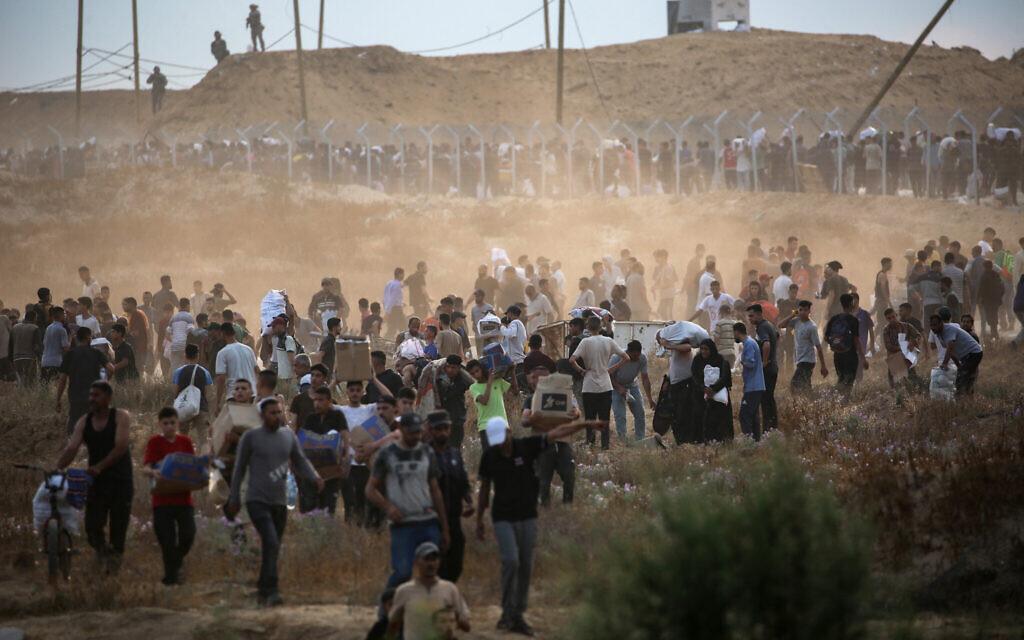
Healthcare systems remain overwhelmed, housing shortages persist, food insecurity remains widespread, and unemployment levels continue rising.
The Gaza reconstruction plan is increasingly tied to international humanitarian goals aimed at preventing deeper social collapse.
Aid organizations continue warning that reconstruction delays could worsen regional instability and create long-term economic dependency.
Several international groups are now calling for permanent rebuilding frameworks rather than temporary emergency aid measures.
“Humanitarian recovery cannot wait for perfect political conditions,”
one aid coordinator explained.
Gulf Nations Could Play a Critical Role
Regional Gulf governments may ultimately become central financial contributors to the Gaza reconstruction plan if diplomatic agreements move forward.
Saudi Arabia, Qatar, and the United Arab Emirates are all being closely watched for possible financial participation.
These governments could help finance infrastructure rebuilding, economic development projects, energy systems, and housing programs.
However, Gulf participation may depend heavily on political guarantees, governance arrangements, and broader regional diplomatic negotiations.
Analysts say regional cooperation could determine whether reconstruction succeeds or stalls.
Economic Impact Could Extend Beyond Gaza
The rebuilding process may eventually create broader economic effects across the Middle East.
Construction industries, energy infrastructure projects, logistics companies, and international aid organizations could all become heavily involved in reconstruction operations.
The Gaza reconstruction plan may also influence regional investment confidence and diplomatic cooperation between neighboring countries.
Some economists argue that large-scale rebuilding projects could create economic opportunities if regional tensions stabilize.
Others warn that continued political instability could discourage international investment.
Security Concerns Continue Dominating Negotiations
Security remains one of the largest obstacles to moving reconstruction efforts forward.
Israeli officials continue emphasizing the need for strict monitoring systems, border controls, and international oversight mechanisms to prevent future militant activity.
Meanwhile, Palestinian leaders argue that excessive restrictions could undermine economic recovery and daily life improvements.
The Gaza reconstruction plan therefore remains deeply tied to broader regional security negotiations that extend far beyond infrastructure rebuilding alone.
Diplomatic observers believe future ceasefire arrangements may heavily influence reconstruction timelines.