Bamako – May 1, 2026 — Brussels Morning Newspaper – Mali conflict latest updates indicate a sharp escalation in militant activity, with coordinated attacks and expanding influence across large parts of West Africa. The surge in violence reflects a deteriorating security environment in the Sahel region, where armed groups continue to exploit weak governance, porous borders, and limited state control.
- Coordinated attacks show increased operational strength
- Expansion beyond Mali raises regional concerns
- Role of extremist groups in ongoing violence
- Government and military responses intensify
- Humanitarian consequences deepen crisis
- International response and strategic implications
- Challenges in countering militant expansion
- What analysts are monitoring next
- Expert quote underscores urgency
- Escalation signals prolonged instability
The latest Mali conflict latest updates suggest that militant organizations are not only sustaining operations but also adapting tactics to expand their territorial reach. This shift is raising alarm among regional governments and international observers, who warn of a prolonged period of instability if current trends continue.
Coordinated attacks show increased operational strength
Recent Mali conflict latest updates point to a noticeable increase in the scale and coordination of attacks. Militants have targeted military installations, remote outposts, and transportation routes, demonstrating a higher level of planning and execution.
Security officials highlight several tactical developments:
- Simultaneous strikes on multiple locations
- Use of mobile units to evade military response
- Greater reliance on intelligence gathered locally
These evolving tactics have made it increasingly difficult for national forces to predict and counter attacks effectively.
Expansion beyond Mali raises regional concerns
The Mali conflict latest updates are closely linked to a broader pattern of instability spreading across West Africa. Neighboring countries such as Burkina Faso and Niger are experiencing similar surges in violence, suggesting a coordinated regional expansion of militant influence.
Key drivers behind this spread include:
- Weak border enforcement across the Sahel
- Limited presence of government forces in rural regions
- Socioeconomic conditions that facilitate recruitment
This interconnected security environment complicates efforts to contain the threat within national borders.
Role of extremist groups in ongoing violence
According to Mali conflict latest updates, extremist groups operating in the region have adapted their strategies to maintain momentum. These groups often rely on decentralized networks, allowing them to operate independently while maintaining broader ideological alignment.
Their objectives include:
- Undermining state authority
- Gaining control over strategic territories
- Expanding influence through intimidation and alliances
A regional analyst noted,
“The structure of these groups makes them highly resilient. Even when leadership is disrupted, operations continue at the local level.”
Government and military responses intensify
In response to the escalating Mali conflict latest updates, governments across the region have increased military operations and security measures. Joint initiatives and cross-border cooperation have become essential components of the response strategy.
Key actions include:
- Deployment of additional troops to high-risk areas
- Strengthened intelligence-sharing among nations
- Expanded counterterrorism operations
Despite these efforts, the vast geography and limited infrastructure of the Sahel continue to present significant challenges.
Humanitarian consequences deepen crisis
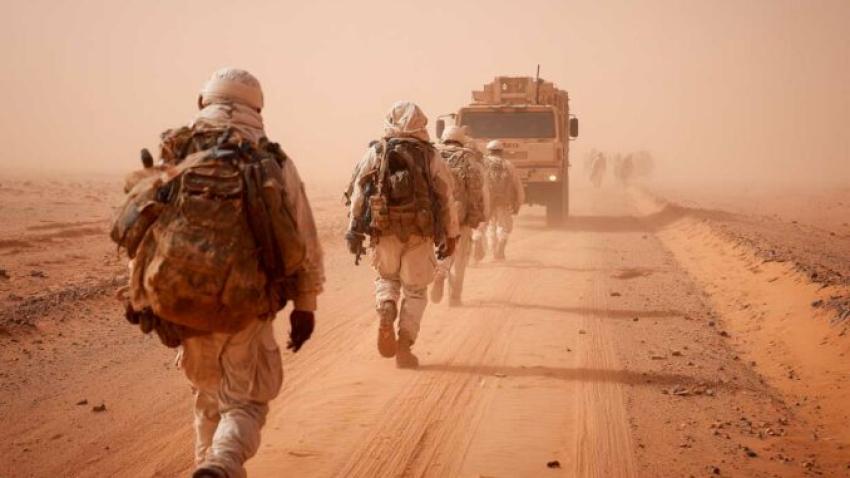
The Mali conflict latest updates also highlight a worsening humanitarian situation. Continued violence has displaced thousands of civilians, disrupting livelihoods and access to essential services.
Major concerns include:
- Rising numbers of internally displaced persons
- Limited access to food, healthcare, and education
- Increased vulnerability among rural populations
Humanitarian organizations warn that without improved security, conditions are likely to deteriorate further.
International response and strategic implications
The global community is closely monitoring Mali conflict latest updates, recognizing the broader implications for regional and international security. The instability in West Africa has the potential to affect global trade routes, migration patterns, and geopolitical dynamics.
International efforts focus on:
- Providing security assistance and training
- Supporting governance and development programs
- Encouraging regional cooperation
However, analysts emphasize that sustainable solutions require long-term commitment beyond immediate military intervention.
Challenges in countering militant expansion
The Mali conflict latest updates reveal persistent challenges in combating militant networks. Structural issues within the region continue to hinder progress.
These challenges include:
- Insufficient resources for sustained military operations
- Governance gaps in remote areas
- Difficulty maintaining control over vast territories
Addressing these underlying issues will be critical to reducing the frequency and impact of future attacks.
What analysts are monitoring next
As Mali conflict latest updates continue to evolve, analysts are watching several key indicators:
- Effectiveness of regional military cooperation
- Changes in militant tactics and geographic focus
- Impact of international support initiatives
The trajectory of the conflict will depend on how these factors develop in the coming months.
Expert quote underscores urgency
“The latest Mali conflict latest updates show a clear pattern of expansion,”
said a regional security expert.
“Without coordinated and sustained action, the threat will continue to grow beyond current hotspots.”
Escalation signals prolonged instability
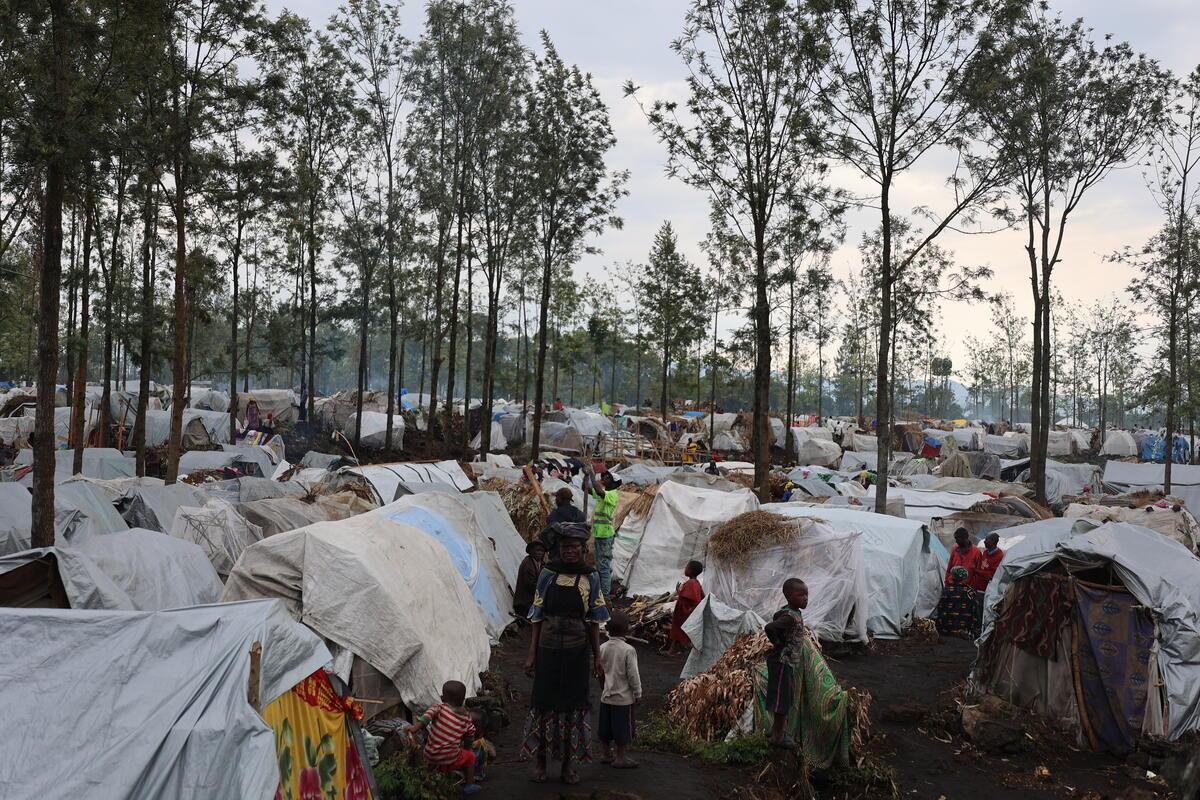
The Mali conflict latest updates paint a concerning picture of rising militant activity and expanding regional instability. While governments and international partners are taking steps to respond, the scale of the challenge remains significant.
The situation underscores the need for a comprehensive approach that combines security operations with economic development and governance reforms. As West Africa navigates this complex crisis, the outcome will have lasting implications for regional stability and global security.