Iran’s participation Confirmed
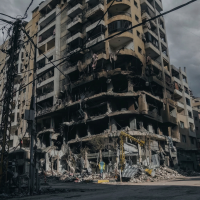
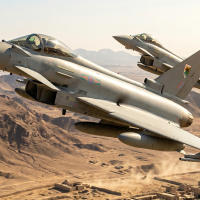
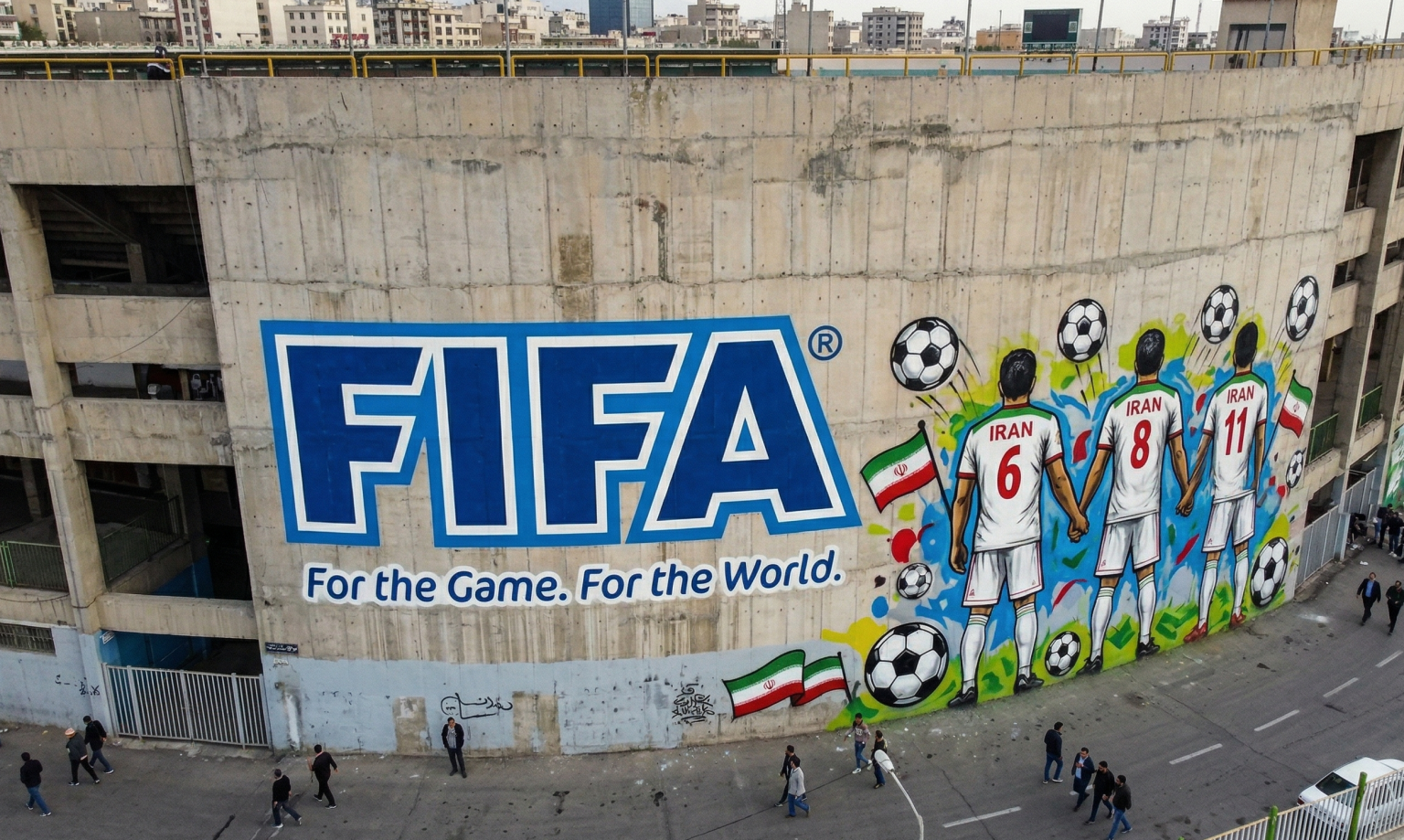
Iran will participate at the World Cup in Los Angeles, FIFA President Gianni Infantino confirmed after weeks of uncertainty regarding the team’s travel to the United States, where their group-stage matches are scheduled. Speaking at a friendly match against Costa Rica in Turkey, Infantino said there is “no Plan B, C, or D,” confirming Iran will play its matches as originally drawn. This announcement ends growing concerns over security, travel restrictions, and geopolitical tensions in the Middle East that had threatened Iran’s participation.
The Iranian Football Federation (FFI) had previously requested that their group-stage matches be moved to Mexico, citing ongoing military conflict and safety concerns. FIFA rejected the request, emphasizing the World Cup’s role as a unifying global event. Iran’s participation at the World Cup now appears certain, allowing fans and officials to focus on preparation and team readiness rather than political disputes.
Group G Schedule and Venues
Iran will compete in Group G, with matches taking place in U.S. cities according to the official draw. The first-round fixtures include:
June 15: vs. New Zealand in Los Angeles
June 21: vs. Belgium in Los Angeles
June 27: vs. Egypt in Seattle
FIFA has confirmed that Iran at World Cup will play in these venues without change, ensuring the integrity of the tournament schedule. Organizers have worked closely with U.S. authorities to provide security, logistics, and special visa arrangements to facilitate Iran’s participation at the World Cup.
Security and Travel Concerns
U.S. President Donald Trump reaffirmed that Iran’s national team is welcome to compete, despite broader travel restrictions. Exemptions for athletes and essential staff will allow the team to enter the United States safely. Security concerns, however, have been a major factor in the uncertainty surrounding Iran at World Cup. Trump previously suggested it might be “inappropriate” for the Iranian team to travel to the U.S. for their own safety, raising fears of possible threats to the players and delegation.
Iran’s sports ministry had earlier banned teams from traveling to countries considered hostile, although this order did not directly mention the World Cup. Visa obstacles and travel logistics were among the key issues that FIFA and the FFI had to resolve before confirming Iran at World Cup.
Impact of Iran at World Cup on Global Relations
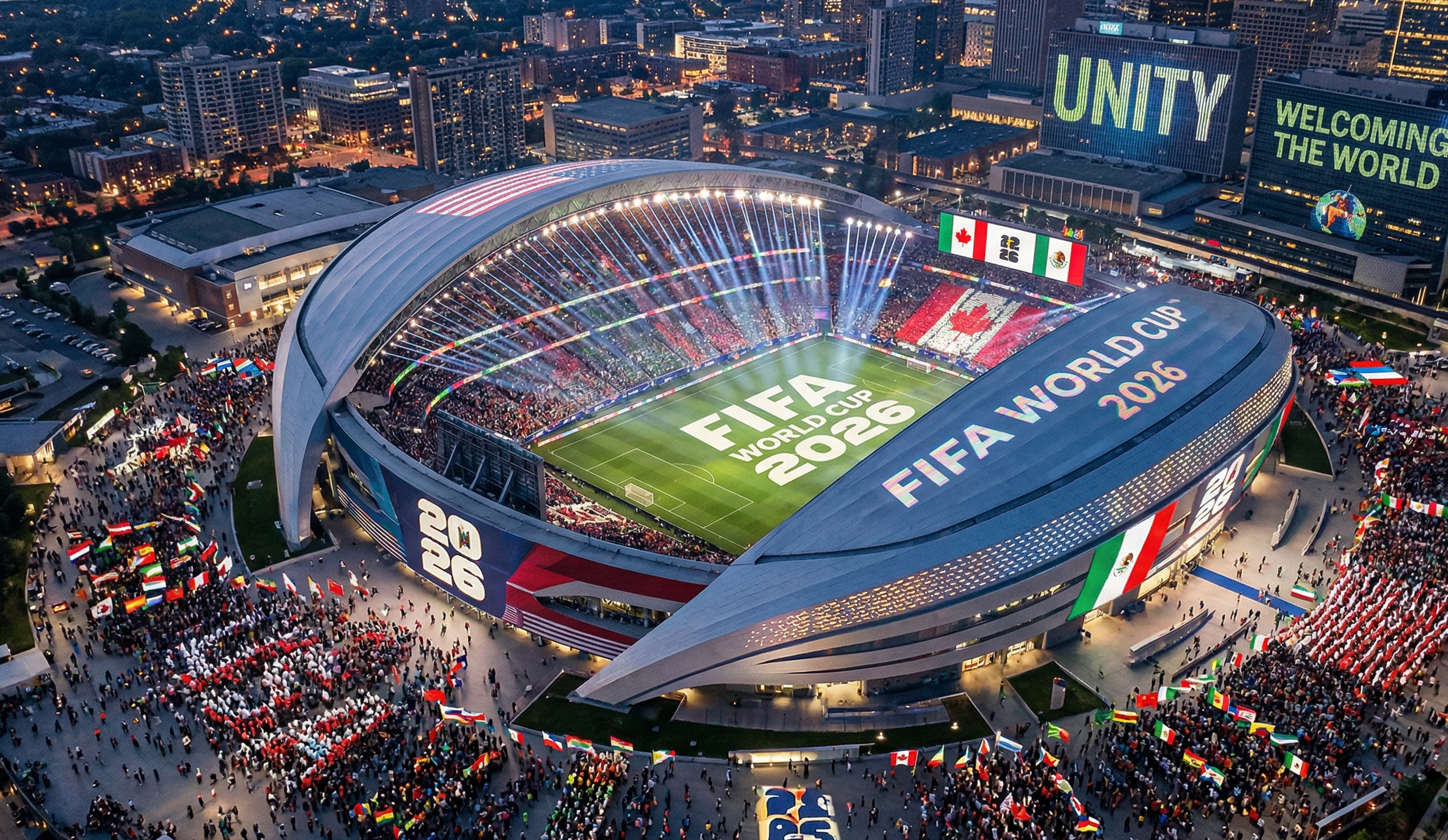
Iran’s confirmed presence at the World Cup signals more than just a sporting outcome; it highlights how global events can intersect with diplomacy and security. For the United States and Europe, accommodating Iran’s team under tense geopolitical conditions underscores the challenges of hosting international tournaments amid conflict. The decision may set a precedent for how FIFA and other sports bodies navigate participation from nations engaged in active disputes, balancing safety with inclusivity. Looking ahead, the World Cup could provide Iran a rare platform for soft diplomacy, while also testing the willingness of Western nations to separate politics from sport. The ripple effects could influence future tournament planning and international engagement.
Controversies and Political Implications
Iran’s participation at the World Cup has been subject to political scrutiny. The Iranian team has previously used international matches to make symbolic protests, including wearing black armbands and posing with rucksacks to honor domestic war victims. Such gestures are expected to continue, highlighting ongoing domestic and regional tensions.
While FIFA emphasizes that the tournament should remain apolitical, the presence of Iran at World Cup amidst a Middle East conflict inevitably carries symbolic significance. Experts suggest the World Cup could become a platform for diplomacy and international visibility, as Iran competes alongside other nations despite ongoing tensions.
Financial and Disciplinary Stakes
Had Iran withdrawn from the tournament, FIFA regulations stipulated fines ranging from 250,000 Swiss francs to up to five million rand, in addition to potential bans from future competitions. The financial and reputational consequences made participation essential, and FIFA’s confirmation ensures Iran at World Cup remains a competitive and eligible team.
The FFI had been under pressure to protect the safety of players while maintaining compliance with international football regulations. The resolution allows Iran to avoid disciplinary action and retain its standing in global football circles.
Implications for Fans and Delegation
While athletes and essential staff are guaranteed entry, visa limitations could restrict the attendance of Iranian fans. This may impact local support for the team during matches in Los Angeles and Seattle. Despite this, FIFA has assured that Iran at World Cup will receive full logistical support to maintain team performance and visibility.
The team’s women’s football contingent has faced asylum and travel challenges during international events, further illustrating the complexities Iran must navigate to ensure safe participation. Nevertheless, the main squad’s entry into the World Cup confirms FIFA’s commitment to including all qualified nations.
Diplomatic Potential of the World Cup
Iran at World Cup represents more than just sport. Experts indicate that the tournament could provide a diplomatic bridge, reintegrating Iran into international sporting events after months of political isolation. Continued engagement could foster dialogue and demonstrate the role of football in bridging geopolitical divides.
In contrast, any future exclusion from FIFA events might encourage alternative competitions outside the international federation’s control. Ensuring Iran at World Cup upholds FIFA’s principle of global unity while offering the country an opportunity to demonstrate resilience and sportsmanship on the world stage.
Preparing for the Tournament
With participation confirmed, the focus shifts to Iran’s preparation and team readiness. Training schedules, match strategy, and travel logistics are now priority areas. FIFA officials and the FFI are coordinating closely to guarantee that Iran at World Cup competes without disruption, maintaining both competitive standards and player safety.
Iran at World Cup is now set to compete in Los Angeles and Seattle, overcoming political obstacles and travel restrictions. The tournament remains a global stage for sport, diplomacy, and international cooperation, emphasizing that football can persist as a unifying force even amidst geopolitical tension.