
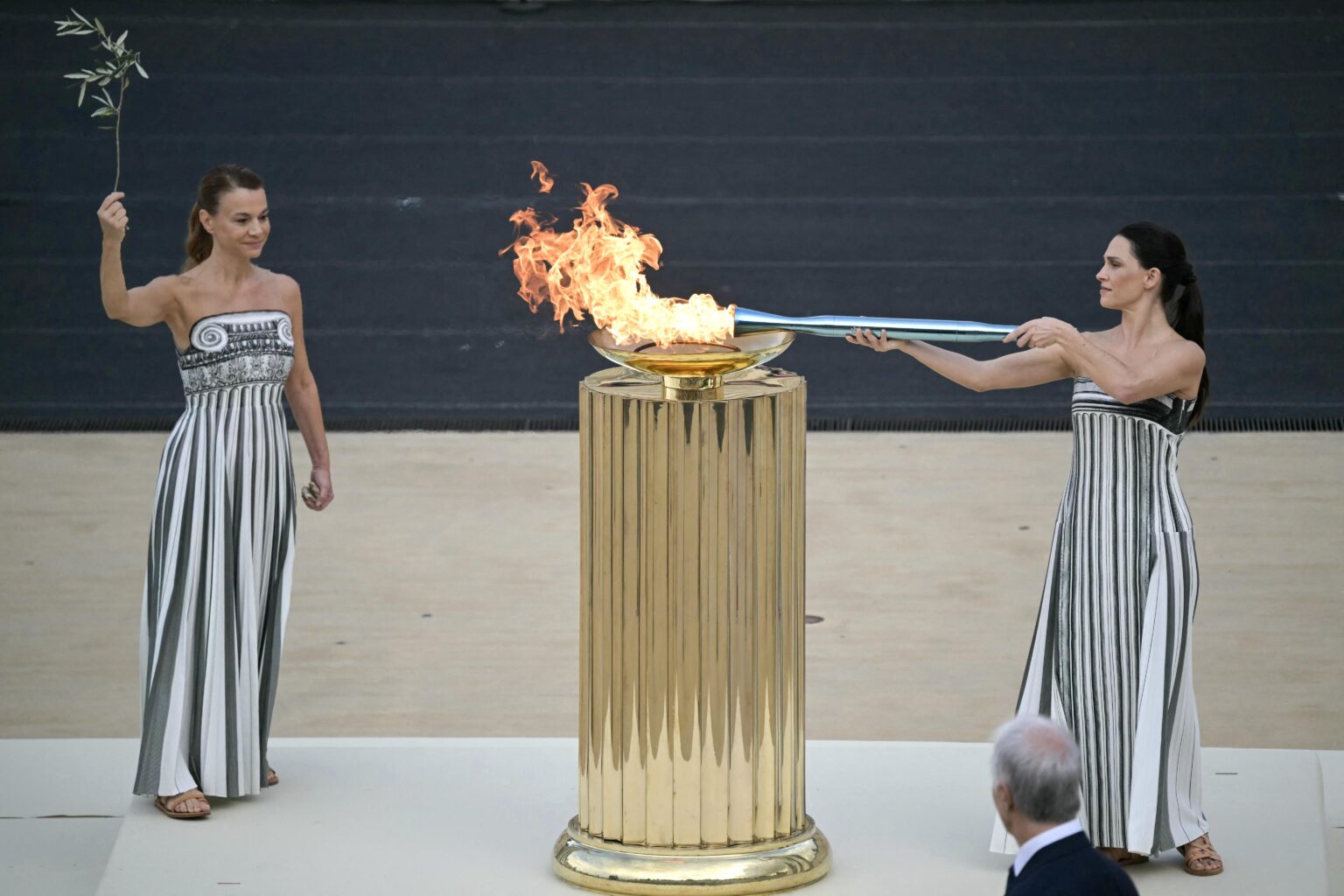
Italy, February 6, 2026 — According to Brussels Morning Newspaper, preparations are accelerating across northern Italy as the Milano Cortina Games approach, with organizers confirming that the Winter Olympics will open through a rare dual-city ceremony staged in Milan and Verona. The announcement places Italy at the center of international attention as expectations build for one of the most ambitious ceremonial formats in recent Olympic history.
The opening ceremony will be held at San Siro Stadium in Milan, while the closing ceremony will take place at the Arena di Verona. Officials say the decision reflects a deliberate shift toward sustainable planning, regional inclusion, and cultural storytelling rather than concentration in a single location.
A Dual City Ceremony Built on Modern Olympic Thinking
The decision to stage ceremonies across two cities has been described by organizers as a natural evolution in Olympic hosting. For the Milano Cortina Games, planners sought a model that balanced scale with responsibility while allowing Italy to present multiple dimensions of its national identity.
Milan will serve as the gateway to the Games, introducing athletes and viewers to a city synonymous with design, finance, and innovation. Verona, by contrast, offers historical depth, with architecture that predates modern sport itself. The pairing is intended to create a narrative arc that moves from modern energy to timeless reflection.
San Siro Stadium’s Transformation Into a Global Stage
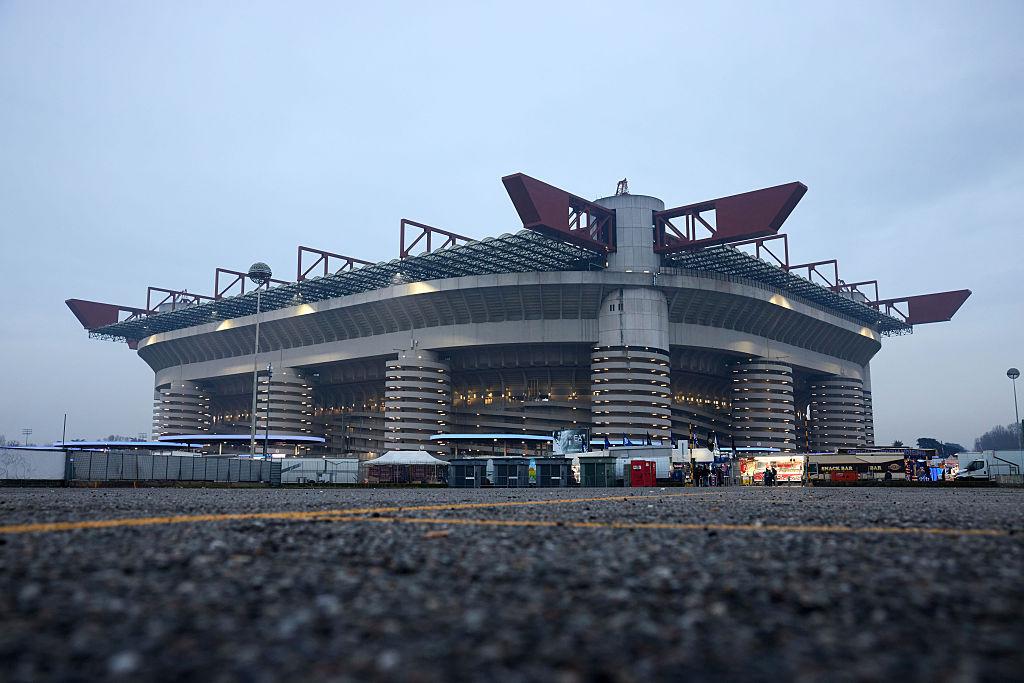
San Siro Stadium is undergoing significant temporary adaptation to host the opening ceremony. Known worldwide for football, the venue is being refitted with modular platforms, high-capacity lighting rigs, and broadcast-grade sound systems capable of reaching a global audience.
A senior ceremony official said,
“This venue already carries decades of sporting emotion, which gives the opening moment an authenticity that purpose-built structures often lack.”
The scale of San Siro allows tens of thousands of spectators to attend, while its infrastructure reduces the need for permanent Olympic construction.
Verona Arena Chosen for a Symbolic Finale
The closing ceremony will unfold inside the Arena di Verona, a Roman amphitheater that has stood for nearly two millennia. Its selection reflects Italy’s intent to end the Games in a space that represents continuity, endurance, and shared human history.
For the Milano Cortina Games, officials believe the Arena’s acoustics and visual presence will allow for a ceremony focused on reflection rather than spectacle alone. Lighting design will be kept minimal to preserve the integrity of the historic structure.

Cultural Identity Woven Into Ceremony Design
Cultural expression is central to the creative vision guiding the ceremonies. Artistic directors are incorporating Italian music, regional symbolism, and visual motifs that reflect both Alpine and urban traditions.
Rather than relying solely on mass choreography, the Milano Cortina Games ceremonies aim to tell a layered story that connects sport with identity, landscape, and collective memory. The approach is intended to resonate across cultures without diluting local authenticity.
Athlete Experience at the Center of Planning
For participating athletes, the ceremony experience will differ markedly from recent Winter Olympics. Marching into an active football stadium rather than a newly built Olympic arena introduces a sense of shared sporting heritage.
Athlete representatives involved in consultations for the Milano Cortina Games have welcomed the emphasis on sustainability and meaningful experience, noting that many competitors value atmosphere and symbolism over scale.
Broadcast Strategy and Global Viewership
International broadcasters are preparing extensive coverage plans, with particular interest in how the dual-city format will translate on screen. Advanced aerial footage, dynamic transitions between locations, and narrative overlays are expected to play a key role.
Media analysts predict that the Milano Cortina Games opening ceremony could draw heightened global interest due to its unconventional structure and iconic venues.
Security and Logistical Coordination Across Regions
Managing ceremonies across Milan and Verona requires intricate coordination. Security planning involves national authorities, regional governments, and international partners working in parallel.
Transport networks linking the two cities have been optimized to accommodate athletes, officials, and media personnel. Organizers say the logistics framework developed for the Milano Cortina Games could influence how future multi-city events are managed.
Tourism and Economic Expectations
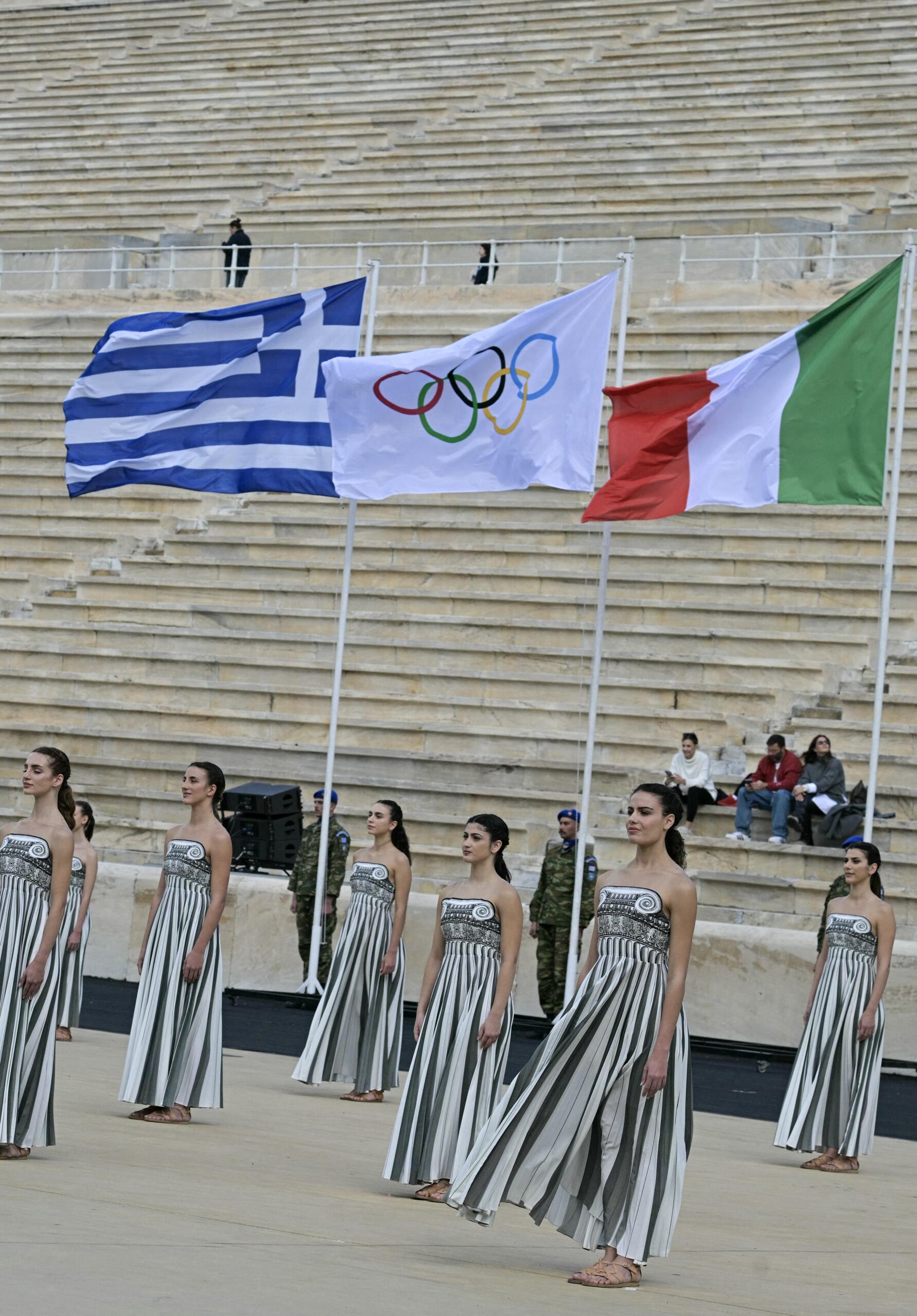
Italian officials view the Games as a long-term opportunity rather than a short-term spectacle. By showcasing both a global city and a historic cultural center, the Milano Cortina Games are expected to encourage extended tourism beyond competition schedules.
Hospitality sectors across northern Italy are preparing for increased international demand, with regional tourism boards coordinating promotional efforts tied to the ceremonies.
Italy’s Olympic Hosting Legacy
Italy has hosted the Winter Olympics twice before, in Cortina d’Ampezzo and Turin. Those experiences shaped the planning philosophy behind the Milano Cortina Games, particularly the emphasis on venue reuse and post-event legacy.
Lessons from earlier editions highlighted the risks of overbuilding, leading organizers to prioritize existing infrastructure and regional collaboration.
International Olympic Community Reaction
Observers from other national Olympic committees are closely watching Italy’s approach. The shared-hosting model aligns with reforms encouraged by the International Olympic Committee, which has urged hosts to reduce costs and environmental impact.
An IOC observer said,
“What Italy is doing shows that innovation can strengthen Olympic values rather than compromise them.”
Final Preparations Enter a Critical Phase
With the opening ceremony approaching, rehearsals, technical testing, and security simulations are underway across both host cities. Organizers say confidence is high that the ceremonies will meet international expectations.
For the Milano Cortina Games, the dual-city format is no longer an experiment but a defining feature that may shape future Winter Olympics.
A Ceremony Designed to Influence the Future
As anticipation builds, the Milano Cortina Games are increasingly viewed as a potential turning point in Olympic presentation. By blending sustainability, culture, and regional collaboration, Italy aims to deliver a ceremony that resonates long after the flame is extinguished.
Whether this model becomes a template for future hosts will depend on its execution, but the ambition behind it has already captured global attention.