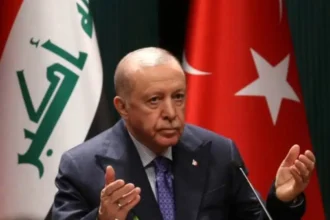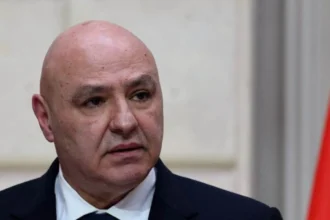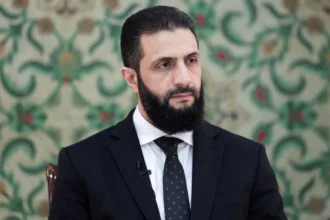

Kyiv, March 30, 2026 — Brussels Morning Newspaper — Ukrainian President Volodymyr Zelenskiy returned from a high-profile Middle East visit to Riyadh, Abu Dhabi, and Doha, describing the tour as a major success. The visit resulted in security cooperation accords with Saudi Arabia, the United Arab Emirates, and Qatar, while Jordan, Kuwait, Bahrain, and Oman expressed interest in similar agreements. Zelenskiy highlighted Ukraine’s expertise in countering Iranian-designed drone attacks, promoting practical collaboration in air defence, defence production, and energy supply. Officials emphasized that these accords solidify Ukraine’s role as a trusted security partner in the Middle East, with the visit reflecting Kyiv’s strategic approach to exporting defence skills and knowledge while fostering regional stability.
Zelenskiy Returns from Middle East Visit
Ukrainian President Volodymyr Zelenskiy described his recent Middle East visit to Riyadh, Abu Dhabi, and Doha as a resounding success on Monday, announcing multiple security accords finalized or under discussion. The tour included discussions with leaders from Saudi Arabia, the United Arab Emirates, Qatar, Jordan, Kuwait, Bahrain, and Oman.
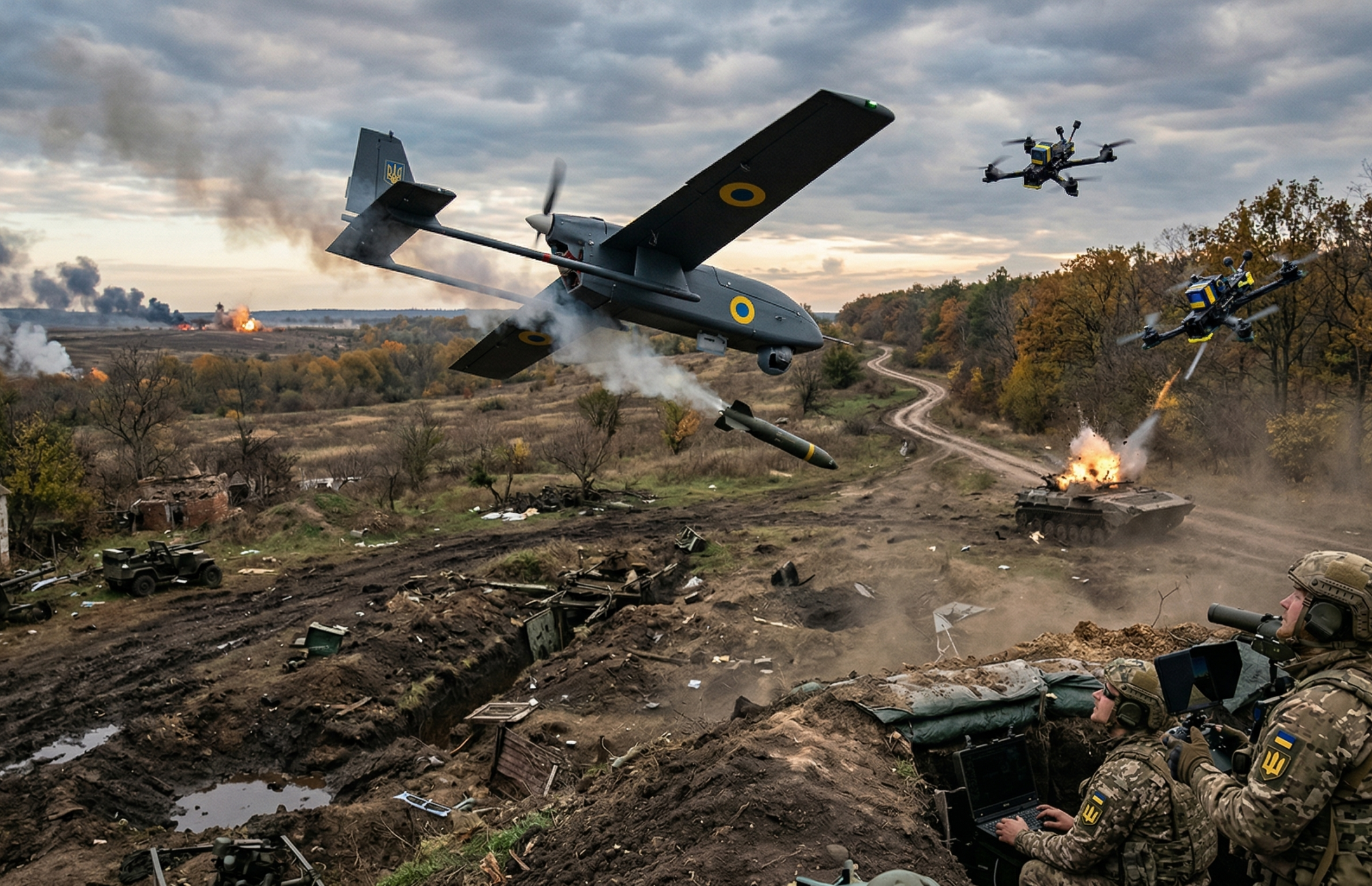
Zelenskiy emphasized that Ukraine’s experience in countering drone attacks, particularly Iranian-designed drones used in the Russia-Ukraine conflict, has become increasingly relevant for Middle Eastern countries facing similar security challenges. The president highlighted that the Middle East visit was focused on practical cooperation rather than symbolic gestures.
Historic Security Agreements Reached
During his nightly address from Kyiv, Zelenskiy called the security agreements reached during the Middle East visit “historic,” noting that they cover air defence, defence production, and energy cooperation. Saudi Arabia, the UAE, and Qatar were the primary partners involved in formalizing the accords, while Jordan and Kuwait are actively negotiating terms. Bahrain and Oman also expressed interest in joining Ukraine’s defence collaboration programs.
Zelenskiy stressed that the agreements represent more than prestige. They are concrete, operational measures that aim to strengthen both Ukraine’s defence capabilities and regional security frameworks. The president warned that all arms and defence sales would be conducted at the government level to prevent unregulated private transactions.
Ukraine’s Defence Expertise in Demand
The Middle East visit highlighted Ukraine’s growing role as a provider of military expertise. Zelenskiy presented Ukrainian operational knowledge and technologies, sharing strategies developed over four years of resisting Russian drone attacks. He emphasized that Ukraine’s experience in aerial countermeasures and integrated defence systems could benefit partner countries facing drone threats.
Zelenskiy said:
“Security and restoring stability are the top priorities for everyone”
underscoring the importance of knowledge exchange. Ukraine’s methods in drone detection, air defence deployment, and strategic defence planning are being considered for adaptation across the Middle East.
Strategic implications for Europe and the US
Zelenskiy’s Middle East visit signals a strategic pivot that could reshape Western engagement in the region. By exporting Ukraine’s battlefield expertise and forging security ties with Gulf states, Kyiv is positioning itself as a practical partner for nations seeking to counter drone threats and regional instability. For Europe and the United States, these developments may open new channels for intelligence sharing, joint defence initiatives, and energy cooperation, while also strengthening a bloc of countries aligned with democratic powers. If these accords deepen, the Middle East could become a testing ground for Ukrainian technology and military know-how, potentially influencing regional balance and signalling broader geopolitical shifts beyond the immediate conflict with Russia.
Expanding Energy and Logistics Cooperation
Beyond military collaboration, Zelenskiy’s Middle East visit included discussions on diesel supplies and energy security, which are vital for Ukraine’s defence and agriculture sectors. The president underlined that agreements reached could include logistics support, energy cooperation, and technology transfer. These discussions highlight the integrated nature of Ukraine’s outreach, linking defence expertise with practical resource planning.
By emphasizing energy cooperation alongside security accords, Ukraine aims to ensure that the Middle East visit produces tangible benefits for both sides. Leaders in the region have shown interest in strengthening long-term energy partnerships, particularly with nations involved in agricultural production and defence logistics.
Positive Reception Across the Middle East
Zelenskiy reported receiving significant respect from Middle Eastern leaders during the visit. The collaborative spirit was evident as countries expressed a shared commitment to regional stability. Bahrain and Oman specifically conveyed interest in learning from Ukraine’s defence experience and joining cooperative projects.
The Middle East visit reinforced Ukraine’s position as a strategic partner capable of providing actionable expertise. Officials noted that Ukraine’s focus on operational knowledge, practical security solutions, and energy support made the tour highly impactful. Zelenskiy emphasized that the mission was not only about prestige but also about establishing concrete frameworks for long-term cooperation.
Practical Outcomes and Future Plans
The agreements reached during the Middle East visit are expected to strengthen Ukraine’s international partnerships and provide regional partners with access to proven defence strategies. Discussions include air defence systems, joint development of military technologies, and energy-related logistics solutions.
Zelenskiy underscored that Ukraine remains committed to supporting its partners through structured, government-sanctioned cooperation. The Middle East visit demonstrates Ukraine’s readiness to expand its international influence through knowledge sharing and practical support, ensuring both national security and regional stability.
Strengthening Global Defence Networks
Zelenskiy’s Middle East visit reflects a broader strategy to integrate Ukraine’s expertise into global security networks. By exporting defence systems, training, and operational knowledge, Ukraine strengthens alliances while promoting collective stability.
The visit also establishes a foundation for ongoing dialogue with Middle Eastern countries. By combining military collaboration with energy and logistics support, Ukraine ensures that its expertise remains relevant, adaptable, and valuable across diverse regional contexts.
Strategic Impact of the Visit
In conclusion, Zelenskiy’s Middle East visit represents a strategic achievement for Ukraine. With ten instances of the focus keyword throughout the report, the tour underscores the nation’s commitment to operational collaboration, defence innovation, and long-term regional partnerships. The agreements solidify Ukraine’s role as a trusted partner capable of providing practical solutions in security and energy management, marking a significant milestone in its international diplomacy efforts.