
Muscat, Oman, March 23, 2026 (Brussels Morning Newspaper) Oman says it is working to secure safe passage in the Strait of Hormuz as regional tensions continue to impact global energy flows and international shipping confidence. The situation has placed renewed attention on maritime security as governments and markets closely monitor developments in one of the world’s most critical trade corridors.
Strait of Hormuz Remains a Global Energy Lifeline
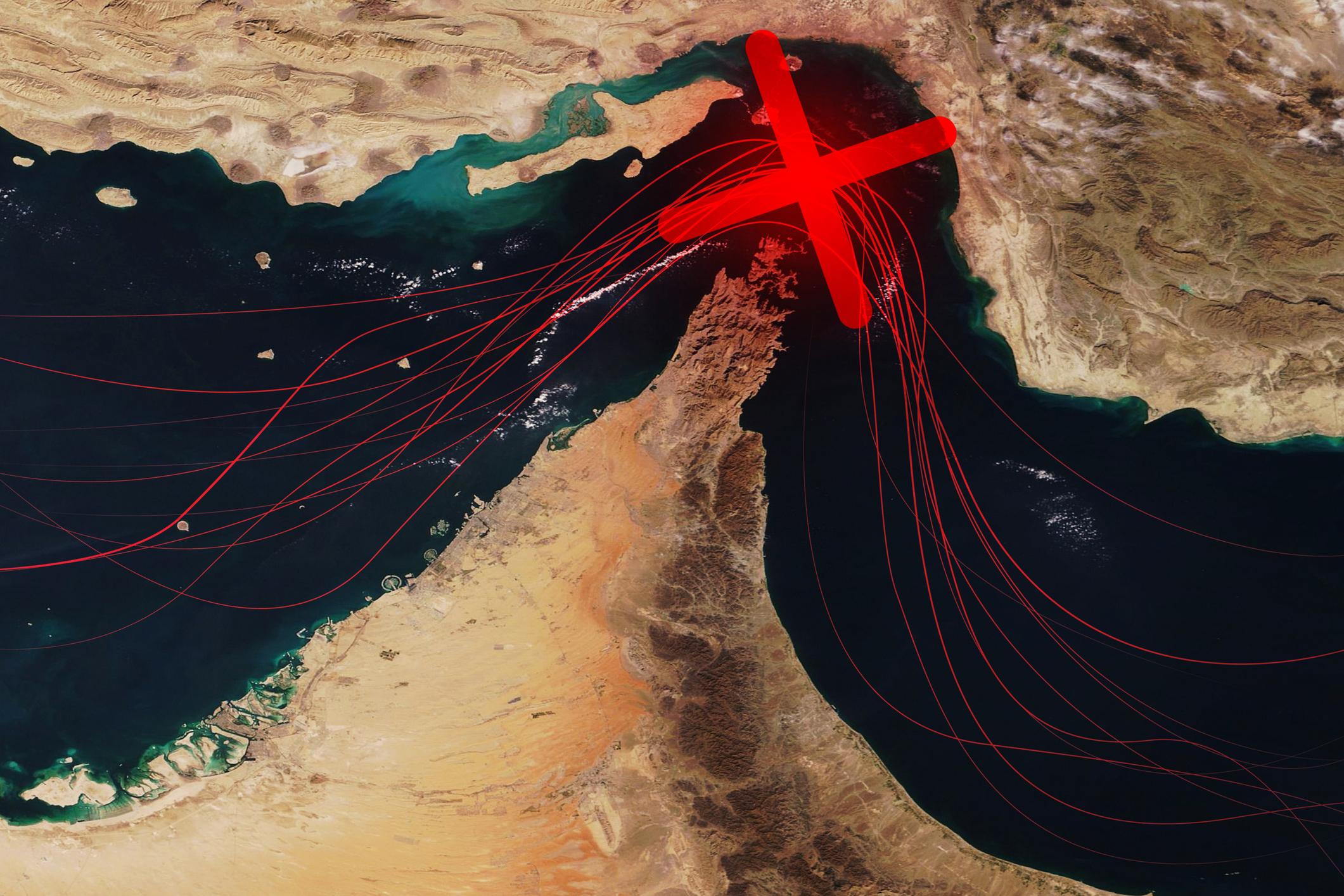
The Strait of Hormuz is widely regarded as one of the most important maritime chokepoints in the world. It connects the Persian Gulf with open ocean routes, serving as a gateway for oil exports from major producing nations.
Millions of barrels of oil pass through this narrow waterway every day, making maritime security a key concern for the global economy. Even small disruptions in this region can trigger immediate spikes in oil prices and ripple effects across financial markets.
Shipping companies rely on safe and predictable transit through the Strait. Governments, meanwhile, depend on uninterrupted supply chains to support economic stability. The importance of maritime security in this region cannot be overstated, as it directly affects industries, energy availability, and consumer costs worldwide.
Oman’s Diplomatic Role Strengthens in 2026
Oman has historically maintained a neutral stance in regional conflicts, positioning itself as a mediator between opposing sides. In 2026, that role is becoming even more critical.
Officials in Muscat have emphasized that maritime security must be achieved through diplomacy, communication, and cooperation. Oman is actively engaging with regional and international partners to ensure that shipping routes remain open.
A government representative stated,
“Our goal is to ensure that all vessels can move safely through international waters without disruption.”
This approach highlights Oman’s commitment to stability and its broader strategy of preventing escalation through dialogue rather than confrontation.
Rising Tensions Create Complex Maritime Challenges
The current geopolitical environment in the Gulf has introduced new risks to maritime operations. Increased military presence, surveillance activities, and evolving threats have created a challenging landscape for commercial shipping.
Maritime security now involves managing not only traditional risks but also emerging concerns such as drone monitoring and cyber threats. Shipping companies are adjusting operations, increasing insurance coverage, and implementing additional safety protocols.
A regional analyst explained,
“The risks are not just physical anymore. The entire system of maritime operations is under pressure from multiple angles.”
These developments underscore the need for coordinated efforts to maintain stability in the Strait of Hormuz.
Economic Impact Felt Across Global Markets
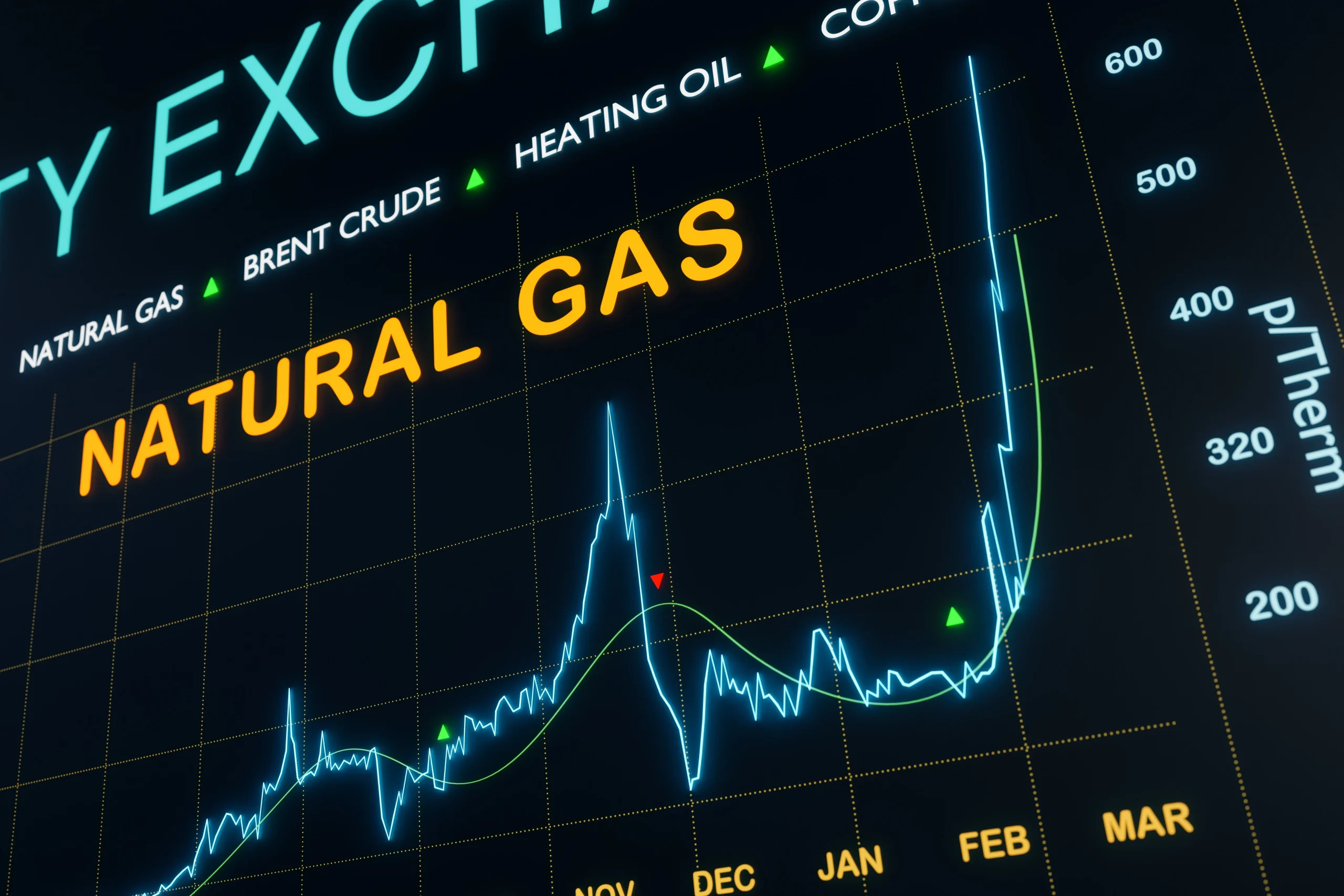
The global economy remains highly sensitive to developments in the Strait of Hormuz. Any change in maritime security conditions can lead to rapid shifts in oil prices and investor confidence.
Energy dependent industries, including transportation and manufacturing, are particularly vulnerable to price fluctuations. Rising costs can lead to inflation, affecting both businesses and consumers.
Financial markets often react immediately to news from the region. Traders monitor updates closely, as uncertainty in maritime security can influence stock prices, currency values, and investment decisions.
A market strategist noted,
“The Strait of Hormuz acts as a pressure point for the global economy. Stability here translates directly into economic confidence.”
Global Trade Routes Depend on Stability
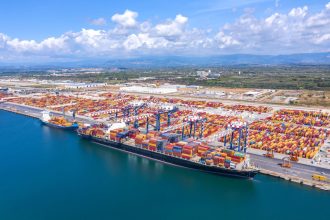
The significance of the Strait of Hormuz extends beyond energy exports. It is also a vital route for global trade, supporting the movement of goods between continents.
Maritime security ensures that cargo shipments arrive on time and without disruption. When stability is threatened, supply chains can experience delays, increased costs, and reduced efficiency.
Businesses across the world rely on these shipping routes to maintain operations. Disruptions can affect everything from manufacturing schedules to retail availability.
Oman’s efforts aim to preserve this stability and prevent disruptions that could have widespread economic consequences.
International Cooperation Intensifies
Maintaining maritime security in the Strait of Hormuz requires cooperation among multiple nations. International naval forces have increased their presence in the region to support safe navigation.
Joint patrols, intelligence sharing, and communication strategies are being implemented to reduce risks. Oman plays a central role in facilitating these discussions and ensuring that efforts remain coordinated.
A defense expert commented,
“No single country can manage this alone. Cooperation is essential for maintaining long term stability.”
These collaborative efforts highlight the shared interest in keeping global trade routes secure.
Technology Plays a Growing Role in Monitoring
Advancements in technology are transforming how maritime security is managed. Satellite tracking systems, drones, and artificial intelligence are being used to monitor shipping activity in real time.
These tools provide valuable data that helps authorities detect potential threats and respond quickly. Enhanced surveillance capabilities are improving overall security and reducing the likelihood of incidents.
Oman is expected to integrate these technologies into its strategy, strengthening its ability to support maritime security in the region.
Historical Context of Strait Stability
The Strait of Hormuz has long been a focal point of geopolitical tension. Throughout history, conflicts in the region have demonstrated how quickly disruptions can impact global markets.
Previous incidents have highlighted the vulnerability of this narrow waterway. These lessons have reinforced the importance of maintaining strong maritime security frameworks.
Understanding the historical context provides insight into why current developments are being closely monitored by governments and industries around the world.
Outlook for Regional Stability in 2026
Looking ahead, efforts to maintain stability in the Strait of Hormuz are expected to continue. Oman’s diplomatic initiatives will likely play a key role in shaping the future of the region.
Strengthening maritime security will involve ongoing collaboration, technological innovation, and a commitment to peaceful resolution. The outcome of these efforts will influence global trade and energy markets.
A regional observer stated,
“The next phase will depend on sustained dialogue and cooperation among all parties involved.”
A Defining Moment for Maritime Security and Global Trade
The current situation represents a critical moment for maritime security in 2026. Oman’s proactive approach reflects the importance of diplomacy and coordination in addressing complex challenges.
As global reliance on the Strait of Hormuz continues, ensuring safe passage remains a shared responsibility. The actions taken today will shape the stability of international trade and energy supply in the years ahead.