Washington, United States — March 7, 2026. According to Brussels Morning Newspaper style international news writing, Trump Iran military tensions intensified today after renewed political warnings and strong responses from Tehran raised concerns about the stability of the Middle East. Officials and analysts across several capitals are watching closely as both sides exchange forceful statements that could influence regional security and global energy markets.
Political leaders in Washington signaled that the United States remains prepared to defend its interests and those of its allies. Iranian officials responded by saying the country will not surrender to foreign pressure. As a result, Trump Iran military tensions have quickly become one of the most closely monitored geopolitical developments of 2026.
Global markets, diplomatic missions, and military planners are evaluating the situation carefully because the stakes extend beyond the immediate political confrontation. The Middle East remains a vital region for energy production, international shipping routes, and security alliances.
Washington Signals Strong Strategic Posture
Senior political figures in Washington have emphasized that the United States will protect its interests in the region and respond decisively to threats. Statements from American leaders indicate that military preparedness remains an important part of national security policy.
Trump Iran military tensions are therefore being viewed as both a diplomatic and strategic challenge. American officials believe strong rhetoric can act as a deterrent against actions they consider destabilizing in the region.
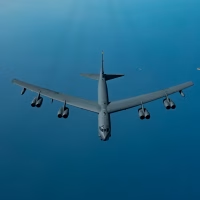
Defense planners continue to monitor developments carefully while maintaining coordination with regional allies. Analysts say the presence of American naval forces and air defense systems demonstrates the importance Washington places on stability in the Middle East.
While leaders insist that diplomacy remains an option, the emphasis on preparedness has reinforced the perception that the crisis could escalate if negotiations fail.
Tehran Responds With Defiant Political Messaging
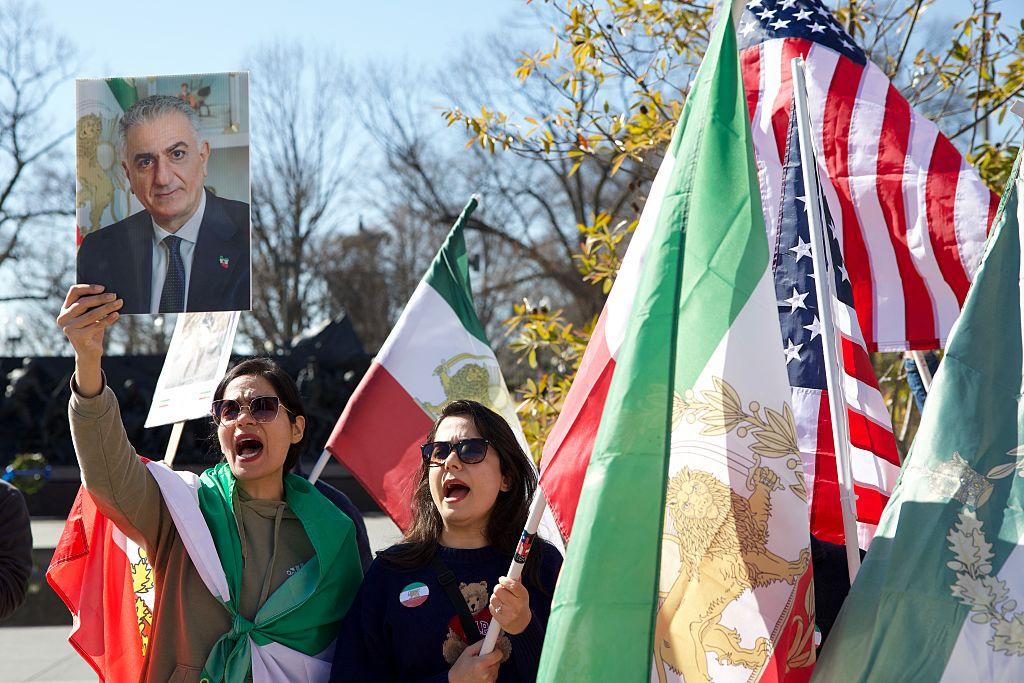
Iranian officials reacted swiftly to the warnings from Washington. Government representatives emphasized that Iran would defend its sovereignty and resist external pressure.
The response from Tehran reflects longstanding national policy regarding foreign influence and regional independence. Officials argue that Iran’s military capabilities exist to protect the country rather than provoke confrontation.
At the same time, Trump Iran military tensions have created a political environment in which both sides are carefully managing public messaging.
Iranian leaders have also emphasized that diplomacy must be based on mutual respect rather than threats. This stance reflects domestic political considerations as well as broader strategic goals.
Regional Security Environment Becomes Increasingly Sensitive
The broader Middle East security environment has grown more sensitive as political rhetoric intensifies. Military forces from multiple nations operate within relatively close proximity across the region.
Trump Iran military tensions have therefore heightened concerns about the possibility of miscalculation.
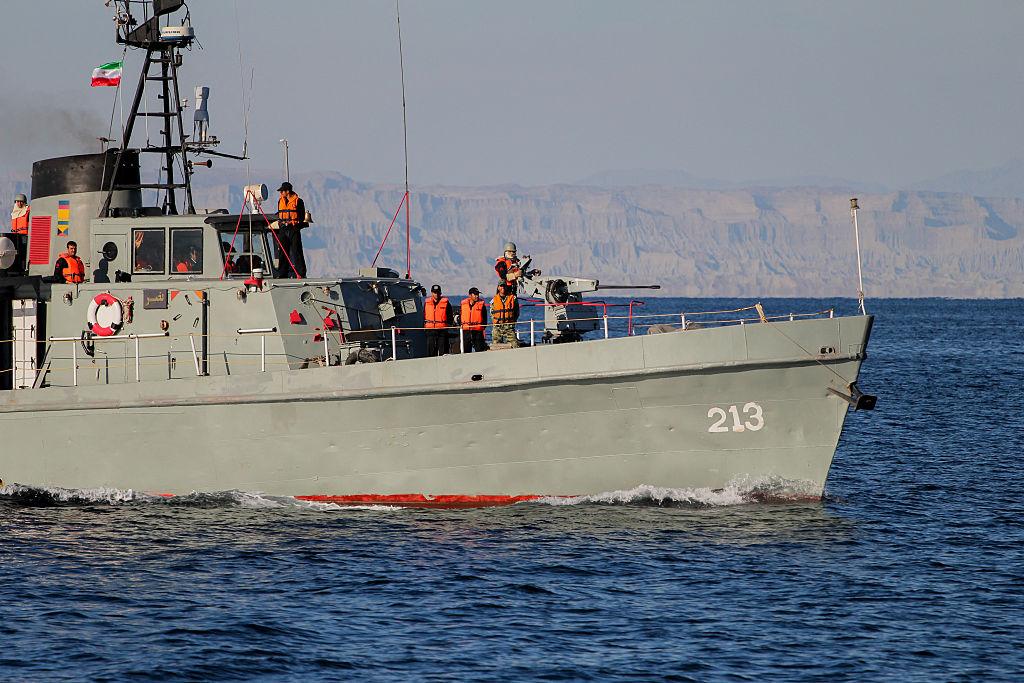
Strategic waterways such as the Strait of Hormuz remain under constant surveillance because they represent vital global trade routes. Naval patrols from several countries ensure that commercial shipping continues to move safely through these waters.
However, the concentration of military assets also means that even small incidents could trigger broader diplomatic disputes.
Security analysts emphasize that maintaining communication channels between commanders is essential during periods of heightened tension.
Global Energy Markets React to Political Uncertainty
Energy markets around the world are responding cautiously to the developments.
The Middle East plays a critical role in supplying global oil and natural gas. As a result, Trump Iran military tensions are closely watched by investors and policymakers.
Any disruption to energy shipments could cause price volatility and influence inflation in multiple economies.
Financial institutions have already begun evaluating the potential impact of prolonged instability in the region. Energy companies and shipping firms are reviewing contingency plans to ensure that supply chains remain operational.
Although markets remain stable for now, analysts warn that geopolitical shocks can trigger rapid changes in commodity prices.
Diplomatic Channels Seek Opportunities for De-Escalation
Despite the sharp rhetoric, diplomatic engagement continues behind the scenes.
Several international governments are encouraging dialogue between Washington and Tehran in hopes of preventing escalation.
Trump Iran military tensions have prompted renewed calls for restraint from European and Asian leaders who depend on stability in global energy markets.
Diplomats believe that maintaining open communication channels will be crucial in reducing the risk of misunderstanding.
History shows that even intense political disagreements can be managed through sustained diplomatic efforts.
Regional Allies Carefully Assess the Situation
Countries throughout the Middle East are monitoring the situation closely. Many of these governments maintain relationships with both Washington and Tehran.
Trump Iran military tensions therefore create complex strategic calculations for regional leaders.
Some countries rely on American security partnerships, while others maintain economic ties with Iran. Balancing these relationships requires careful diplomacy.
Regional leaders have urged restraint and emphasized the importance of dialogue in preventing a wider conflict.
The stability of the Middle East affects not only regional security but also international trade routes and economic development.
Military Analysts Warn About Miscalculation Risks
Security specialists warn that geopolitical crises often escalate due to misunderstandings rather than deliberate aggression.
Trump Iran military tensions highlight the importance of communication between military commanders and political leaders.
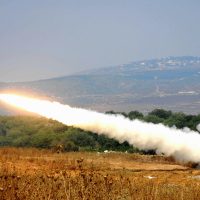
Modern technologies such as drones, cyber systems, and long-range missiles increase the speed at which events can unfold.
Even routine military exercises can sometimes be misinterpreted as preparations for offensive action.
For this reason, analysts emphasize the importance of transparency and dialogue during periods of tension.
Voices From International Diplomacy
Diplomatic observers have expressed concern about the potential consequences of continued escalation.
One senior European diplomat involved in regional discussions said:
“Stability in the Middle East is essential not only for regional security but for the global economy. Every responsible government understands that preventing escalation must remain the priority.”
Another international policy adviser noted that diplomatic patience often proves more effective than confrontation.
“History demonstrates that dialogue, even during the most difficult moments, creates opportunities for compromise.”
These perspectives highlight the importance of diplomacy in managing geopolitical rivalry.
Economic Implications Extend Beyond the Middle East
The economic consequences of prolonged instability could reach far beyond the region.
Trump Iran military tensions have already captured the attention of global investors and financial institutions.
Energy prices, shipping insurance costs, and commodity markets often respond quickly to geopolitical developments.
Higher oil prices could increase transportation costs and contribute to inflation in many economies.
Governments are therefore monitoring the situation carefully to assess potential risks to economic stability.
International financial organizations have also emphasized the importance of maintaining secure trade routes.
Historical Background of U.S. Iran Relations
Understanding the present situation requires examining the history of relations between the United States and Iran.
Trump Iran military tensions represent the latest chapter in a complex relationship that has evolved over decades.
The modern rivalry began after the Iranian Revolution of 1979, which dramatically changed the political landscape of the region.
Since that time, disagreements over nuclear development, economic sanctions, and regional influence have shaped diplomatic relations.
Several moments of crisis have occurred throughout the years, including naval encounters in the Persian Gulf and disputes regarding international agreements.
Despite these tensions, both countries have generally avoided direct war.
Political leaders often choose strategic pressure combined with diplomatic engagement rather than full scale conflict.
Strategic Messaging Shapes the Political Landscape
Political messaging from both governments plays an important role in shaping public perception.
Trump Iran military tensions reflect a complex mix of domestic politics, international diplomacy, and strategic communication.
American leaders often emphasize deterrence in order to reassure allies and discourage adversaries from taking aggressive actions.
Iranian leaders emphasize national sovereignty and resistance to foreign pressure.
Both approaches are designed to strengthen domestic political support while influencing international negotiations.
Understanding these communication strategies helps explain why rhetoric can sometimes appear more confrontational than actual policy intentions.
Perspective From International Security Analyst
A prominent international relations scholar explained the broader significance of the situation.
“Geopolitical tensions often unfold as a combination of strategy, perception, and communication. The real challenge for leaders is ensuring that strong rhetoric does not unintentionally create pathways toward conflict.”
This observation reflects the delicate balance between deterrence and diplomacy.
Possible Paths Toward Stability
Several scenarios could shape the future direction of the crisis.
One possibility involves continued political rhetoric without direct military confrontation. In such cases, diplomatic engagement and economic pressure often play larger roles than military action.
Another scenario could involve renewed negotiations aimed at addressing long standing disputes.
Trump Iran military tensions might also gradually decline if both governments decide that stability serves their long term interests.
International mediators are exploring potential frameworks that could encourage dialogue.
Although progress may take time, diplomatic efforts remain essential to preventing escalation.
A Turning Point for Global Security in 2026
The developments unfolding in Washington and Tehran represent an important moment for international relations.
Trump Iran military tensions demonstrate how geopolitical rivalries can influence global security, energy markets, and diplomatic alliances.
The coming months will likely determine whether the crisis leads to negotiation or deeper confrontation.
For now, governments around the world continue to monitor the situation closely while encouraging restraint and dialogue.
Stability in the Middle East remains a vital priority for the international community.