Tehran, Iran – March 6, 2026 – According to information shared by Brussels Morning Newspaper, a Tehran residential attack has shaken neighborhoods across the Iranian capital after explosions struck apartment buildings in several districts. Emergency crews moved quickly to affected areas where damaged residential towers, shattered windows, and frightened residents revealed the impact of the incident. Authorities began immediate rescue and safety operations while investigators worked to determine the circumstances surrounding the Tehran residential attack, which has drawn international attention and heightened concern about civilian safety in densely populated urban areas.
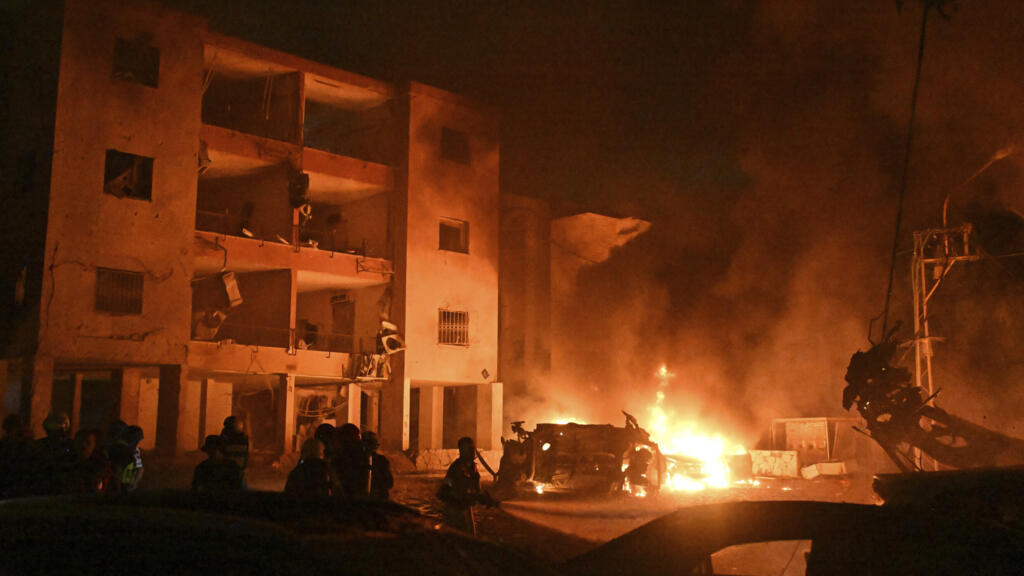
Residents described hearing loud blasts shortly before midnight followed by emergency sirens and the sound of helicopters overhead. Smoke could be seen rising above several residential blocks as firefighters and medical teams rushed toward the affected neighborhoods.
The incident quickly became one of the most closely monitored developments in the region, with governments and international observers tracking updates as they emerged.
Night of Explosions Across Residential Districts
Several neighborhoods in Tehran experienced powerful blasts that rattled windows and sent residents into the streets seeking safety. Emergency services responded within minutes, dispatching firefighters, ambulances, and rescue teams.
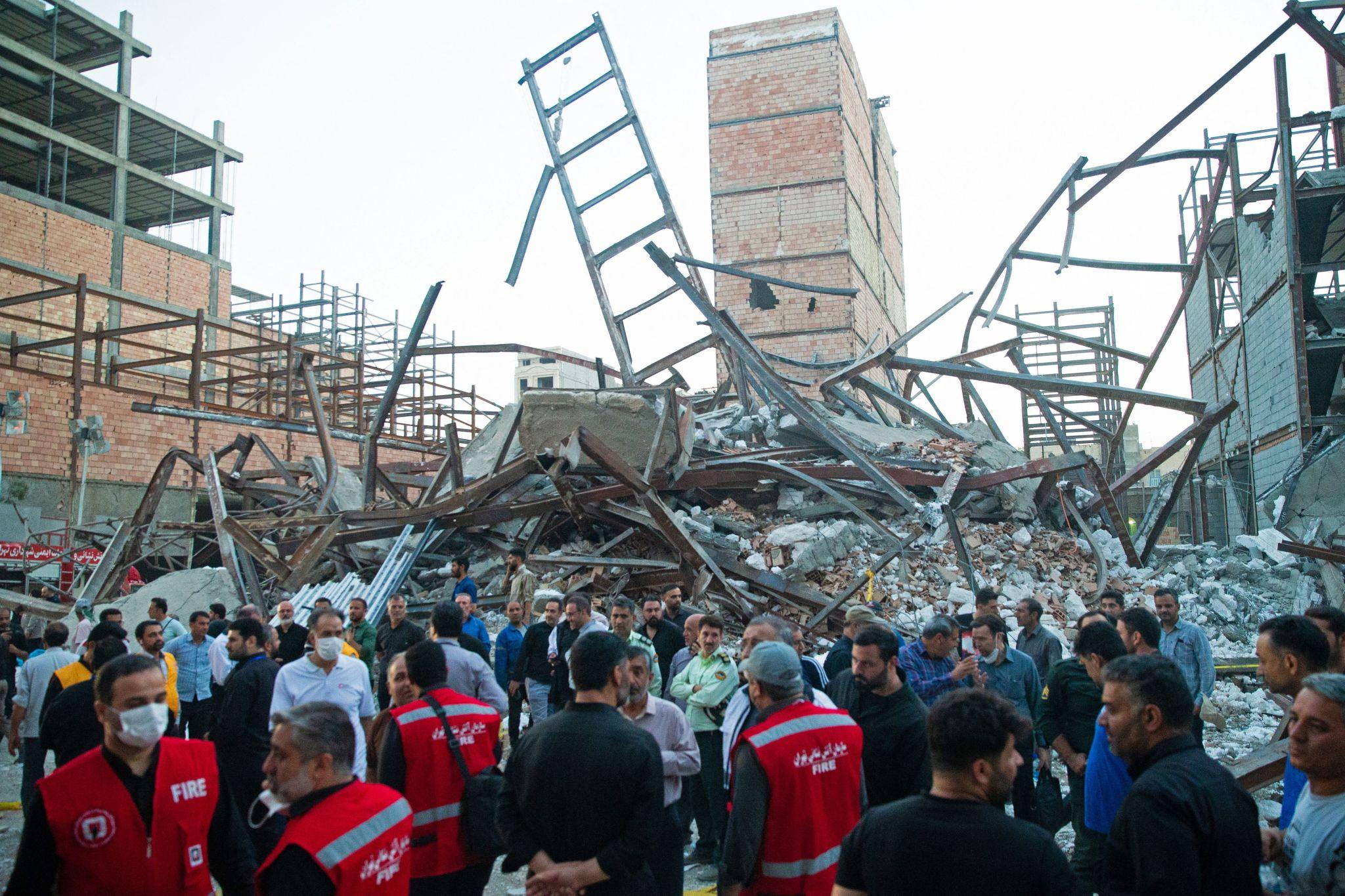
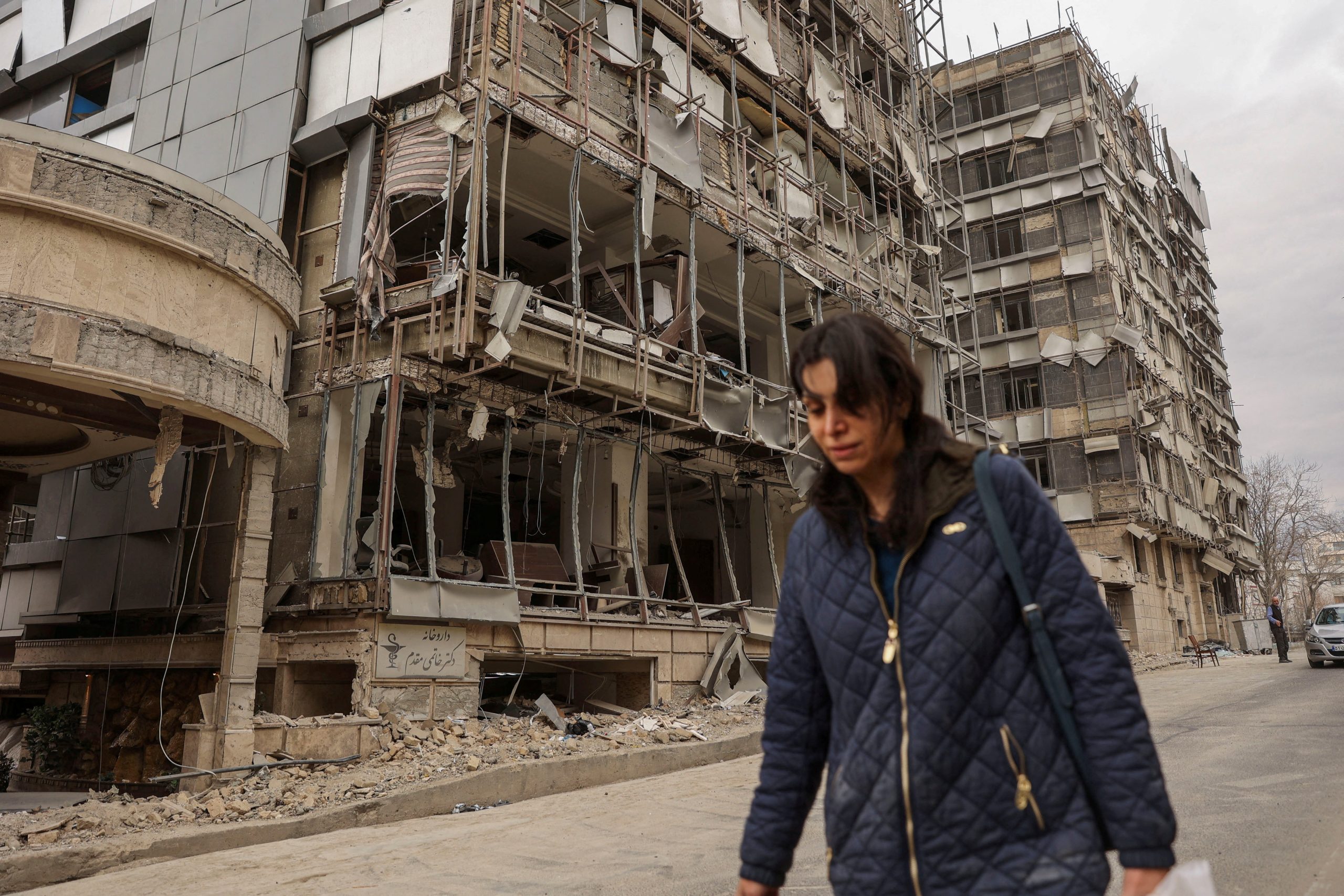
Authorities later confirmed that multiple apartment complexes sustained structural damage during the Tehran residential attack. Sections of balconies collapsed, glass from windows scattered across sidewalks, and parts of exterior walls were damaged.
Local officials began inspecting buildings to ensure that residents could safely return to their homes. Structural engineers examined foundations and support beams to determine whether buildings remained stable.
The Tehran residential attack forced hundreds of residents to evacuate their homes as emergency teams worked to secure the surrounding areas.
Many families gathered in nearby parks and public spaces while officials assessed the situation.
Emergency Teams Move Quickly to Protect Residents
Rescue crews worked through the night following the Tehran residential attack to ensure that no residents remained trapped inside damaged buildings.
Firefighters used thermal detection equipment to search for signs of life beneath debris while medical teams treated individuals suffering from minor injuries and shock.
Ambulances transported injured residents to hospitals across the city, where doctors continued monitoring their conditions.
Authorities also inspected gas lines and electrical systems to prevent secondary hazards that could endanger nearby residents.
The Tehran residential attack demonstrated how quickly urban emergency response systems must operate when large residential populations are at risk.
Officials later praised emergency personnel for their rapid response, noting that their actions helped prevent additional injuries.
Families Displaced After Apartment Buildings Damaged
For many residents, the Tehran residential attack transformed an ordinary evening into a moment of fear and uncertainty.
Families described rushing down staircases while carrying children and elderly relatives as they evacuated damaged buildings.
Some residents left their homes with only essential belongings while authorities instructed them to remain outside until structural inspections were completed.
Community centers, schools, and public halls opened to provide temporary shelter for those displaced by the Tehran residential attack.
Volunteers distributed blankets, food, and water while local organizations coordinated support for affected families.
These scenes highlighted the challenges faced by urban populations when emergencies disrupt residential neighborhoods.
Global Leaders Monitor Developments Closely
News of the Tehran residential attack spread rapidly across international media outlets, prompting reactions from governments and global organizations.
Several diplomatic officials expressed concern about the risks faced by civilians in densely populated cities during periods of regional tension.
International observers emphasized the importance of protecting residential areas and ensuring that humanitarian support reaches affected communities.
One security analyst explained the broader implications of the situation.
“Urban incidents involving residential districts quickly draw global attention because of the potential humanitarian consequences,”
the analyst said.
The Tehran residential attack therefore became a major topic in diplomatic discussions about regional stability.
Urban Security Challenges in Major Cities
Cities such as Tehran contain millions of residents living in closely connected neighborhoods. Apartment towers, schools, markets, and transportation networks are often located within short distances of one another.
When incidents occur in such environments, the risks for civilians increase significantly.
The Tehran residential attack illustrates how densely populated urban areas face unique challenges during crises.
Emergency planning, infrastructure safety standards, and rapid response systems play a critical role in protecting residents during unexpected incidents.
Urban security experts say cities must continuously update emergency strategies to address modern risks.
These strategies include evacuation plans, public communication systems, and coordination between rescue agencies.
Economic Disruption in Local Neighborhoods
Beyond the immediate damage to homes, the Tehran residential attack has also affected businesses and daily economic activity in surrounding areas.
Small shops, markets, and service businesses located near the damaged buildings temporarily closed as authorities secured the neighborhoods.
Repairing damaged infrastructure and restoring utilities may take time, creating additional challenges for local residents and businesses.
Community leaders have already begun discussing support programs designed to help families rebuild their homes and restore normal life after the Tehran residential attack.
Such recovery efforts often require cooperation between city authorities, engineers, construction teams, and humanitarian organizations.
Media Coverage and Information Verification
Breaking news events often generate large amounts of information in a short period of time.
In the case of the Tehran residential attack, journalists relied on eyewitness accounts, official statements, and visual evidence from the affected neighborhoods.
Authorities urged patience as investigators worked to verify details and determine the cause of the explosions.
International news organizations monitored developments carefully to ensure accurate reporting.
Maintaining reliable information is essential during crises because misinformation can create unnecessary panic among residents.
The Tehran residential attack highlighted the importance of responsible journalism and careful verification of emerging details.
Historical Perspective on Urban Residential Incidents
Throughout history, major cities have occasionally experienced incidents that affect residential districts during times of political tension or conflict.
Urban populations often face greater vulnerability because large numbers of people live in densely packed apartment complexes.
The Tehran residential attack has therefore sparked discussions among historians and security experts about the lessons cities learn after such incidents.
In many cases, governments respond by strengthening safety regulations, improving emergency preparedness, and investing in more resilient infrastructure.
Urban resilience planning has become an increasingly important part of city development around the world.
Regional Stability and Diplomatic Dialogue
Diplomatic channels remained active following the Tehran residential attack, with several international leaders calling for calm and cooperation.
Officials emphasized the need to avoid further escalation that could endanger civilians in the region.
The Tehran residential attack therefore became part of broader discussions about maintaining stability and preventing further incidents.
Energy markets also reacted cautiously as investors considered the potential impact of regional tensions on global trade routes.
Shipping companies and financial analysts continued monitoring developments as authorities investigated the situation.
Communities Show Strength After Crisis
Despite the fear caused by the Tehran residential attack, residents demonstrated resilience and solidarity.
Neighbors helped one another evacuate damaged buildings and shared supplies with families who had lost access to their homes.
Local volunteers organized support efforts while emergency teams continued their work throughout the night.
One resident described how quickly the community came together during the crisis.
“We were frightened by the explosions, but everyone helped each other and made sure our neighbors were safe,”
the resident said.
Such acts of cooperation highlight the strength of communities during difficult moments.
The Road to Recovery for Tehran Neighborhoods
The aftermath of the Tehran residential attack will likely involve weeks of inspections, repairs, and rebuilding.
Engineers must ensure that damaged structures are safe before residents can return home. Construction crews may need to reinforce walls, replace windows, and repair utilities.
City officials have pledged to support families affected by the Tehran residential attack while recovery efforts move forward.
Urban planners and emergency management experts will also examine the incident to identify lessons that could improve future safety measures.
For many residents, the path to recovery will require patience, cooperation, and continued community support.