
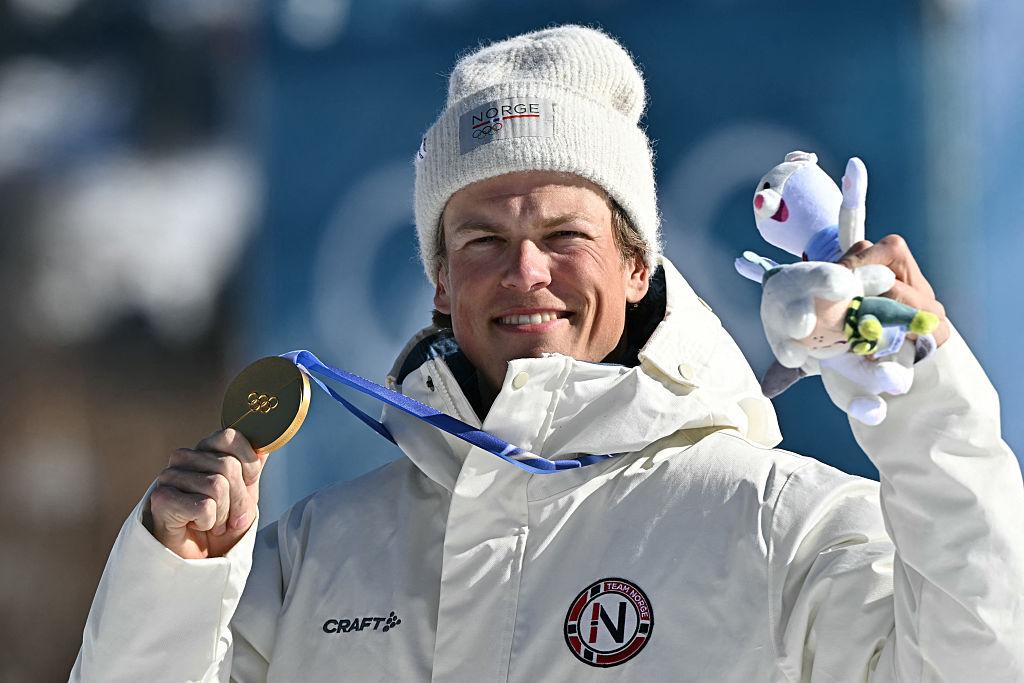
Milan, Italy — February 13, 2026 — Brussels Morning Newspaper — The Johannes Klaebo gold medal victory at the Milan 2026 Winter Olympics delivered a defining Olympic moment, as Norway’s leading cross country skier powered through the final stretch to secure another landmark achievement on the sport’s biggest stage.
Under clear alpine skies and before a packed grandstand, Klaebo executed a race strategy built on patience, positioning, and explosive acceleration. The result not only elevated his standing in international skiing but reinforced Norway’s long standing dominance in Winter Olympic competition.
Sprint Final Unfolds With Tactical Precision
The men’s sprint final began with an aggressive tempo set by challengers from Sweden and Finland. Early exchanges were tightly contested, with the lead shifting multiple times through technical corners and climbing segments.
Klaebo maintained a controlled presence within the lead pack, avoiding unnecessary surges while preserving energy for the final lap. Analysts tracking live timing data observed consistent pacing, with split times revealing deliberate restraint.
As the course narrowed into its concluding sector, the Johannes Klaebo gold medal charge began. He shifted gears seamlessly, increasing stride frequency while maintaining glide efficiency. In the final meters, he broke free from competitors, crossing the finish line decisively.
“It was about trusting the work we’ve done over the past four years,”
Klaebo said afterward.
“I knew I had one move left, and I committed fully.”
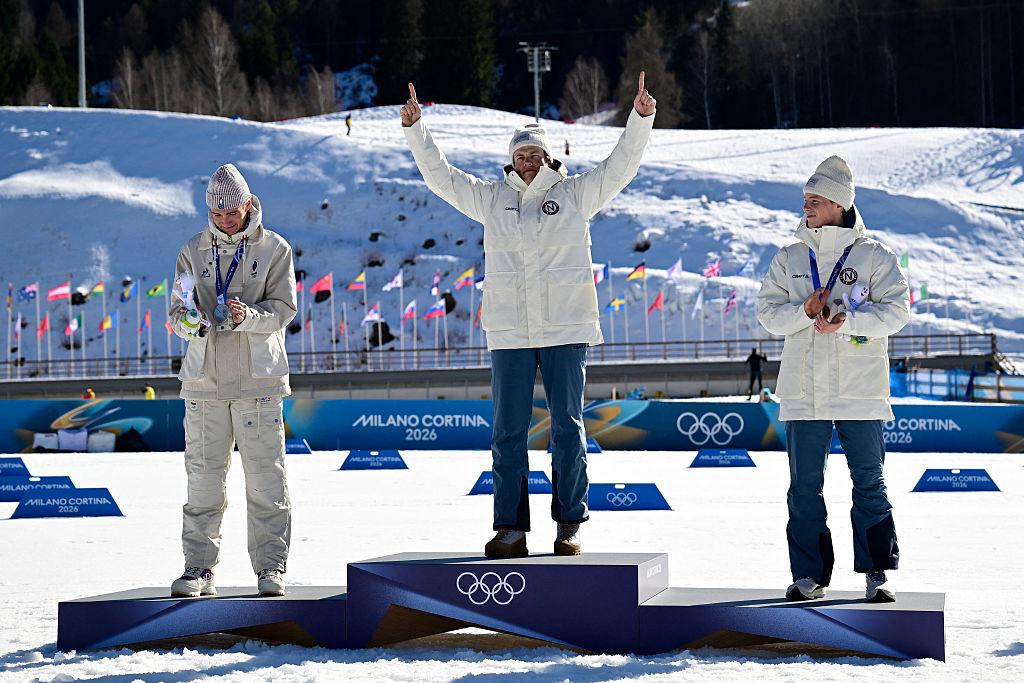
Norway’s Tradition of Alpine Excellence
Norway’s prominence in cross country skiing stretches across decades of Winter Olympic history. From early twentieth century pioneers to modern sprint specialists, Norwegian athletes have consistently shaped competitive standards.
The Johannes Klaebo gold medal reinforces this tradition. National development systems emphasize endurance training, technical refinement, and resilience under pressure. Yet Klaebo’s execution in Milan demonstrated individual brilliance within that framework.
Team officials described the victory as the culmination of long term collaboration between athlete, coaching staff, and support personnel. Equipment technicians, physiologists, and strategists all contributed to optimizing performance conditions.
Environmental Factors and Technical Adjustments
Milan’s alpine setting presented variable snow conditions influenced by temperature shifts throughout race day. Ski technicians adjusted wax combinations to ensure optimal glide during acceleration phases.
Wind direction across open segments required strategic drafting behind rivals before launching the final attack. The Johannes Klaebo gold medal performance showcased adaptability to these dynamic conditions.
Biomechanical analysts later highlighted his cornering precision and double poling efficiency as decisive advantages. Small technical gains accumulated into a measurable performance edge.
Competitive Field and Global Pressure
The 2026 field featured reigning world champions and rising sprint talents. Pre race analysis predicted narrow margins, with several athletes capable of podium finishes.
Klaebo entered as a favorite but faced heightened expectations. Maintaining composure amid global scrutiny proved critical. Observers noted calm body language at the start gate, signaling confidence rather than tension.
A former Olympic champion providing commentary stated,
“Champions separate themselves in the final 200 meters. Today, he demonstrated exactly why he is among the elite.”
Such assessments underscored the magnitude of the Johannes Klaebo gold medal achievement within an exceptionally competitive environment.
Performance Metrics and Statistical Impact
Data released following the race confirmed consistent heart rate control during early laps, allowing for peak output in the closing stretch. Split time comparisons with previous Olympic cycles reveal sustained high level conditioning.
The Johannes Klaebo gold medal adds to his expanding medal collection, placing him among the most decorated athletes of his generation. Statistical projections suggest continued opportunities for historic milestones should his performance trajectory persist.
Beyond medal counts, analysts emphasize influence on tactical evolution within sprint racing, where pacing strategy increasingly determines outcomes.
HISTORY OF CROSS COUNTRY SKIING AT THE WINTER OLYMPICS
Cross country skiing has been a cornerstone of the Winter Olympic program since the inaugural Games in 1924. Scandinavian nations established early dominance, shaping training methodologies and equipment innovation.
Over time, technological progress introduced lighter skis, aerodynamic apparel, and data driven performance analytics. Yet endurance capacity and mental discipline remain central to success.
The Johannes Klaebo gold medal in Milan 2026 reflects continuity within this historical arc. Modern preparation integrates scientific insight while preserving foundational endurance principles established decades ago.
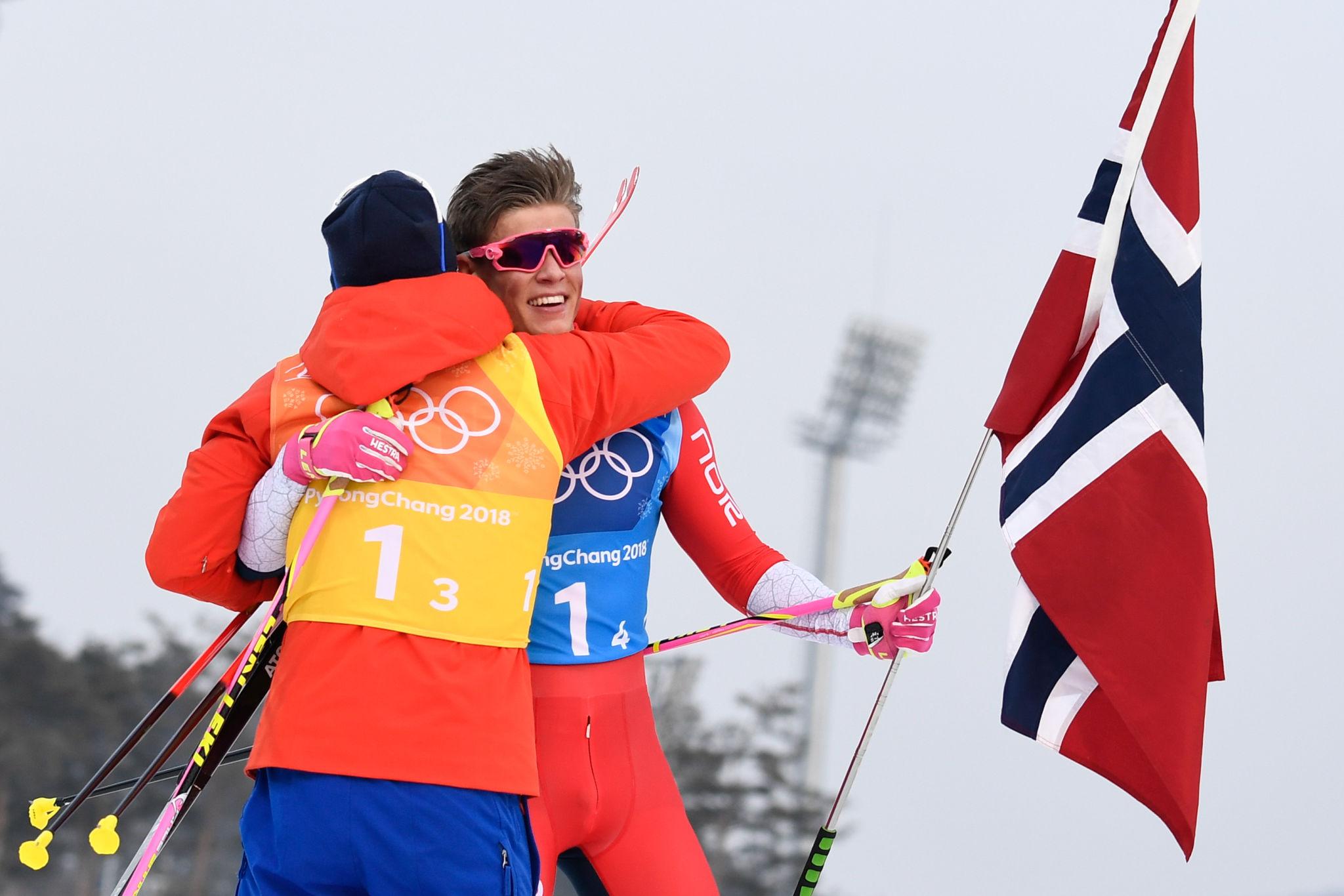
Cultural Significance Beyond Competition
In Norway, cross country skiing represents more than athletic achievement; it embodies cultural identity tied to winter landscapes. Public celebrations following the Milan victory highlighted this connection.
Youth academies anticipate increased enrollment inspired by the triumph. Sports economists suggest the Johannes Klaebo gold medal may boost winter tourism and sponsorship engagement.
International audiences also benefited, as television viewership expanded across multiple continents during the sprint final.
Training Foundations Behind Olympic Success
Preparation cycles leading to Milan 2026 involved altitude training camps, interval sprint sessions, and recovery optimization protocols. Sports science teams monitored physiological markers to maintain peak conditioning.
Nutrition strategies balanced endurance demands with rapid recovery requirements. Mental rehearsal techniques reinforced race strategy under simulated pressure.
The Johannes Klaebo gold medal illustrates how integrated preparation systems translate into measurable competitive advantage.
Future Outlook in Elite Competition
With Milan 2026 concluded, attention turns to upcoming World Cup events and world championships. Analysts debate whether Klaebo can sustain peak form across future Olympic cycles.
His technical efficiency and disciplined recovery habits suggest durability within the physically demanding sprint discipline. Continued adaptation to evolving competition will determine long term legacy outcomes.
For now, the Johannes Klaebo gold medal stands as the defining highlight of this Olympic chapter.
A Golden Chapter in Modern Winter Sport
The Johannes Klaebo gold medal victory in Milan 2026 encapsulates precision, resilience, and strategic execution. From early pacing to decisive acceleration, the performance embodied championship racing at its highest standard.
Under February skies in Italy, before a worldwide audience, Klaebo translated preparation into perfection. The achievement will remain etched in Olympic history, reinforcing both individual excellence and Norway’s enduring alpine tradition.
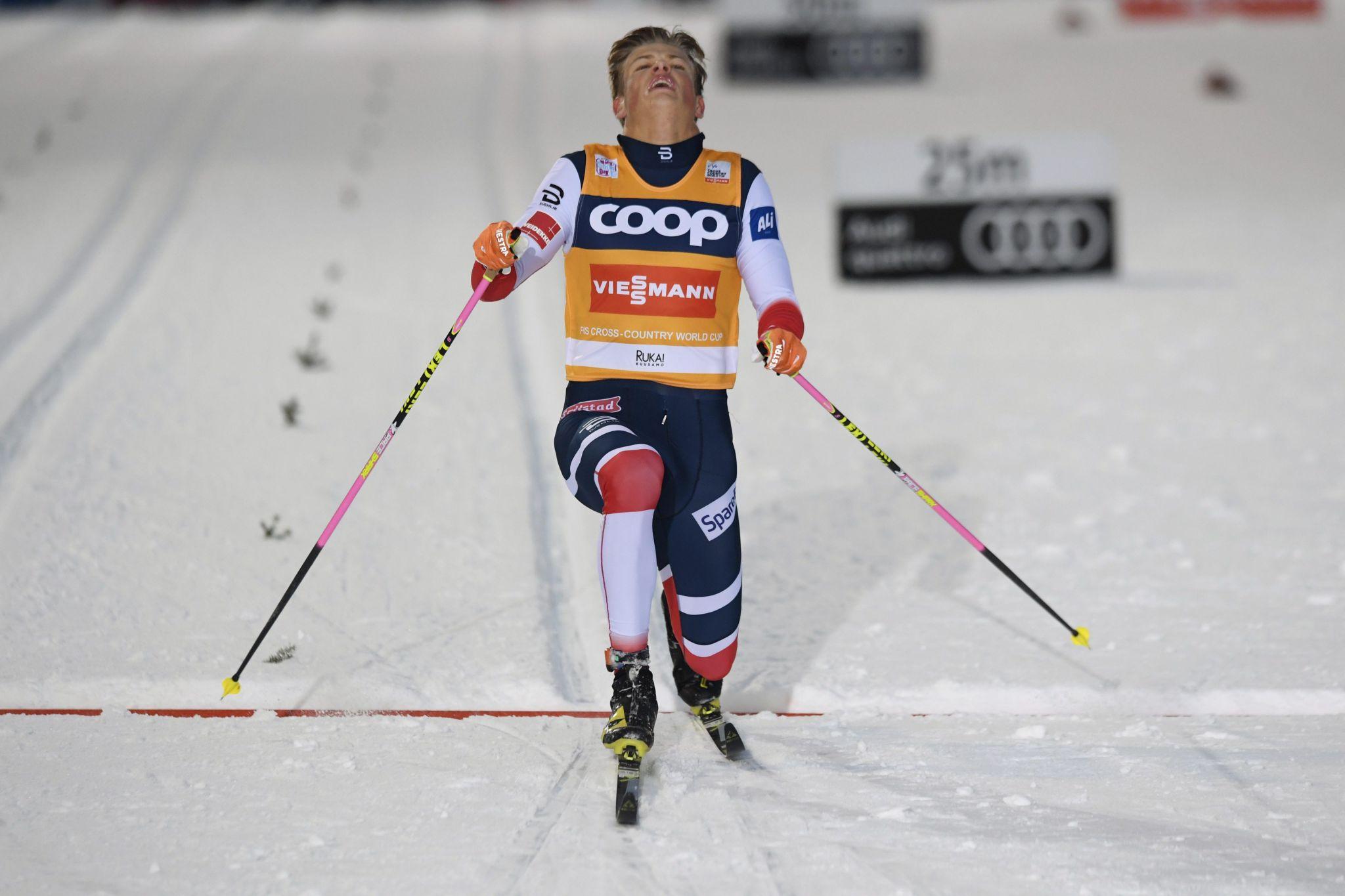
Legacy Etched in Olympic Snow
The Milan 2026 triumph ensures this moment will stand as one of the defining highlights of the Winter Games era. With composure, discipline, and precise execution, Klaebo transformed preparation into championship reality.
The performance demonstrated how modern training science and traditional endurance values can converge on the Olympic stage. For Norway, the victory strengthens a proud sporting identity rooted in alpine excellence.
For global audiences, it reaffirmed why cross country skiing remains one of the purest tests of stamina and strategy. The impact of this achievement will continue shaping conversations about greatness in winter sport for years to come.