
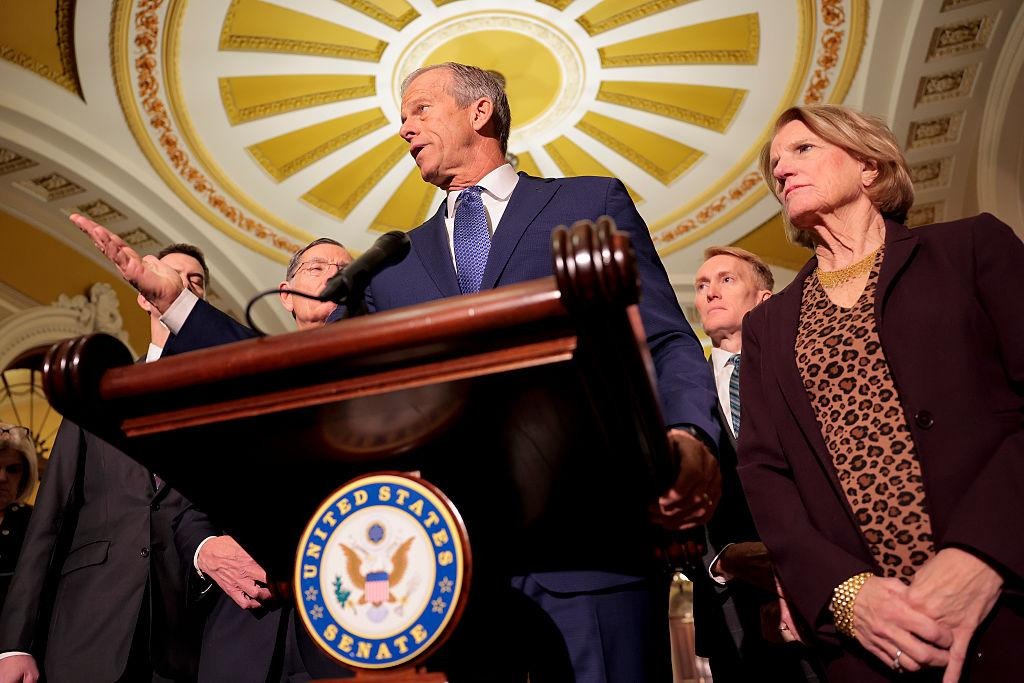
Washington, February 12, 2026 — Brussels Morning Newspaper — A sharp escalation in the Washington budget deadlock has pushed federal funding negotiations to the brink, increasing concerns about a potential partial government shutdown. Lawmakers in the United States Senate failed to advance a key appropriations package this week, exposing widening divisions over immigration policy, federal spending priorities, and national security allocations.
The standoff underscores broader fiscal tensions as Congress struggles to finalize spending agreements before statutory deadlines expire.
The latest Senate vote failed to secure sufficient bipartisan support, halting progress on funding legislation tied to the Department of Homeland Security and other federal agencies. While temporary funding measures remain possible, lawmakers remain divided over policy amendments attached to the spending bill.
The Washington budget deadlock has become the focal point of negotiations, with senators debating whether policy changes should be linked directly to annual appropriations. Some lawmakers argue the funding bill must include stronger enforcement provisions, while others insist that broader reforms should be debated separately.
Without resolution, agencies face uncertainty over long term operational planning.
What Is at Stake for Federal Agencies
Federal funding bills are not simply accounting documents. They determine the operational capacity of agencies responsible for border enforcement, cybersecurity, disaster response, and transportation security.
If the Washington budget deadlock persists, agencies may be forced to rely on short term continuing resolutions. Essential services such as airport security screening and emergency management would likely continue, but nonessential programs could face delays or temporary suspension.
Federal employees and contractors are closely watching developments. In previous shutdown scenarios, thousands of workers were furloughed, while others continued working without immediate compensation.
Immigration policy remains central to the disagreement. Several senators sought to link funding approval to stricter border enforcement measures. Others opposed attaching policy changes to essential funding, arguing that national security operations should not be leveraged for political negotiations.
The Washington budget deadlock reflects deeper ideological divisions over immigration reform and enforcement priorities. As debate intensified, neither side appeared willing to compromise quickly.
The issue has drawn national attention, particularly in border states where funding stability is essential for operational readiness.
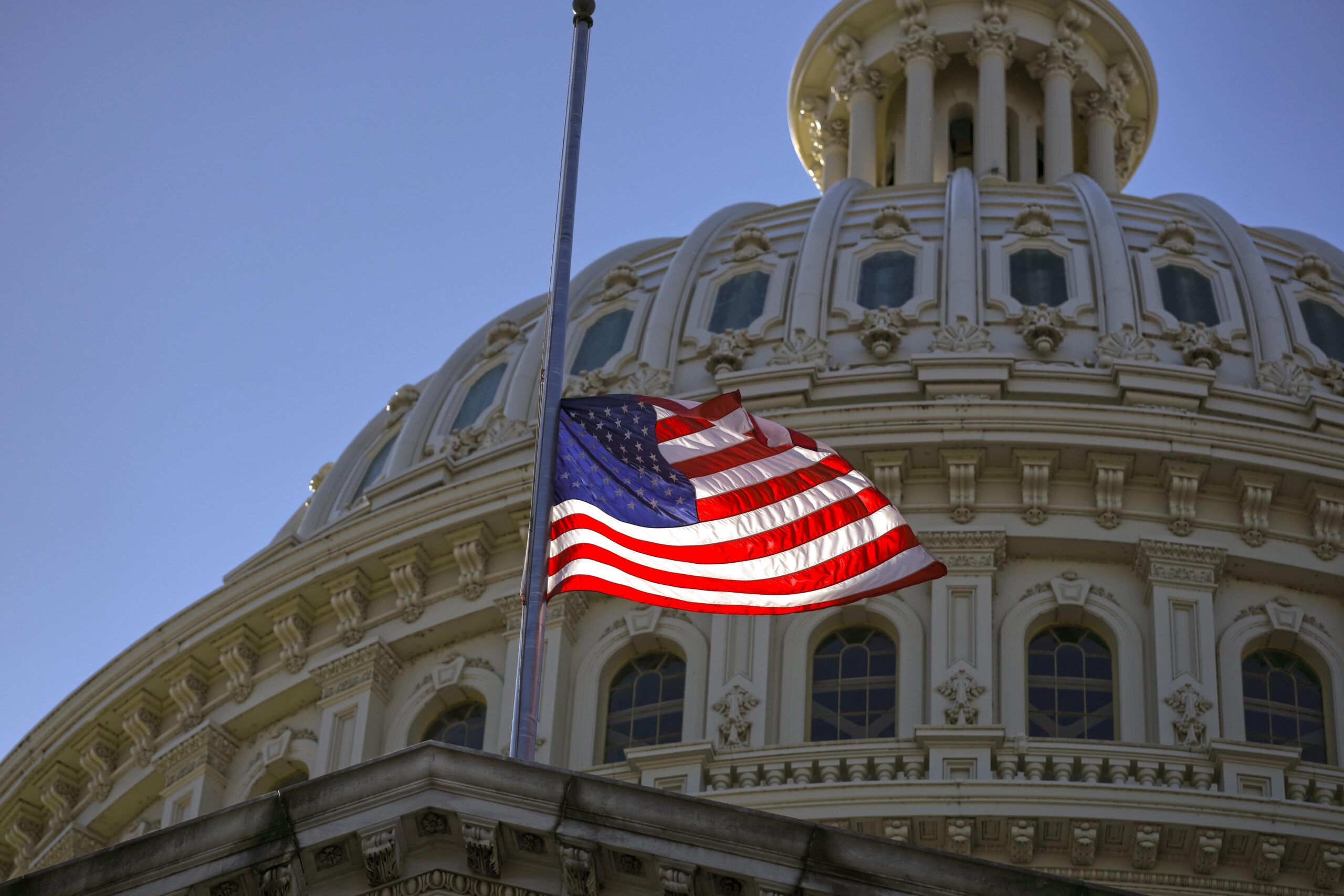
Shutdown Risk and Economic Impact
Financial markets often respond cautiously when budget negotiations stall. The Washington budget deadlock has already sparked concerns among investors who monitor federal spending stability as a signal of economic confidence.
Historically, short term shutdown threats have limited long term impact, but prolonged disruptions can reduce consumer sentiment and delay government contracts. Infrastructure planning and disaster preparedness initiatives may also be affected.
Economic analysts emphasize that uncertainty itself can be disruptive, even before any formal shutdown occurs.
As the Washington budget deadlock unfolds, political stakes are increasing ahead of upcoming legislative deadlines and campaign activity. Budget debates frequently serve as leverage points in broader policy disputes.
Public opinion remains divided. Some voters support using spending negotiations to push for reform, while others prioritize maintaining uninterrupted government operations.
One senior senator remarked, “We cannot compromise the security and stability of our institutions through prolonged fiscal brinkmanship.” The statement captures the urgency expressed by lawmakers urging swift resolution.
Senate Majority Leader Chuck Schumer said
“lawmakers must work urgently to avoid unnecessary disruption to national security operations.”
Temporary Funding Measures Under Consideration
Congressional leaders are exploring a continuing resolution to maintain current funding levels while negotiations continue. Such measures have been used repeatedly in recent years to avoid immediate shutdowns.
However, reliance on short term extensions can complicate agency planning. The Washington budget deadlock has highlighted structural challenges within the federal budgeting process, where recurring disagreements lead to temporary stopgap solutions rather than comprehensive agreements.
Lawmakers from both parties acknowledge the need for long term fiscal stability, though agreement on specific policy terms remains elusive.
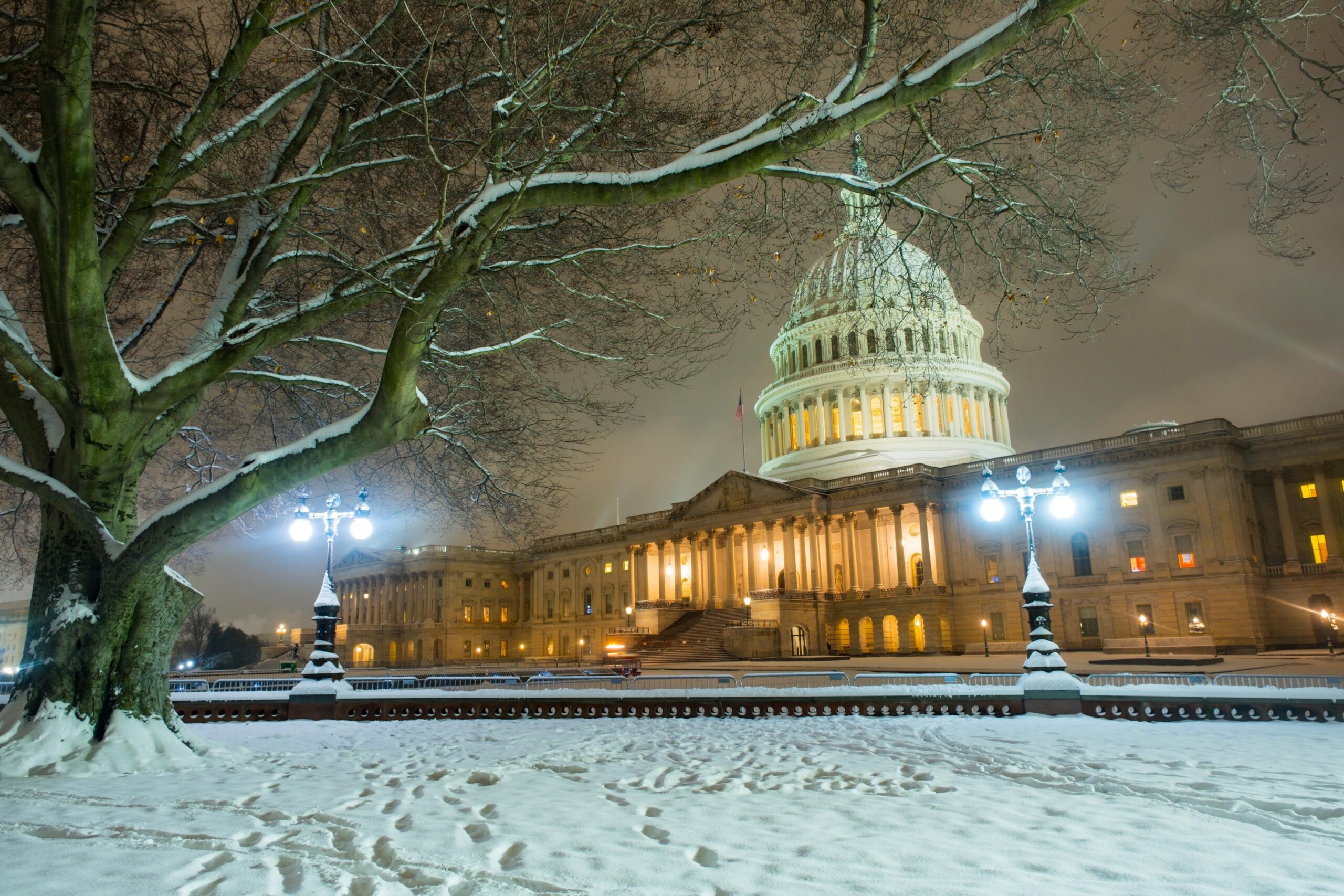
National Security Implications
National security experts stress that predictable funding is critical for strategic planning. Border operations, cybersecurity defense, and counterterrorism programs require sustained financial resources.
If the Washington budget deadlock continues, agencies may redirect attention toward contingency planning rather than proactive initiatives. This shift could slow modernization efforts and delay long term investments in technology and infrastructure.
Defense and homeland security analysts note that global geopolitical tensions make funding stability even more important in 2026.
Public Reaction and Institutional Trust
Public trust in government institutions often fluctuates during fiscal disputes. Surveys show that Americans broadly support responsible budgeting but express frustration with repeated funding standoffs.
The Washington budget deadlock has reignited debate over whether the current appropriations system encourages brinkmanship rather than collaboration. Critics argue that recurring funding crises undermine confidence in Washington’s governance capabilities.
Meanwhile, federal workers and contractors face uncertainty regarding job stability and compensation timelines.
What Happens Next in Congress
Negotiations are expected to intensify in the coming days. Congressional leadership must determine whether compromise is possible before statutory funding deadlines expire.
If lawmakers reach agreement, the legislation could move swiftly through procedural votes. If talks collapse, temporary shutdown procedures may be triggered for affected agencies.
The Washington budget deadlock remains fluid, with shifting political calculations influencing each vote.
A Structural Challenge Beyond 2026
The current standoff illustrates a recurring pattern in federal fiscal politics. Annual appropriations bills increasingly become vehicles for broader policy disputes, complicating straightforward funding approvals.
While immediate headlines focus on shutdown risk, the deeper issue concerns reforming the appropriations process itself. Experts suggest that long term budgeting reforms could reduce repeated crises.
For now, attention remains fixed on Capitol Hill. Whether compromise emerges will shape not only the immediate fiscal outlook but also broader perceptions of governmental stability.
When Governance Meets Gridlock
The Washington budget deadlock represents more than a temporary legislative dispute. It symbolizes the growing tension between policy ambition and procedural necessity within the federal system.
In 2026, with economic stability and national security in focus, lawmakers face mounting pressure to balance ideological priorities with operational continuity. As deadlines approach, the outcome will determine whether this episode becomes another short term disruption or a defining fiscal moment in modern congressional history.