
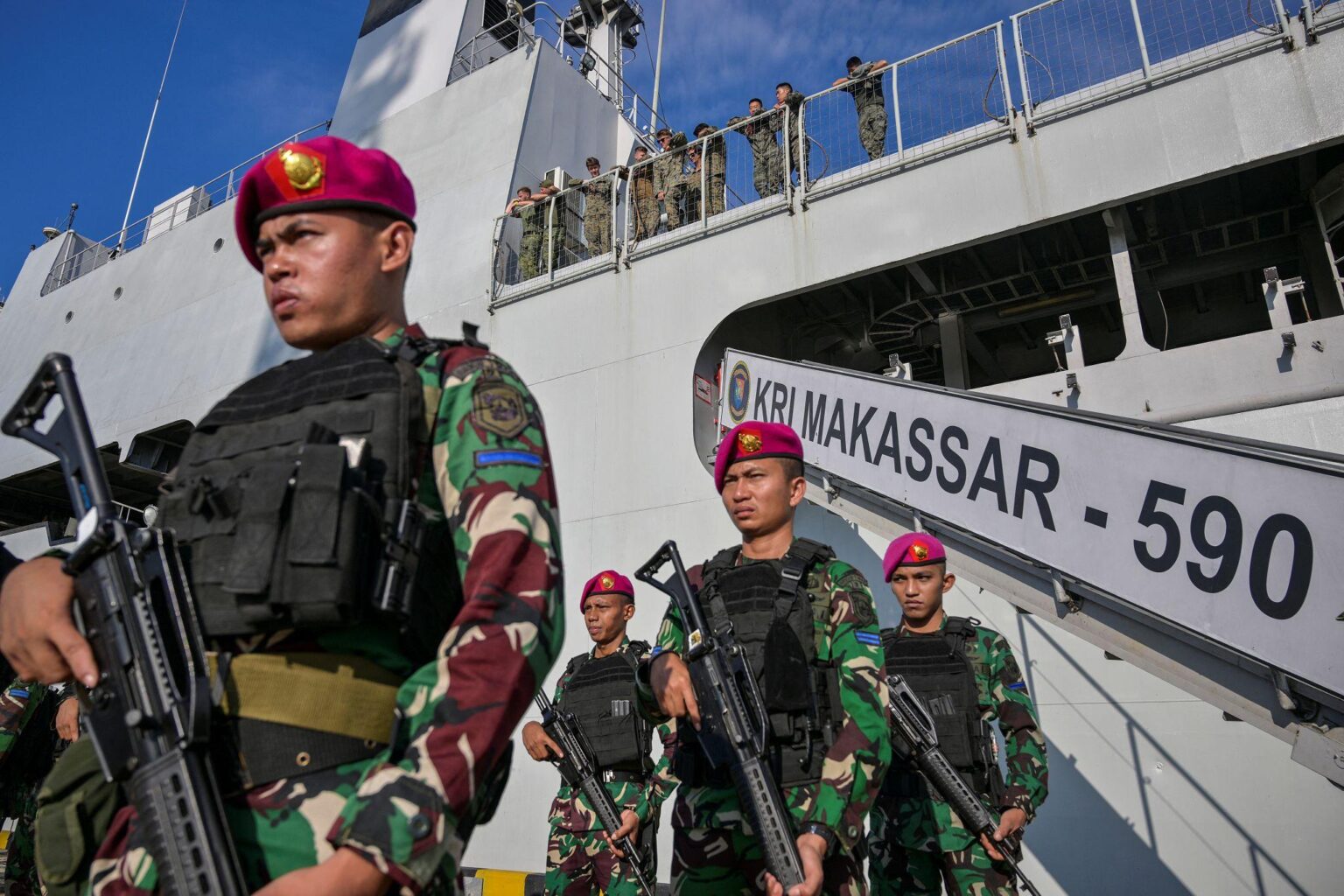
United States, February 10, 2026 — Indonesia Gaza troops have become a subject of international diplomatic discussion as Indonesia considers a possible role in a multinational framework linked to humanitarian stabilization efforts in Gaza, according to Brussels Morning Newspaper. The proposal, discussed throughout early 2026, has drawn attention in Washington as policymakers and regional actors assess security, legal, and humanitarian implications.
Diplomatic Momentum Builds Around Multinational Presence
The idea involving Indonesia Gaza troops has gained momentum amid ongoing diplomatic exchanges between Indonesia, the United States, and other international stakeholders. While no formal deployment decision has been announced, discussions have centered on whether a multinational presence could help stabilize conditions and support humanitarian operations in Gaza.
Officials familiar with the talks say the focus remains on coordination and feasibility rather than immediate action. Any potential contribution by Indonesia would be framed within an international mandate and subject to domestic approval processes.
Jakarta’s Position on Overseas Military Engagement
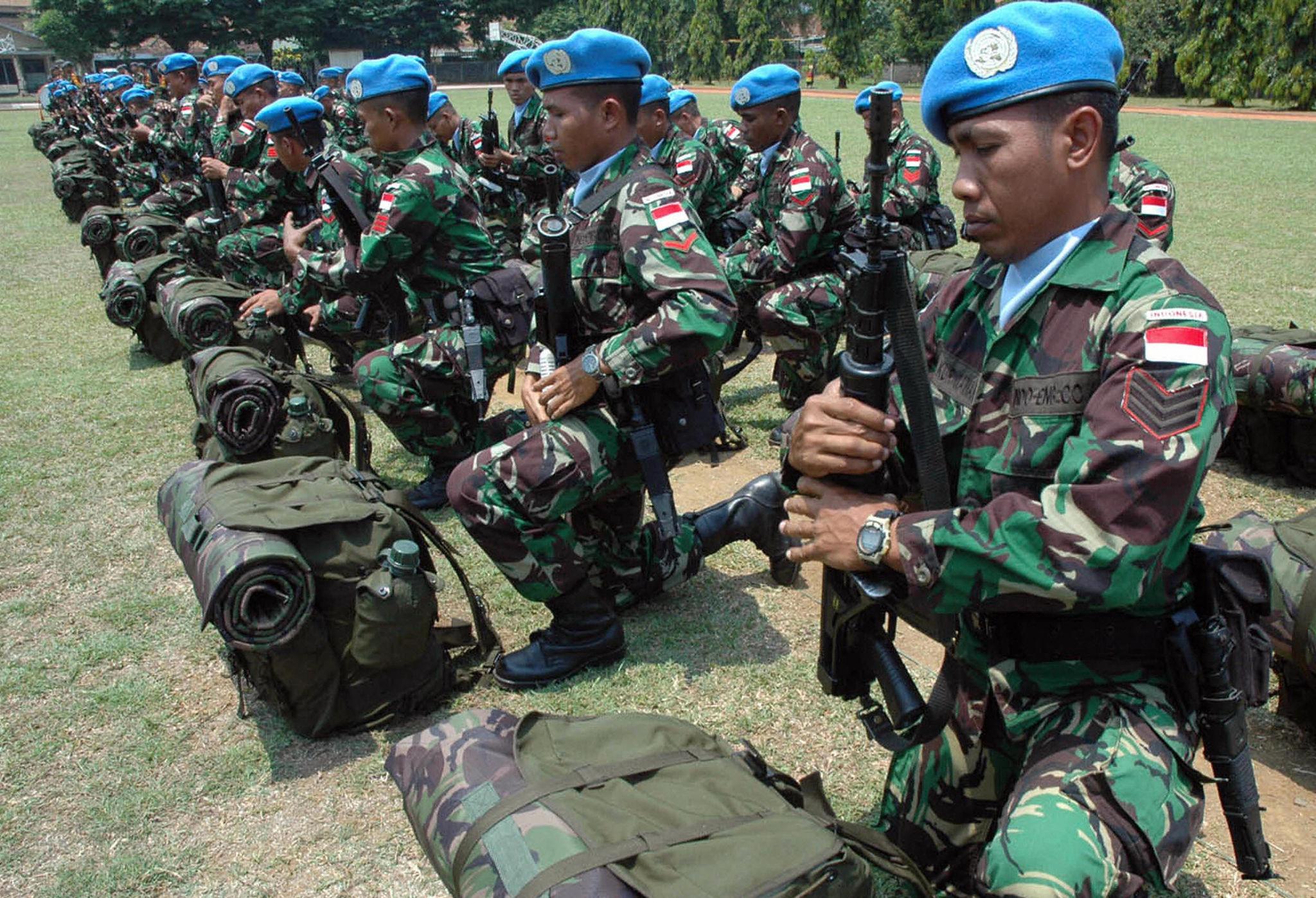
Indonesian officials have emphasized that the country’s foreign policy is rooted in non-alignment and multilateral cooperation. Within this framework, Indonesia Gaza troops are being discussed as a possible contribution to international peace efforts rather than a unilateral military move.
Indonesia’s defense establishment has highlighted its experience in peacekeeping, disaster response, and humanitarian assistance, noting that these capabilities align with the objectives being considered for Gaza.
United States as a Diplomatic Hub
Consultations related to Indonesia Gaza troops have taken place in the United States, where diplomatic channels remain central to shaping any international initiative. Analysts say Washington’s role is primarily focused on coordination among partners rather than operational planning.
The United States has historically played a convening role in multinational security discussions, and observers note that Indonesia’s participation would add credibility given its standing among developing and Muslim-majority nations.
Humanitarian Objectives Take Priority
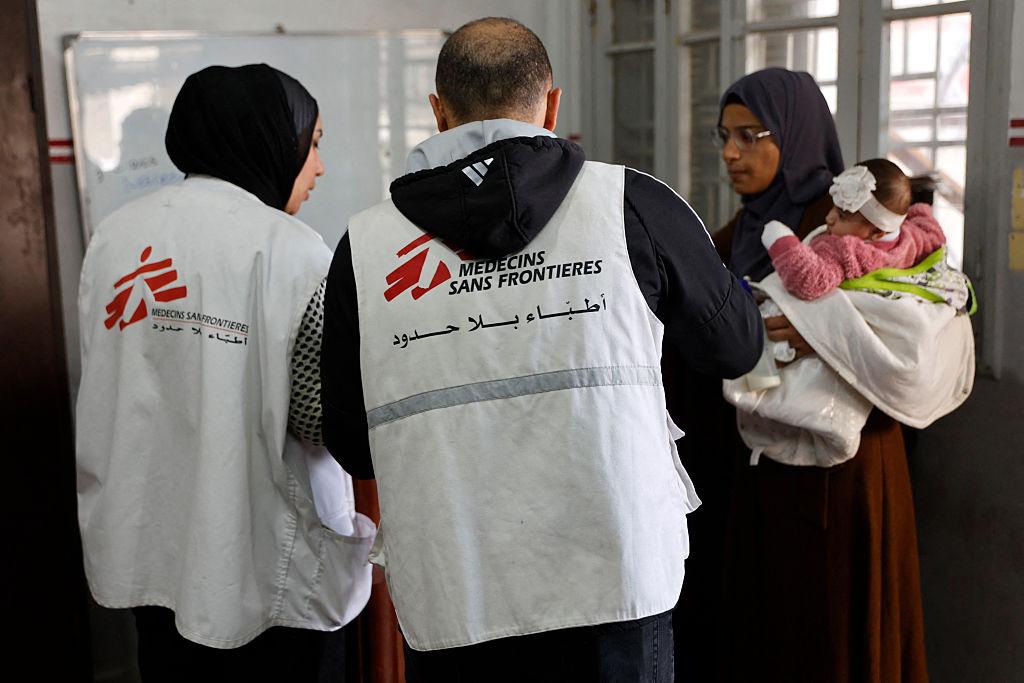
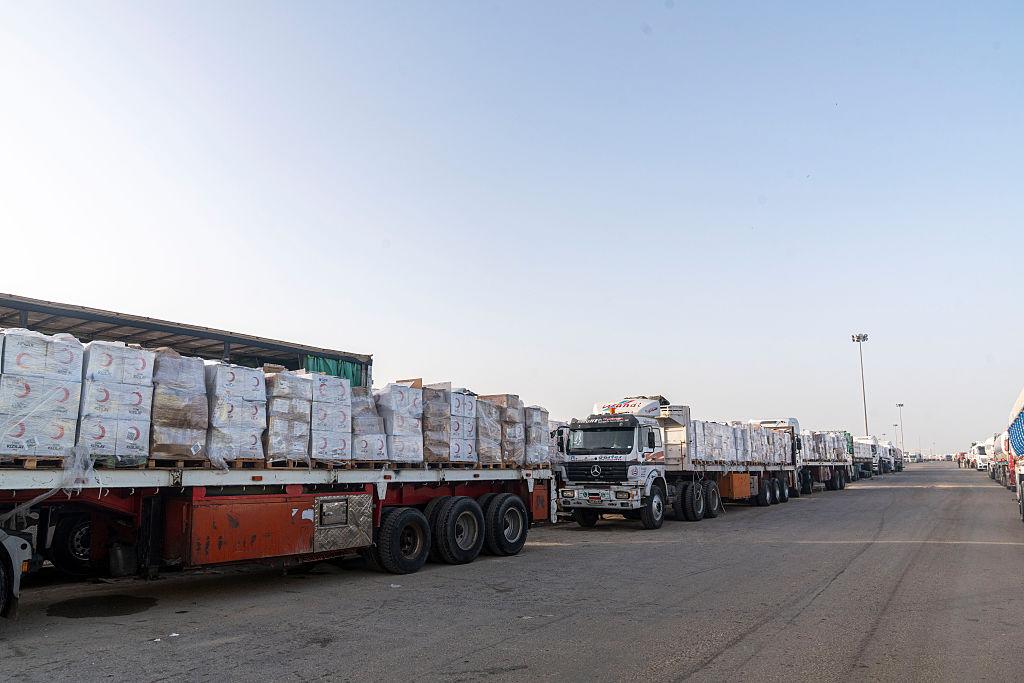
Indonesian policymakers stress that the rationale behind Indonesia Gaza troops is humanitarian in nature. Proposed responsibilities discussed by observers include securing aid delivery routes, assisting medical teams, and supporting reconstruction planning in post-conflict conditions.
Such roles would avoid direct combat and focus instead on civilian protection and logistical support, areas where Indonesia’s armed forces have established expertise.
Domestic Debate Inside Indonesia
The possibility of deploying Indonesia Gaza troops has generated discussion within Indonesia’s political and public spheres. Supporters argue that involvement would reflect Indonesia’s constitutional commitment to global peace and humanitarian values.
Critics, however, have urged caution, pointing to the risks associated with operating in a volatile environment and the financial costs of a sustained overseas presence. Parliamentary oversight has been identified as a necessary step before any formal commitment.
Regional Implications and International Reaction
Regional analysts suggest Indonesia Gaza troops could influence broader diplomatic dynamics if the proposal advances. Indonesia’s reputation as a neutral actor has led some observers to view its potential involvement as a stabilizing factor.
International organizations are closely monitoring the discussions, particularly regarding how any deployment would interact with existing humanitarian operations and ceasefire arrangements.
Legal and Operational Considerations
Any deployment involving Indonesia Gaza troops would require clear legal frameworks, including rules of engagement, command structures, and accountability mechanisms. Legal experts note that Indonesia typically insists on explicit international authorization before committing forces abroad.
Defense officials have also underscored the importance of logistical preparedness, including training for urban peacekeeping environments and coordination with international agencies.
Diplomatic View on Ongoing Discussions
A senior Indonesian official familiar with the discussions said,
“Indonesia will only consider participation that aligns with humanitarian principles and international law.”
From Regional Contributor to Global Participant
Indonesia has a long history of contributing to international peacekeeping missions, beginning in the mid-20th century. Indonesian personnel have served in missions across the Middle East, Africa, and Southeast Asia under United Nations mandates.
The current discussion around Indonesia Gaza troops reflects this legacy while highlighting the evolving scale and complexity of modern peace operations. Analysts say Indonesia’s experience has shaped its cautious, consultative approach to overseas deployments.
Humanitarian Law and Civilian Protection
Humanitarian law specialists note that missions involving Indonesia Gaza troops would require strict adherence to international standards governing civilian protection. Observers emphasize the importance of neutrality, proportionality, and transparency in any such deployment.
International humanitarian agencies have repeatedly stressed the need for coordination between military and civilian actors to avoid disruption of aid delivery.
Policy Analysts Offer Additional Perspective
An international security analyst based in Washington said,
“Indonesia’s involvement would be significant because it brings credibility without the perception of geopolitical dominance.”
Status of Discussions in 2026
As of early 2026, the question of Indonesia Gaza troops remains under discussion. Indonesian authorities continue to consult with international partners while conducting internal assessments related to legal authority, public support, and operational readiness.
No timeline has been announced, and officials caution that diplomatic processes of this nature often evolve gradually.
Broader Implications for Multilateral Cooperation
The debate surrounding Indonesia Gaza troops illustrates the challenges of assembling multinational responses to prolonged conflicts. Success depends not only on military capability but also on diplomatic trust, legal clarity, and sustained political will.
Observers say the outcome of these discussions could shape future approaches to humanitarian stabilization missions beyond Gaza.
Where Global Diplomacy and Humanitarian Strategy Intersect
Where global diplomacy and humanitarian strategy intersect, military planning extends beyond security to include civilian protection and aid coordination. Governments must balance political interests with international legal obligations and humanitarian principles.
Multinational discussions increasingly emphasize cooperation to ensure access for relief agencies and the safety of affected populations. Decisions taken in diplomatic forums often shape conditions on the ground long before any deployment occurs.
These intersections highlight how humanitarian goals and geopolitical realities are closely linked in modern conflict response.
How Multinational Decisions Shape Future Crisis Responses
Multinational decisions taken during active conflicts often influence how future humanitarian crises are managed. Agreements on coordination, legal authority, and responsibility can set precedents for international response frameworks. Governments increasingly look to collaborative models to address complex emergencies that cross borders.
The effectiveness of such decisions depends on clarity, accountability, and sustained diplomatic engagement. Outcomes in current discussions may inform how similar crises are approached in the years ahead.