

United States, February 7, 2026 — Brussels Morning Newspaper highlights a major shift in healthcare marketing as weight loss drugs make their debut on the Super Bowl advertising stage, placing pharmaceutical messaging alongside some of the world’s most recognizable consumer brands. The move reflects how treatments once discussed primarily in clinical settings have entered mainstream public conversation during the most watched television broadcast of the year.
The decision underscores a transformation in how medical treatments are presented to mass audiences, with companies seeking to shape perception far beyond traditional healthcare channels.
A Landmark Moment for Health Industry Marketing
For decades, Super Bowl commercials have been dominated by automobiles, beverages, and technology companies. The appearance of pharmaceutical advertising during the broadcast signals a turning point in marketing strategy. The presence of weight loss drugs during the event demonstrates how rapidly the category has expanded from specialized medical use into mainstream awareness.
Marketing analysts say the Super Bowl offers unparalleled reach, credibility, and cultural relevance, making it a powerful platform for shaping consumer attitudes around health.

Growing Consumer Awareness Drives Visibility
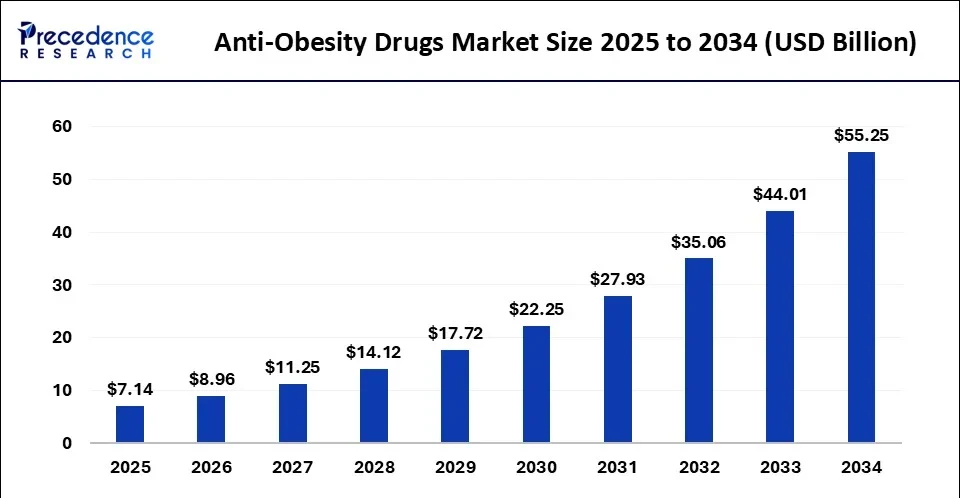
Rising public interest in medical approaches to weight management has fueled the push toward high-profile advertising. Prescription demand has climbed sharply in recent years, turning weight loss drugs into one of the fastest-growing segments in the pharmaceutical market.
This growth has encouraged companies to invest heavily in brand recognition, especially as multiple treatments compete for attention in a crowded marketplace.
Messaging Designed for a Broad Audience
Super Bowl advertising emphasizes emotional connection and storytelling. Campaigns featuring weight loss drugs focus on improved quality of life, confidence, and long-term health rather than clinical terminology. The goal is to resonate with viewers who may not yet see themselves as patients.
Healthcare communication experts note that this strategy aims to normalize medical weight management and reduce stigma associated with seeking treatment.
High Costs Signal Industry Confidence
Super Bowl advertisements represent some of the most expensive airtime available. The decision to allocate such budgets reflects confidence in the long-term commercial viability of weight loss drugs. Companies view the investment as a statement of market leadership and durability.
The financial commitment also signals expectations that consumer demand will continue to rise well beyond the current year.
Regulatory Oversight Shapes Advertising Content
Despite the prominence of Super Bowl placement, pharmaceutical advertising remains tightly regulated. Commercials for weight loss drugs must include clear disclosures about risks and side effects, even within the limited time constraints of a televised spot.
Regulators continue to evaluate whether mass-market advertising strikes an appropriate balance between promotion and public health responsibility.
Changing Cultural Attitudes Toward Treatment
The Super Bowl debut of weight loss drugs reflects broader cultural shifts in how weight management is discussed. Increasingly, excess weight is framed as a medical condition influenced by biology, environment, and genetics rather than solely lifestyle choices.
This reframing has generated debate about access, affordability, and long-term treatment strategies, particularly as visibility increases.
Impact on Patient Behavior and Healthcare Demand
Healthcare providers anticipate a surge in patient inquiries following Super Bowl exposure. Historically, high-profile advertising leads to increased appointments, and weight loss drugs are expected to follow the same pattern.
Medical professionals emphasize that treatment decisions should be guided by clinical evaluation rather than advertising alone.
“This level of exposure brings more conversations into doctors’ offices, which can be positive if handled responsibly,”
said a healthcare policy analyst.
Competition Intensifies Across the Market
As more pharmaceutical companies enter the space, competition among weight loss drugs is intensifying. Super Bowl advertising allows brands to establish early recognition and trust in a highly competitive environment.
Industry observers expect marketing spending to remain elevated as companies battle for visibility in a rapidly evolving category.
Economic Implications Beyond Advertising
The commercial success of weight loss drugs extends beyond television campaigns. Their growth influences insurance coverage decisions, employer-sponsored health plans, and pharmaceutical investment strategies.
Market analysts view Super Bowl advertising as a signal of long-term confidence in the category’s revenue potential.
From Niche Treatment to Mainstream Awareness
Medical approaches to weight management have evolved significantly over the past several decades. Early treatments faced skepticism and limited adoption. Advances in research, improved outcomes, and broader public discussion gradually reshaped perception.
The arrival of weight loss drugs in mainstream advertising represents the culmination of this evolution, marking a shift from niche treatment to cultural visibility rarely seen in healthcare.
Public Debate Over Medicalization and Messaging
High-profile advertising has reignited debate about how weight management should be addressed. Critics argue that promotion risks oversimplifying complex health issues, while supporters say visibility encourages people to seek professional care.
“The conversation has changed, and that has real implications for public health,”
said a public health researcher observing the trend.
Media Strategy Extends Beyond the Super Bowl
Following the broadcast, companies are expected to amplify campaigns across digital platforms, streaming services, and social media. The success of weight loss drugs advertising during the Super Bowl will likely influence future healthcare marketing strategies.
Executives are closely monitoring audience response to determine how messaging resonates beyond the initial airing.
Ethical Questions and Industry Responsibility
The blending of entertainment and medical messaging raises ethical considerations. Advertisers must ensure that enthusiasm does not overshadow the importance of medical guidance, especially as weight loss drugs reach audiences far beyond traditional patient populations.
Industry groups emphasize the need for responsible communication as visibility grows.
Global Attention on U.S. Advertising Trends
The Super Bowl’s global audience means these campaigns extend influence beyond the United States. International observers are watching how weight loss drugs are positioned, as similar marketing approaches could emerge in other regions where regulations allow.
The event highlights how American advertising trends often shape global conversations.
Long-Term Influence on Healthcare Marketing
The integration of pharmaceutical messaging into major cultural events may redefine healthcare advertising norms. The success of weight loss drugs in this arena could open doors for other treatment categories to follow.
Marketing strategists believe this moment represents a broader shift in how health information reaches the public.

A Turning Point for Public Health Dialogue
As medicine intersects with mass culture, public dialogue around treatment, prevention, and responsibility continues to evolve. The Super Bowl debut of weight loss drugs illustrates how healthcare messaging now competes alongside entertainment for public attention.
The long-term impact will depend on how responsibly the industry balances promotion with education.
When Medicine Meets Mainstream Media
The presence of weight loss drugs on the Super Bowl stage underscores a new era where medical treatments are part of mainstream storytelling. Whether this shift improves awareness or fuels controversy remains an open question.
What is clear is that healthcare advertising has entered a new phase, one defined by visibility, competition, and cultural relevance.