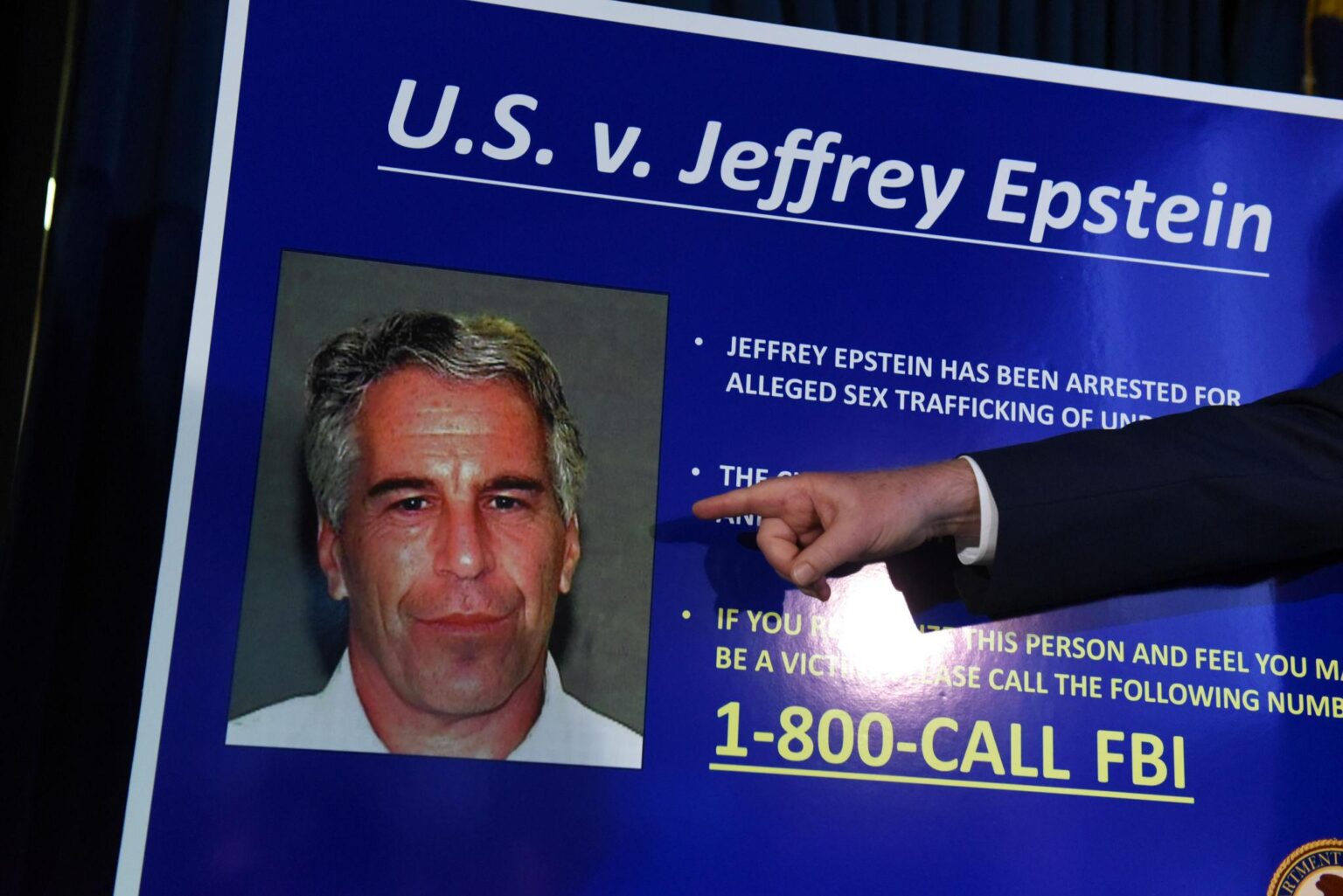
Zurich, Switzerland | February 8, 2026 — Brussels Morning Newspaper: The UBS banking scandal in 2026 has reemerged as a defining issue for European finance, drawing renewed scrutiny in Switzerland and across the European Union over historical client oversight, internal compliance systems, and broader questions of banking ethics. While the underlying events trace back several years, regulators and policymakers are now revisiting the case amid rising pressure to strengthen financial accountability and restore public confidence in global banking institutions.
Why the Case Has Regained Momentum
The renewed attention stems from regulatory reviews, legal disclosures, and parliamentary inquiries examining how financial institutions responded to high-risk clients during periods of heightened legal exposure. Analysts say the UBS banking scandal has become emblematic of deeper structural challenges facing private banking, particularly when institutions operate across multiple jurisdictions with differing enforcement standards.
Financial authorities in both Switzerland and the European Union are now reassessing whether existing frameworks were sufficient to identify and respond to reputational risk in real time.

Private Banking and the Limits of Discretion
Private banking has long relied on discretion as a core principle, offering confidentiality to high-net-worth clients while navigating complex international regulations. However, critics argue that this discretion can blur the line between client service and regulatory responsibility.
In the context of the UBS banking scandal, questions have emerged over whether internal safeguards were applied consistently when client circumstances changed rapidly due to criminal investigations elsewhere.
A senior European compliance consultant noted,
“Banks are not courts, but they are expected to react decisively when risk profiles shift overnight.”
Regulatory Standards in Switzerland and the EU
Swiss banking law imposes strict obligations on financial institutions, particularly around due diligence, source-of-funds verification, and ongoing monitoring. Similar standards exist under European Union anti-money-laundering directives, which require enhanced scrutiny for high-risk individuals.
The UBS banking scandal has prompted regulators to examine whether these measures were applied proactively or only after external pressure mounted. Officials stress that regulations are effective only when supported by strong institutional culture and accountability.
Market Confidence and Investor Concerns
While immediate market reactions have been muted, governance specialists say reputational issues often carry delayed financial consequences. Institutional investors are increasingly focused on environmental, social, and governance performance when assessing long-term risk.
The UBS banking scandal is now cited in investor briefings as a case study in how historical compliance decisions can influence present-day valuation and oversight costs.
Political Attention and Public Debate
The controversy has also entered the political arena. Members of the European Parliament and Swiss lawmakers have referenced the UBS banking scandal in debates over financial reform, calling for clearer accountability mechanisms and stronger penalties for compliance lapses.
A policy adviser commented,
“Public trust in banking depends on visible enforcement, not quiet settlements.”
Historical Background of the Banking Relationship
The financial relationship at the center of the UBS banking scandal began well before the arrest of Jeffrey Epstein in 2019. During that period, global banking regulations were evolving rapidly in response to earlier financial crises and cross-border tax enforcement efforts.
Understanding this history is essential to evaluating how risk assessment practices have changed and where gaps may still exist. What was considered acceptable under older frameworks is now judged against stricter modern expectations.

Compliance Systems Under Review
Compliance experts say the case underscores the importance of dynamic monitoring rather than static checklists. High-risk designations require continuous reassessment, especially when clients become associated with criminal proceedings or civil litigation.
The UBS banking scandal has therefore influenced how banks across Europe invest in automated monitoring tools, staff training, and internal escalation procedures.
Global Implications Beyond Switzerland
Although centered in Switzerland, the case has had ripple effects across the international financial system. Wealth management firms in London, Frankfurt, Paris, and New York have all cited the UBS banking scandal in internal reviews and regulatory consultations.
Industry groups emphasize that global coordination among regulators remains a challenge, particularly when client assets span multiple jurisdictions.
Legal Exposure and Institutional Risk
Legal analysts caution that historical compliance issues can generate prolonged exposure, including civil lawsuits, regulatory fines, and supervisory restrictions. Even in the absence of criminal findings, reputational damage can affect recruitment, partnerships, and long-term strategy.
For many institutions, the UBS banking scandal serves as a reminder that risk does not disappear when headlines fade.
Media Scrutiny and Transparency
Sustained media coverage has played a key role in keeping the issue visible. Financial journalism organizations argue that transparency is essential to ensuring accountability within complex financial systems.
The UBS banking scandal continues to be referenced in investigative reporting on private banking practices and regulatory enforcement trends.
Ethical Responsibility in Modern Banking
Beyond compliance, the case has raised broader ethical questions about how banks define responsibility. As financial institutions wield significant influence over global capital flows, public expectations around ethical conduct have intensified.
The UBS banking scandal has accelerated internal discussions within banks about aligning commercial objectives with societal values.
Reform Efforts and Policy Direction
In response to growing scrutiny, regulators are considering tighter reporting requirements, faster escalation timelines, and enhanced cross-border information sharing. Some proposals also include personal accountability measures for senior management.
Policy experts suggest that reforms influenced by the UBS banking scandal could shape European banking standards for years to come.
What the Case Signals for the Future
As the financial industry adapts to increased oversight, the lessons from this case remain central. Institutions are now expected to demonstrate not only compliance with regulations but also sound judgment in complex ethical situations.
The UBS banking scandal may ultimately be remembered less for its legal specifics and more for how it reshaped expectations of transparency and accountability in global finance.

A Moment of Reckoning for Financial Institutions
The renewed focus on this issue represents a broader reckoning for the banking sector. How institutions respond will influence their credibility in an era defined by public scrutiny and regulatory vigilance.
For regulators, investors, and the public alike, the legacy of the UBS banking scandal lies in its potential to drive meaningful change in how global finance operates.