
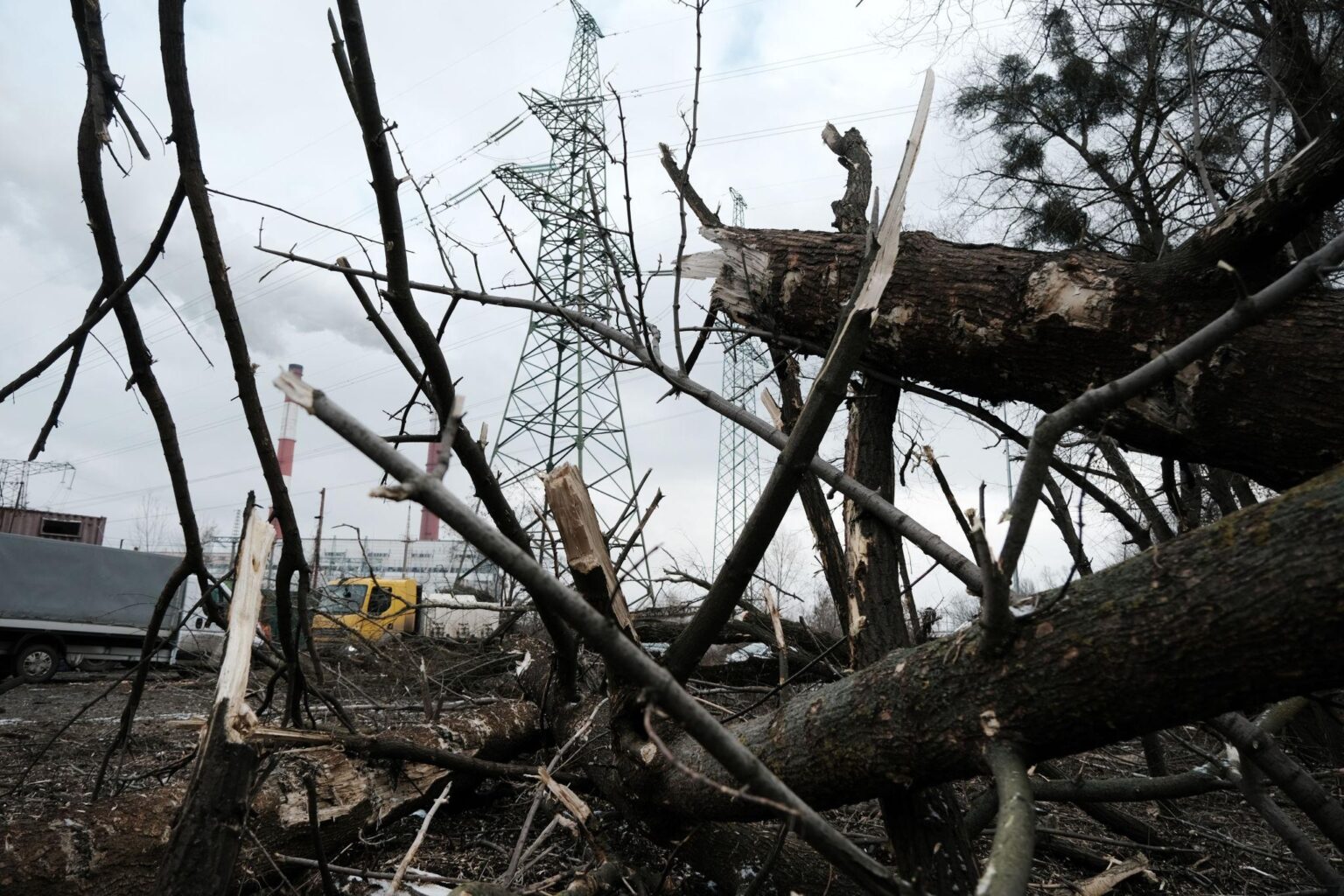
Kyiv, Ukraine, February 7, 2026 — Brussels Morning Newspaper observes that the Ukraine power grid attack carried out in the early hours of Tuesday marked one of the most extensive strikes on electricity infrastructure this year. Missiles and drones targeted high voltage substations and generation facilities near Kyiv and across central regions, triggering emergency shutdowns and widespread power disruptions. Ukrainian officials said air defenses intercepted several threats, but damage to key components of the grid could take days to repair as winter demand remains high.
Authorities confirmed that emergency energy protocols were activated within minutes of the Ukraine power grid attack, prioritizing hospitals, water facilities, and transport hubs. The strikes come amid heightened tensions and underline the growing role of energy infrastructure as a focal point in the conflict.
Overnight Strikes and Immediate Impact
Residents across Kyiv and surrounding areas were woken by air raid sirens and explosions as the assault unfolded. Energy officials said the Ukraine power grid attack involved a coordinated wave of cruise missiles and long range drones aimed at weakening electricity distribution.
Several districts experienced temporary blackouts, while rail services slowed due to unstable power supply. Mobile networks also reported intermittent disruptions. Engineers worked to reroute electricity and stabilize the system, preventing a complete collapse following the Ukraine power grid attack.

Government Response and Emergency Measures
President Volodymyr Zelenskiy addressed the nation hours after the strikes, confirming damage to multiple facilities and urging calm. He emphasized that energy workers were already restoring connections affected by the Ukraine power grid attack.
“We are dealing with calculated pressure on civilian life, but our system is holding,”
Zelenskiy said in a televised message.
The government instructed regional administrations to prepare warming centers and backup generators as a precaution against prolonged outages linked to the Ukraine power grid attack.
Why Energy Infrastructure Remains Central
Military analysts say electricity networks have become a strategic pressure point. A Ukraine power grid attack can disrupt industry, transportation, communications, and daily life without direct frontline engagement.
Energy systems are highly interconnected, meaning damage in one area can cascade across regions. This makes each Ukraine power grid attack potentially far reaching, even when physical destruction appears limited.
Civilian Life Under Energy Uncertainty
For many residents, the latest Ukraine power grid attack meant adjusting routines once again. Families relied on candles and battery powered lights, while businesses shortened operating hours.
Hospitals confirmed that backup generators functioned as intended, though officials warned that repeated strikes increase fuel consumption and maintenance demands. The psychological toll of uncertainty remains one of the most persistent consequences of each Ukraine power grid attack.
International Reaction and Diplomatic Signals
European leaders condemned the strikes, reiterating support for Ukraine’s energy resilience. The European Union said it would accelerate deliveries of transformers and grid repair equipment following the Ukraine power grid attack.
A senior EU official stated,
“Targeting electricity systems during winter deepens humanitarian risks and undermines regional stability.”
The United States echoed these concerns, noting that continued assaults on civilian infrastructure could lead to additional measures against Russia.
Russia’s Strategic Messaging
Russian officials described the strikes as part of broader military objectives, claiming that targeted facilities support logistics and defense operations. Independent analysts, however, note that the scale of the Ukraine power grid attack suggests an intent to apply sustained pressure on the civilian population.
Moscow has repeatedly denied deliberately targeting civilians, though the focus on electricity networks has intensified international scrutiny.
Energy Workers on the Front Line
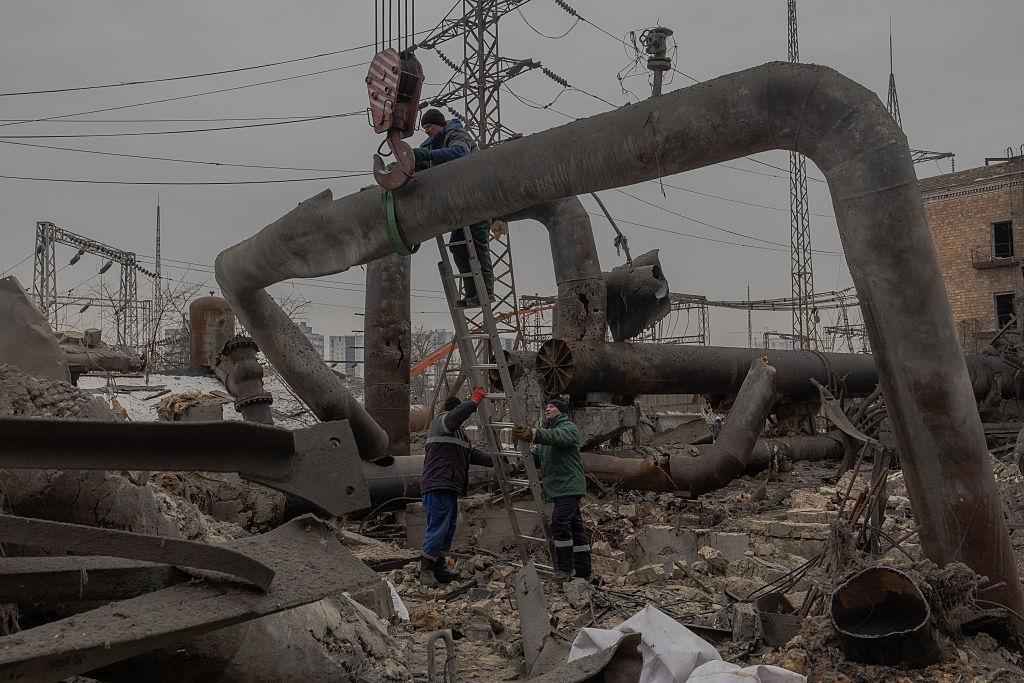
Behind the scenes, thousands of Ukrainian engineers and technicians continue to work around the clock. After the Ukraine power grid attack, rapid response teams assessed damage, replaced components, and restored control systems.
One senior energy engineer said,
“Every strike teaches us how to rebuild faster and smarter.”
His team restored partial power to several districts within hours, demonstrating the adaptability developed after repeated Ukraine power grid attack incidents.
Economic Effects and Business Disruption
Manufacturing plants in affected regions temporarily paused operations due to unstable electricity. Economists warn that frequent Ukraine power grid attack episodes could increase production costs and slow economic recovery.
Small and medium sized enterprises face particular challenges, as backup power solutions are expensive. Retailers reported lower foot traffic during outages linked to the Ukraine power grid attack, adding to financial strain.
Security Experts on Modern Warfare
Defense analysts describe energy targeting as a hallmark of modern conflict. Rather than focusing solely on territorial gains, the Ukraine power grid attack approach aims to exhaust resources and test societal resilience.
Experts note that while Ukraine’s air defenses have improved, no system can fully prevent every strike. Each Ukraine power grid attack therefore remains a test of preparedness and recovery capacity.
History of Energy Targeting in the Conflict
Since the early stages of the war, electricity infrastructure has been repeatedly hit. The first major wave of energy focused strikes occurred in 2022, setting a precedent for later campaigns. Over time, the frequency and coordination of each Ukraine power grid attack increased, prompting Ukraine to decentralize parts of its grid and seek closer integration with European energy networks.
This history shows how energy systems evolved from secondary targets into a central battlefield, shaping both military planning and civilian adaptation.
Adaptation and Grid Resilience
Ukraine’s energy strategy now emphasizes flexibility. Mobile substations, regional microgrids, and cross border power imports have reduced vulnerability. These measures limited the impact of the latest Ukraine power grid attack, preventing prolonged nationwide outages.
Officials say continued investment in resilience is essential, as energy security has become inseparable from national security.
Public Sentiment and National Resolve
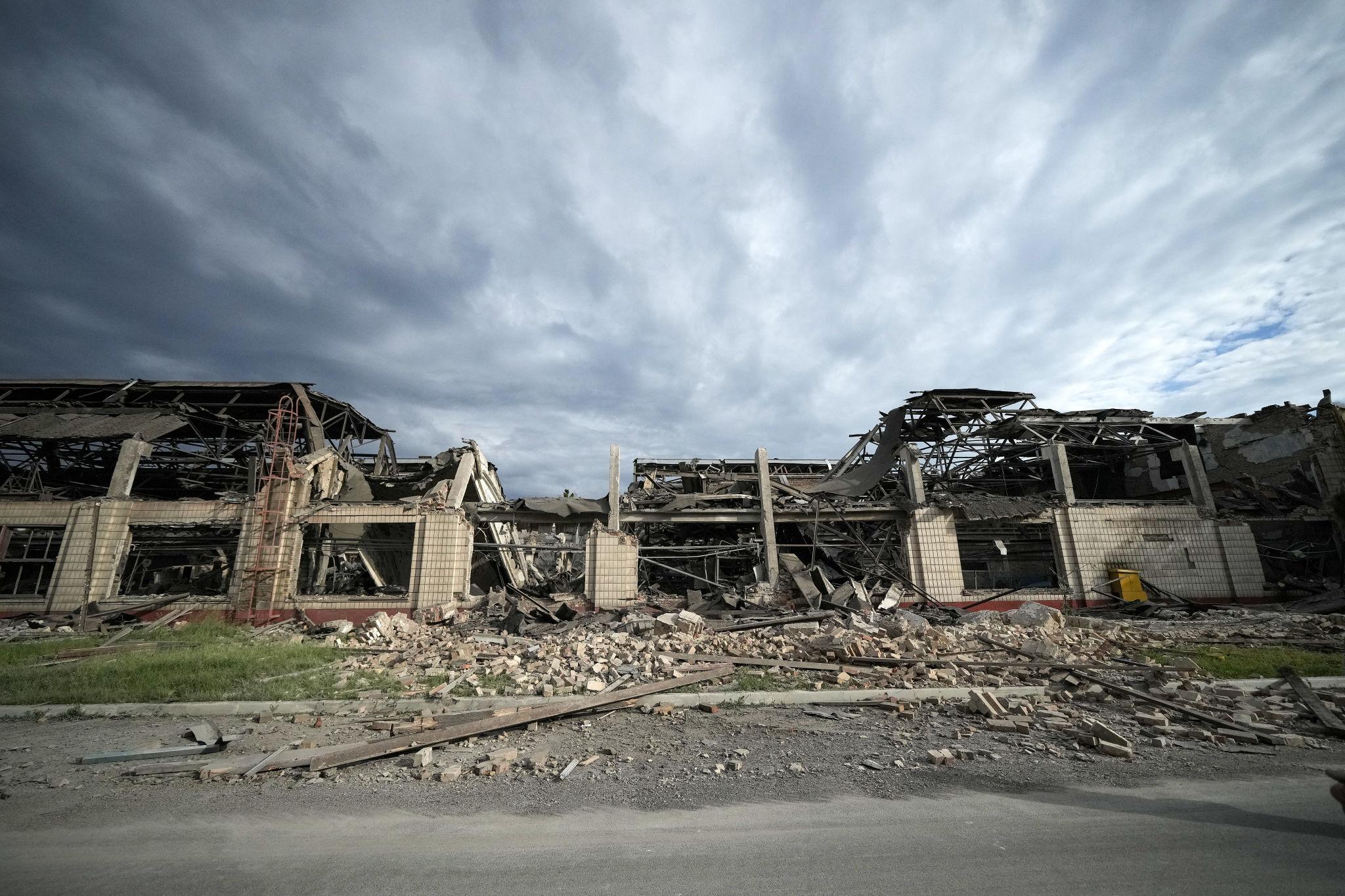
Despite fatigue, public resolve remains strong. Community centers opened doors during outages, and volunteers distributed hot meals. Social media filled with messages praising energy workers after the Ukraine power grid attack.
A Kyiv resident said,
“We adapt because we have no choice, and because giving up is not an option.”
Global Implications of Energy Warfare
The targeting of electricity systems has raised concerns beyond Ukraine. Analysts warn that the normalization of energy infrastructure attacks could influence conflicts elsewhere. The Ukraine power grid attack is increasingly viewed as a case study in how modern wars extend into civilian systems.
International organizations continue to debate stronger protections for energy facilities under humanitarian law.
A Defining Moment for Energy and Security
The latest Ukraine power grid attack underscores how electricity has become both a weapon and a shield in contemporary conflict. As Ukraine restores power and reinforces defenses, the struggle over energy infrastructure highlights broader questions about civilian protection, resilience, and the future conduct of war.
For Kyiv and its allies, maintaining the flow of electricity is now as critical as any frontline operation, making each strike on the grid a moment of national and international consequence.