
Washington, United States — February 4, 2026 (Brussels Morning Newspaper) — The US Iran nuclear negotiations collapse has marked one of the most consequential diplomatic breakdowns of the decade, ending years of intermittent engagement and pushing regional and global security into a period of heightened uncertainty. After prolonged procedural disputes and widening strategic gaps, the diplomatic framework intended to restrain Tehran’s nuclear program has effectively disintegrated, leaving policymakers, allies, and adversaries recalibrating for a far more volatile phase.
Officials in Washington and Tehran have both publicly reaffirmed a preference for diplomacy, yet the absence of agreed terms, venue, and agenda has frozen dialogue. Analysts warn that the collapse may represent not a temporary pause, but a structural failure with lasting implications for deterrence, non-proliferation, and Middle East stability.
How the Diplomatic Track Unraveled
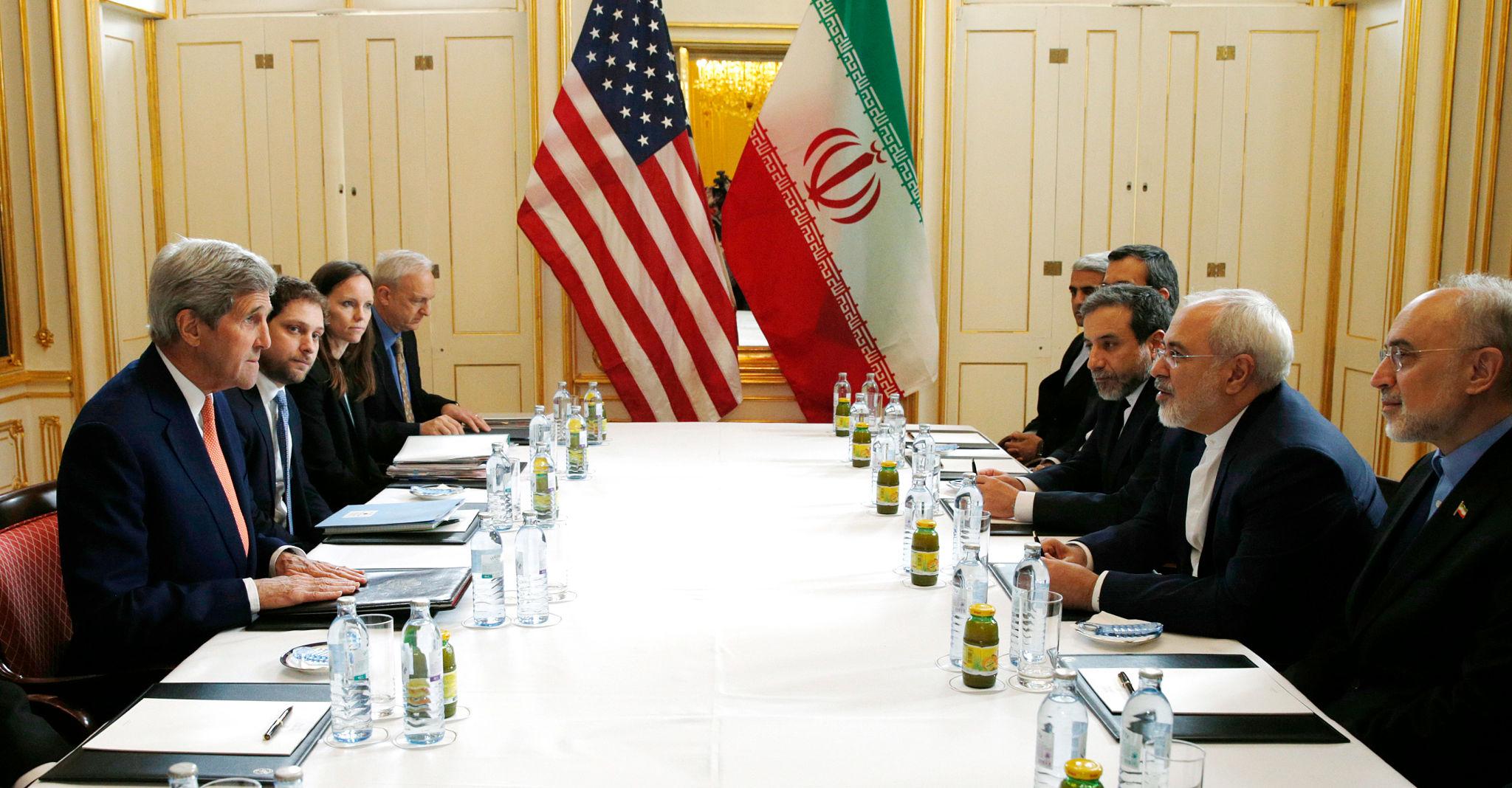
Negotiations were expected to resume under international mediation, but talks fell apart when Iran requested last-minute changes to the format and insisted that discussions remain strictly limited to sanctions relief and nuclear enrichment levels. US officials rejected those terms, arguing that nuclear capability cannot be separated from missile development, regional military activity, and broader security dynamics.
This procedural breakdown quickly hardened into a strategic impasse. Diplomats involved say the US Iran nuclear negotiations collapse reflected not merely disagreement over logistics, but a deeper erosion of trust that made compromise politically untenable on both sides.
A senior US official involved in the process said,
“At some point, diplomacy requires shared parameters. When those disappear, there is no framework left to negotiate.”
Competing Visions of What Diplomacy Should Achieve
At the core of the stalemate lies a fundamental disagreement about scope. Washington has pushed for a comprehensive approach, arguing that nuclear advancement, missile technology, and regional proxy activity form an interconnected threat environment. Tehran counters that expanding the agenda is a tactic designed to delay sanctions relief and extract concessions on issues it considers sovereign matters.
As this divide widened, the US Iran nuclear negotiations collapse became increasingly difficult to reverse. Even incremental confidence-building measures stalled, leaving mediators without leverage.
Regional Security Enters a More Dangerous Phase
Across the Middle East, governments are reassessing defense postures. Israel has reiterated that it will not accept unchecked nuclear expansion by Iran, while Gulf states are increasingly concerned about instability in maritime corridors critical to global energy supply.
Security analysts warn that the US Iran nuclear negotiations collapse increases the risk of miscalculation in an already crowded battlespace, where naval patrols, drone activity, and proxy forces operate in close proximity.
Global Reactions and Diplomatic Limits
European governments expressed disappointment, warning that the loss of dialogue raises escalation risks. Russia and China called for restraint while criticizing sanctions regimes they argue contributed to the breakdown.
Despite these appeals, the US Iran nuclear negotiations collapse has exposed the limits of international mediation. Neither Washington nor Tehran has signaled willingness to soften core demands, leaving external actors with few tools to influence outcomes.
Economic Shockwaves Beyond the Region
The diplomatic failure has immediate economic consequences. Energy markets reacted nervously, reflecting fears that renewed confrontation could disrupt oil flows through the Persian Gulf.
Investors see the US Iran nuclear negotiations collapse as a destabilizing variable for global trade, particularly if sanctions intensify or military incidents affect shipping routes.
Quiet Military Recalibration
While both governments insist they seek to avoid war, military planners are adjusting assumptions. Naval deployments, missile defense readiness, and intelligence surveillance have all intensified.
Defense experts caution that as the US Iran nuclear negotiations collapse becomes entrenched, the absence of communication channels increases the danger of accidental escalation triggered by minor incidents.
History of US–Iran Nuclear Diplomacy
Nuclear diplomacy between Washington and Tehran has followed a recurring pattern: engagement, partial agreement, political backlash, and collapse. The 2015 nuclear accord temporarily reduced tensions, but its unraveling demonstrated how fragile such arrangements can be amid leadership changes and regional shocks.
Viewed through this lens, the US Iran nuclear negotiations collapse is not an isolated event, but part of a longer historical trajectory marked by mistrust, enforcement disputes, and shifting strategic priorities.
Domestic Politics Shape Foreign Policy Limits
Internal pressures have constrained negotiators on both sides. In the United States, political leaders face pressure to avoid concessions perceived as weakness. In Iran, hardline factions argue that past agreements failed to deliver promised economic relief.
These domestic realities have reinforced rigidity, contributing to the US Iran nuclear negotiations collapse and narrowing the space for compromise.
Proxy Conflicts and Escalation Risks
Beyond direct confrontation, analysts warn that proxy conflicts could intensify. Militias aligned with Iran operate across multiple theaters, while U.S. forces maintain a significant regional presence.
The US Iran nuclear negotiations collapse heightens the risk that localized incidents, drone strikes, cyber operations, or naval encounters, could spiral into broader conflict.
Nuclear Proliferation and Regional Domino Effects
Non-proliferation experts warn that continued expansion of Iran’s nuclear program could trigger a regional arms race. Countries such as Saudi Arabia, Turkey, and Egypt may reconsider their own strategic capabilities if diplomatic constraints disappear.
In this context, the US Iran nuclear negotiations collapse undermines global non-proliferation norms and complicates future arms-control efforts.
Is War Now Inevitable?
Despite increasingly stark warnings, some analysts caution against declaring conflict inevitable. They argue that both Washington and Tehran understand the catastrophic costs of war and may seek indirect channels to manage tensions.
Still, the US Iran nuclear negotiations collapse has sharply reduced diplomatic tools, making crisis management more fragile and miscalculation more likely.
A Strategic Vacuum With Global Consequences
The collapse of nuclear negotiations between the United States and Iran marks a defining moment for international security. With diplomacy stalled, mistrust entrenched, and military preparedness rising, the world has entered a period where restraint and communication are more necessary, and more elusive, than ever.
Whether dialogue can be revived remains uncertain. What is clear is that the US Iran nuclear negotiations collapse has reshaped strategic calculations across capitals, leaving global stability exposed to risks that extend far beyond the Middle East.