Middle East, January 31 2026, According to Brussels Morning Newspaper, that the territory of Gaza has once again become the focus of intense international concern as Gaza civilian deaths rose sharply following renewed military operations. Health officials reported that residential neighborhoods were struck during overnight attacks, leaving families trapped beneath rubble and overwhelming already strained medical facilities. The escalation has reignited debates over civilian protection, ceasefire enforcement, and the long-term humanitarian consequences facing Gaza’s population.
The latest violence unfolds against a backdrop of recurring instability involving Gaza and Israel, where previous ceasefires have repeatedly collapsed under competing security claims and political tensions.
Timeline of the Latest Escalation
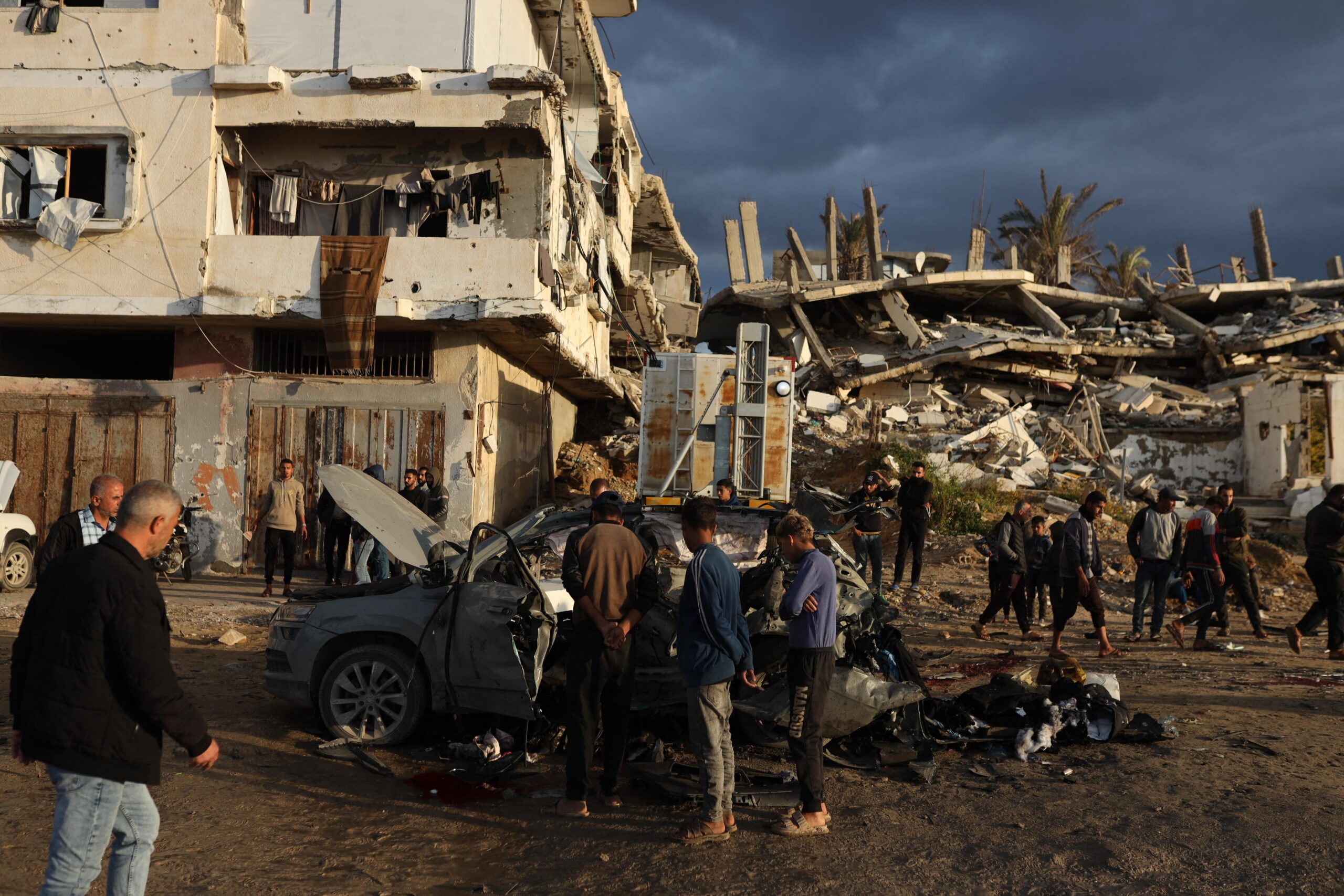
According to local authorities, the most recent escalation began with a series of airstrikes targeting multiple locations across Gaza. Explosions were reported in densely populated districts where residential buildings stand close together, increasing the risk of civilian harm. Rescue teams worked through the night using limited equipment, often relying on volunteers to clear debris.
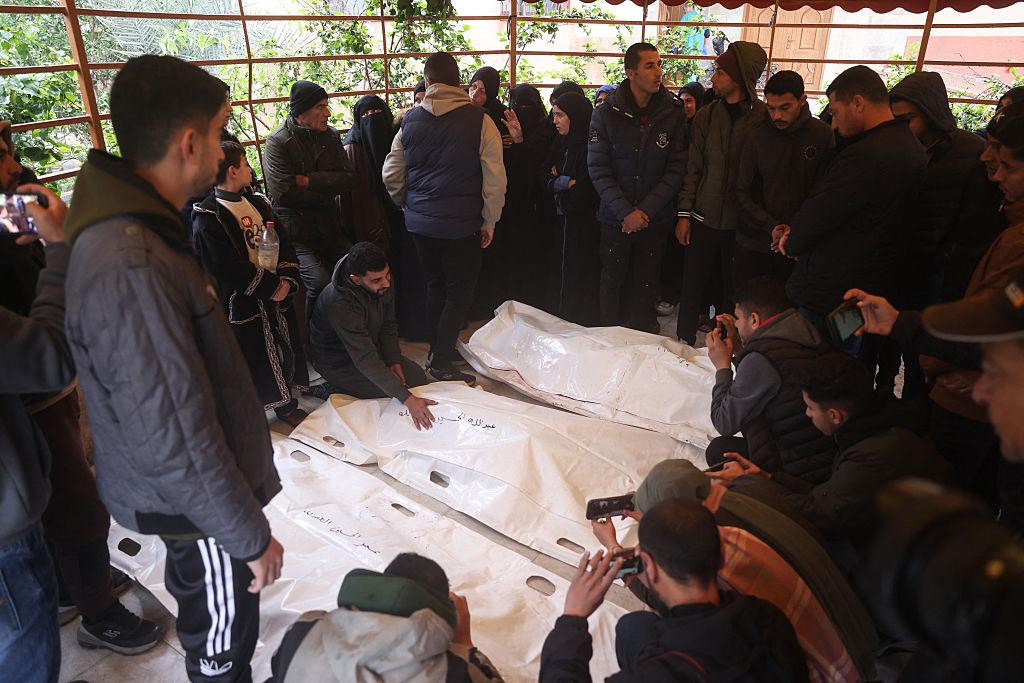
Officials stated that Gaza civilian deaths were recorded within hours of the strikes, with hospitals confirming fatalities among women, children, and elderly residents. The rapid pace of events left little opportunity for evacuation or emergency warnings.
Residential Areas Bear the Brunt
The concentration of civilians in Gaza makes residential damage particularly devastating. Entire families were reportedly killed when homes collapsed, while neighboring buildings suffered structural damage. Aid workers noted that the rising number of Gaza civilian deaths reflects the vulnerability of urban populations during modern warfare.
Survivors described chaotic scenes as neighbors attempted to rescue those trapped, often without heavy machinery. Many families lost their homes entirely, joining a growing population of internally displaced residents.
Hospitals Under Extreme Pressure
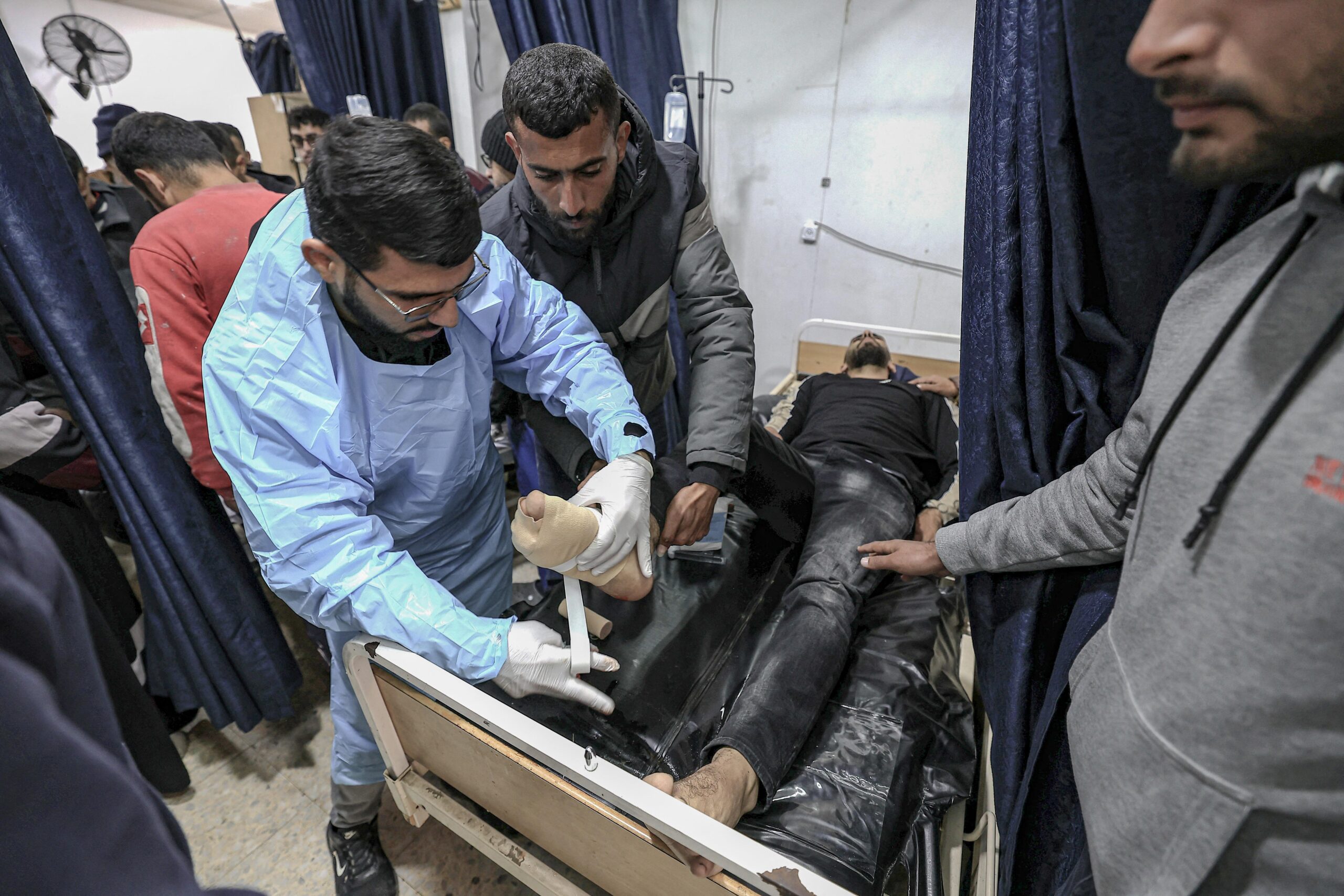
Medical facilities across Gaza faced unprecedented strain as casualties arrived in large numbers. Doctors reported shortages of essential supplies, including surgical equipment and blood reserves. Emergency wards overflowed, forcing some patients to be treated in hallways.
Health officials warned that sustained violence leading to more Gaza civilian deaths could push the healthcare system beyond its breaking point. Power outages further complicated treatment, affecting life-saving equipment.
Children and Families Caught in the Conflict
Children remain among the most affected groups in the conflict. Medical staff confirmed that pediatric casualties were significant, with many injuries caused by falling debris and shrapnel. The increase in Gaza civilian deaths among minors has intensified international concern over child protection in conflict zones.
Educators and psychologists noted that repeated disruptions to schooling and daily life are leaving lasting emotional scars on young survivors, many of whom have lived through multiple cycles of violence.
Ceasefire Breakdown and Political Disputes
The latest violence followed attempts to maintain a fragile ceasefire. Palestinian officials accused Israel of violating agreed terms, while Israeli authorities cited security threats as justification for military action. As Gaza civilian deaths occur during ceasefire periods, trust in diplomatic mechanisms continues to erode.
Regional mediators acknowledged difficulties in enforcing agreements on the ground, particularly amid rapidly changing security dynamics.
International Response and Diplomatic Efforts
Global reaction to the escalation was swift. Governments across Europe, the Middle East, and beyond issued statements calling for restraint and renewed dialogue. The United Nations urged all parties to prioritize civilian protection, emphasizing that Gaza civilian deaths undermine international humanitarian norms.
Emergency diplomatic meetings were convened as pressure mounted for de-escalation and humanitarian access.
Humanitarian Organizations Sound the Alarm
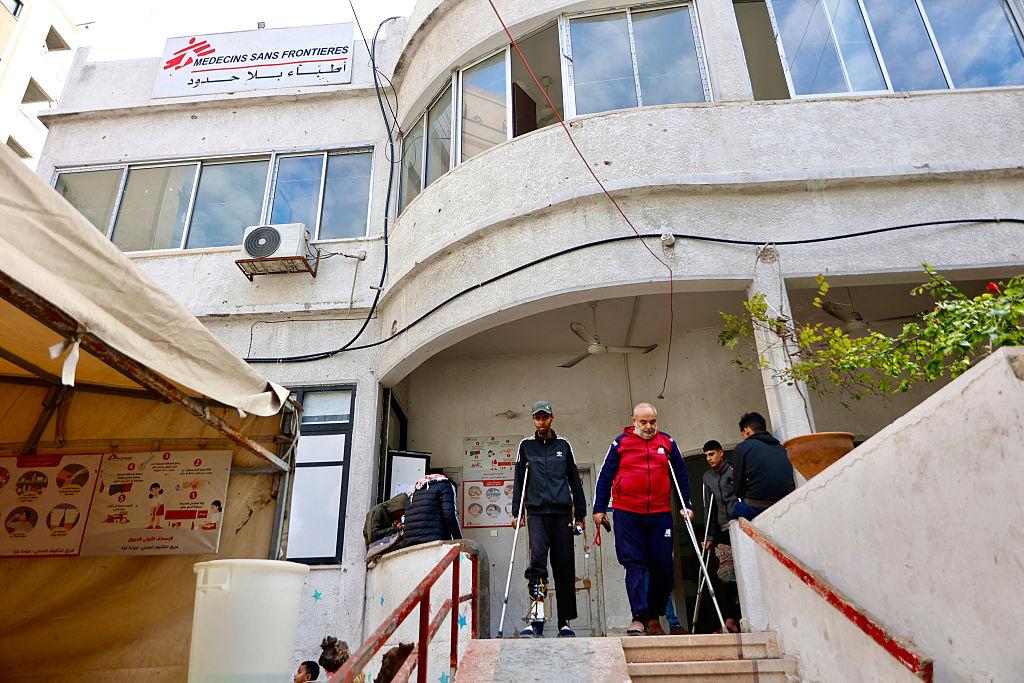
Aid agencies operating in Gaza reported worsening conditions following the strikes. Water shortages intensified, sanitation systems were damaged, and food distribution was disrupted. Relief groups warned that rising Gaza civilian deaths are only one indicator of a broader humanitarian collapse.
Access for humanitarian convoys remained uncertain due to security concerns, delaying the delivery of critical medical supplies and fuel.
Economic Impact on Gaza’s Population
Beyond the immediate loss of life, the escalation has deepened Gaza’s economic hardship. Markets closed, businesses were damaged, and daily wage earners lost income. Analysts noted that repeated cycles of violence linked to Gaza civilian deaths contribute to long-term poverty and dependency on aid.
Reconstruction efforts from previous conflicts have stalled, leaving many families without stable housing or employment.
Media Coverage and Information Challenges
Journalists covering the conflict faced significant risks while reporting from affected areas. News organizations emphasized verification amid competing narratives and restricted access. Accurate documentation of Gaza civilian deaths remains critical for informing global audiences and policymakers.
Media analysts stress that transparent reporting helps counter misinformation and ensures civilian experiences are not overlooked.
Legal Scrutiny and Human Rights Debate
International legal experts highlighted obligations under humanitarian law to protect civilians and minimize harm. Human rights organizations are collecting evidence related to incidents involving Gaza civilian deaths, calling for independent investigations.
They argue that accountability mechanisms are essential to prevent further civilian harm and restore confidence in international legal standards.
Regional Stability at Stake
Security analysts warned that continued escalation could have broader regional implications. Armed groups across the Middle East issued statements condemning the violence, raising fears of spillover effects. Persistent Gaza civilian deaths are viewed as a potential trigger for wider unrest.
Diplomatic channels remain active, though prospects for sustained calm remain uncertain.
Public Reaction and Global Protests
Public demonstrations erupted in several countries as images from Gaza circulated widely on social media. Activists called for an immediate halt to hostilities and increased humanitarian access. The visibility of Gaza civilian deaths has intensified global debates over accountability and conflict resolution.
Public pressure has influenced political discourse, particularly in countries with strong diplomatic ties to the region.
Psychological Toll on Survivors
Mental health professionals reported a surge in trauma-related cases among Gaza residents. Anxiety, depression, and post-traumatic stress symptoms are increasingly common. Experts noted that repeated exposure to violence associated with Gaza civilian deaths compounds long-term psychological harm.
Support services remain limited, highlighting the need for sustained mental health assistance.
Aid Worker Perspective
Humanitarian responders described working under extreme conditions, often while their own families were affected by the violence. One aid worker said,
“We are treating the wounded while worrying about our own homes and loved ones.”
Their accounts underscore the human reality behind statistics related to Gaza civilian deaths.
Challenges to Long-Term Peace
Peace advocates argue that civilian protection must be central to any lasting solution. Repeated cycles of violence resulting in Gaza civilian deaths weaken public faith in negotiations and harden political positions on all sides.
Experts emphasize that addressing underlying political, economic, and security concerns is essential to breaking the cycle.
Humanitarian Access and Reconstruction Needs
Calls have intensified for safe humanitarian corridors and reconstruction funding. Damage to housing, roads, and utilities has left large areas uninhabitable. Rising Gaza civilian deaths highlight the urgency of rebuilding not only infrastructure but also trust.
International donors face renewed pressure to support recovery efforts once hostilities subside.
Information Flow and Digital Impact
Social media platforms have played a major role in shaping global perception. Real-time updates and imagery brought attention to Gaza civilian deaths, influencing public opinion and diplomatic responses.
Experts caution, however, that digital platforms also amplify misinformation, underscoring the need for verified reporting.
Long-Term Social Consequences
Sociologists warn that repeated trauma and displacement affect social cohesion within Gaza. Communities face challenges in maintaining education, healthcare, and social services amid recurring violence tied to Gaza civilian deaths.
Youth unemployment and disrupted schooling threaten future stability, creating generational consequences.
A Defining Moment for International Action
As 2026 progresses, the escalation in Gaza represents a critical test for international diplomacy and humanitarian principles. The persistence of Gaza civilian deaths underscores the urgency of meaningful action beyond statements of concern.
Observers warn that without accountability and sustained engagement, similar crises are likely to recur.
Beyond the Headlines A Crisis Demanding Solutions
The latest escalation serves as a stark reminder of the human cost of unresolved conflict. While political narratives continue to compete, the reality of Gaza civilian deaths remains a sobering constant. For Gaza’s residents, peace is not an abstract concept but a daily necessity tied directly to survival, dignity, and hope for the future.