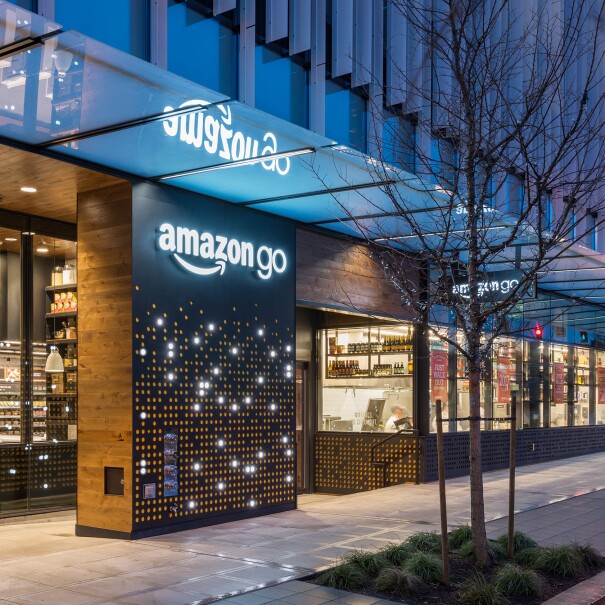
New York, United States — January, 2026 — Amazon has begun a significant expansion of its grocery operations across the United States, converting select physical retail locations into Whole Foods stores and accelerating same day delivery services as part of a broader Amazon retail strategy designed to adapt to changing consumer behavior and intensifying competition in the food retail sector.
The initiative reflects how the company is repositioning physical retail assets to serve both neighborhood shoppers and its rapidly growing online grocery customer base.
A Renewed Focus on Physical Presence
After years of prioritizing digital commerce, Amazon is once again investing heavily in brick and mortar locations. The company’s latest plan centers on reusing existing retail spaces to expand grocery access in urban and suburban markets.
This renewed emphasis is a cornerstone of the evolving Amazon retail strategy, which now views physical stores as logistics assets rather than standalone sales channels. Converted locations are designed to support walk in shopping curbside pickup and local delivery from a single footprint.
Whole Foods as the Operational Backbone
Whole Foods remains central to Amazon’s grocery ambitions. Since acquiring the premium grocer, Amazon has gradually integrated its technology and supply chain expertise while preserving the brand’s focus on organic and high quality products.
Under the current Amazon retail strategy, Whole Foods locations are being optimized to handle higher order volumes and faster turnover without compromising in store experience. Store layouts inventory systems and staffing models are being adjusted to support both retail and fulfillment functions.
Same Day Delivery Expands Across Key Markets
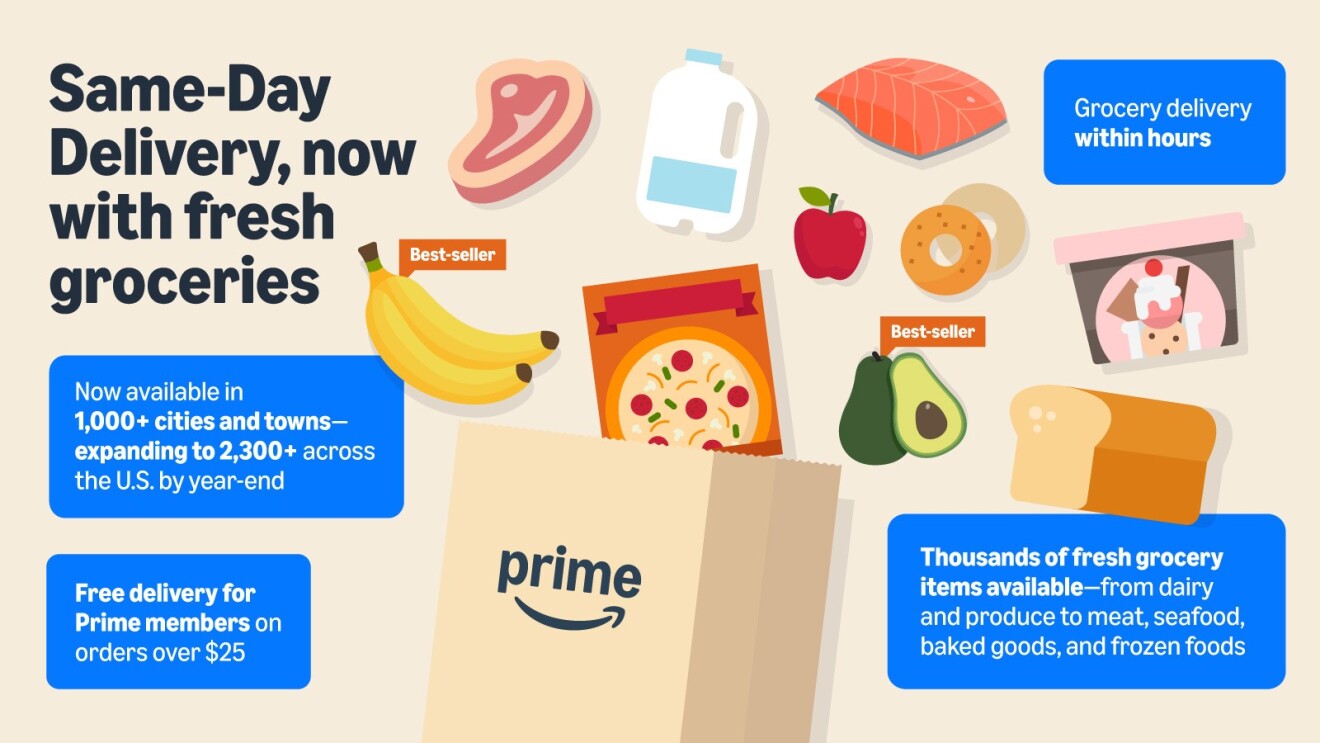
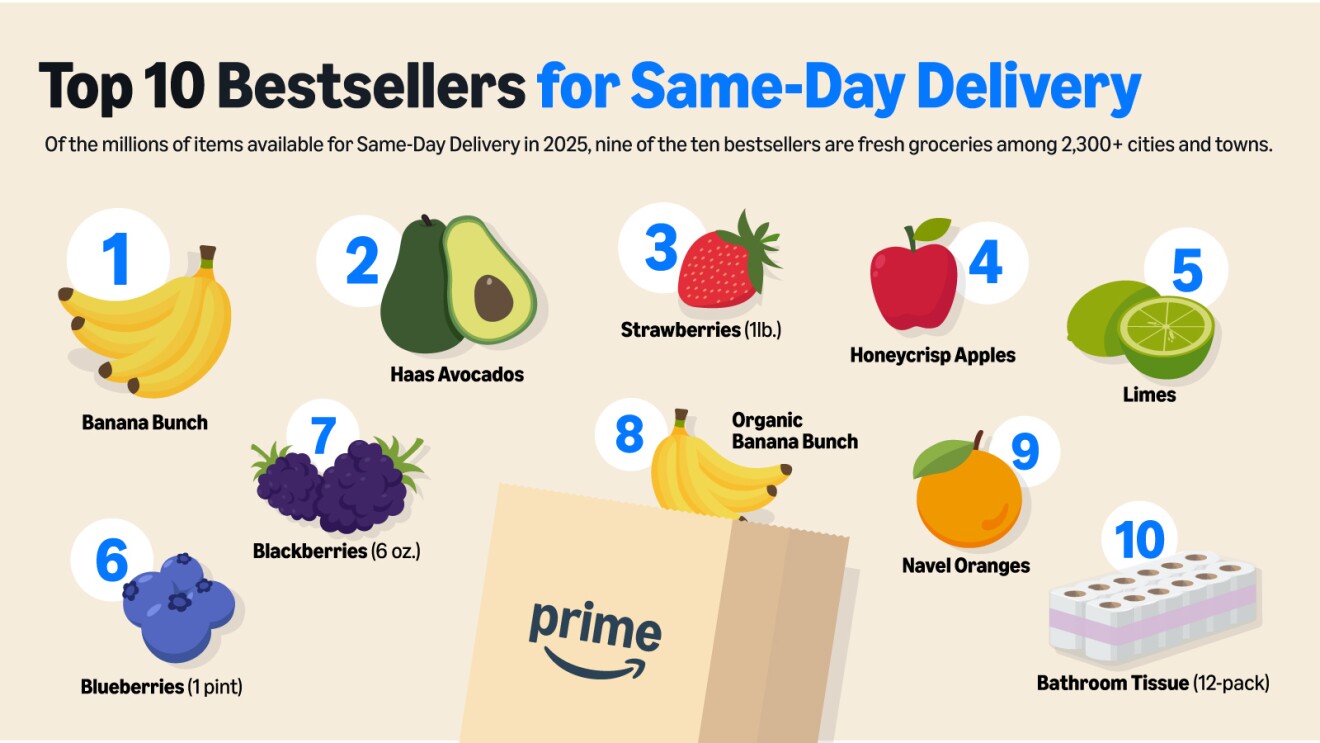
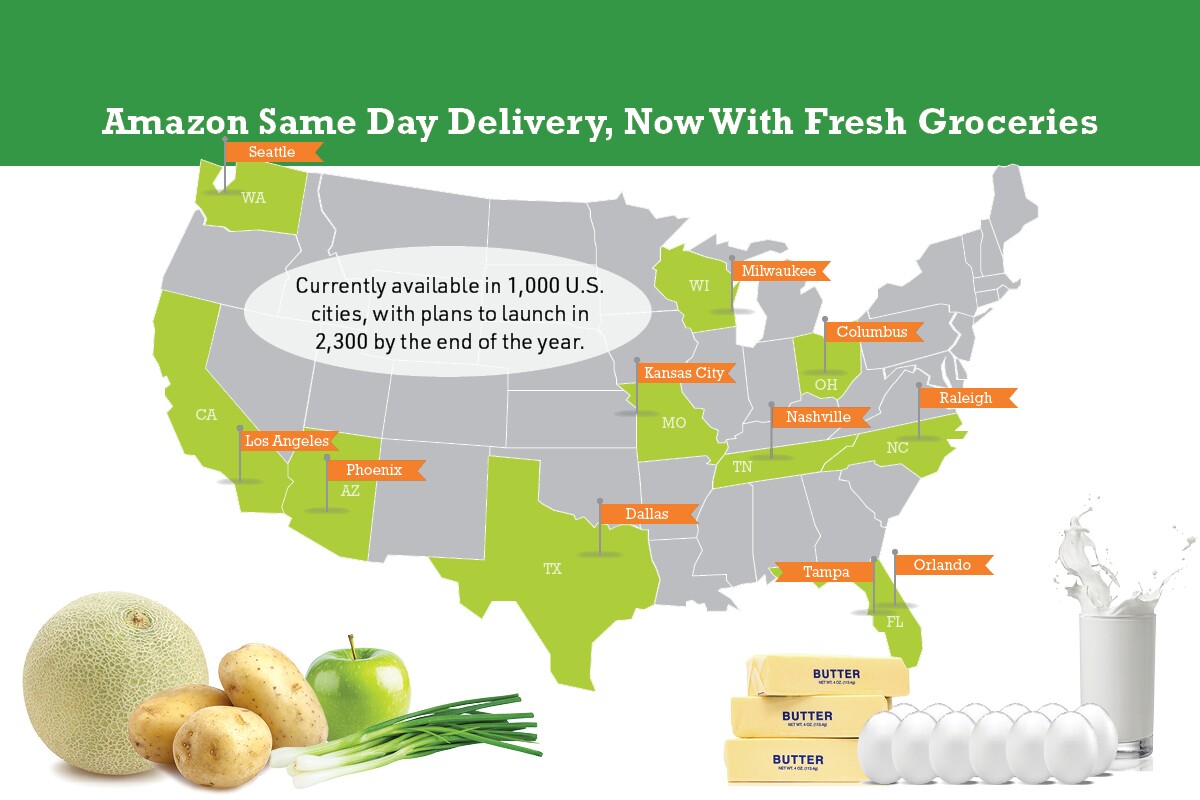
A major component of the expansion is the scaling of same day grocery delivery. Amazon is leveraging proximity to customers by positioning inventory closer to residential areas allowing for faster fulfillment windows.
This logistics driven approach strengthens the Amazon retail strategy by reducing last mile delivery costs while meeting growing consumer expectations for speed and convenience. Same day delivery is increasingly viewed as a baseline service rather than a premium option.
Technology and Automation Behind the Scenes
Amazon’s grocery expansion is underpinned by significant investments in automation artificial intelligence and demand forecasting. These systems enable stores to balance unpredictable walk in traffic with scheduled delivery orders.
Executives involved in the roll-out say advanced analytics play a key role in executing the Amazon retail strategy, ensuring that inventory levels remain stable while minimizing waste and shortages.
Pressure Mounts on Traditional Grocery Chains
The expansion places additional pressure on traditional grocery retailers already grappling with inflation labor shortages and shifting consumer habits. Amazon’s ability to integrate logistics technology with physical stores creates a competitive model that is difficult to replicate quickly.
Industry observers note that the Amazon retail strategy is forcing competitors to reconsider store formats pricing models and delivery capabilities to remain relevant.
Consumer Expectations Continue to Rise
For consumers the changes translate into greater flexibility. Shoppers can browse aisles in person or place orders online with confidence that products will be available when needed.
This customer centric focus is a defining feature of the Amazon retail strategy, particularly in grocery retail where repeat purchases and convenience heavily influence loyalty.
Employment and Local Economic Impact
Amazon says the store conversions will create new jobs in retail operations logistics and delivery services. While automation plays a growing role human labor remains essential for customer service fresh food handling and last mile delivery.
According to one retail analyst,
“Amazon is demonstrating that modern grocery retail is no longer just about shelf space but about how efficiently products move from supplier to consumer.”
Regulatory and Competitive Scrutiny
As Amazon expands its grocery footprint it continues to face scrutiny from regulators and labor groups concerned about market concentration and working conditions. The company has stated that it remains committed to compliance and transparency as it scales operations.
Managing these challenges is an ongoing element of the Amazon retail strategy, particularly as grocery retail becomes a larger portion of its overall business.
Investor Perspective on Grocery Growth
Investors have historically questioned the profitability of grocery retail due to thin margins. However Amazon’s integrated logistics model aims to improve efficiency and reduce fulfillment costs over time.
Market analysts suggest the Amazon retail strategy reflects a long term bet on grocery as a volume driven business supported by technology and scale.
Supply Chain Resilience and Inventory Control
Recent global disruptions have underscored the importance of resilient supply chains. Amazon’s grocery expansion places a strong emphasis on supplier diversification and real time inventory monitoring.
These measures support the Amazon retail strategy by reducing dependency on single suppliers and improving responsiveness to demand fluctuations.
Urban and Suburban Market Targeting
The company’s expansion focuses on densely populated regions where demand for rapid delivery is highest. Urban markets benefit from shorter delivery routes while suburban areas gain increased access to premium grocery options.
This targeted roll-out demonstrates how the Amazon retail strategy adapts to regional demographics and consumption patterns.
Data Driven Decision Making
Amazon’s grocery operations generate vast amounts of data from purchasing behavior delivery patterns and inventory turnover. This data informs pricing promotions and product selection.
Such insights are integral to refining the Amazon retail strategy, allowing for continuous optimization based on real world performance rather than static planning.
Environmental Considerations
The company has indicated that sustainability remains a priority as it expands grocery operations. Efforts include reducing food waste optimizing delivery routes and increasing energy efficiency in stores.
These initiatives align with the broader Amazon retail strategy, which seeks to balance growth with environmental responsibility.
A Sector in Transformation
The grocery industry is undergoing a structural transformation driven by technology convenience and evolving consumer expectations. Amazon’s expansion highlights how physical and digital retail are increasingly intertwined.
The Amazon retail strategy illustrates how future grocery models may prioritize speed integration and data driven operations over traditional store centric approaches.
Long Term Implications for Retail
As Amazon continues to refine its approach the success of its grocery expansion could influence retail strategies globally. Competitors may adopt similar hybrid models blending physical presence with advanced fulfillment networks.
The trajectory of the Amazon retail strategy will likely be closely watched as a case study in modern retail evolution.
Redefining Grocery Retail for the Next Decade
Amazon’s latest expansion represents more than incremental growth. It signals a fundamental rethinking of how grocery retail operates in a digital first economy.
By aligning physical stores logistics technology and customer convenience the company is reshaping expectations for how groceries are bought delivered and consumed in the United States and beyond.