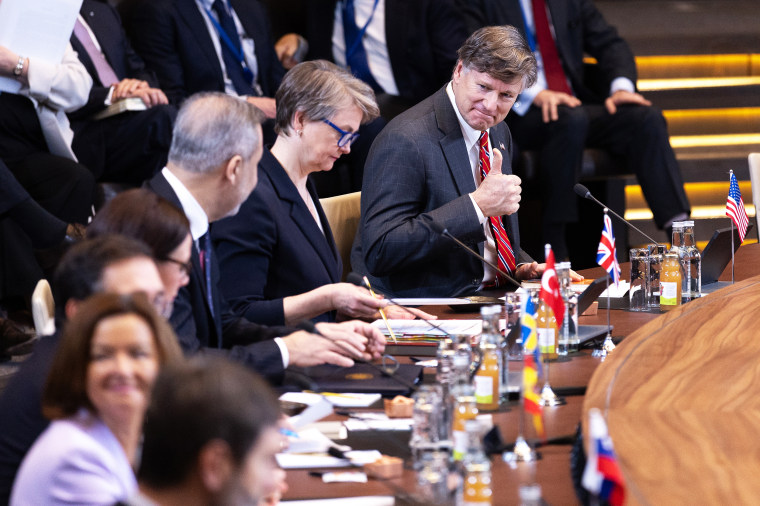
Washington, D.C., United States, January 2026, Brussels Morning Newspaper highlights renewed diplomatic momentum as senior officials from Washington and Kyiv convene at a pivotal moment for transatlantic relations. With global attention fixed on security coordination and political alignment, US Ukraine talks have taken on heightened importance, reflecting not only bilateral priorities but also broader efforts to stabilize an increasingly complex international landscape. The meetings underscore Brussels’ role as a diplomatic crossroads where policy direction, alliance coherence, and long-term strategy converge.
The discussions come amid continued geopolitical uncertainty, placing added emphasis on dialogue, coordination, and strategic clarity. Officials on both sides describe the engagement as deliberate and forward-looking, shaped by experience and informed by evolving global realities.
Brussels as a Diplomatic Hub for Transatlantic Engagement
Brussels has long served as a symbolic and practical center for transatlantic diplomacy. Hosting key international institutions and serving as a frequent meeting ground for allied consultations, the city provides a neutral yet influential setting. The latest round of US Ukraine talks reinforces this role, situating bilateral dialogue within a broader multilateral context.
Diplomats note that holding discussions in Brussels allows for close coordination with European partners, ensuring that messaging and strategy remain aligned. This setting also highlights the interconnected nature of modern diplomacy, where bilateral relationships are shaped by wider alliance dynamics.
The Strategic Context Driving Current Discussions
The talks are unfolding at a time when international relations are marked by shifting power balances and persistent security challenges. Analysts describe 2026 as a year of reassessment, with governments reviewing strategies developed under earlier conditions. Within this environment, US Ukraine talks are seen as a mechanism for recalibration rather than reinvention.
Officials emphasize that the objective is to strengthen existing frameworks, adapt to new realities, and maintain continuity. This pragmatic approach reflects recognition that sustainable diplomacy requires steady engagement rather than abrupt shifts.
Security Coordination at the Core of the Agenda
Security cooperation remains a central pillar of the dialogue. Defense coordination, intelligence sharing, and strategic planning feature prominently in the discussions. Participants stress that these efforts are defensive and stabilizing in nature, aimed at reinforcing deterrence and resilience.
Within US Ukraine talks, security issues are addressed alongside political and economic considerations, reflecting an integrated approach. Officials argue that separating defense from diplomacy would weaken both, underscoring the need for coherence across policy areas.
Political Dialogue and Institutional Resilience
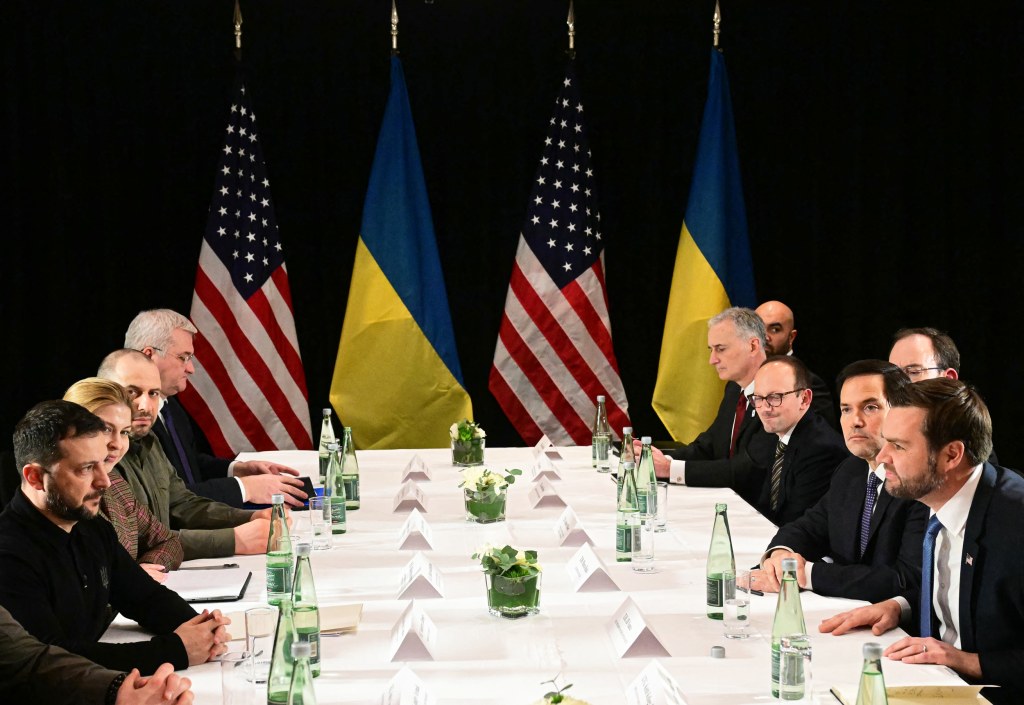
Beyond defense, political coordination plays a significant role in shaping the discussions. Governance standards, institutional resilience, and democratic accountability are recurring themes. Washington has reiterated its support for reforms that strengthen transparency and rule-based governance, while Kyiv has highlighted progress and ongoing commitments.
These exchanges are framed as collaborative rather than prescriptive. Participants describe the political dimension of US Ukraine talks as an investment in long-term stability, designed to reinforce trust and predictability within the partnership.
Economic Cooperation and Long-Term Recovery
Economic engagement has gained increased prominence in the current round of talks. Trade facilitation, investment frameworks, and reconstruction planning are now integral components of the bilateral agenda. Officials on both sides recognize that economic stability underpins political resilience and social cohesion.
Discussions focus on aligning economic assistance with broader strategic goals. By integrating economic considerations into US Ukraine talks, both parties aim to support recovery while reducing vulnerability to future disruptions.
The European Dimension of Bilateral Engagement
Although the discussions are bilateral, they are closely intertwined with European perspectives. European partners remain engaged through parallel consultations, and their views inform the broader diplomatic environment. The Brussels setting underscores this interconnectedness, highlighting how US Ukraine talks complement wider transatlantic efforts.
Diplomats emphasize that coordination with European allies enhances credibility and effectiveness. Unified messaging, they argue, strengthens collective influence and minimizes the risk of fragmented approaches.
Managing Expectations Through Measured Diplomacy
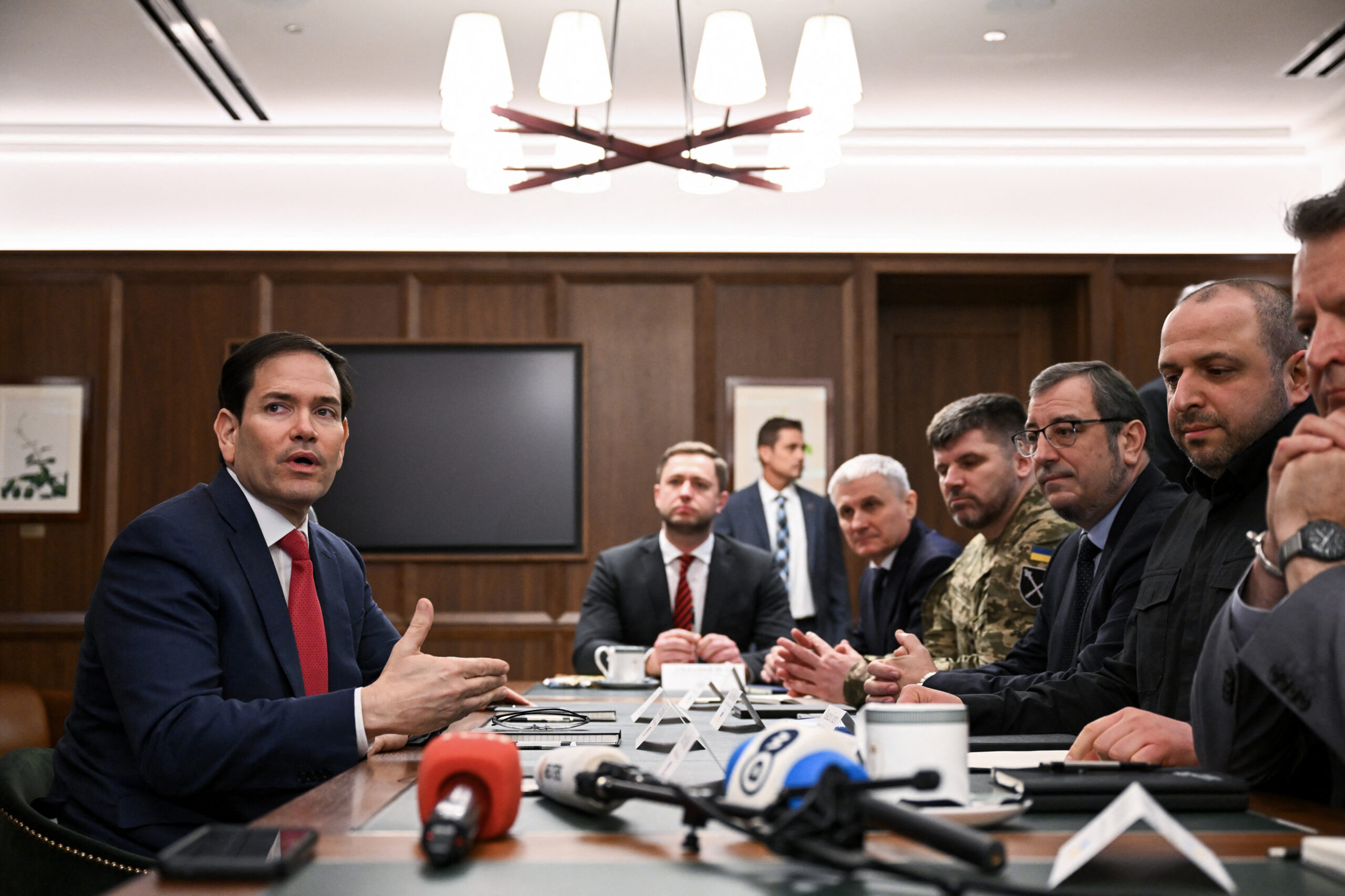
One defining feature of the current engagement is careful management of expectations. Officials involved stress that diplomacy is a process requiring patience and persistence. Rather than announcing dramatic breakthroughs, the focus is on steady progress and reliable follow-through.
A senior transatlantic official said,
“Durable partnerships are built through consistent dialogue and strategic patience, not through sudden gestures.”
This single perspective captures the prevailing tone of the discussions, emphasizing realism and continuity.
Public Attention and Political Significance
Public interest in the talks reflects broader concern about global stability and alliance cohesion. Political leaders are aware that public perception can influence the sustainability of diplomatic initiatives. As a result, communication strategies are carefully calibrated.
Statements following meetings are designed to convey commitment without overstating outcomes. This balanced approach aims to maintain public confidence while avoiding unrealistic expectations surrounding US Ukraine talks.
Challenges and Sensitive Areas of Negotiation
Despite shared objectives, the dialogue is not without challenges. Differences in timelines, resource constraints, and external pressures shape the negotiation environment. Sensitive topics require careful handling to prevent misunderstanding or escalation.
Participants note that openness about challenges has become a strength. By acknowledging complexity, US Ukraine talks foster trust and create space for constructive problem-solving rather than superficial consensus.
Humanitarian Considerations and Social Impact
Humanitarian issues form an important backdrop to the discussions. Coordination on humanitarian assistance, reconstruction support, and social recovery efforts reflects recognition of the human dimension of diplomacy. Officials stress that addressing humanitarian needs supports stability and reinforces international norms.
These considerations add depth to US Ukraine talks, linking strategic objectives with tangible outcomes for affected communities.
Strategic Communication and Global Perception
How the talks are perceived internationally carries strategic weight. Clear and consistent messaging helps shape expectations among allies, partners, and observers. In this sense, US Ukraine talks function not only as policy discussions but also as signals of intent and reliability.
Officials emphasize that disciplined communication reduces the risk of misinterpretation, particularly in a crowded and fast-moving media environment.
Implementation Beyond the Meeting Room
As discussions progress, attention increasingly turns to implementation. Officials stress that dialogue must translate into practical cooperation through follow-up mechanisms and ongoing consultation. Future engagements are planned across multiple levels, reinforcing continuity.
Participants describe US Ukraine talks as part of an evolving process rather than a single event, with progress measured over time rather than in immediate announcements.
Implications for the Transatlantic Relationship
The outcomes of the Brussels engagement are expected to influence broader transatlantic dynamics. By reinforcing alignment and clarity, the talks contribute to shaping collective responses to regional and global challenges. Analysts suggest that sustained engagement will remain a cornerstone of cooperation.
Within this context, US Ukraine talks are viewed as both a stabilizing force and a reference point for future diplomatic efforts.
Looking Ahead Through 2026
As the year continues, further rounds of engagement are anticipated. Officials emphasize adaptability and preparedness, noting that diplomacy must evolve alongside changing conditions. Planning remains focused on maintaining momentum while responding to new developments.
The emphasis, they say, will remain on steady engagement grounded in shared objectives.
The Brussels discussions highlight the enduring importance of diplomacy in managing complex international relationships. Through coordination, dialogue, and strategic planning, the talks aim to reinforce partnership while adapting to evolving realities. As 2026 unfolds, the direction set in Brussels is likely to shape the trajectory of bilateral and transatlantic engagement alike.