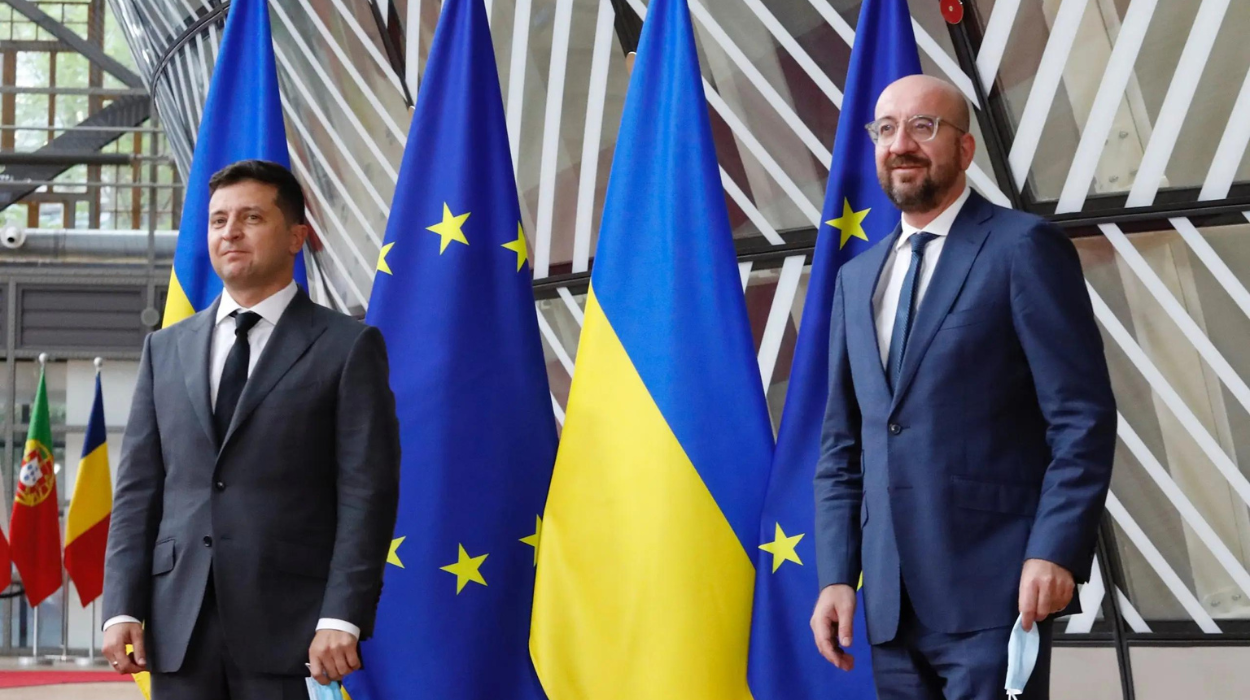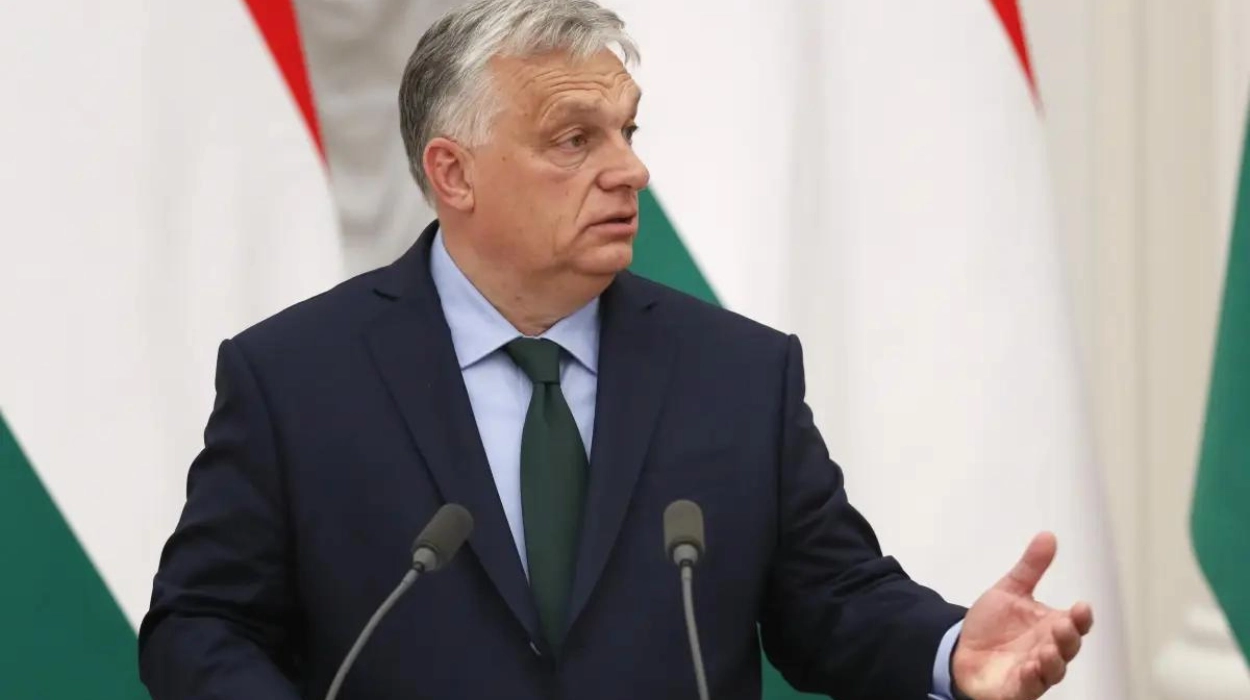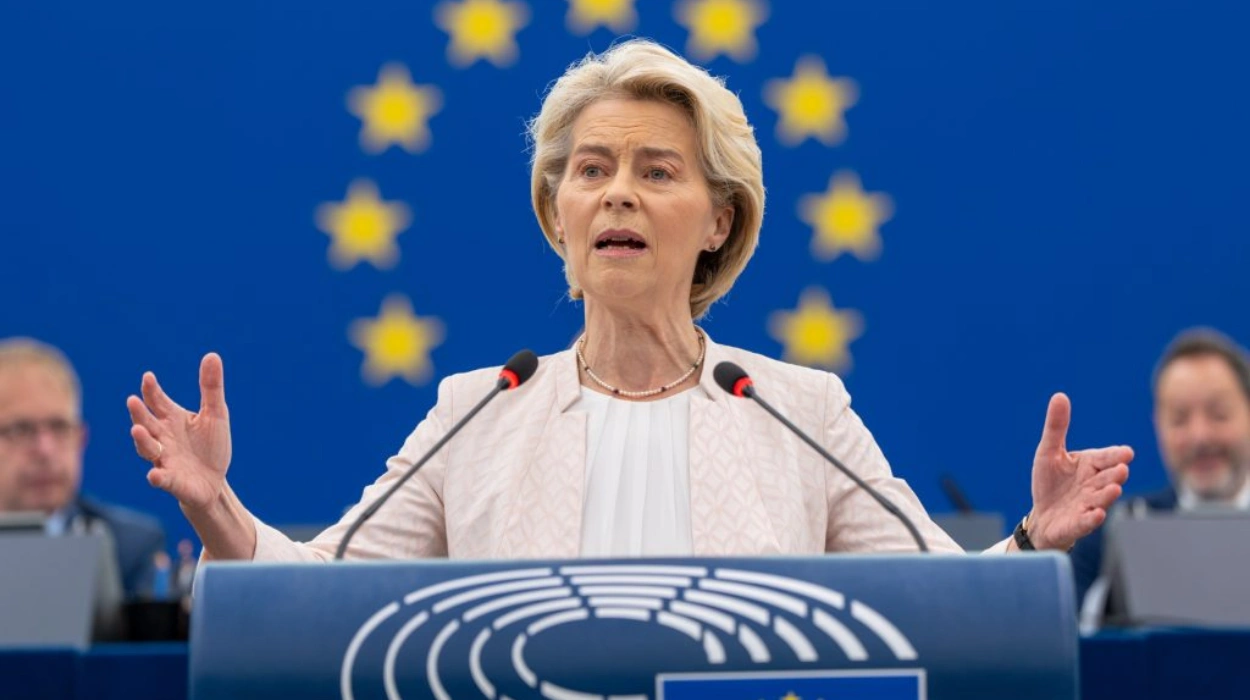
Brussels (Brussels Morning Newspaper) January 19, 2026 – The Council of the European Union approved the creation of AI gigafactories to bolster the continent’s artificial intelligence production capacity. Member states committed €15 billion in public funding matched by private investments totalling €25 billion. The facilities aim to produce AI hardware including processors, servers, and data centre equipment within Europe.
- Gigafactory Locations and Capacity Targets
- Funding Structure and Private Sector Commitments
- Technology Focus and Supply Chain Integration
- Strategic Objectives and Geopolitical Context
- Construction Timeline and Milestone Payments
- Workforce Development and Training Programmes
- Energy Supply and Sustainability Requirements
- Intellectual Property and Standards Development
- Regulatory Approvals and State Aid Clearance
- Industry Consortium Composition and Governance
- Global Market Positioning Strategy
- Complementary Ecosystem Investments
- Risk Mitigation and Contingency Planning
The decision follows the European Commission’s December 2025 proposal outlining ten strategic gigafactory sites across seven member states. Industry ministers reached consensus after three rounds of technical negotiations resolving location and technology focus disputes.
Gigafactory Locations and Capacity Targets
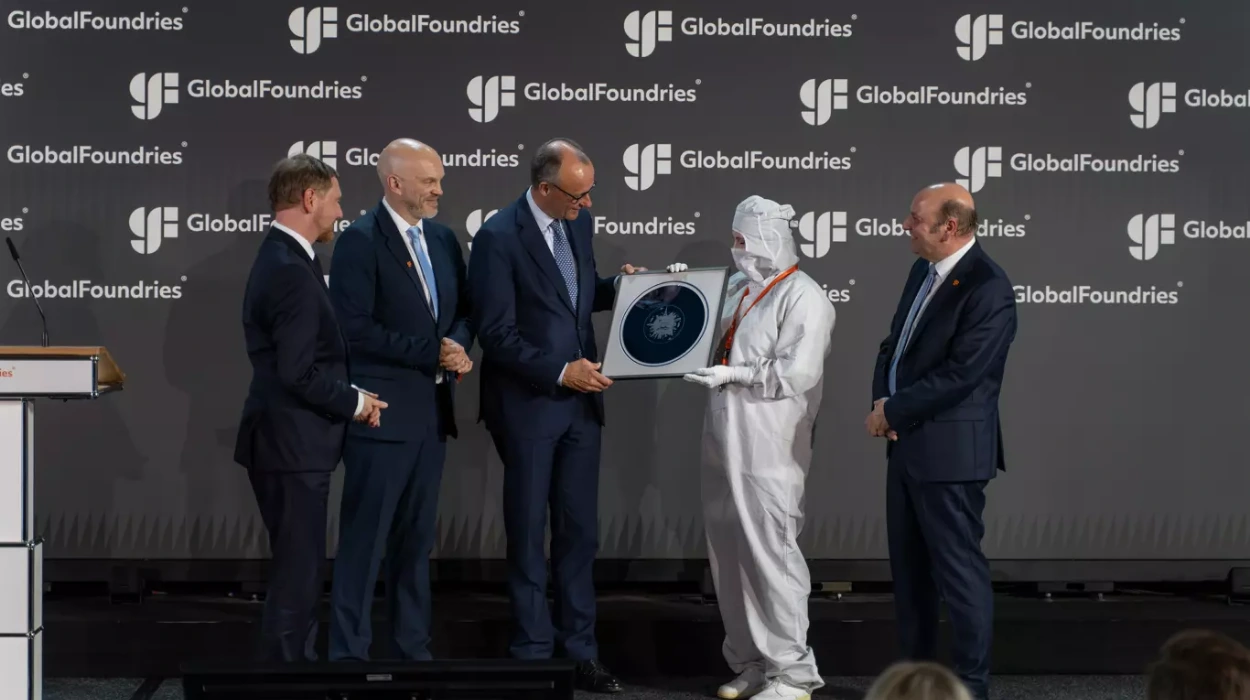
Germany hosts three facilities in Dresden, Munich, and Frankfurt with combined 2.5 million chip capacity annually. France allocates two sites near Grenoble and Sophia Antipolis targeting AI server assembly. The Netherlands, Sweden, Italy, Spain, and Ireland each host one gigafactory specialising in complementary technologies.
Total output targets 20 percent of global AI hardware demand by 2030. Phase one construction begins Q3 2026 creating 18,000 direct jobs. Each site covers 200 hectares with cleanroom space exceeding 100,000 square metres.
Funding Structure and Private Sector Commitments
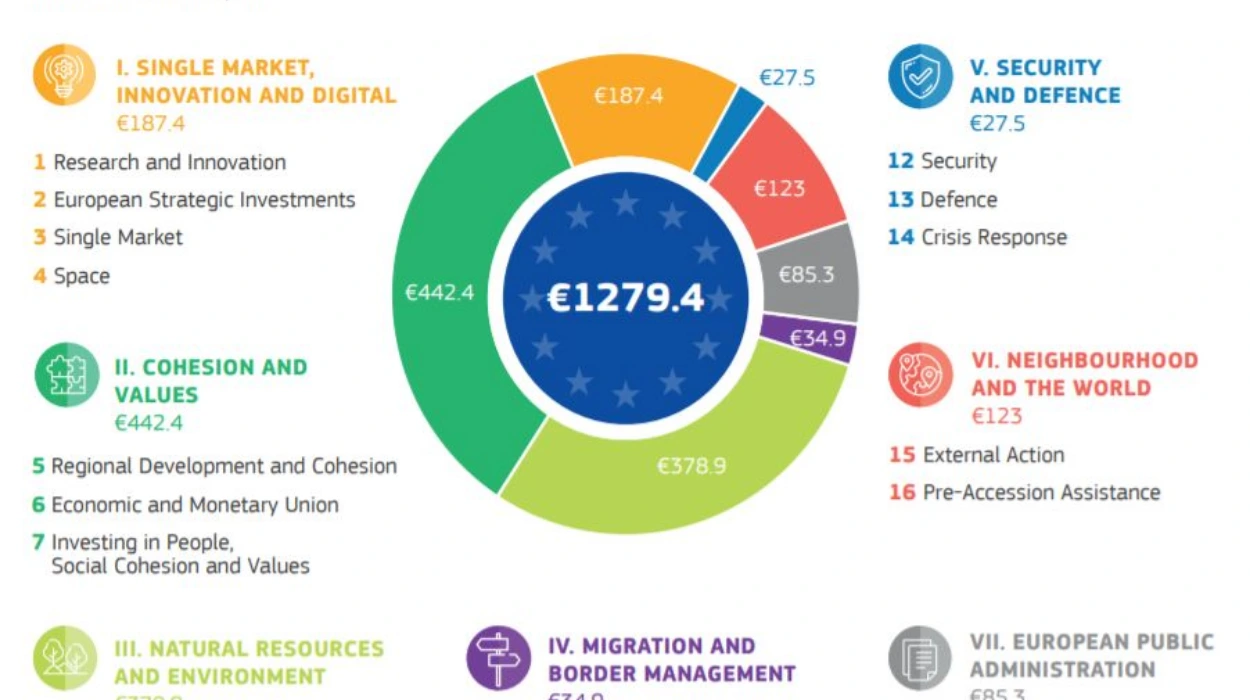
European Council allocated €15 billion from the EU budget’s Horizon Europe and Digital Europe programmes. Member states contribute €12 billion in national co-financing. Private consortium led by ASML, Infineon, STMicroelectronics, and Nokia pledges €25 billion.
Equity investments total €18 billion with €7 billion in debt financing from European Investment Bank. First-mover advantage grants include €2.4 billion for German sites.
Technology Focus and Supply Chain Integration
Gigafactories prioritise 2nm and 1.4nm semiconductor processes for AI workloads. High-bandwidth memory (HBM) production targets 15 percent global market share. Liquid-cooled server racks designed for 150kW per rack density.
Domestic supply chain secures 65 percent local content ratio by 2029. Photonic interconnect development receives €1.8 billion dedicated funding. Quantum co-processors integrate into five facilities.
Strategic Objectives and Geopolitical Context
Council declaration cites AI hardware sovereignty as primary national security priority. Current 4 percent European share of global AI chip production cited as strategic vulnerability. US CHIPS Act and Taiwan earthquake risks prompt urgent capacity buildout.
Facilities ensure compliance with EU AI Act high-risk classifications from day one. Export controls harmonise with US BIS Entity List designations.
Construction Timeline and Milestone Payments
Site preparation contracts awarded to BESIX and Vinci for seven locations by March 2026. Cleanroom module deliveries scheduled Q4 2026 from ASML suppliers.[conversation_history] Pilot production lines operational by Q2 2028.
Milestone payments release €3.2 billion upon 100,000 wafer starts monthly. Full capacity certification required by December 2030.
Workforce Development and Training Programmes
Vocational academies established at each site training 45,000 technicians by 2028. University partnerships with TU Delft, ETH Zurich, and Politecnico di Milano. PhD programmes in AI hardware expand to 2,800 researchers annually.
Gender balance targets 35 percent female employment across engineering roles.
Energy Supply and Sustainability Requirements
Gigafactories connect to dedicated 5GW renewable capacity across solar, wind, and geothermal. Closed-loop water cooling systems recycle 92 percent usage. Carbon-neutral certification mandatory by 2030 per EU Taxonomy.
Battery storage systems totalling 3GWh ensure uninterrupted power delivery.
Intellectual Property and Standards Development
Joint IP framework grants EU pre-emption rights on critical architectures. Open standards development mandates 25 percent reference designs public domain. Patent pooling agreement covers 1,200 families across consortium members.
Regulatory Approvals and State Aid Clearance
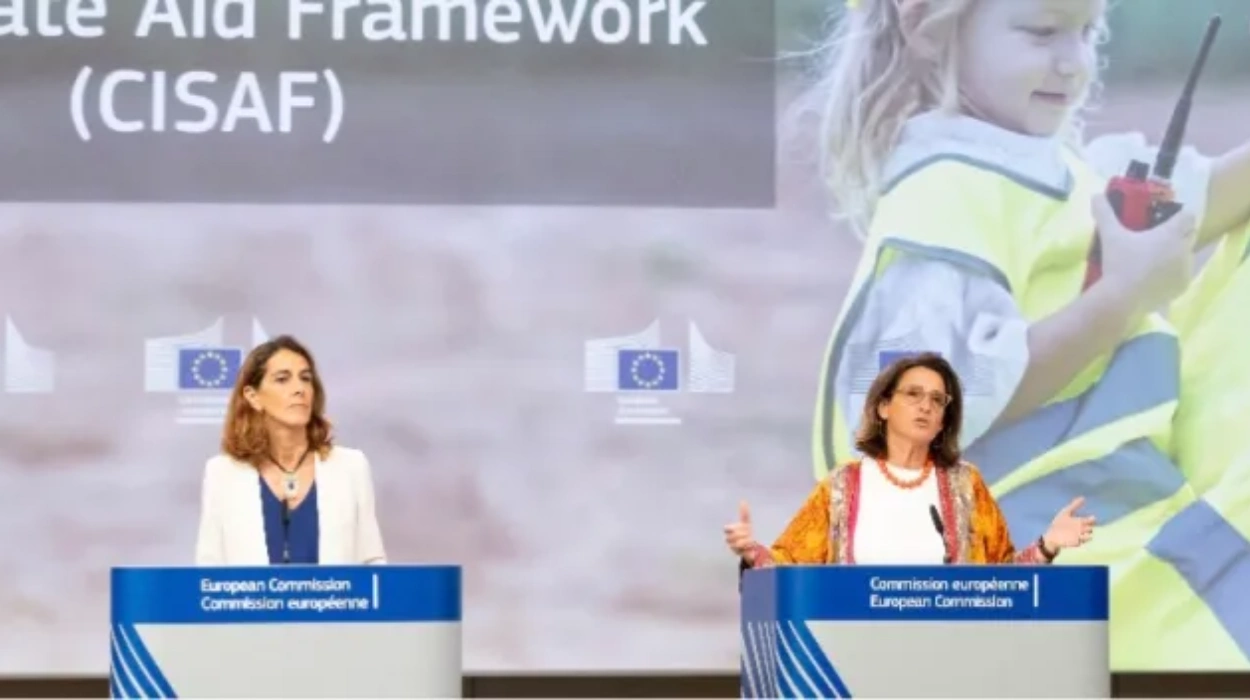
European Commission approved state aid scheme under Article 107(3)(c) TFEU. Nine member state notifications cleared simultaneously 15 January 2026. Merger control filings submitted to all relevant national authorities.
Foreign direct investment screening completed without objections.
Industry Consortium Composition and Governance
Founding members include ASML, IMEC, Fraunhofer, CEA-Leti research institutes. Governance structure features rotating presidency among member states. Annual stakeholder assembly includes SME suppliers and labour representatives.
Global Market Positioning Strategy
Production prioritises European hyperscalers and sovereign cloud providers. Export markets target Japan, South Korea, and Australia under trusted supplier status. Long-term contracts signed with 14 government customers.
Complementary Ecosystem Investments
€4.2 billion wafer fab expansion for legacy nodes supporting AI infrastructure. Packaging and test capacity doubles to 1.2 million units daily. EDA software development receives €650 million public grant.
Risk Mitigation and Contingency Planning
Geopolitical risk insurance covers 85 percent of capital expenditure. Dual-sourcing strategy across three continents for critical equipment. Water rights secured for 25-year operating horizon.
Supply chain resilience tested through annual stress scenarios.