
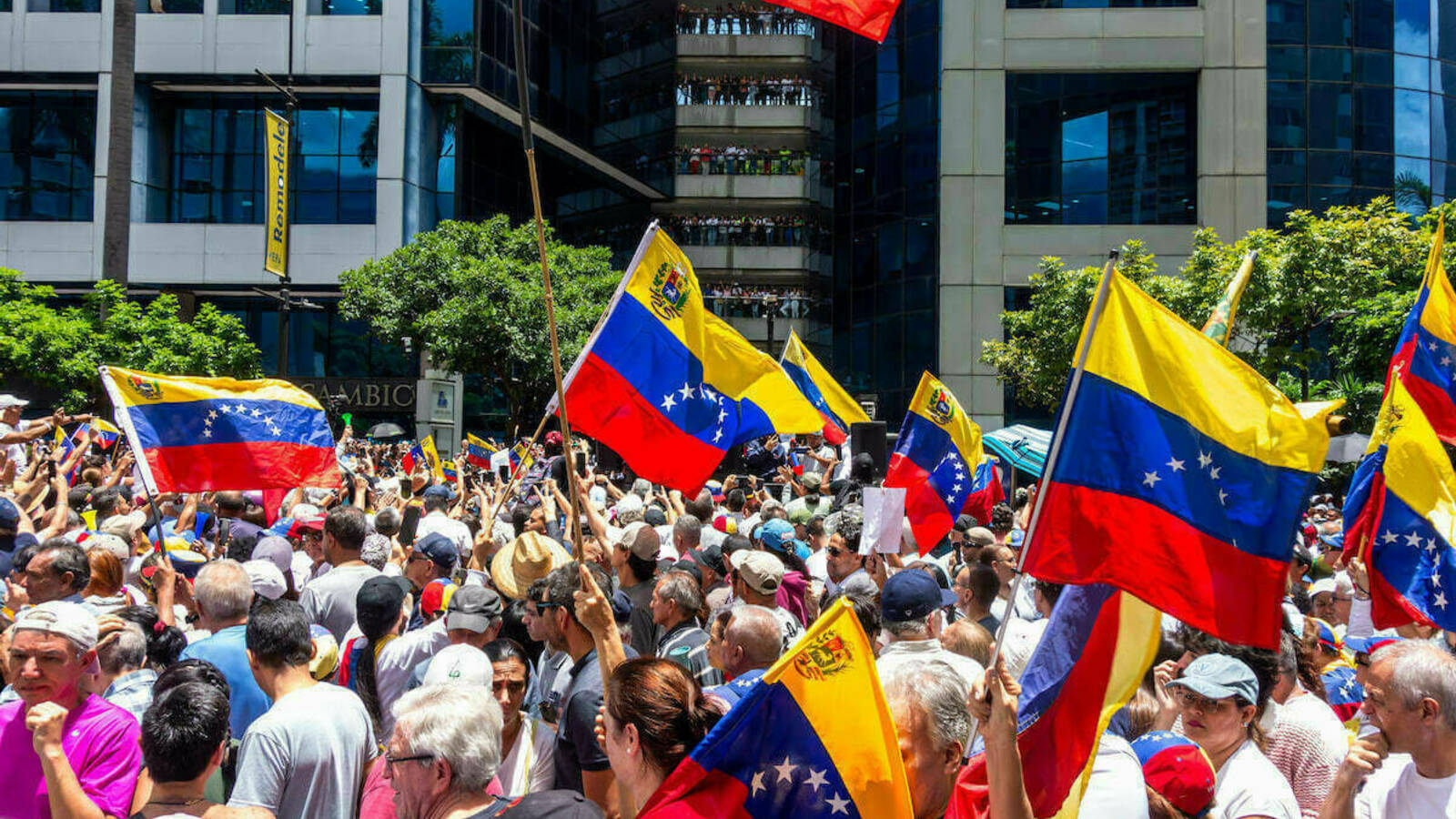
CARACAS, January, 2026 — Brussels Morning Newspaper notes that Venezuela has reached a decisive political juncture as national and international attention converges on Venezuela Free Elections, a process increasingly framed as the cornerstone of democratic legitimacy and long-term stability in the country. Political leaders, civil society actors, and global partners are closely watching how 2026 unfolds, viewing the coming months as a defining period for Venezuela’s institutional future.
A Long Road to Political Credibility
Venezuela’s modern political history has been shaped by prolonged polarization, institutional erosion, and public distrust. Over the past decade, repeated electoral disputes and governance challenges have undermined confidence in state institutions. Many Venezuelans have experienced elections not as moments of empowerment, but as sources of frustration that deepened political divides.
Against this backdrop, the renewed emphasis on Venezuela Free Elections reflects a broader societal demand for transparency, accountability, and genuine representation. The issue has evolved beyond partisan competition, becoming a national question about how authority is granted and sustained.
Opposition Strategy Shifts Toward Institutional Reform
Opposition leadership has undergone a notable transformation in tone and strategy. Rather than focusing exclusively on immediate power transitions, opposition figures are now prioritizing electoral guarantees, legal safeguards, and international oversight. This shift is widely interpreted as an effort to restore credibility and unify fragmented political forces.
The call for Venezuela Free Elections is central to this strategy, serving as a rallying point that resonates across ideological and social lines. By framing elections as a shared civic objective, opposition leaders aim to rebuild trust among voters who have grown skeptical of political promises.
International Engagement and Diplomatic Signals
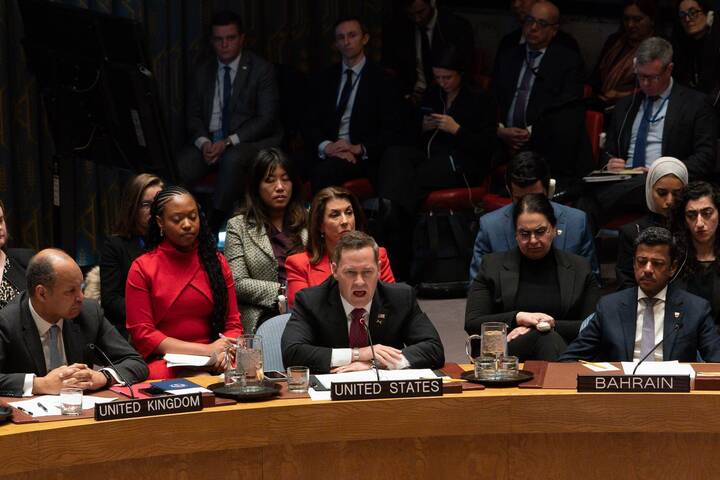
Foreign governments and multilateral organizations have intensified their engagement with Venezuela as 2026 approaches. Diplomatic discussions increasingly emphasize electoral integrity as a prerequisite for normalization of relations, economic cooperation, and regional stability.
For international actors, Venezuela Free Elections represent not only a domestic democratic issue but also a matter of hemispheric importance. Migration flows, energy markets, and regional security considerations have elevated Venezuela’s political trajectory on global agendas.
Civil Society Reemerges as a Political Force
Beyond formal political institutions, Venezuelan civil society has become increasingly visible and organized. Grassroots movements, professional associations, faith-based groups, and student organizations are actively promoting civic education and peaceful participation.
These actors view Venezuela Free Elections as essential to restoring citizens’ sense of agency. Community forums, local assemblies, and digital platforms have expanded public debate, reinforcing the idea that democratic renewal must be inclusive and bottom-up.
Economic Stakes of Electoral Credibility
The economic implications of political legitimacy are profound. Years of instability have discouraged investment, weakened public services, and accelerated emigration. Economists widely agree that credible elections could unlock pathways to recovery by improving investor confidence and reengaging international financial institutions.
In this context, Venezuela Free Elections are increasingly linked to economic expectations. Many citizens associate political transparency with the possibility of job creation, currency stabilization, and improved access to basic goods.
Security Environment and Voter Confidence
Security concerns remain one of the most sensitive aspects of the electoral debate. Past elections were marred by allegations of intimidation and uneven enforcement of electoral rules. Ensuring voter safety and neutrality of security forces is therefore a critical challenge.
Observers argue that Venezuela Free Elections cannot succeed without credible guarantees that voters, candidates, and election workers are protected. Confidence in physical security is seen as inseparable from trust in electoral outcomes.
Media Access and the Information Landscape
Access to reliable information remains uneven across Venezuela. While traditional media outlets face constraints, digital platforms and independent journalists have expanded their reach, particularly among younger audiences.
A free flow of information is widely regarded as a prerequisite for Venezuela Free Elections, as informed voters are better equipped to evaluate platforms, policies, and leadership claims. Media pluralism is thus increasingly discussed as part of broader electoral reform.
Generational Expectations and Political Renewal
Younger Venezuelans are emerging as a decisive demographic force. Many have grown up amid economic hardship and political uncertainty, shaping a generation that is both skeptical and politically aware.
For these voters, Venezuela Free Elections symbolize a break with entrenched practices and an opportunity to redefine civic participation. Youth-led initiatives focusing on transparency, digital engagement, and social accountability are reshaping political discourse.
Regional Implications Across Latin America
Venezuela’s political direction carries consequences well beyond its borders. Neighboring countries hosting millions of Venezuelan migrants are closely monitoring developments, as political stabilization could influence migration patterns and regional cooperation.
Regional leaders increasingly frame Venezuela Free Elections as a test case for democratic resilience in Latin America, where institutions face growing pressures from polarization and public disillusionment.
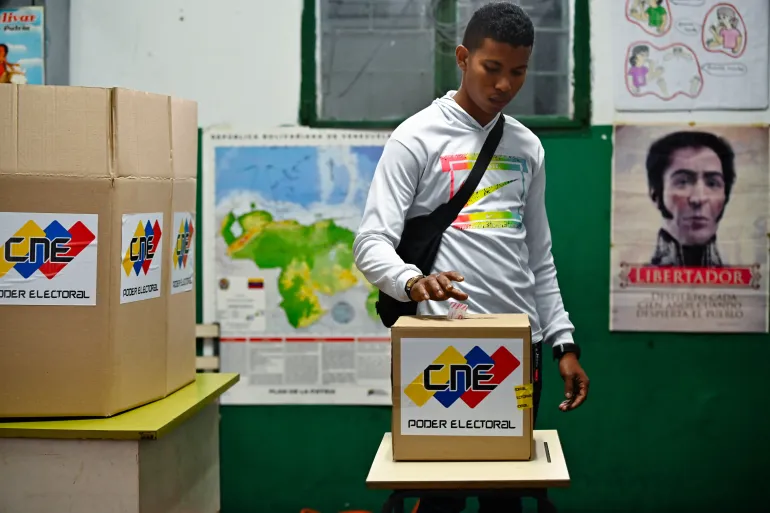
Legal Frameworks and Electoral Institutions
Legal scholars emphasize that sustainable elections depend on institutional reform. Updating voter registries, ensuring independence of electoral authorities, and strengthening judicial oversight are viewed as foundational steps.
Progress in these areas is often cited as evidence that Venezuela Free Elections are achievable through structured reforms rather than abrupt political ruptures.
Opposition Unity and Political Pluralism
Opposition fragmentation has historically weakened democratic efforts. Recent moves toward coalition-building and coordinated messaging aim to avoid past mistakes.
A unified approach strengthens the credibility of demands for Venezuela Free Elections, presenting voters with a coherent alternative grounded in pluralism and rule of law.
The Role of the Venezuelan Diaspora
Venezuela’s diaspora remains deeply engaged in national politics. Through advocacy, remittances, and international lobbying, expatriate communities continue to influence diplomatic discussions and public opinion.
Diaspora voices have amplified calls for Venezuela Free Elections, reinforcing global awareness and accountability at a time when international attention is critical.
A Single Defining Voice
“The future of Venezuela depends on restoring the people’s right to choose freely and transparently,”
opposition leader María Corina Machado said during a public address earlier this year.
Institutional Trust and Public Expectations
Trust in institutions remains fragile. Surveys indicate that while public skepticism persists, there is cautious optimism that meaningful reforms are possible if commitments translate into action.
For many citizens, Venezuela Free Elections are viewed as the minimum condition for rebuilding faith in governance and reestablishing a social contract between the state and its people.
What 2026 Represents for Venezuela
As the year unfolds, Venezuela stands at a defining crossroads. Competing pressures — political negotiation, civic mobilization, economic urgency, and international diplomacy — converge in shaping possible outcomes.
The emphasis on Venezuela Free Elections encapsulates these tensions, representing both a challenge to entrenched power structures and a pathway toward institutional renewal.
A Defining Moment for Democratic Continuity
History often turns on moments when collective expectations align with political opportunity. Venezuela’s current phase reflects such a moment, where sustained civic engagement and institutional reform could alter the nation’s trajectory.
Whether aspirations translate into durable change will depend on accountability, inclusion, and vigilance. As 2026 progresses, the pursuit of Venezuela Free Elections remains the central measure by which Venezuela’s democratic future will be judged.