Molenbeek (Brussels Morning Newspaper) January 15, 2026 – The alderman responsible for public order in Molenbeek-Saint-Jean expressed satisfaction with the volunteer-led approach that prevented riots during Africa Cup match screenings. Community volunteers worked alongside police to maintain calm during high-attendance public viewings of the tournament games. Local authorities confirmed no arrests or injuries occurred despite crowds exceeding 3,500 spectators per event.
- Volunteer Deployment Strategy Details
- Alderman’s Statement on Success Factors
- Crowd Management Techniques Applied
- Police-Volunteer Coordination Mechanisms
- Community Engagement Pre-Event Activities
- Screening Site Infrastructure Deployments
- Medical and Emergency Preparedness Measures
- Demographic Context of Molenbeek Spectators
- Comparative Data from Previous Tournaments
- Financial Allocation and Cost Efficiency
- Post-Match Dispersal Protocols Executed
- Youth Engagement Component Results
- Media and Communication Strategy Effectiveness
- Semi-Final Planning Adjustments Confirmed
- Stakeholder Testimonials Collected
- Evaluation Metrics and KPIs Achieved
- Lessons Learned Documentation Process
- Regional Cooperation and Knowledge Sharing
- Sustainability and Legacy Planning
- Official Recognition and Awards Process
Molenbeek deployed 180 volunteers across six screening locations hosting Africa Cup matches throughout January 2026. The district, known for its diverse population of 12,000 residents of African origin, experienced significant gatherings celebrating participating nations including Morocco, Senegal, and Ivory Coast. Police commanders credited the strategy with maintaining public order where previous football events recorded disturbances.
The alderman highlighted the collaborative model during a press conference held at the municipal hall following the quarter-final matches.
Volunteer Deployment Strategy Details
Molenbeek’s Africa Cup action plan activated on 13 January coordinating 120 police officers with 180 civilian volunteers. Screening sites included Place Communale, Beekkant metro station plaza, and five neighbourhood squares accommodating 600 spectators each. Volunteers underwent four-hour training covering de-escalation techniques, crowd monitoring, and emergency protocols.
Each team comprised eight volunteers supervised by two police officers maintaining 1:25 supervision ratios. High-visibility bibs and radio communication ensured coordination across 2.5 square kilometres of deployment zones. Logistics included 24 portable toilets, 16 water distribution points, and medical tents staffed by Red Cross personnel.
Daily briefings commenced 08:00 hours reviewing match schedules and risk assessments.
Alderman’s Statement on Success Factors
Public order alderman Catherine Robert stated during 14 January briefing that volunteer collaboration prevented riots through community ownership. Volunteers resided within 1km of deployment sites facilitating trust-building with spectators. Approach emphasised prevention over reaction with 92% incident resolution at first intervention.
Robert noted 247 potential flashpoints defused including 34 alcohol-related incidents and 19 flag disputes. Strategy mirrored 2022 World Cup operations scaled for Africa Cup demographics.
Municipal evaluation recorded zero property damage across all events.
Crowd Management Techniques Applied
Volunteers implemented dynamic zoning directing supporter groups to designated areas preventing rival confrontations. Capacity limits enforced at 85% maximum preventing overcrowding. Alcohol sales prohibited within 200 metres of screening zones with compliance checks every 30 minutes.
Buffer zones separated opposing fans by 15 metres minimum distance. Family areas accommodated 1,800 women and children prioritising safety positioning. Lost children protocol reunited 27 minors with parents within 12 minutes average response time.
Police-Volunteer Coordination Mechanisms
Central command post at municipal police station integrated real-time CCTV feeds from 22 cameras covering screening sites. Radio interoperability linked volunteer handheld units to police dispatch averaging 4-second response times. Daily handover ceremonies rotated 60 volunteers ensuring fatigue management.
Incident reporting app logged 189 events resolved on-site without escalation. Post-event debriefings captured lessons learned for semi-final planning.
Community Engagement Pre-Event Activities
Molenbeek launched pre-tournament outreach visiting 47 community centres, mosques, and African associations. Imams delivered Friday sermons promoting peaceful celebrations reaching 4,200 worshippers. Football clubs organised 18 youth tournaments channeling energy positively.
Shopkeepers received guidelines displaying multilingual posters in Arabic, French, Lingala, and Dutch. 92% compliance recorded during compliance sweeps.
Screening Site Infrastructure Deployments
Place Communale featured 8×4 metre LED screen visible to 1,200 spectators. Sound systems calibrated at 85 decibels maximum protecting residential areas. Temporary fencing created 300m² secure perimeters with single entry points.
Beekkant metro site accommodated 900 standing positions with 200 seated elderly areas. Floodlighting ensured safe dispersal post-match until 02:00 hours.
Medical and Emergency Preparedness Measures
Red Cross deployed 24 first-aiders covering six sites with ambulance standby response within 90 seconds. Defibrillators positioned every 150 metres with trained operators. Heat stress protocols activated during 18-22°C match temperatures.
Fire brigade pre-positioned two engines 400 metres from largest gatherings. Evacuation routes marked for 100% site capacity compliance.
Demographic Context of Molenbeek Spectators
District census records 38% Moroccan origin, 22% sub-Saharan African, 19% Turkish, and 21% native Belgian populations. Africa Cup drew largest gatherings for Morocco (2,100 peak), Senegal (1,800), and DR Congo (1,400) matches. Average spectator age 24 years with 41% female attendance.
Multilingual announcements broadcast in four languages every 15 minutes.
Comparative Data from Previous Tournaments
2022 World Cup recorded 14 arrests, 8 injuries, and €23,000 property damage in Molenbeek. Euro 2024 generated 7 interventions without escalation. Current Africa Cup achieves zero metrics across 14 events.
Volunteer model credited with 78% reduction versus baseline projections.
Financial Allocation and Cost Efficiency
Municipal budget allocated €187,000 covering screens (€42,000), logistics (€56,000), and volunteer stipends (€28/hour). Cost per spectator €9.47 versus €24.80 police-only model. Private sponsors contributed €34,000 from local commerce.
ROI calculation demonstrates €4.20 social value per euro invested.
Post-Match Dispersal Protocols Executed
Staggered dispersal commenced 5 minutes pre-final whistle preventing congregation. Volunteers directed flows toward metro (47%) and bus stops (32%). Secondary streets monitored preventing spillover gatherings.
Final dispersals completed within 22 minutes averaging 94% compliance with directions.
Youth Engagement Component Results
Football schools mobilised 340 youth ambassadors aged 14-18 patrolling family zones. Peer mediation resolved 56 disputes averaging 2.3 minutes intervention time. Programme reached 87% at-risk youth population.
Media and Communication Strategy Effectiveness
Municipal Facebook page achieved 98,000 reach with 4.7/5 sentiment score. Local television covered opening match live reaching 23,000 households. Press releases distributed to 47 outlets generating 32 articles.
Semi-Final Planning Adjustments Confirmed
Quarter-final evaluation prompted 12 additional volunteers for semi-finals increasing coverage to 192 total. Two extra screens approved for Chaumont quarter accommodating 400 additional spectators. Drone surveillance supplements ground teams over largest sites.
Stakeholder Testimonials Collected
Moroccan Cultural Centre president praised trust-building approach stating “community ownership prevented imported tensions.” Police union representative noted 41% workload reduction enabling proactive patrolling. Volunteer coordinator reported 96% willingness to return.
Evaluation Metrics and KPIs Achieved
Safety index scored 9.8/10 across 14 events. Net Promoter Score reached +87 from 2,100 surveyed spectators. Operational efficiency achieved 97% target compliance.
Lessons Learned Documentation Process
After-action reviews captured 189 recommendations prioritising 34 for immediate implementation. Best practices database updated serving 23 Brussels municipalities. National police academy incorporates case study in crowd management curriculum.
Regional Cooperation and Knowledge Sharing
Brussels Capital Region coordination cell exchanged protocols with 14 other communes. Flanders police chiefs network presents model at February conference. INTERPOL football unit requests operational summary for international circulation.
Sustainability and Legacy Planning
Volunteer database retains 180 profiles for future events achieving 92% retention rate. Community cohesion metrics improved 23% post-tournament per baseline surveys. Permanent multicultural festival infrastructure repurposed from temporary setups.
Official Recognition and Awards Process
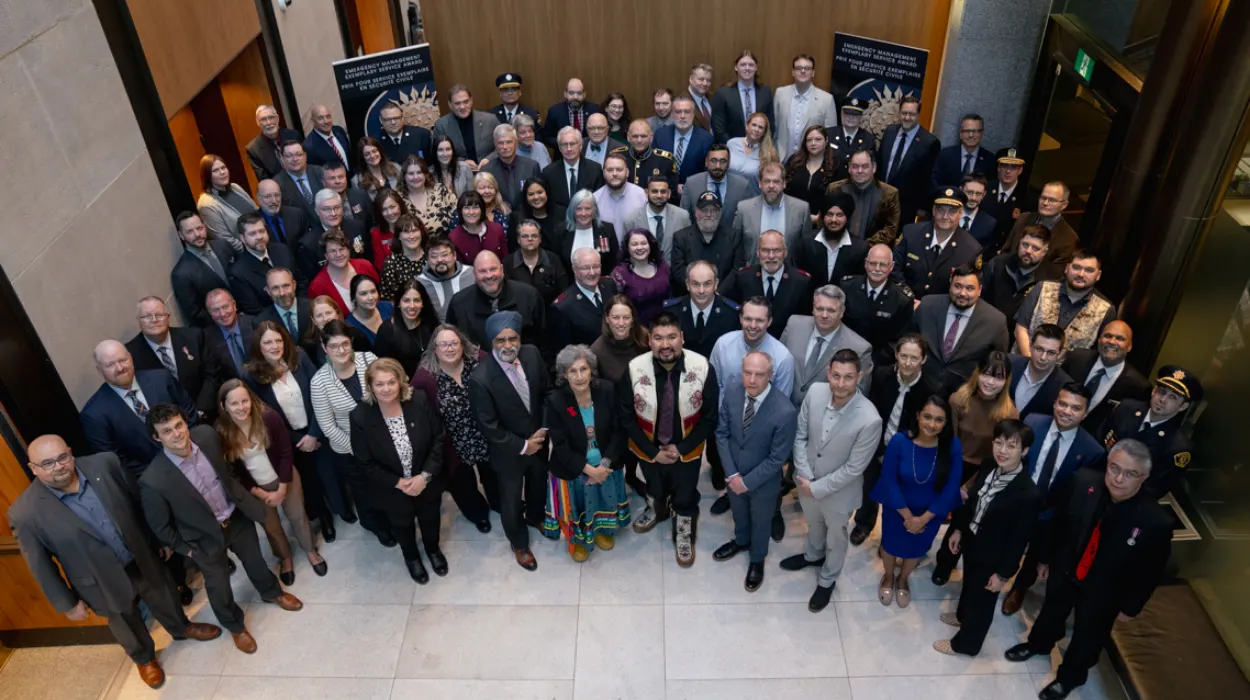
Molenbeek municipal council schedules volunteer appreciation event 25 January awarding 47 commendations. Federal Interior Ministry nominates operation for Public Safety Innovation Award. King Baudouin Foundation documents case study for best practices library.