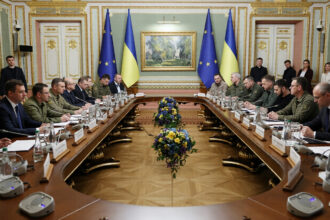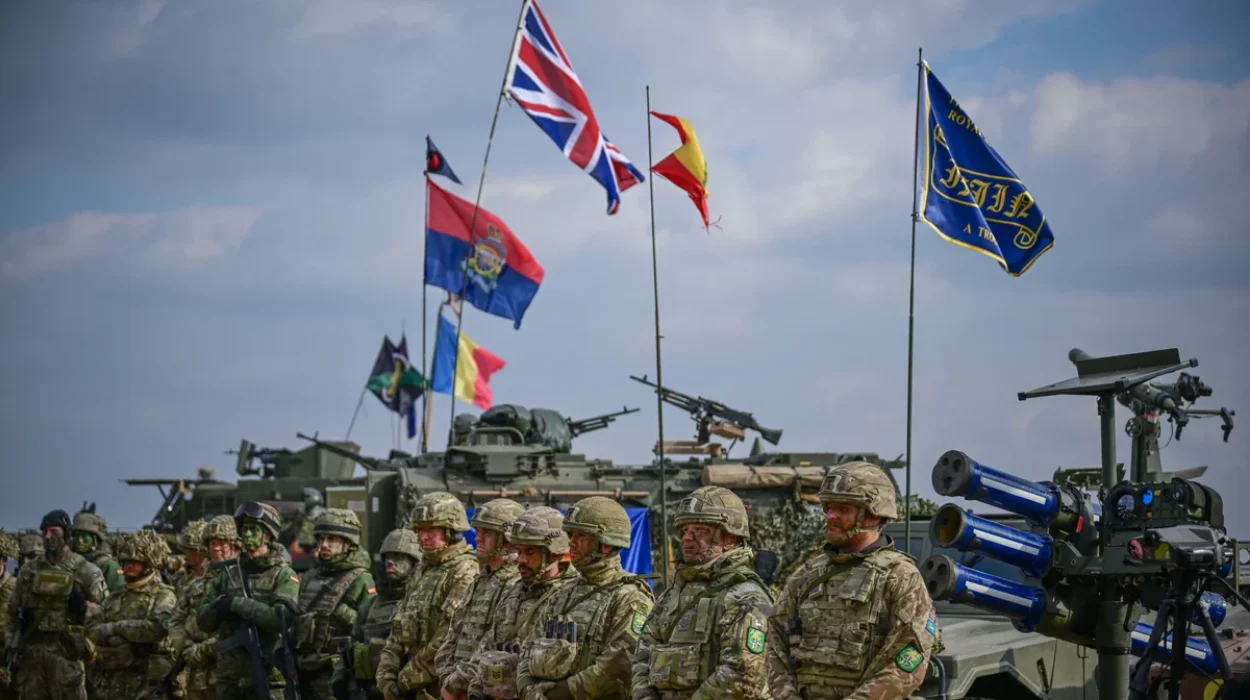
Brussels (Brussels Morning Newspaper) 14 January 2026 – Europe’s defence sector has undergone significant changes since Russia’s full-scale invasion of Ukraine in February 2022. Governments across the continent have increased defence spending substantially. Plans to bolster military ranks continue almost four years into the conflict.
- Surge in Defence Budgets Across European Nations
- Expansion of Military Production and Contracts
- Recruitment Drives to Bolster Military Ranks
- NATO’s Role in Coordinating European Efforts
- Impact on Key Defence Companies and Markets
- Shifts in Procurement Strategies and Supply Chains
- Regional Variations in Defence Posture Changes
- Long-Term Investment in Emerging Technologies
- Ongoing Challenges in Workforce and Infrastructure
- European Union’s Defence Initiatives Post-2022
The invasion prompted European nations to reassess their security postures. NATO members are committed to higher defence budgets, with many achieving the 2% of GDP target set in 2014. Spending reached record levels in 2025, driven by the need to replenish stockpiles and modernise forces.
Surge in Defence Budgets Across European Nations
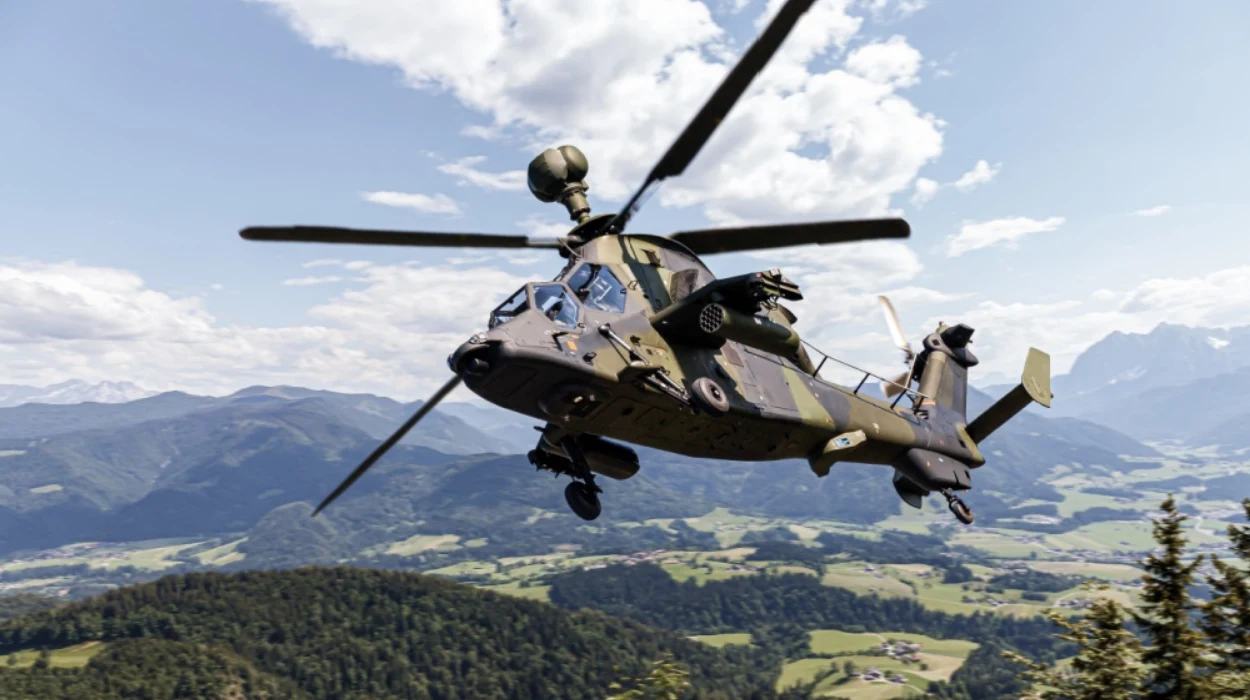
European defence expenditure totalled €326 billion in 2024, up 17% from the previous year. Poland led with 4.1% of GDP allocated to defence, followed by Estonia at 3.4% and Latvia at 3.1%. Germany approved a €100 billion special fund in 2022, earmarking funds for tanks, aircraft and submarines.
France increased its budget to €47.7 billion in 2025, focusing on nuclear deterrence and cyber capabilities. The United Kingdom committed £75 billion over five years through its Strategic Defence Review. Baltic states ramped up procurement of artillery and air defence systems amid proximity to Russia.
European Commission President Ursula von der Leyen announced the European Defence Industry Programme in March 2024, allocating €1.5 billion to enhance production capacities. Member states agreed to prioritise intra-EU procurement, aiming to reduce reliance on non-European suppliers.
Expansion of Military Production and Contracts
Defence firms reported unprecedented order books. Rheinmetall of Germany expanded factory output for Leopard 2 tanks and 155mm artillery shells. BAE Systems in the UK secured contracts for Typhoon jets and Astute-class submarines. Thales and Saab in France and Sweden ramped up missile and radar production.
Leonardo in Italy delivered M346 trainer aircraft to Poland, while KNDS, a Franco-German venture, advanced the MGCS next-generation tank project. Production lines operated at full capacity, with some facilities adding shifts to meet demand. Shell deliveries to Ukraine exceeded one million rounds by late 2025.
Joint procurement initiatives gained traction. The European Sky Shield project united 15 nations to acquire Patriot and IRIS-T systems. The European Multirole Helicopter programme selected the Airbus H145M for special forces use.
Recruitment Drives to Bolster Military Ranks
Governments launched campaigns to expand personnel numbers. The UK aimed to recruit 15,000 troops annually, introducing skills-based entry and retention bonuses. France extended service obligations and offered signing premiums up to €10,000 for cyber specialists.
Poland conscripted 200,000 reservists for training and planned a 300,000-strong active force. Germany reinstated compulsory service debates, targeting 203,000 soldiers by 2031. Baltic countries introduced selective conscription, emphasising territorial defence units.
NATO’s Madrid Summit in 2022 set brigade targets, prompting nations to form 300,000 high-readiness troops. Finland and Sweden, post-accession, integrated forces into alliance structures, adding 900,000 personnel collectively.
NATO’s Role in Coordinating European Efforts

NATO Secretary General Jens Stoltenberg hailed the spending increases at the 2025 Washington Summit. Allies met the 2% pledge for the first time, with 23 of 32 members compliant. The alliance invoked Article 4 consultations multiple times since 2022.
Defence Production Action Plan streamlined munitions output, targeting 3,000 air-launched missiles annually by 2030. Innovation funds supported drones and AI systems, with €1 billion committed to dual-use technologies.
Impact on Key Defence Companies and Markets
Rheinmetall shares rose 300% since 2022, reflecting order backlogs exceeding €50 billion. Saab’s Gripen exports to Romania and Hungary filled production queues through 2030. Dassault Aviation prioritised Rafale deliveries to Indonesia and UAE alongside European orders.
Merger activity intensified. Acquisition of smaller firms bolstered supply chains for electronics and propulsion. Venture capital flowed into startups developing loitering munitions and counter-drone systems.
Shifts in Procurement Strategies and Supply Chains
Ministers pledged 50% of defence purchases within Europe by 2030 under the Strategic Compass. Single European Sky for Defence addressed air traffic management gaps. PESCO projects advanced 60 initiatives, including cyber rapid response teams and military cloud services.
Ukraine aid totalled €65 billion from European states, including 1.6 million artillery rounds and 230 tanks. Replenishment contracts sustained production surges.
Regional Variations in Defence Posture Changes
Eastern Europe led transformations. Romania blacklisted non-NATO gear, opting for F-35 jets. Bulgaria approved Patriot purchases worth €1.25 billion. Southern nations like Greece and Italy reinforced naval assets amid Mediterranean tensions.
Nordic countries harmonised capabilities post-NATO entry. Norway invested in F-35 squadrons and P-8 Poseidon maritime patrol aircraft.
Long-Term Investment in Emerging Technologies
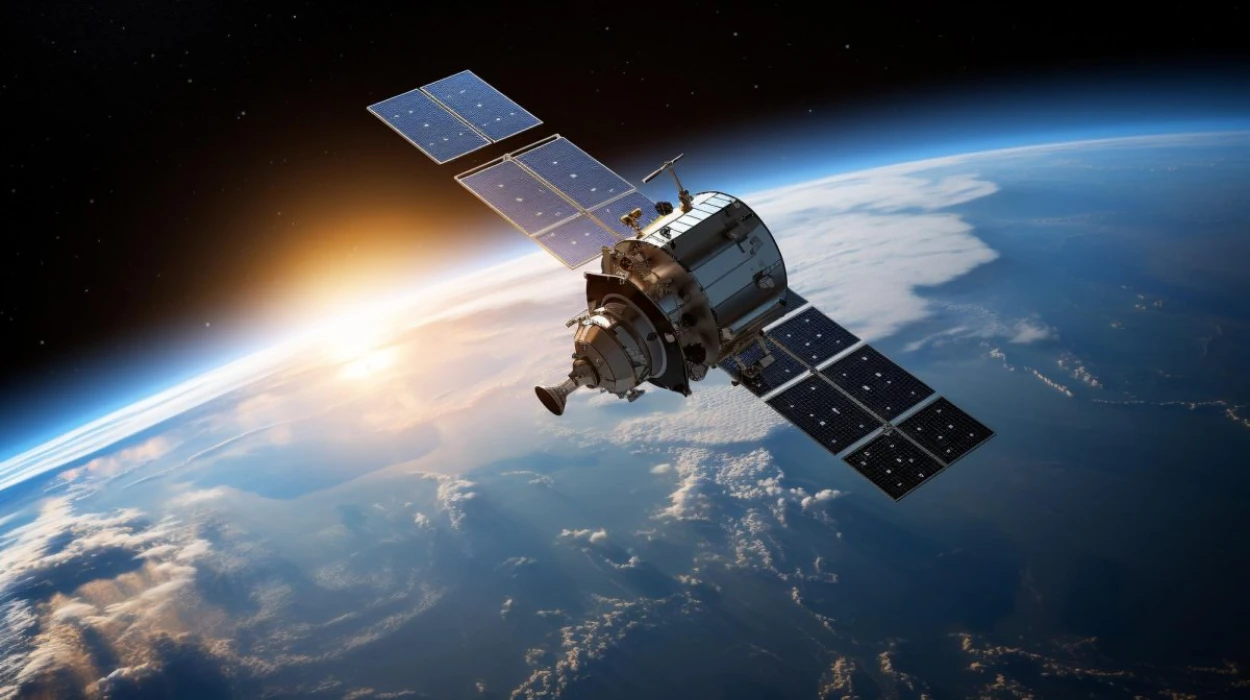
Budgets earmarked funds for hypersonics, directed energy weapons and space surveillance. European Space Agency partnered on military satellite constellations. Quantum computing research received €500 million for secure communications.
Training simulators incorporated Ukraine lessons, emphasising combined arms and urban warfare.
Ongoing Challenges in Workforce and Infrastructure
Shortages of skilled engineers persisted despite recruitment. Apprenticeship programmes trained welders and machinists for tank assembly. Infrastructure upgrades expanded ports for frigate maintenance and runways for drone operations.
Logistics hubs in Poland and Romania stored US-supplied equipment under Enhanced Forward Presence.
European Union’s Defence Initiatives Post-2022
The Fiscal Compact allowed deficit spending for security. Act in Support of Ammunition Production mobilised €500 million in loans. European Defence Fund disbursed €8 billion for 2021-2027, co-financing 61 projects.
European Defence Agency coordinated capability gaps, prioritising air transport and strategic enablers.