Brussels, Belgium January, 2026 — Brussels Morning Newspaper highlights that global oil trading is entering one of its most consequential periods of change in modern history as geopolitical tension, regulatory uncertainty, and shifting demand patterns converge to reshape the movement of crude oil across international markets. At the outset of 2026, the energy system is under pressure from forces that challenge decades of established trade norms, compelling governments, producers, refiners, and traders to rethink how oil is sourced, priced, transported, and secured.
What is unfolding is not a temporary market correction but a deeper transformation that is redefining the balance between politics and economics in the global energy landscape.
Geopolitical Power Becomes the Primary Market Driver
Geopolitics has overtaken traditional fundamentals as the dominant influence on global oil trading, surpassing production capacity, inventory levels, and demand growth as the key determinant of market behavior. Diplomatic disputes, regional conflicts, and shifting alliances have disrupted long-standing supply relationships that once ensured relative predictability in energy flows.
Oil has become a strategic asset deployed to achieve foreign policy objectives, strengthen negotiating positions, and shield domestic economies from external pressure. As a result, political alignment now plays a decisive role in determining access to supply, shaping trade routes, and influencing contract terms.
Sanctions Redefine Access to Supply
Sanctions imposed on major oil-producing nations continue to reshape global oil trading, not by removing supply outright but by redirecting it through alternative channels. These restrictions have fragmented markets into overlapping systems that operate under varying degrees of transparency and regulatory scrutiny.
To sustain flows, market participants have developed complex structures involving intermediaries, extended shipping routes, and layered compliance processes. These arrangements raise transaction costs and embed political risk directly into pricing, contributing to greater volatility and uncertainty across markets.
Trading Firms Expand Their Strategic Role
The evolving environment has elevated trading firms to a central position within global oil trading. As traditional oil companies become more cautious due to legal, regulatory, and reputational risks, intermediaries with expertise in logistics, finance, and compliance have stepped into critical roles.
Their ability to structure flexible agreements, manage multi-jurisdictional transactions, and respond rapidly to political developments has redistributed influence away from vertically integrated producers toward actors capable of operating in uncertainty.
Asia’s Demand Anchors Market Stability
Asia remains a stabilizing force shaping global oil trading, with emerging economies sustaining demand despite broader economic headwinds. China and India continue to secure diversified supply portfolios, prioritizing energy security over cost optimization alone.
This strategy reflects a regional emphasis on resilience. By maintaining relationships with multiple suppliers and remaining flexible on contract structures, Asian buyers are better positioned to absorb geopolitical shocks without severe supply disruptions.
Europe’s Dual Challenge of Security and Sustainability
Europe occupies a complex position within global oil trading, balancing immediate energy security needs with long-term climate objectives. While decarbonization remains a policy priority, recent supply disruptions have reinforced the continued importance of oil in maintaining economic stability.
Governments face pressure from households and industries affected by price volatility, complicating efforts to accelerate energy transition while ensuring affordability and reliability in the near term.
Shipping and Logistics Become Strategic Assets
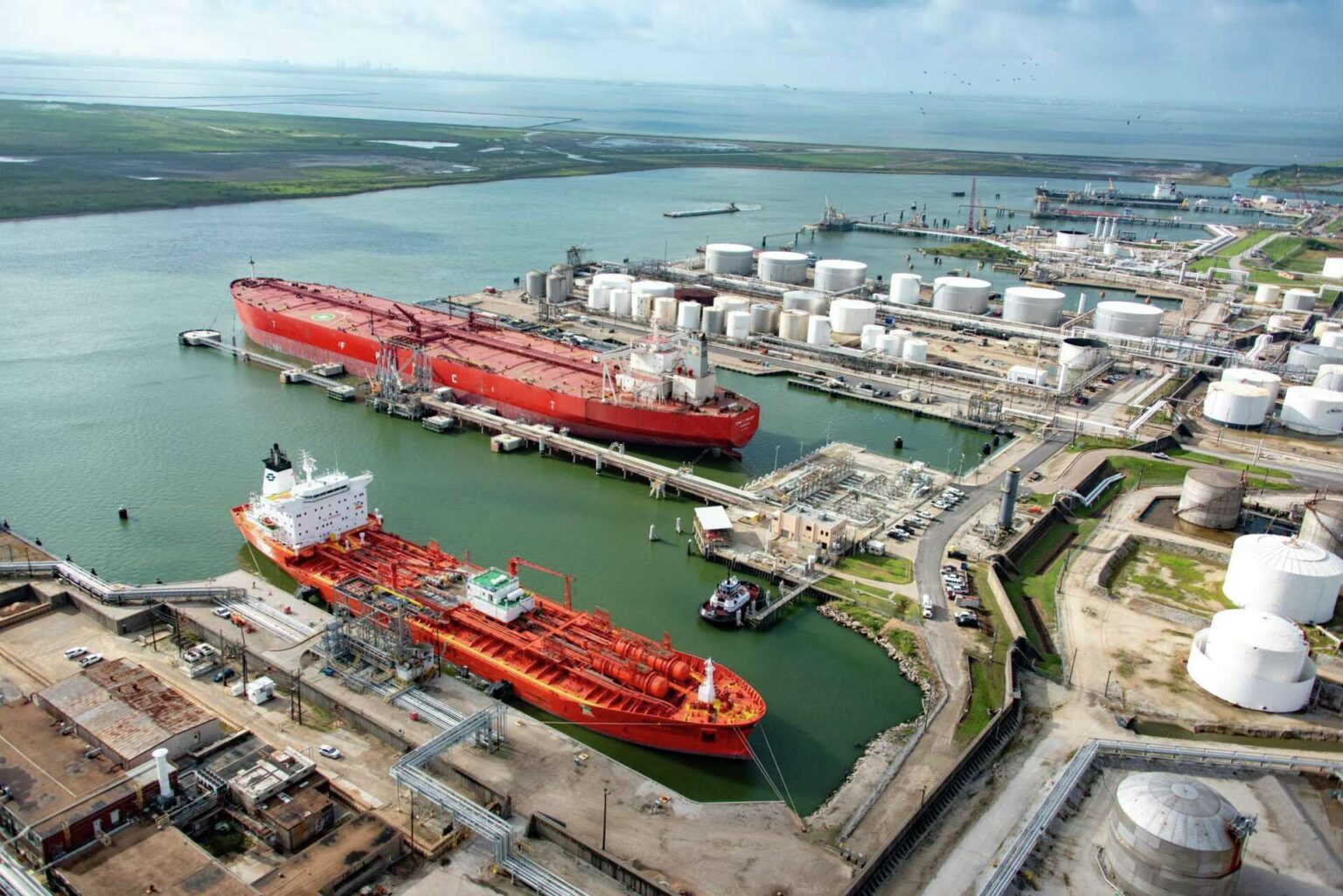
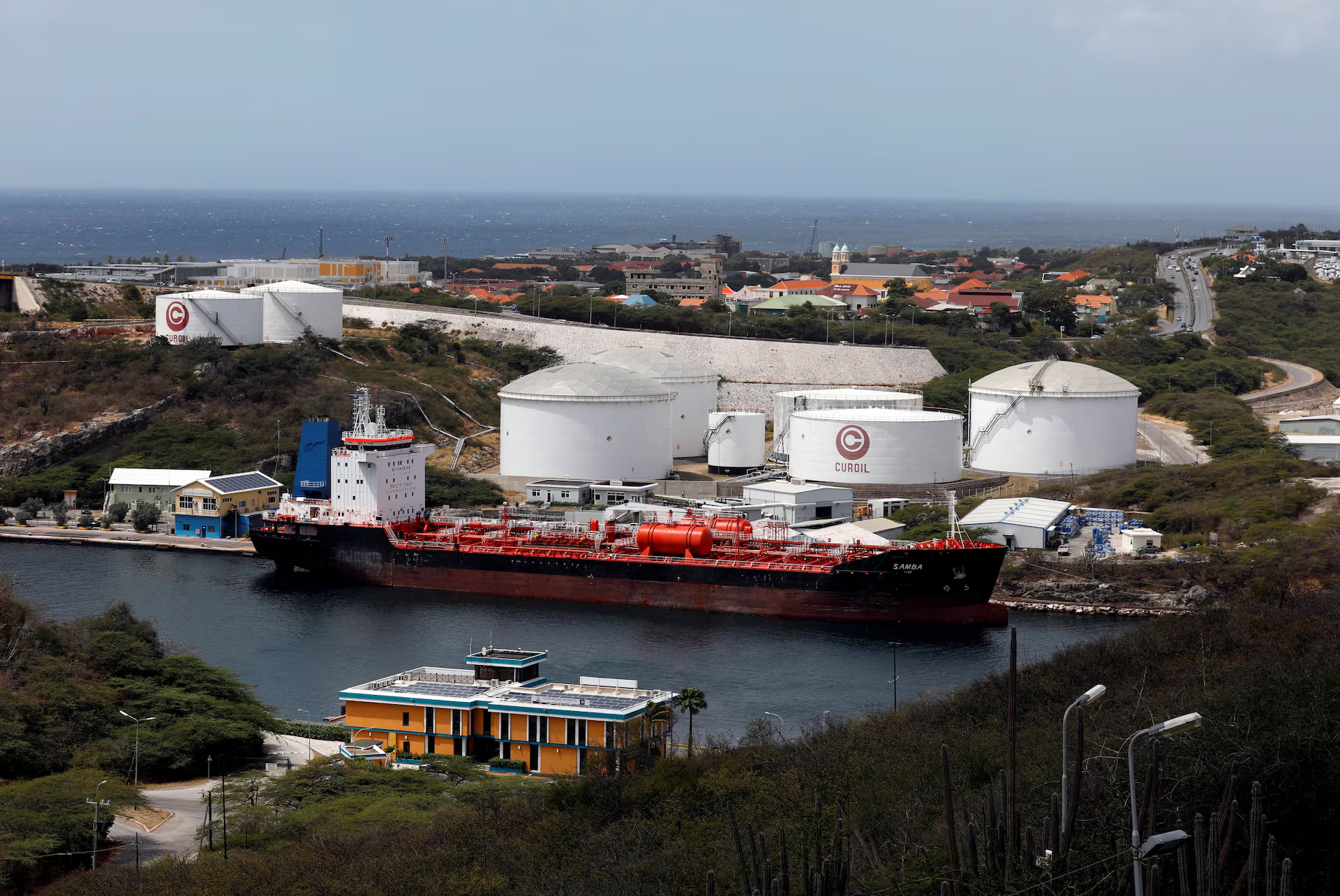
Logistics has emerged as one of the most critical vulnerabilities in global oil trading. Longer trade routes, constrained tanker availability, and rising insurance costs have tightened shipping capacity, making transportation a decisive factor in market outcomes.
Ports, storage terminals, and maritime choke-points now represent strategic assets. Disruptions at these nodes can trigger cascading effects, amplifying price swings and delaying deliveries across multiple regions.
Pricing Mechanisms Reflect Political Risk
Price discovery within global oil trading has become increasingly sensitive to political signals and operational constraints. Futures markets react instantly to diplomatic announcements, while physical markets adjust more gradually based on shipping delays, port congestion, and regulatory compliance issues.
This divergence has widened regional price differentials and reinforced volatility as a defining feature of modern oil markets.
Technology Improves Market Responsiveness
Digitalization is reshaping global oil trading by enhancing transparency, speed, and risk management. Real-time vessel tracking, automated documentation, and advanced analytics enable participants to anticipate disruptions and adjust strategies proactively.
Technology has also strengthened compliance capabilities, allowing firms to navigate increasingly complex regulatory frameworks while maintaining operational efficiency.
Environmental Policy Adds Long-Term Pressure
Environmental policy continues to influence global oil trading, even as oil remains essential to global energy supply. Carbon disclosure requirements, emissions reporting standards, and sustainability benchmarks are increasingly incorporated into commercial agreements.
These measures add administrative complexity while encouraging efficiency improvements and greater accountability throughout the supply chain, shaping long-term investment and operational decisions.
Government Intervention Shapes Market Expectations
Governments have expanded their influence over global oil trading through strategic reserves, regulatory oversight, and coordinated interventions. These measures are designed to stabilize domestic markets and protect consumers from extreme price fluctuations.
However, intervention also alters market expectations, sometimes increasing uncertainty when political priorities conflict with market fundamentals.
Human Judgment Remains Central
Despite technological advances, global oil trading ultimately depends on human judgment exercised under pressure. Traders, analysts, and logistics managers operate across time zones, balancing commercial objectives with geopolitical risk, regulatory compliance, and ethical considerations.
One senior energy analyst said,
“Oil markets today are shaped as much by political judgment as by economic fundamentals.”
Market Outlook for the Remainder of 2026
As the year progresses, global oil trading is expected to remain shaped by adaptation rather than stability. Demand is likely to persist, but participants must navigate regulatory shifts, geopolitical uncertainty, and logistical constraints simultaneously.
Those capable of combining operational flexibility with political awareness and technological capability are likely to maintain a competitive advantage.
Investment Caution and Capital Discipline
Uncertainty surrounding policy, sanctions, and long-term demand has reinforced capital discipline across the energy sector. Investment decisions are increasingly scrutinized, with companies favoring shorter-cycle projects and flexible assets over long-term commitments.
This caution affects production growth, infrastructure development, and long-term supply planning, contributing to tighter market conditions.
Energy Security Reemerges as a Global Priority
Recent disruptions have re-elevated energy security as a central policy concern. Governments are reassessing strategic reserves, supply diversification strategies, and emergency response mechanisms to reduce vulnerability to external shocks.
This renewed focus reinforces the continued relevance of oil within national security frameworks.
Why This Transformation Will Endure
The forces reshaping energy markets in 2026 are structural rather than cyclical. Political fragmentation, regulatory complexity, and competing policy objectives are likely to persist, ensuring that the current transformation of oil markets is not easily reversed.
Market participants are adjusting strategies accordingly, prioritizing resilience over efficiency and flexibility over scale.
A New Balance Between Politics and Markets
The evolving relationship between governments and markets reflects a broader shift in global commerce. Energy is no longer treated solely as a commodity but as a strategic resource intertwined with diplomacy, security, and economic stability.
This reality is redefining how oil is traded, valued, and governed.
The Strategic Meaning of 2026
The developments unfolding this year represent a turning point in the evolution of energy markets. Global oil trading now operates within a framework shaped as much by political alignment and regulatory control as by supply and demand.
This transformation is altering not only trade flows but the distribution of power within the global energy system.
Why the Current Model Is Fundamentally Different
Unlike previous periods of volatility, today’s market is defined by overlapping crises rather than isolated shocks. Sanctions, climate policy, and geopolitical rivalry intersect, creating a persistent state of uncertainty.
This environment demands new approaches to risk management, investment, and cooperation.
A Market Rewritten by Pressure
As 2026 unfolds, the global energy system is being rewritten under sustained pressure. Global oil trading stands at the crossroads of geopolitics, technology, and security, illustrating how markets evolve when stability gives way to strategic calculation.
The changes taking place are redefining not only how oil moves across borders, but how economic power itself is exercised in a fragmented world.