Iran January 2026 — The Iran demonstrations have continued into 2026 as large crowds gather across major cities and provincial centers, according to Brussels Morning Newspaper, marking one of the most sustained periods of public mobilization in recent years. Citizens from varied social and economic backgrounds have taken to the streets, reflecting deep rooted frustration with economic conditions, governance challenges, and social pressures that have intensified national debate in Iran.
From Tehran’s central districts to regional towns, residents describe repeated street gatherings, visible security deployments, and daily disruptions that underscore how deeply the demonstrations have entered everyday life. What began as localized expressions of dissatisfaction has evolved into a nationwide movement influencing political discourse, economic confidence, and international attention.
Foundations of the Current Protest Wave
The origins of the unrest lie in a convergence of long standing challenges. Inflation, rising living costs, and employment uncertainty have eroded purchasing power for millions of households. These economic strains have been compounded by broader concerns over transparency, accountability, and participation in public life.
Analysts emphasize that the Iran demonstrations are not the product of a single incident but rather the result of accumulated pressures that have reached a breaking point. Over time, grievances that were once voiced privately have moved into public spaces, signaling a shift in how citizens seek to be heard.
Geographic Reach and National Scope
Protests have been recorded in Tehran, Isfahan, Shiraz, Mashhad, Tabriz, Ahvaz, and dozens of smaller cities. Public squares, university districts, and commercial centers have become focal points for gatherings.
The nationwide character of the Iran demonstrations has stretched administrative capacity, as authorities manage simultaneous events across distant regions. Observers note that the scale and geographic spread distinguish the current movement from previous episodes of unrest that were more localized or short lived.
Social Composition of the Demonstrators
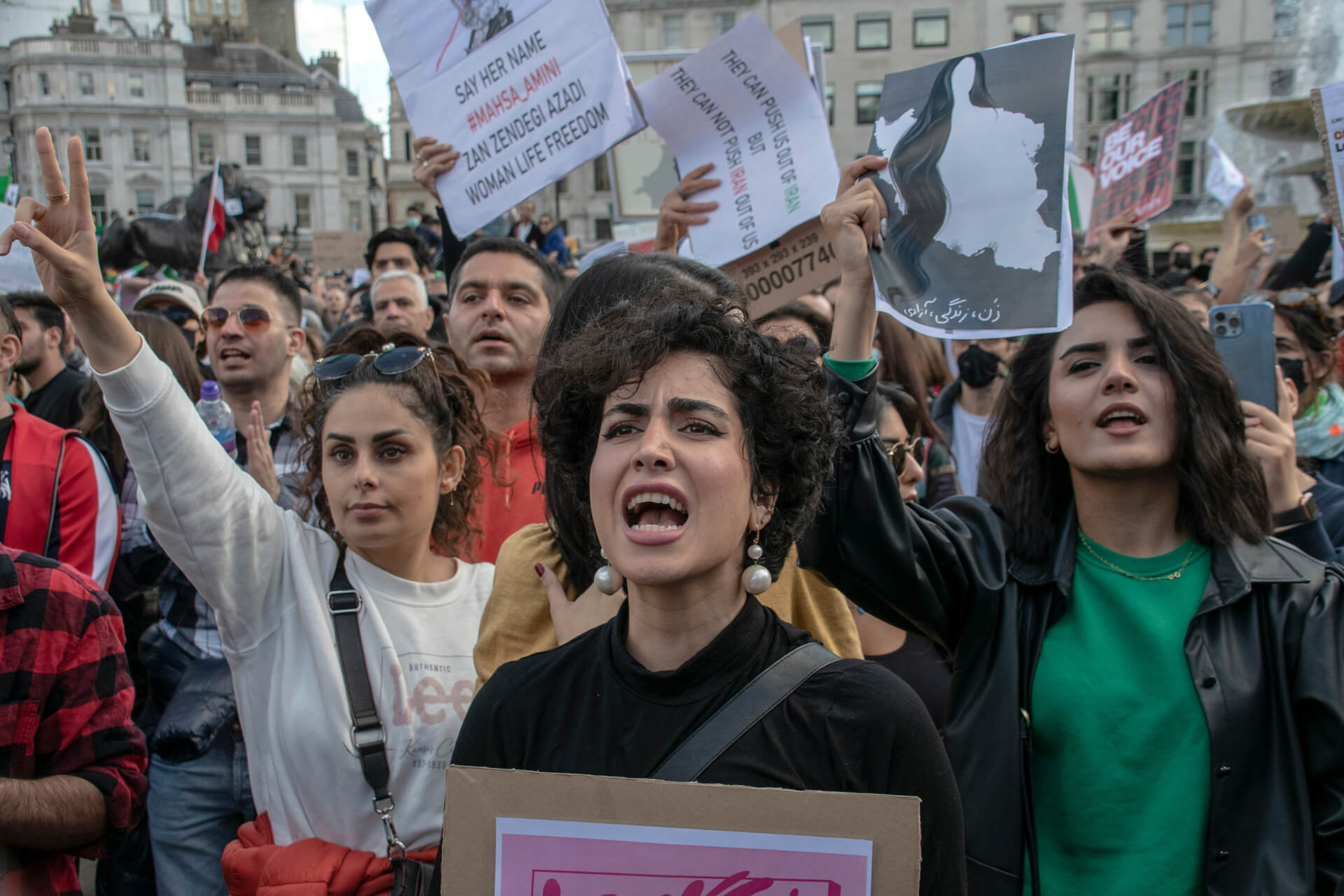
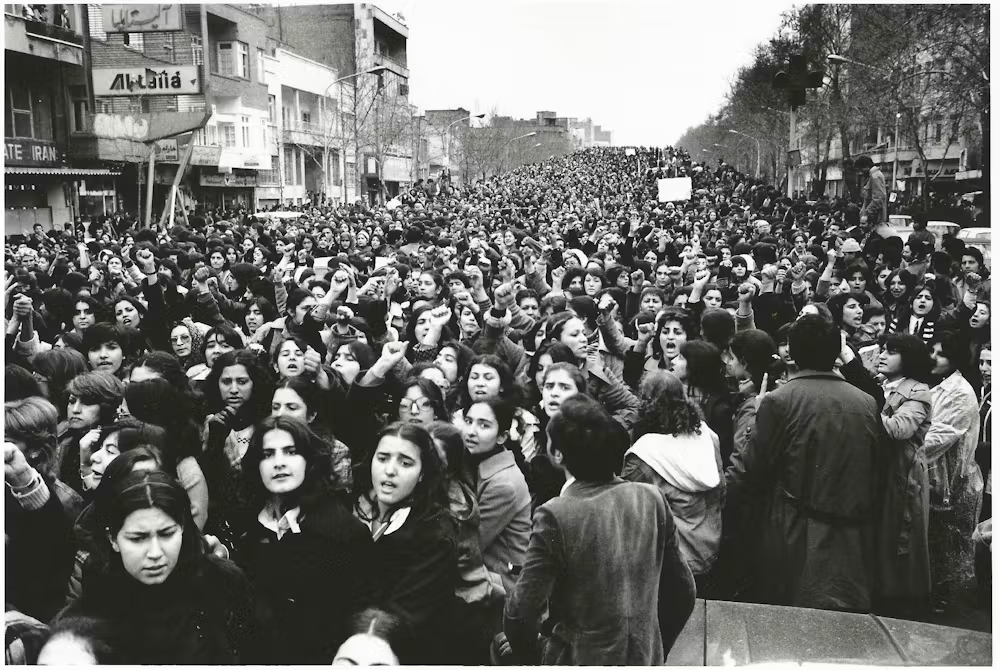
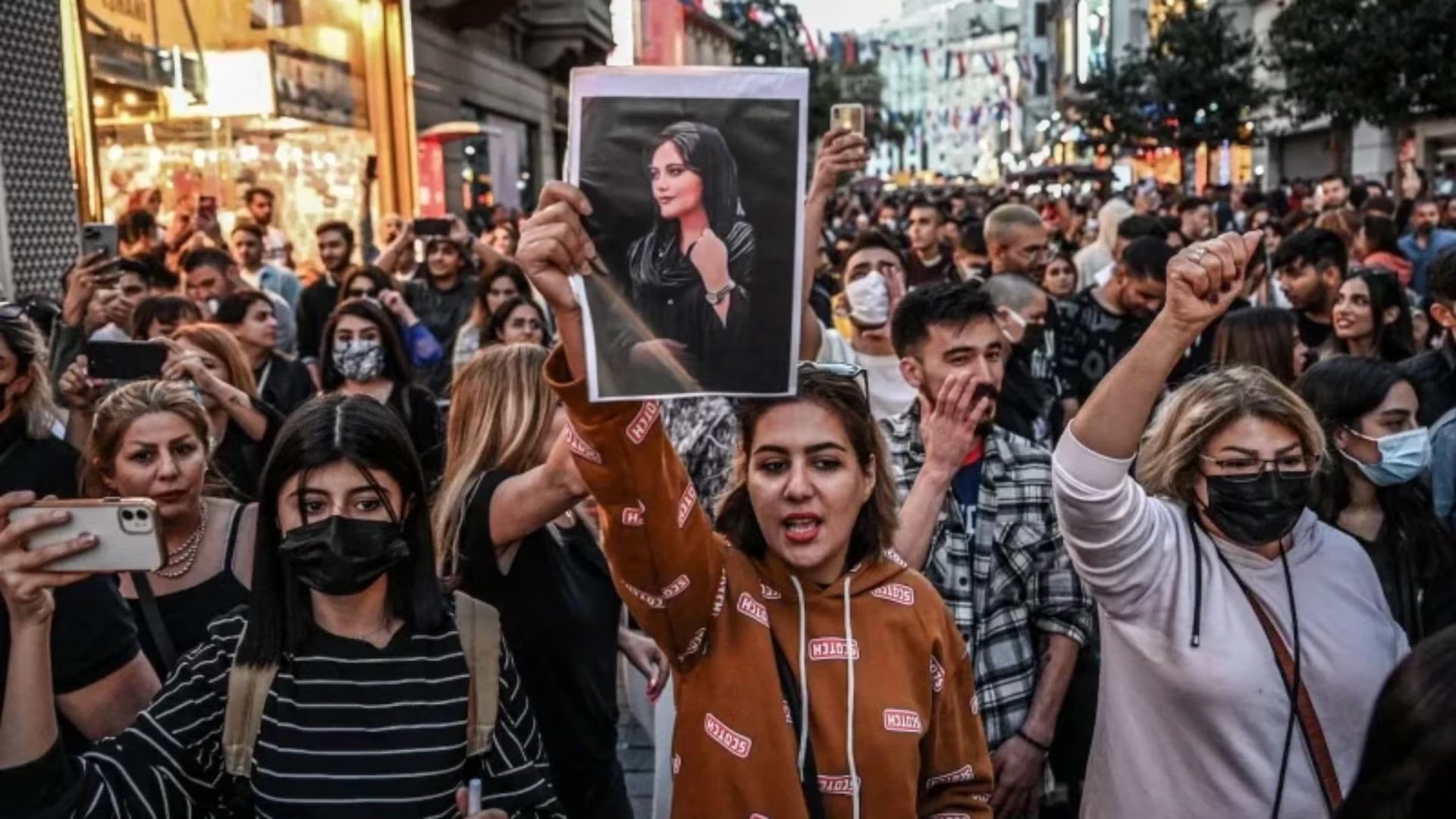
Participants span generations and professions. Students, industrial workers, shopkeepers, professionals, and retirees have all appeared in demonstrations. Women have played a visible role, often standing at the front of marches or organizing community level gatherings.
Sociologists note that the diversity of participants has strengthened the legitimacy of the Iran demonstrations, transforming them from isolated protests into a broader expression of national sentiment.
Government Response and Security Strategy
Authorities have deployed security forces around key infrastructure, government buildings, and transportation hubs. Official messaging emphasizes stability, public order, and national unity.
State aligned outlets portray the response as measured and necessary. Critics argue that handling of the Iran demonstrations prioritizes enforcement over engagement, potentially deepening mistrust between institutions and society.
A regional analyst remarked,
“When public gatherings persist despite visible enforcement, it suggests grievances remain unaddressed.”
Daily Life Under Protest Conditions
Life in protest affected areas has changed noticeably. Traffic disruptions, temporary shop closures, and altered work schedules have become routine. Families plan movements carefully around expected gatherings.
The Iran demonstrations have thus moved beyond symbolic protest, reshaping urban rhythms and daily decision making. In some neighborhoods, residents describe an atmosphere of constant anticipation.
Economic Effects of Prolonged Unrest
Sustained demonstrations have begun to affect economic activity. Retailers in central districts report reduced foot traffic, while tourism related businesses face cancellations.
Economists warn that prolonged uncertainty linked to the Iran demonstrations could weaken consumer confidence and delay investment decisions. Small businesses and informal workers appear particularly vulnerable to extended disruption.
Youth and Student Mobilization
University campuses have emerged as hubs of political expression. Students organize discussions, marches, and symbolic actions that feed into wider street protests.
For many young people, participation in the Iran demonstrations represents both protest and self definition. Educators caution that prolonged unrest may shape a generation’s relationship with civic institutions and authority.
Media Coverage and Information Environment
Coverage of events varies sharply. State media emphasize calm and continuity, while independent journalists face constraints in reporting from protest sites.
Despite limitations, videos and firsthand accounts circulate through informal networks. Media analysts note that the Iran demonstrations have become increasingly visible internationally, complicating efforts to control narratives.
International Attention and Diplomatic Context
Foreign governments and international organizations are closely monitoring developments. Statements urge restraint and emphasize the protection of civilian life.
For external observers, the Iran demonstrations reflect broader regional patterns of public mobilization driven by economic pressure and governance concerns. Diplomatic responses remain cautious, balancing concern with respect for sovereignty.
Psychological and Social Impact
Beyond physical presence, protests carry emotional weight. Fear, anger, hope, and solidarity coexist within crowds.
Psychologists observe that collective action can reduce feelings of isolation. As the Iran demonstrations continue, shared experience strengthens social bonds but also risks long term stress and trauma.
Historical Perspective on Protest Movements
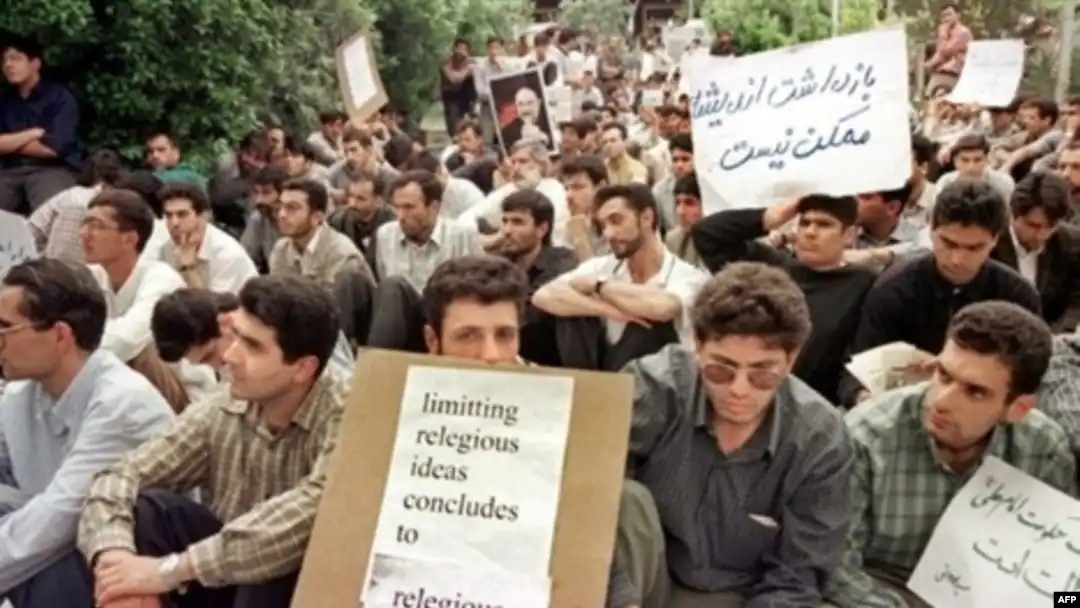
Iran’s modern history includes several periods of mass protest, each shaped by its political and economic context. Some led to reform, others to repression or stalemate.
Historians suggest the scale and persistence of the Iran demonstrations in 2026 place them among the most significant episodes of public mobilization in decades.
Role of Technology and Communication
Digital tools influence organization even amid restrictions. Messaging apps, offline coordination, and symbolic signals enable rapid mobilization.
Adaptability has allowed the Iran demonstrations to continue despite obstacles, highlighting how modern protest movements evolve under pressure.
Governance Challenges Exposed
The unrest has highlighted governance challenges, including economic management, communication, and responsiveness to public demands.
Analysts argue that restoring calm will require more than security measures. The Iran demonstrations have become a test of institutional capacity to adapt during sustained pressure.
Civic Space and Public Trust
Trust between citizens and institutions appears strained. Many demonstrators say they feel unheard within existing channels.
The persistence of the Iran demonstrations reflects a demand for participation and recognition, raising questions about how civic space is defined and protected.
Regional Implications
Neighboring countries watch developments closely, mindful of how protest movements can influence regional dynamics.
The Iran demonstrations contribute to ongoing regional debates about governance, economic resilience, and public accountability.
Possible Future Scenarios
Several paths remain possible. Authorities may pursue stricter enforcement, limited concessions, or broader engagement with grievances.
The future of the Iran demonstrations depends on decisions made in the coming months. Timing, messaging, and economic relief will be critical factors.
Long Term Economic Outlook
Markets respond to stability and predictability. Prolonged unrest may delay recovery and dampen growth prospects.
Economists suggest that addressing issues raised by the Iran demonstrations could ultimately strengthen economic resilience if reforms follow.
Cultural and Social Shifts
Protests influence culture as well as politics. Art, music, and social discourse increasingly reflect themes of resistance and identity.
The Iran demonstrations may leave a lasting imprint on cultural expression and collective memory.
National Identity and Public Debate
Public conversations increasingly focus on national direction and shared values. Protest slogans and symbols reflect competing visions of the future.
In this sense, the Iran demonstrations function as a national dialogue unfolding in public spaces.
The Role of Dialogue
Experts emphasize the importance of communication between authorities and society. Dialogue, they argue, can reduce tension and rebuild trust.
Whether dialogue emerges alongside the Iran demonstrations remains a central question for the months ahead.
International Image and Soft Power
Extended unrest affects global perception. Tourism, cultural exchange, and diplomacy may be influenced by how events are resolved.
The Iran demonstrations thus carry implications for international engagement beyond immediate political outcomes.
Security Considerations
Maintaining order while respecting civic expression presents a complex challenge. Missteps risk escalation.
How authorities manage the Iran demonstrations will influence assessments of stability and governance capacity.
Social Resilience and Adaptation
Communities adapt to prolonged protest conditions through mutual support and informal networks.
This resilience has sustained the Iran demonstrations, even as fatigue grows.
Beyond Immediate Unrest
When demonstrations eventually subside, their effects will remain. Trust, participation, and expectations of governance may all be altered.
The Iran demonstrations represent more than a temporary crisis; they signal a deeper reckoning over economic security, political voice, and social contract.
Social Networks and Grassroots Coordination
Across cities and smaller towns, informal community networks have played a crucial role in sustaining momentum. Neighborhood ties, family connections, and trusted social circles have replaced formal organizing structures, allowing people to mobilize without centralized leadership.
These grassroots connections have proven resilient. When one area experiences heightened security pressure, activity shifts elsewhere, maintaining continuity. Sociologists describe this as a decentralized civic response, rooted in shared experience rather than hierarchy.
Local trust has become a substitute for formal communication, reinforcing solidarity during periods of uncertainty.
The Role of Women in Public Mobilization
Women have been highly visible throughout the unrest, participating across age groups and social backgrounds. Their presence has reshaped the tone and symbolism of public gatherings, emphasizing dignity, resilience, and collective identity.
Observers note that women often serve as organizers within communities, coordinating attendance, sharing information, and providing emotional support. This visibility has altered public perceptions of participation and broadened the social base of demonstrations.
Cultural analysts suggest this shift may have long-term implications for gender roles in civic life.
Religious and Cultural Dimensions
Religious and cultural contexts continue to shape how public expression unfolds. Some gatherings incorporate symbolic gestures rooted in tradition, while others deliberately adopt secular language to emphasize shared economic and social concerns.
Clerics and community elders have issued varied responses, ranging from calls for calm to expressions of empathy with public hardship. These differing stances reflect internal debates within institutions traditionally associated with social authority.
The blending of cultural identity with civic expression highlights the complexity of the moment.
Urban Versus Rural Perspectives
While urban centers dominate international coverage, rural and semi-urban areas have also experienced mobilization. In these regions, demonstrations often take different forms, including smaller gatherings, symbolic acts, and localized expressions of grievance.
Economic pressures in rural areas—such as agricultural costs and limited access to services—mirror urban frustrations but are shaped by different daily realities. Analysts emphasize that understanding this diversity is essential for assessing national sentiment.
The contrast underscores how shared dissatisfaction can manifest differently across geographic contexts.
Economic Inequality and Class Dynamics
Income disparity has become a recurring theme in public discourse. Many participants describe widening gaps between living costs and wages, particularly among middle- and lower-income households.
Professionals, laborers, and informal workers alike cite declining purchasing power and limited upward mobility. Economists note that prolonged stagnation often intensifies perceptions of unfairness, even when macroeconomic indicators stabilize.
Class based frustration has therefore become a unifying factor across otherwise diverse groups.
Small Businesses and Market Disruption
Independent shop owners and market vendors report fluctuating demand and logistical challenges. In some areas, business hours have been shortened, while others face supply interruptions.
Despite hardship, many small businesses express cautious sympathy with public demands, reflecting shared economic strain. This alignment contrasts with earlier periods when commercial interests favored rapid normalization at any cost.
The evolving stance of local commerce illustrates changing calculations about stability and reform.
Education Sector Under Pressure
Schools and universities have faced repeated disruptions. Attendance fluctuates as families weigh safety concerns against academic obligations.
Educators warn that prolonged instability risks long-term learning gaps, particularly for students preparing for national exams. Digital alternatives offer partial solutions but remain unevenly accessible.
The education sector thus stands at the intersection of immediate disruption and future consequence.
Health System Strain
Healthcare facilities continue to operate but under heightened stress. Emergency services report increased workload during periods of unrest, while routine care sometimes faces delays.
Medical professionals emphasize the importance of maintaining access and neutrality. Their role as essential service providers places them in a delicate position during times of public tension.
Public health experts caution that sustained stress on the system may have cumulative effects.
Psychological Impact on Families
Families describe living with constant uncertainty. Parents worry about children traveling to school, while young adults face anxiety over participation and personal safety.
Mental health professionals report rising levels of stress, insomnia, and emotional exhaustion. At the same time, collective action offers some individuals a sense of agency that mitigates feelings of helplessness.
This dual impact illustrates the complex emotional landscape of prolonged unrest.
Cultural Expression and Artistic Response
Art, music, and poetry have emerged as outlets for reflection and resistance. Murals, performances, and digital artwork circulate widely, capturing shared emotions and experiences.
Cultural commentators note that creative expression often flourishes during periods of constraint, serving as both documentation and coping mechanism.
These works may later become defining artifacts of the period.
Technology, Surveillance, and Adaptation
Modern protest environments are shaped by technological interaction. Participants adjust behavior in response to perceived monitoring, using indirect signaling and adaptive movement.
Experts argue that this dynamic represents an ongoing evolution between control mechanisms and civic innovation. Each adjustment produces new norms of public behavior.
Understanding this interaction is key to interpreting contemporary protest movements.
Legal Framework and Judicial Processes
Legal proceedings related to public gatherings have drawn scrutiny from observers and rights advocates. Questions focus on proportionality, transparency, and due process.
Authorities emphasize adherence to existing legal standards. Critics argue that interpretation and enforcement vary across regions.
The legal dimension adds another layer of complexity to the broader national conversation.
Diaspora Communities and Global Attention
Iranian communities abroad closely follow developments, organizing discussions, vigils, and advocacy campaigns. Their engagement amplifies international visibility while maintaining emotional ties to events at home.
Diaspora voices contribute to global narratives, influencing how foreign media and policymakers interpret unfolding developments.
This transnational dimension highlights the interconnectedness of modern civic movements.
Economic Forecasts and Investor Sentiment
Financial analysts track indicators such as currency stability, consumer confidence, and capital flows. While markets respond cautiously, long-term outlooks depend on perceived resolution pathways.
Some analysts suggest that meaningful reform could eventually improve resilience, while prolonged uncertainty risks further erosion of confidence.
Economic expectations remain closely tied to political outcomes.
Institutional Reform Versus Continuity
Debate continues over whether the current period will lead to structural change or reinforce existing frameworks. Reform advocates emphasize responsiveness, transparency, and inclusion.
Others argue that continuity and order remain paramount. These competing perspectives shape both policy discussions and public expectations.
The balance between reform and stability remains unresolved.
National Narrative and Identity
Public discourse increasingly centers on questions of national identity, belonging, and shared future. Symbols, slogans, and language reflect evolving interpretations of citizenship and responsibility.
Sociologists describe this as a moment of narrative renegotiation, where collective memory and aspiration intersect.
Such moments often leave lasting imprints on political culture.
Generational Perspectives
Older generations draw comparisons with past upheavals, while younger participants frame the moment in terms of future opportunity. These differing perspectives influence expectations and tolerance for risk.
Intergenerational dialogue has intensified within families and communities, reflecting broader societal reflection.
Understanding these perspectives is essential for anticipating long-term outcomes.
Regional Stability Considerations
Neighboring countries monitor developments closely, aware that internal shifts can influence regional dynamics. Analysts emphasize caution in drawing parallels, noting each national context is distinct.
Nonetheless, shared economic and demographic pressures across the region contribute to mutual awareness.
Regional stability remains an underlying concern.
Paths Toward De-escalation
Experts outline potential pathways toward reduced tension, including confidence-building measures, economic relief initiatives, and expanded dialogue mechanisms.
Successful de-escalation often depends on timing, credibility, and mutual recognition of concerns.
Whether such paths emerge remains an open question.
Long-Term Social Consequences
Even after public gatherings subside, their effects persist. Trust, civic engagement, and expectations of governance evolve through lived experience.
Researchers suggest that societies rarely return unchanged after periods of mass mobilization.
The legacy of this period may shape social behavior for decades.
A Moment That Redefines the Future
As Brussels Morning Newspaper continues its coverage, it is clear that this period represents more than temporary unrest. It is a defining chapter in national history, marked by widespread participation, deep reflection, and unresolved questions.
The outcome will not be measured solely by immediate stability, but by how institutions and society adapt in the years ahead.
What remains certain is that the voices expressed during this time will continue to influence the national conversation long after the streets grow quiet.