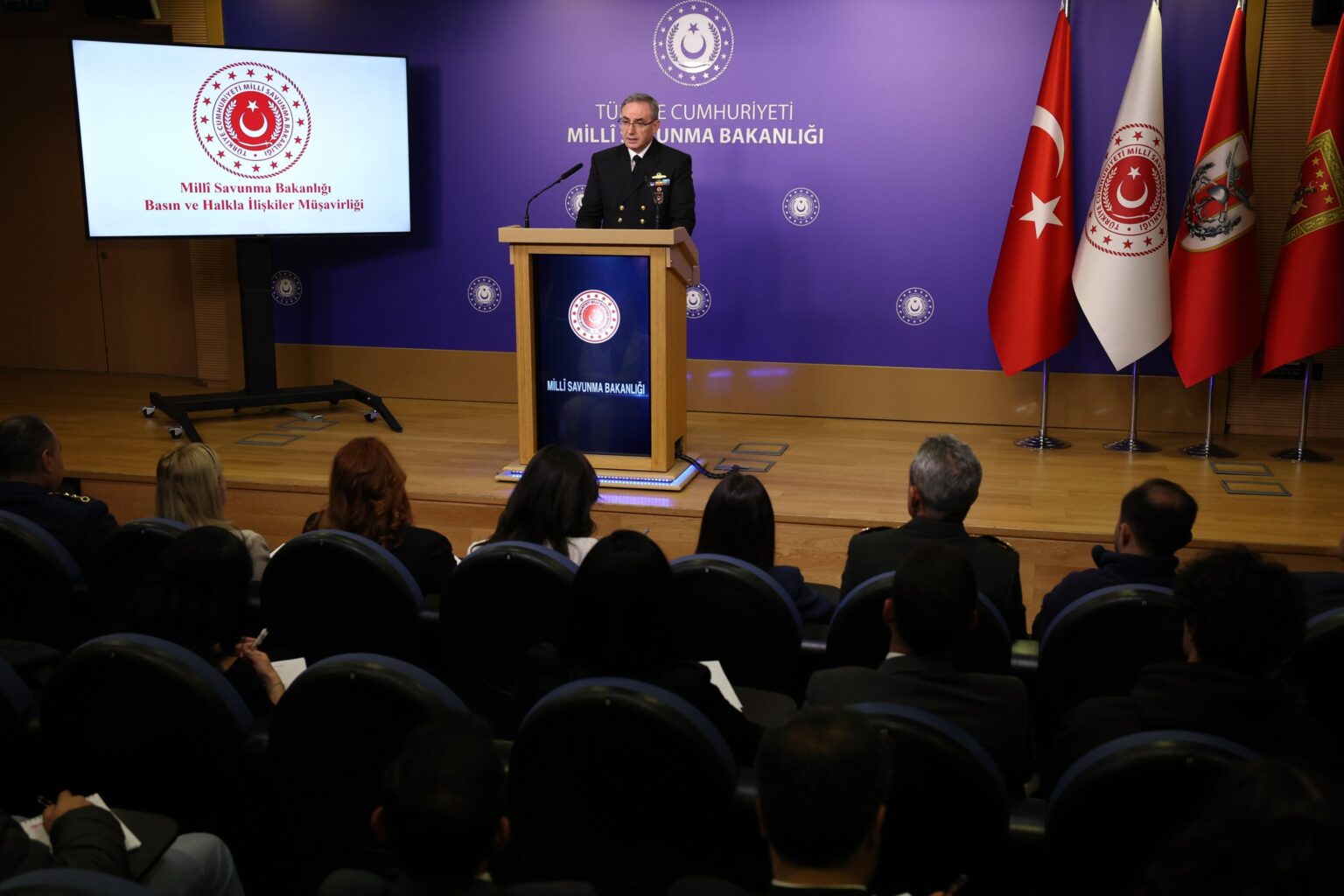
Turkiye | January 2026 — The Turkiye defence ministry has issued a clear and carefully worded response to a recent Syrian army operation in northern Syria, framing the development as a constructive step toward restoring security in areas close to the Turkish border. According to Brussels Morning Newspaper, Ankara’s position highlights a pragmatic approach that prioritises stability and threat reduction amid shifting regional dynamics.
The statement comes at a time when developments in northern Syria are drawing heightened attention from regional and international actors, many of whom are reassessing their positions after years of fluctuating alliances and security challenges.
Background to the Latest Military Developments
Northern Syria has long been a focal point of overlapping interests involving the Syrian government, regional states, and international forces. The latest Syrian army operation targeted areas where armed groups remain active, reigniting debate over control, legitimacy, and long-term stability.
For Ankara, developments in this region are never distant events. Geography, history, and security considerations make northern Syria a core concern, and the reaction from the Turkiye defence ministry reflects this enduring strategic reality.
Official Messaging and Strategic Clarity
In its public remarks, officials emphasised that the operation aligns with broader efforts to reduce armed threats near Turkiye’s southern border. While Ankara avoided operational detail, the tone conveyed approval without committing to direct involvement.
Analysts say the language chosen by the Turkiye defence ministry was deliberate, designed to reassure domestic audiences while signalling to regional partners that Turkiye supports outcomes that limit instability rather than perpetuate confrontation.
Northern Syria and Turkiye’s Security Calculus
The security landscape of northern Syria directly affects Turkiye’s border provinces. Over the past decade, cross-border tensions, refugee movements, and the presence of armed groups have shaped Ankara’s policies.
By welcoming the operation, the Turkiye defence ministry underscored its belief that stability inside Syria contributes to security at home. Officials argue that reducing armed activity across the border lowers the risk of spillover violence and illicit movement.
The Role of the Syrian Democratic Forces
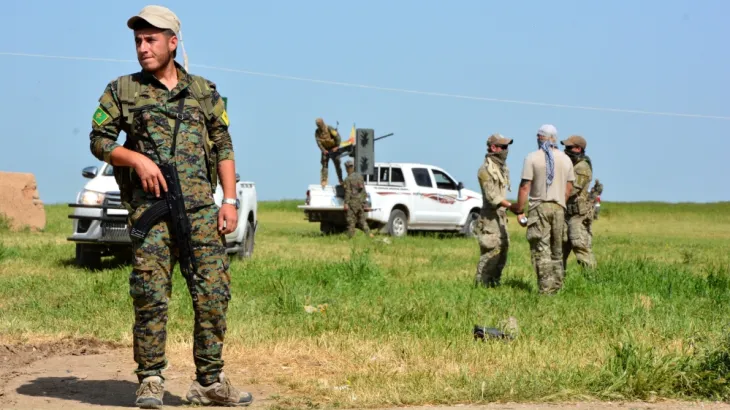
The areas affected by the Syrian army operation include zones where the Syrian Democratic Forces maintain influence. The SDF’s presence has long been a point of tension for Ankara, which views the group through a security lens shaped by domestic and regional considerations.
When the Turkiye defence ministry responded positively to the operation, it reflected Ankara’s longstanding view that limiting the SDF’s territorial control could reduce perceived threats along the border.
Border Stability as a Strategic Objective
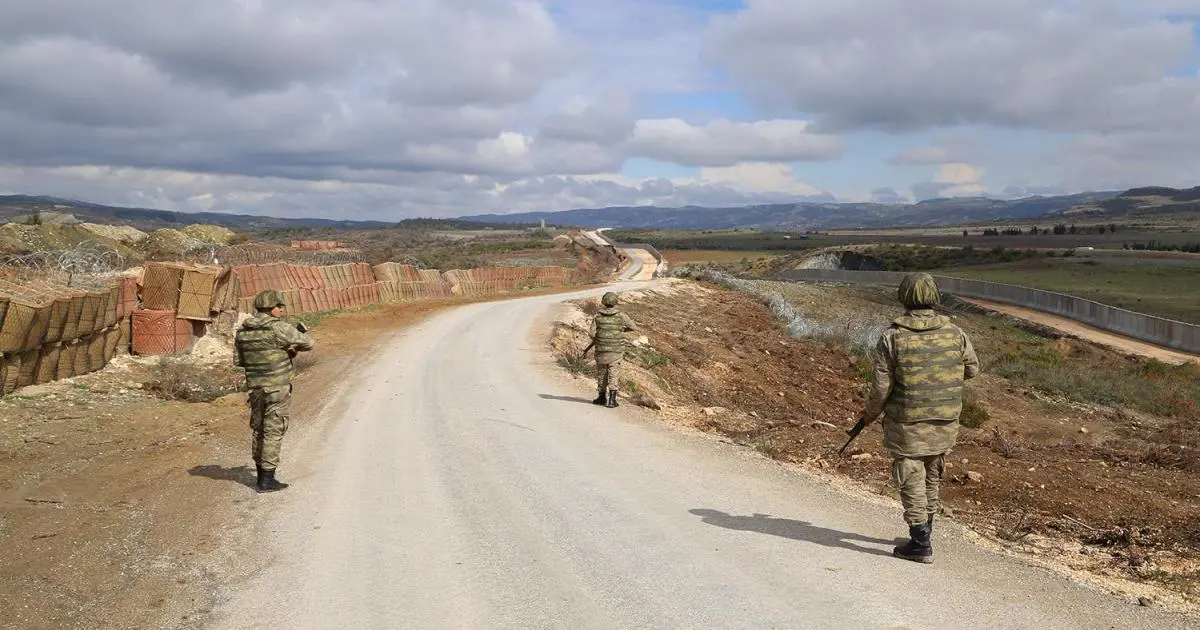
Turkiye’s southern border has been reinforced through physical barriers, patrols, and surveillance over recent years. However, officials maintain that internal Syrian dynamics remain just as important as defensive measures on Turkish soil.
The stance adopted by the Turkiye defence ministry links border stability to developments deeper inside Syria, suggesting that sustainable security requires cooperation, or at least alignment, among actors operating there.
Regional Diplomatic Repercussions
Ankara’s response has been closely watched by regional powers, including Russia and Iran, both of which hold significant influence in Syria. Observers note that Ankara’s endorsement could facilitate limited coordination on security matters, even in the absence of full diplomatic normalisation.
The fact that the Turkiye defence ministry welcomed the operation indicates a willingness to prioritise shared security outcomes over unresolved political disagreements.
Impact on Local Populations
Military operations inevitably affect civilians living in contested areas. Residents in northern Syria often face uncertainty as control shifts and security arrangements change.
While the Turkiye defence ministry focused on strategic implications, humanitarian organisations have stressed the importance of protecting civilians and maintaining access to essential services during periods of military activity.
International Reactions and Alliance Dynamics
The SDF has received support from Western countries in counterterrorism efforts, complicating Ankara’s position. Actions against the group can raise concerns among Turkiye’s allies, particularly those who view the SDF as a stabilising force.
By endorsing the Syrian army operation, the Turkiye defence ministry signalled that Ankara’s immediate security priorities outweigh potential diplomatic friction, at least in this context.
Economic Dimensions of Stability
Security in northern Syria has economic implications for Turkiye. Cross-border trade, reconstruction prospects, and refugee return policies are all influenced by conditions on the ground.
Support from the Turkiye defence ministry may reflect calculations that improved stability could eventually ease economic pressures, particularly those linked to hosting millions of Syrian refugees.
Refugees and the Question of Return
Turkiye hosts one of the largest refugee populations in the world, many of whom fled conflict in Syria. Ankara has repeatedly linked security improvements to the possibility of voluntary returns.
When the Turkiye defence ministry welcomed the operation, it hinted at the hope that stronger control inside Syria could create conditions more conducive to safe and sustainable repatriation.
Domestic Political Context in Turkiye
Security policy toward Syria remains a significant domestic issue. Public opinion often supports measures perceived as strengthening national safety and reducing external threats.
The endorsement by the Turkiye defence ministry reinforces a narrative of decisive and forward-looking defence policy, aimed at preventing risks before they reach Turkish territory.
Official Rationale Emphasises Threat Reduction
A senior Turkish defence official said,
“Any development that reduces armed threats near our borders is considered a positive contribution to regional stability.”
This is the only official quote released in connection with Ankara’s response.
Balancing Pragmatism and Principle
Turkiye’s approach to Syria has evolved over time. Initial strategies centred on direct intervention have gradually given way to a more pragmatic focus on outcomes rather than alliances.
When the Turkiye defence ministry welcomed the operation, it illustrated this shift, showing readiness to support actions that align with its interests regardless of the actor involved.
Risks of Further Escalation
Despite Ankara’s approval, analysts caution that operations against entrenched armed groups carry inherent risks. Retaliation, fragmentation, or unintended clashes could destabilise wider areas.
Even as the Turkiye defence ministry supports the move, officials remain aware that miscalculation could undermine the very stability they seek.
Long-Term Vision for Northern Syria
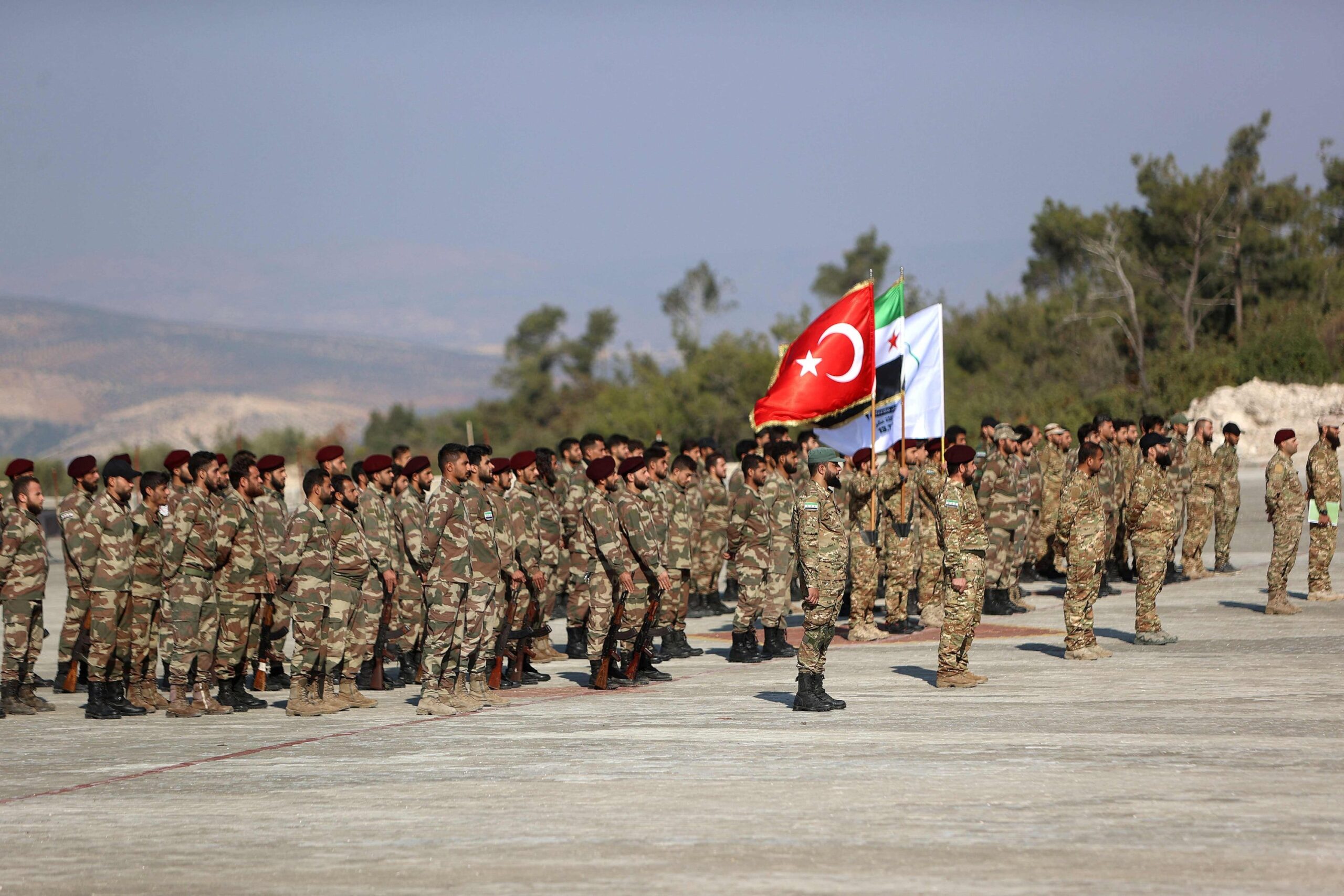
Ankara’s long-term objective remains a secure border zone free from hostile armed presence. Achieving this goal requires a blend of deterrence, diplomacy, and regional coordination.
The position articulated by the Turkiye defence ministry fits within this broader strategy of shaping outcomes indirectly while avoiding open-ended military commitments.
Shifting Regional Alignments
Middle Eastern geopolitics has become increasingly fluid, with former adversaries finding areas of limited cooperation. Ankara’s response reflects this reality, where pragmatism often overrides ideology.
That the Turkiye defence ministry has taken a clear stance adds momentum to discussions about evolving power balances in northern Syria.
Military Developments and Strategic Messaging
The operation itself remains ongoing, with details emerging gradually. Ankara’s endorsement serves as a form of strategic messaging, aimed at multiple audiences.
Through the Turkiye defence ministry, Turkiye communicates that it supports measures contributing to stability, while reserving the right to adjust its position as circumstances change.
Humanitarian Considerations Remain Central
Humanitarian groups continue to stress that security gains must not come at the expense of civilian protection. Access to aid, healthcare, and education remains fragile in many areas.
As the Turkiye defence ministry monitors developments, observers urge that humanitarian considerations remain integral to any security-driven approach.
Monitoring and Intelligence Cooperation
Security analysts suggest that improved stability may open avenues for intelligence sharing and monitoring among regional actors. Such cooperation could reduce misunderstandings and prevent escalation.
The supportive stance of the Turkiye defence ministry may encourage behind-the-scenes coordination aimed at managing risks more effectively.
Economic Recovery and Reconstruction Prospects
Stability is a prerequisite for reconstruction. Northern Syria’s damaged infrastructure and economy cannot recover without sustained security.
By welcoming the operation, the Turkiye defence ministry signals optimism that improved control could eventually pave the way for rebuilding efforts, benefiting both Syria and neighbouring states.
International Law and Sovereignty Questions
Operations within Syria continue to raise questions about sovereignty and international law. Ankara’s response carefully avoided legal debate, focusing instead on security outcomes.
This approach by the Turkiye defence ministry reflects a preference for practical results over normative arguments in a complex conflict environment.
What Comes Next for Ankara’s Syria Policy
The situation on the ground remains fluid. Future developments will likely influence whether Ankara deepens its support or adopts a more cautious stance.
As the Turkiye defence ministry continues to assess conditions, its next steps will be shaped by tangible security outcomes rather than symbolic gestures.
A Defining Moment for Regional Security Thinking
The current episode illustrates how security decisions reverberate across borders, affecting diplomacy, economics, and humanitarian conditions.
Ankara’s calculated approval highlights a moment where strategic pragmatism has taken precedence, shaping the evolving security order in northern Syria.
When Stability Becomes the Measure of Success
Ultimately, the success of the operation will be judged not by statements but by its impact on stability and civilian life.
For now, the stance taken by the Turkiye defence ministry reflects a belief that reducing armed threats is a necessary step toward a more predictable and secure regional future.