
Brussels Morning discussions among public health experts psychologists and policy advisers increasingly return to a single shared concern mental wellness 2026. As people navigate rapid technological change economic pressure and social fragmentation the conversation has shifted away from crisis response and toward prevention. Wellbeing is no longer framed as a luxury or an individual weakness but as a collective priority that shapes productivity relationships and long term health.
This article explores nine science backed strategies that define how people can feel better in the year ahead. Rather than offering trends or motivational slogans the focus remains on habits supported by neuroscience psychology and public health research. Together these practices form a practical framework for emotional stability clarity and resilience.
Why Wellbeing Requires a New Approach in 2026
The pace of modern life has altered how stress operates. Instead of short intense periods of pressure many people now experience constant low grade strain. Research shows that this type of chronic stress quietly erodes mood sleep quality immune function and decision making.
The idea behind mental wellness 2026 is not to eliminate stress entirely but to strengthen the systems that help people adapt. This includes emotional regulation attention control and recovery capacity. Science increasingly supports the idea that daily habits matter more than occasional interventions.
Sleep Consistency as the Cornerstone of Health
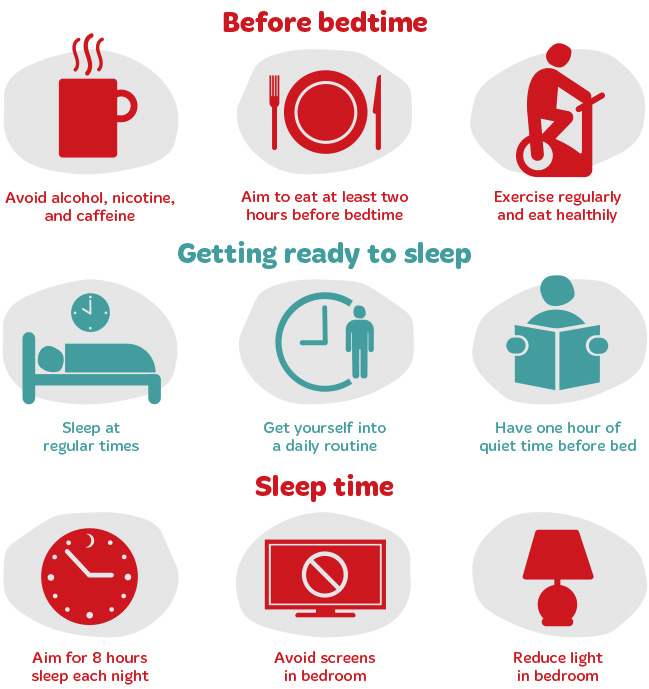
Sleep research consistently demonstrates that emotional regulation depends heavily on stable sleep patterns. Irregular schedules disrupt circadian rhythms leading to irritability anxiety and reduced cognitive flexibility.
Rather than chasing perfect sleep duration experts recommend focusing on consistency. Going to bed and waking up at the same time each day stabilizes neurotransmitters that regulate mood. Within mental wellness 2026 sleep is treated as a foundational behavior rather than an afterthought.
Benefits of consistent sleep
- Improved emotional control
- Better memory retention
- Reduced stress sensitivity
Daily Movement and Emotional Balance
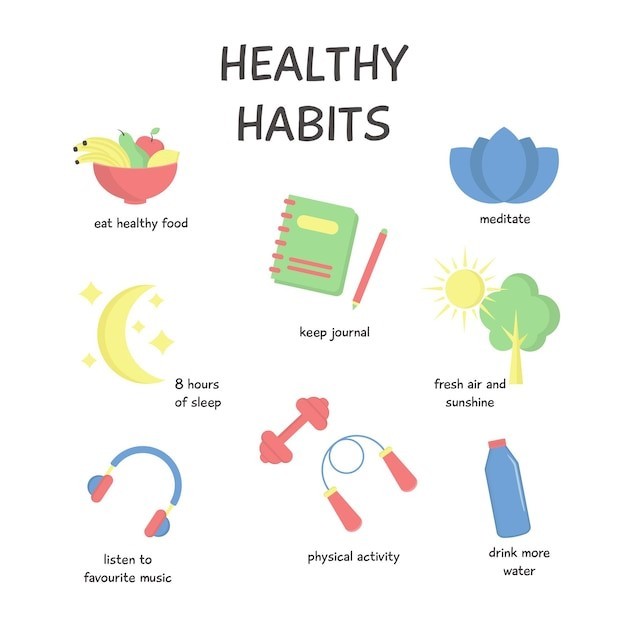
Physical activity has a direct impact on brain chemistry. Even moderate movement increases serotonin dopamine and endorphins which play key roles in mood and motivation.
Importantly movement does not need to be intense. Walking stretching yoga or light resistance training offer meaningful benefits. Research shows that frequency matters more than intensity. This makes daily movement one of the most accessible strategies associated with mental wellness 2026.
Mindfulness and Nervous System Regulation
Mindfulness practices are now widely recommended in clinical settings. Brain imaging studies show that mindfulness strengthens regions responsible for attention emotional regulation and impulse control.
Short daily sessions are sufficient. Five to ten minutes of mindful breathing can reduce cortisol levels and activate the parasympathetic nervous system. In the context of mental wellness 2026 mindfulness is viewed as skill training rather than spiritual practice.
Nutrition and the Gut Brain Connection
Nutritional psychiatry continues to gain attention as evidence links diet quality to mental health outcomes. Diets rich in whole foods healthy fats fiber and micronutrients are associated with lower rates of anxiety and depression.
Ultra processed foods on the other hand are linked to inflammation and mood instability. Improving nutrition supports cognitive clarity energy regulation and emotional steadiness which are essential pillars of mental wellness 2026.
Nutrients linked to emotional health
- Omega 3 fatty acids
- Magnesium
- B vitamins
- Antioxidants

Managing Digital Overload
Constant digital stimulation places the brain in a state of heightened alert. Notifications social media and endless content streams fragment attention and elevate stress hormones.
Research shows that intentional boundaries restore focus and emotional balance quickly. Simple habits such as screen free mornings or limiting notifications allow the nervous system to recover. These practices are increasingly emphasized within mental wellness 2026 strategies.
Social Connection as a Health Behavior
Loneliness is now recognized as a major health risk comparable to physical inactivity. Social neuroscience demonstrates that meaningful relationships reduce stress hormones and increase oxytocin which promotes emotional safety.
Quality matters more than quantity. Regular conversations with trusted people provide grounding and perspective. Treating connection as a health behavior is a defining feature of mental wellness 2026.
Time in Nature and Natural Light Exposure
Exposure to natural light plays a critical role in regulating circadian rhythms and mood. Environmental psychology research shows that time spent in nature lowers anxiety and improves cognitive performance.
Even brief outdoor exposure supports vitamin D production and sleep quality. Integrating nature into daily routines strengthens emotional balance and supports the broader goals of mental wellness 2026.
Reframing Stress Through Cognitive Skills
Stress is not inherently harmful. How it is interpreted determines its effect on the body. Cognitive behavioral research shows that reframing stress reduces its physiological impact.
Viewing challenges as manageable rather than overwhelming lowers cortisol levels and improves problem solving. Cognitive reframing techniques are therefore central to mental wellness 2026 because they restore a sense of control.
Helpful reframing questions
- What is within my control
- What is one constructive next step
- What can this situation teach me
Purpose Driven Goals Over Constant Productivity
Purpose is one of the strongest predictors of long term wellbeing. Studies consistently link a sense of meaning with lower depression and higher life satisfaction.
Rather than focusing solely on output purpose driven goals align daily effort with values. This approach reduces burnout and increases resilience. Within mental wellness 2026 purpose is treated as emotional infrastructure rather than abstract philosophy.
How These Strategies Work Together
These habits are most effective when practiced together. Sleep improves emotional regulation movement supports sleep nutrition fuels cognition and social connection buffers stress. The brain and body operate as integrated systems not isolated parts.
This holistic approach reflects the core philosophy behind mental wellness 2026 which emphasizes sustainability over extremes. Small consistent actions create stronger outcomes than dramatic short lived changes.
Future of Well-being
As societies face economic shifts technological acceleration and social change the need for proactive well-being strategies grows. Employers educators and healthcare systems increasingly recognize that prevention is more effective than crisis management.
The framework outlined here demonstrates that feeling better does not require perfection. It requires alignment between daily habits and what science already confirms works. This perspective defines the future of mental wellness 2026.
Looking Ahead to Mental Wellness in 2026
Mental wellness 2026 represents a science driven approach to feeling better in a demanding world. The research is clear small consistent actions deliver powerful results. By focusing on mental wellness 2026 individuals can build resilience clarity and emotional stability that extend far beyond a single year.
Feeling better is not about chasing trends. It is about aligning daily habits with what science already confirms works.