Brussels Morning Newspaper diplomatic briefings and early international headlines are again centered on Gaza ceasefire talks, as negotiators attempt to translate political discussions into tangible calm on the ground. Despite repeated announcements of progress, developments inside Gaza suggest that any agreement remains fragile, with continued military activity, restricted humanitarian access, and widespread civilian suffering testing the credibility of ongoing negotiations.
For mediators, the challenge lies in balancing security demands with urgent humanitarian needs. For civilians, the success or failure of the talks is measured not in statements, but in whether daily life becomes safer and more predictable.
Background to the Current Negotiations
Ceasefire discussions surrounding Gaza have unfolded against a backdrop of prolonged conflict, regional instability, and deep mistrust between the parties. Previous attempts at halting hostilities have often produced short-lived pauses rather than lasting calm.
The current round of Gaza ceasefire talks emerged amid mounting international pressure to reduce civilian casualties and allow expanded humanitarian access. Diplomatic channels involving regional and global actors have been active, but progress has remained uneven.
What the Talks Are Aimed to Achieve
At their core, ceasefire negotiations are designed to stop active hostilities, protect civilians, and create space for humanitarian relief and political dialogue. Mediators have emphasized phased approaches, including temporary pauses, prisoner exchanges, and monitored aid corridors.
However, experts caution that partial agreements can leave key issues unresolved. Without clear enforcement and verification mechanisms, ceasefires risk collapsing under renewed military or political pressure.
Claims of Progress Versus Ground Reality
Officials involved in the negotiations have periodically expressed optimism, citing constructive dialogue and narrowing gaps. Yet reports from Gaza indicate ongoing strikes, displacement, and infrastructure damage.
Aid agencies say these realities undermine confidence in the talks. As a result, skepticism has grown over whether Gaza ceasefire talks are producing meaningful change or merely managing escalation.
Humanitarian Access as a Key Test
Humanitarian access is widely regarded as the most concrete indicator of whether ceasefire efforts are working. In Gaza, aid organizations continue to face delays, inspections, and restrictions on staff movement.
Medical supplies, fuel, and food remain limited, constraining the ability of hospitals and relief agencies to function. Observers argue that without consistent humanitarian corridors, claims of progress in the talks remain difficult to substantiate.

Civilian Impact and Daily Conditions
For Gaza’s residents, the outcome of negotiations directly affects daily survival. Families seek safe shelter, patients need functioning hospitals, and communities rely on regular food and water supplies.
Continued uncertainty has left many civilians displaced or living in damaged neighborhoods. These conditions underscore the human stakes of Gaza ceasefire talks, as each delay prolongs hardship for those caught in the conflict.
Role of Regional Mediators
Regional actors have played a central role in facilitating dialogue. Their involvement reflects both geographic proximity and political influence over the parties involved.
Mediators have focused on confidence-building measures and incremental steps, hoping to reduce violence while longer-term solutions are explored. Yet the lack of trust between parties remains a significant obstacle.
International Diplomatic Pressure
Beyond the region, international governments and institutions have increased diplomatic engagement. Calls for restraint, civilian protection, and respect for humanitarian law have intensified as images from Gaza circulate globally.
Some governments have linked future political and economic considerations to progress in the talks, adding external pressure to reach an agreement. These dynamics shape the environment in which Gaza ceasefire talks continue.
Security Concerns and Military Calculations
Security considerations remain central to negotiations. Military officials argue that any ceasefire must address ongoing threats and prevent future attacks.
Critics counter that continued military operations during negotiations undermine trust and weaken the prospects for lasting calm. This tension between security imperatives and de-escalation lies at the heart of current challenges.
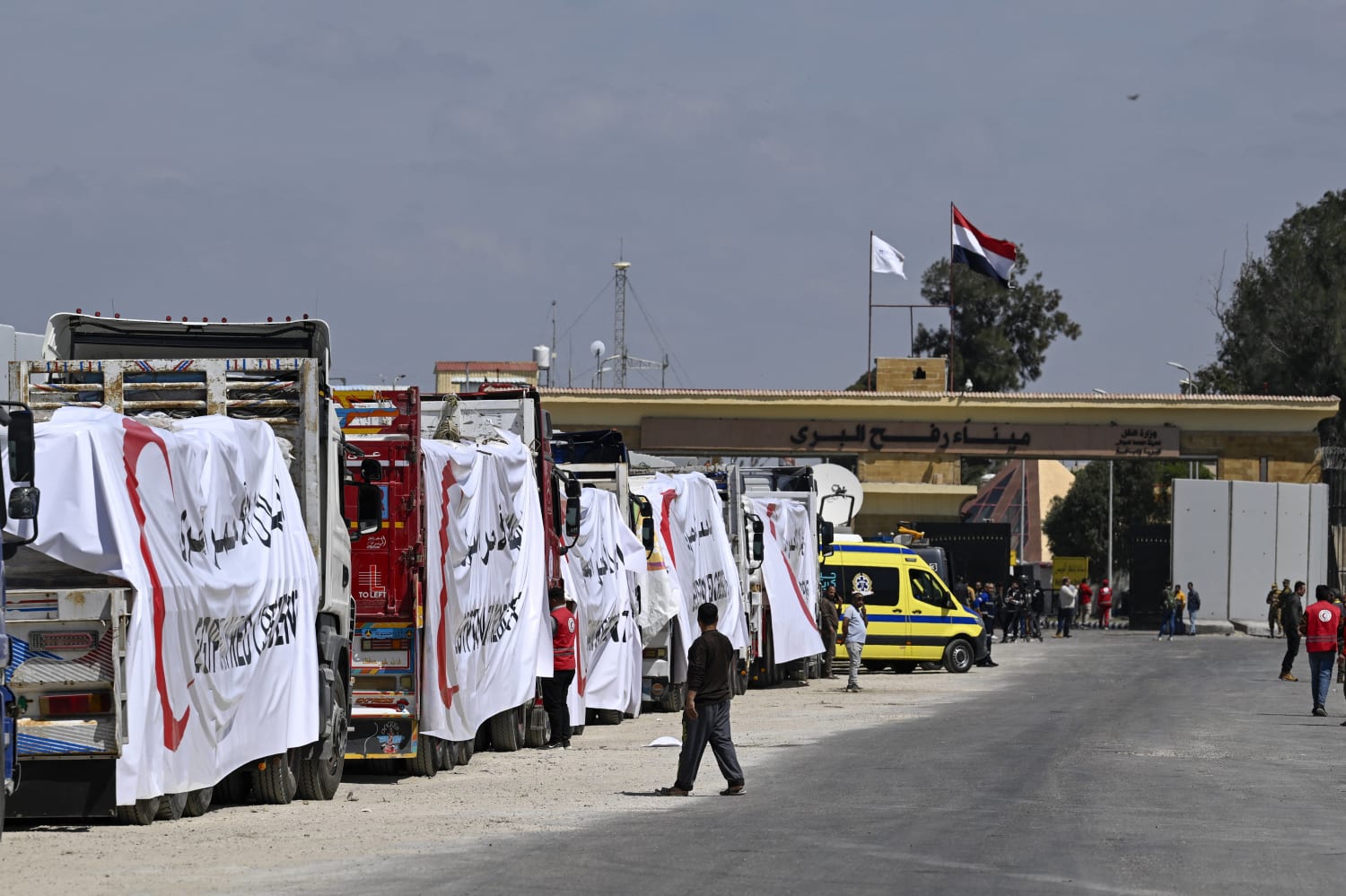
Aid Restrictions and Their Impact on Talks
Restrictions on aid organizations have become a contentious issue within negotiations. Humanitarian groups argue that limiting aid undermines ceasefire credibility and exacerbates civilian suffering.
Diplomats warn that unresolved humanitarian access issues could derail progress. As a result, aid delivery has become both a practical concern and a bargaining point in Gaza ceasefire talks.
Media Coverage and Public Perception
Media reporting has amplified scrutiny of the negotiations. Coverage highlighting discrepancies between official statements and conditions on the ground has shaped public opinion worldwide.
This attention has increased pressure on negotiators to demonstrate tangible results. At the same time, conflicting narratives complicate efforts to build consensus and maintain momentum.
Legal and Humanitarian Law Considerations
International humanitarian law emphasizes the protection of civilians and the facilitation of aid during conflicts. Legal experts note that ceasefires are often judged by their ability to uphold these principles.
Failure to improve humanitarian conditions raises questions about compliance and accountability. These legal dimensions add complexity to Gaza ceasefire talks, particularly as civilian harm continues.
Economic and Infrastructure Consequences
Beyond immediate safety concerns, prolonged conflict and stalled negotiations have economic consequences. Infrastructure damage disrupts commerce, education, and public services.
Reconstruction efforts depend on sustained calm and access, making the outcome of the talks critical for Gaza’s longer-term recovery.

Prospects for a Durable Agreement
Analysts remain divided on the likelihood of a durable ceasefire. Some see incremental progress as a foundation for broader agreements, while others warn that unresolved core issues could trigger renewed escalation.
The trajectory of Gaza ceasefire talks will depend on whether negotiators can move beyond temporary measures and address underlying drivers of conflict.
The Human Dimension of Negotiations
Behind diplomatic language and strategic calculations are millions of civilians whose lives are shaped by each development. Their experiences provide the most direct measure of success or failure.
For many, hope rests on the possibility that negotiations will eventually deliver sustained calm, allowing communities to rebuild and recover.
Ongoing Challenges Ahead
Even if agreements are reached, implementation remains a major challenge. Monitoring compliance, managing spoilers, and maintaining political will are essential for success.
Past experiences suggest that without sustained engagement, ceasefires can unravel quickly. These risks loom over current efforts.
Where the Talks Stand Now
As discussions continue, expectations remain cautious. Each announcement of progress is weighed against reports from the ground.
The coming days and weeks will be critical in determining whether Gaza ceasefire talks can move from fragile understanding to meaningful change for civilians.