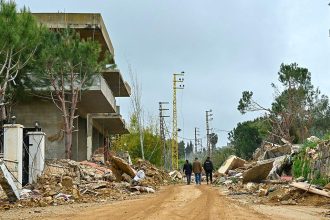

Brussels Morning focus shifted to the Lebanon Israel frontier after reports confirmed that the final intact structure in a small border settlement had been destroyed, bringing an end to what local officials described as months of incremental devastation. The event marked the completion of a border village demolition that has transformed a once lived in community into an uninhabitable stretch of land dominated by rubble, silence, and military presence.
The village, located just meters from the frontier, had already been largely abandoned as cross border tensions intensified. Earlier exchanges of fire, drone activity, and artillery strikes had forced most families to flee. Many believed the damage might be temporary and that some structures would remain standing for eventual return. That hope faded when the last remaining home was reduced to debris.
A community erased from the map
For decades, the village had been home to farming families who relied on olive groves, small livestock operations, and seasonal trade. Homes were modest but durable, passed down through generations. Schools, storage sheds, and water tanks supported daily life. Today, none of those structures remain. Residents say the completion of the border village demolition erased not only buildings but the physical evidence that their community ever existed.
Former villagers now scattered across nearby towns describe a deep sense of loss that goes beyond property. Many say they lost family photographs, documents, and heirlooms when they fled earlier shelling. The destruction of the final structure removed any chance of salvaging what remained.
Life in displacement
Displaced families have settled temporarily with relatives, in rented rooms, or in makeshift housing supported by aid groups. Children attend overcrowded schools far from their original homes. Adults struggle to find stable work after losing access to farmland and tools. Humanitarian workers note that the effects of the border village demolition are felt long after the dust settles, as displacement becomes prolonged and increasingly permanent.
Psychologists working with displaced residents report rising anxiety, especially among older villagers who had never lived elsewhere. Many express a sense of rootlessness and grief, saying that rebuilding their lives feels impossible without the land and homes that defined their identity.
Military context and security arguments
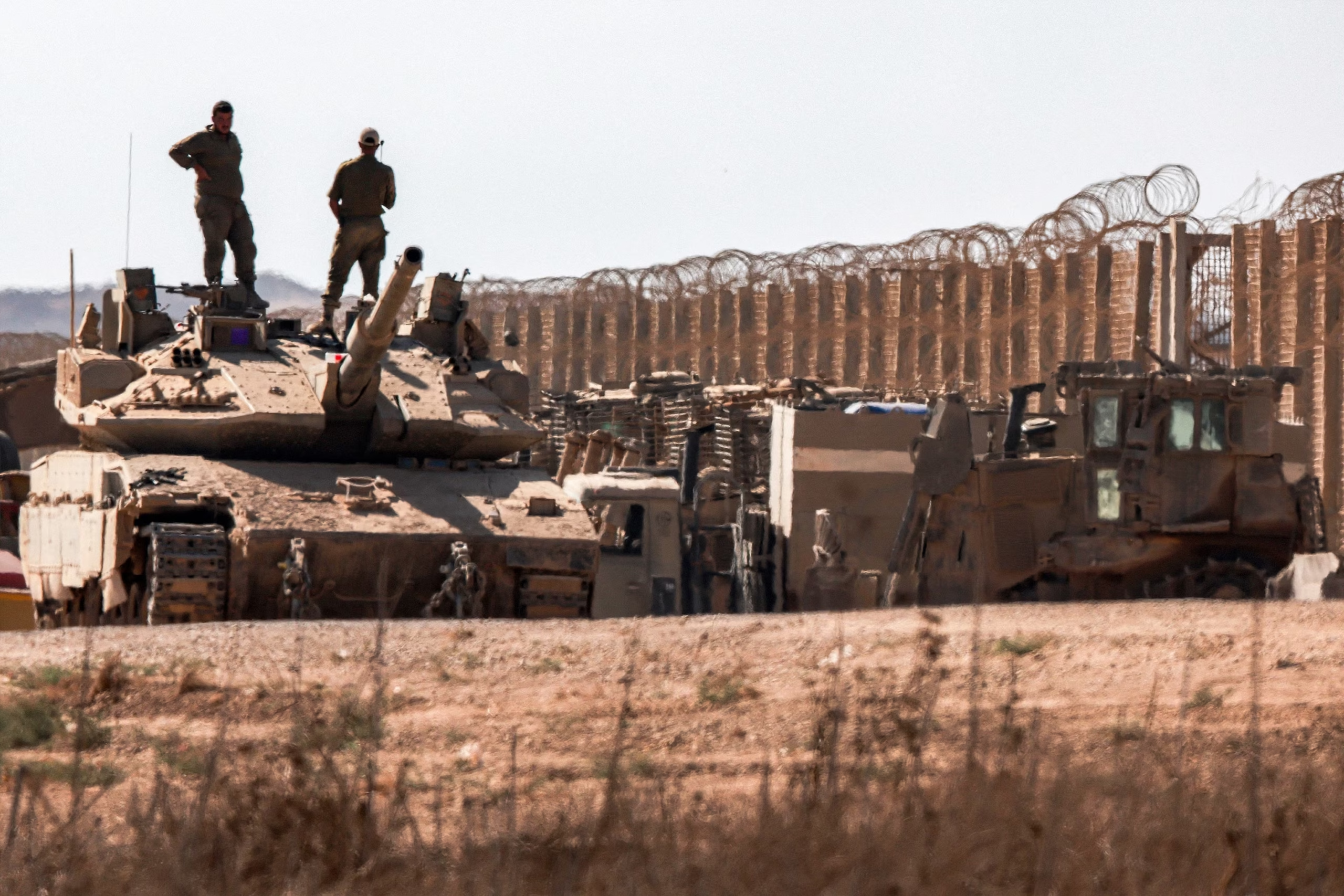
Israeli military officials have offered limited public detail regarding the specific operation, but defense statements consistently frame border actions as security measures aimed at preventing militant activity. Within that narrative, civilian structures near the frontier are often viewed as potential cover or observation points.
Analysts say that once a village is cleared of civilians, its remaining buildings may be considered liabilities. The decision that completed the border village demolition fits into a broader strategy of denying physical infrastructure in contested zones. Critics argue that such measures blur the line between security operations and collective punishment.
Escalation along the frontier
The Lebanon Israel border has experienced months of heightened tension, with intermittent clashes raising fears of a wider conflict. Villages on both sides have suffered damage, but those closest to the frontier have borne the heaviest cost. Observers say the full border village demolition signals a shift toward creating empty buffer zones rather than restoring calm conditions that allow civilians to return.
This approach, analysts warn, may reduce short term tactical risks while increasing long term instability. Empty border areas can harden divisions and make future reconciliation more difficult.
Humanitarian concerns intensify
Human rights organizations have raised alarm over the destruction of civilian property in areas that were already depopulated. They argue that demolishing remaining homes removes any practical pathway for return, converting temporary displacement into lasting exile.
Aid agencies note that the humanitarian impact of a border village demolition extends beyond housing. Loss of farmland undermines food security, while destruction of access roads and water systems complicates future recovery efforts even if hostilities subside.
The question of return
For many former residents, the possibility of returning was tied to the survival of at least part of their village. Without standing structures, even a ceasefire would not immediately make the area livable. Reconstruction would require significant resources, political agreements, and security guarantees that currently seem distant.
Experts say a border village demolition often marks a psychological threshold. Once crossed, displaced populations begin to plan for permanent resettlement elsewhere, altering demographic patterns and weakening long standing community ties.
International reaction and diplomacy
The incident has drawn attention from international observers monitoring border stability. Diplomatic missions have expressed concern about civilian harm and the risk of escalation. While statements have been cautious, several officials privately worry that actions like this complicate efforts to prevent broader conflict.
Historically, incidents involving a border village demolition tend to harden negotiating positions. Each side views the destruction through its own security lens, while civilians are left without representation in strategic calculations.
Legal and ethical debates
International humanitarian law provides protections for civilian property unless it is being used for military purposes. Determining whether such conditions apply often depends on evidence that is difficult to independently verify in active conflict zones.
Legal scholars say that cases involving a border village demolition raise serious ethical questions, even when framed as security measures. Proportionality, necessity, and distinction remain central principles, yet their application becomes murky amid sustained hostilities.
Media coverage and public perception
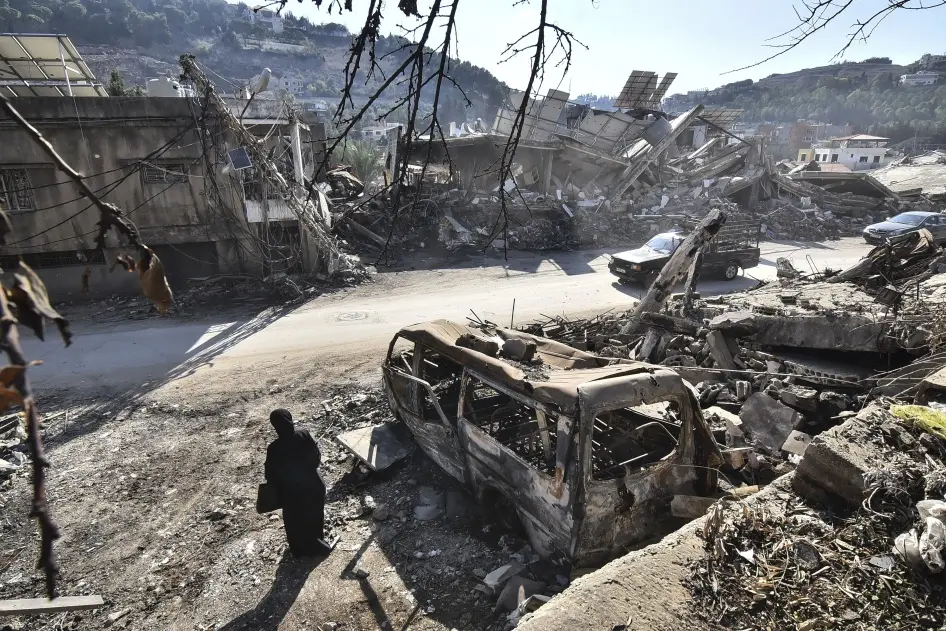
Images of flattened homes and empty streets have circulated widely, amplifying public debate. Supporters of military action emphasize the need to secure borders, while critics focus on the civilian cost and long term consequences.
The stark visuals associated with the border village demolition have resonated strongly, turning the destroyed village into a symbol of how localized conflicts reshape entire communities.
A broader regional pattern
Analysts note that similar outcomes have occurred in other border regions where prolonged tension leads to the gradual clearing of civilian settlements. Over time, these areas become militarized zones devoid of normal life.
Seen in this context, the border village demolition is part of a wider regional pattern in which civilian presence is sacrificed to enforce security boundaries, often with lasting humanitarian fallout.
Life after erasure
For former villagers, daily life now revolves around adaptation. Weddings, funerals, and religious gatherings take place far from ancestral homes. Cultural traditions tied to land and harvest cycles have been disrupted.
Community leaders say the impact of the border village demolition will echo for generations, as children grow up without a tangible connection to the place their families once called home.
Implications for future stability
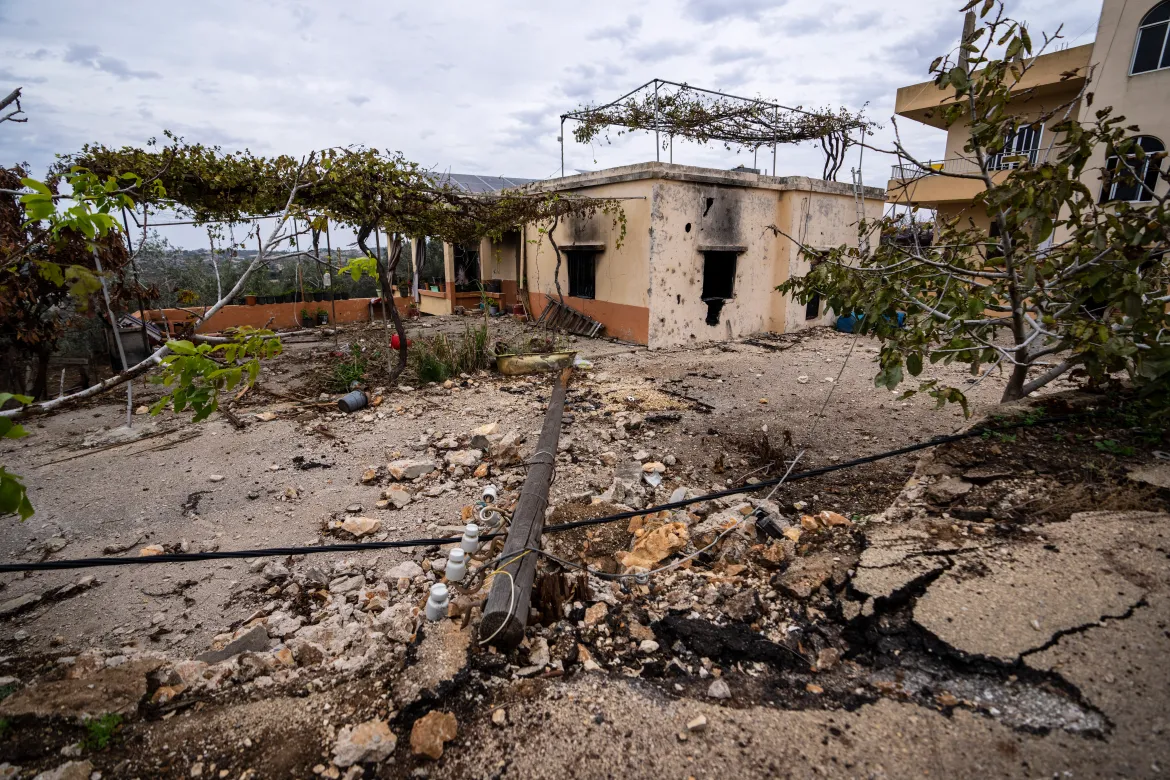
Peace-building experts warn that removing civilian communities from border areas may create short term calm while sowing seeds of future resentment. Rebuilding trust requires more than silence along a frontier; it requires addressing loss and displacement.
Each border village demolition, they argue, deepens grievances that can fuel instability long after fighting subsides.
The destruction of the final standing home in the Lebanese border settlement represents more than a tactical event. It marks the end of a community and the transformation of lived space into contested ground. As tensions persist, the completed border village demolition stands as a stark reminder that military decisions reshape not only borders, but lives, memories, and the prospects for lasting peace.