
Brussel morning commuters and travelers across Europe woke up to unexpected chaos as a major UK France train disruption brought Eurostar services through the Channel Tunnel to a sudden standstill. Rail officials urged passengers not to travel as operational issues inside the tunnel forced immediate service suspensions, creating widespread confusion at major stations in London, Paris, and Brussels.
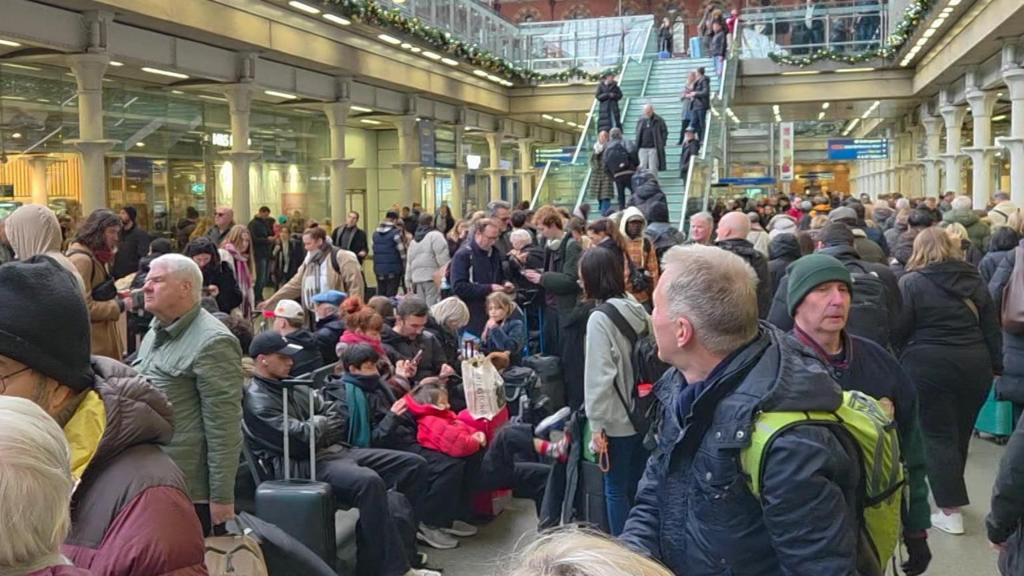
For many passengers, the disruption came without warning. Early morning travelers arriving at stations were met with cancellation boards, delayed announcements, and overcrowded terminals. The Channel Tunnel, one of Europe’s most vital transport corridors, once again proved how quickly modern travel can unravel when critical infrastructure encounters problems.
Sudden Suspension of Cross Border Rail Services
The UK France train disruption unfolded rapidly, with Eurostar confirming that multiple departures had been canceled in both directions. Safety systems detected irregularities that required engineers to halt rail traffic until further assessments could be completed.
Rail authorities emphasized that tunnel safety protocols leave little room for risk. Even minor technical alerts can force operators to suspend services to prevent escalation. While frustrating for travelers, officials stressed that the decision was necessary to ensure passenger safety.
Eurostar Advises Passengers Not to Travel
As the UK France train disruption intensified, Eurostar issued a clear public advisory urging passengers to avoid traveling until further notice. Customers were told to stay away from stations and check official digital channels for updates regarding refunds or rebooking options.
Stations such as London St Pancras International and Paris Gare du Nord quickly became congested as stranded travelers sought information. Staff worked to manage crowds while local authorities assisted with public safety measures inside and around station premises.
Channel Tunnel Importance to European Mobility
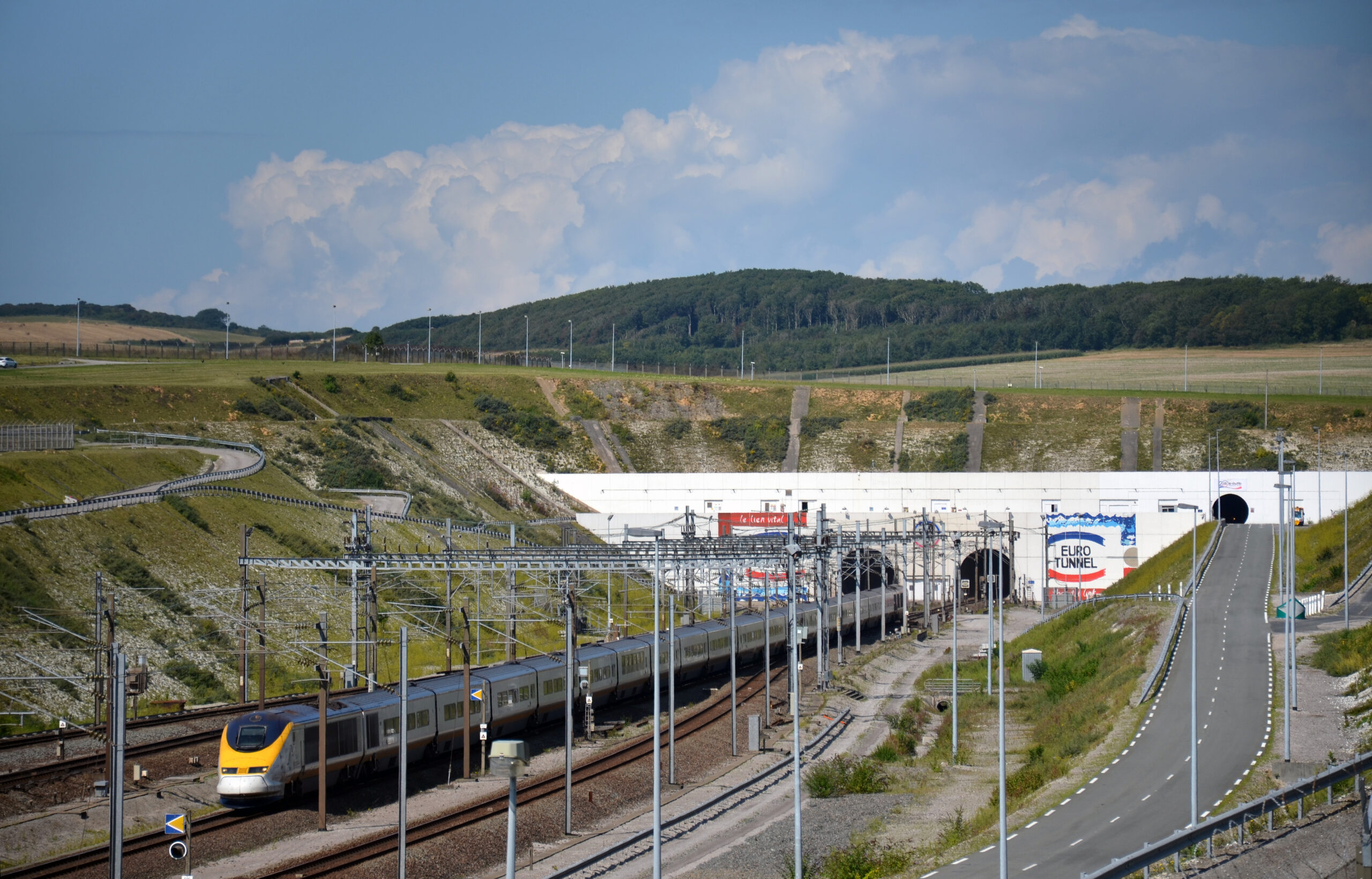
The Channel Tunnel is more than just a rail link. It is a strategic artery connecting the United Kingdom with mainland Europe. The UK France train disruption exposed how dependent international travel has become on this single piece of infrastructure.
Each day, thousands of passengers rely on the tunnel for business, tourism, and family travel. When services stop, the ripple effects extend across airline schedules, ferry operations, hotel bookings, and even regional transport systems far beyond the tunnel itself.
Travelers Scramble for Alternatives
With Eurostar services halted, passengers affected by the UK France train disruption were forced to consider alternative routes. Airlines reported a surge in last minute booking inquiries, while ferry operators saw increased demand on cross Channel routes.
However, capacity limitations meant many travelers were unable to secure immediate alternatives. Prices for flights rose sharply as availability tightened, adding financial strain to an already stressful situation.

Impact on Tourism and Local Economies
Tourism sectors in both the UK and France felt immediate pressure from the UK France train disruption. Hotels reported cancellations, particularly in cities heavily dependent on weekend and short stay travelers arriving by rail.
Restaurants, retailers, and cultural attractions near major stations experienced reduced foot traffic. Local business associations warned that prolonged disruption could lead to measurable economic losses if services are not restored quickly.
Freight and Supply Chain Concerns
Beyond passenger travel, the UK France train disruption also raised concerns about freight movement through the Channel Tunnel. While freight operations are managed separately, delays can affect time sensitive deliveries, particularly for perishable goods and just in time supply chains.
Logistics experts noted that repeated interruptions could push more freight onto road and sea routes, increasing congestion and costs across Europe’s transport network.
Passenger Rights and Refund Policies
Passengers impacted by the UK France train disruption may be eligible for compensation under European rail passenger protection regulations. These rules generally provide rights to refunds, alternative transport, or future travel credits depending on delay length.
Eurostar confirmed it would offer flexible options for affected customers, acknowledging the scale of inconvenience caused. Travelers were advised to keep booking confirmations and monitor official communications closely.
Infrastructure Strain and Maintenance Challenges
The UK France train disruption reignited debate over the resilience of Europe’s busiest transport corridors. Although the Channel Tunnel is considered a landmark engineering achievement, aging systems and rising demand place increasing strain on maintenance schedules.
Transport analysts argue that long term investment is needed to modernize monitoring systems and expand redundancy measures. Without such upgrades, similar incidents may become more frequent as passenger volumes continue to grow.
Government and Regulatory Response
Officials in both the UK and France are monitoring the UK France train disruption closely. Transport ministries emphasized cooperation between national rail authorities to restore services as quickly and safely as possible.
While no immediate policy changes have been announced, industry observers expect renewed scrutiny of cross border infrastructure governance and emergency response coordination following the incident.
Communication Challenges During the Disruption
One of the most common complaints from passengers during the UK France train disruption was the lack of clear and timely information. Travelers reported confusion over cancellation notices and conflicting updates from different channels.
Experts stress that transparent communication is essential during large scale transport disruptions. Clear messaging not only reduces frustration but also helps manage crowd behavior and safety risks at busy transport hubs.
Environmental Implications of Rail Disruptions
Rail travel is often promoted as a climate friendly alternative to air travel. The UK France train disruption temporarily undermined this goal by pushing travelers toward flights and road transport, which typically generate higher emissions.
Environmental groups argue that improving rail reliability is essential to maintaining public confidence in sustainable travel options.
What Passengers Should Do Now
Travelers affected by the UK France train disruption should avoid unnecessary travel to stations and rely on official updates for accurate information. Flexibility remains crucial, particularly for those with tight schedules or onward connections.
Passengers planning future trips are advised to monitor service restoration announcements before finalizing travel arrangements.
Lessons for the Future of European Rail
The UK France train disruption serves as a reminder that even the most advanced transport systems are vulnerable to failure. As Europe pushes toward greater rail integration, ensuring infrastructure resilience will be essential.
Investments in technology, maintenance, and cross border coordination could reduce the likelihood and impact of similar incidents in the future.
The UK France train disruption has disrupted lives, strained transport networks, and highlighted the critical importance of reliable infrastructure. While safety remains the top priority, the incident underscores the need for continued investment and improved communication across Europe’s rail systems.
As authorities work to restore full service, passengers and businesses alike will be watching closely, hoping lessons from this disruption lead to a more resilient and dependable future for cross border rail travel.