

Ladybirds, also known as ladybugs, are among the most familiar and cherished insects in gardens and homes across the UK and beyond. Yet, many people experience times when ladybirds seem to be everywhere swarming on windows, clustering in homes, or creating what feels like a full-scale infestation.
This article explores why so many ladybirds appear at certain times of the year, the biology and behavior behind their swarming, the impact of invasive species such as harlequin ladybirds, and what changing environmental factors mean for ladybird populations. It also offers practical advice on managing ladybirds when they enter homes, making this a comprehensive guide for understanding these striking insects.
Ladybirds and Their Seasonal Behavior
Ladybirds are beneficial insects well-known for their voracious appetite for aphids and other plant pests. Their population fluctuates naturally throughout the year according to biological cycles and environmental conditions. One major reason for the sudden appearance of many ladybirds—often termed swarming or aggregating—is their preparation for winter hibernation.
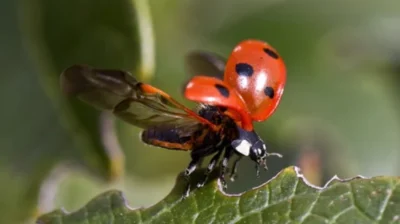
In autumn, ladybirds enter a state called diapause, an insect version of hibernation that allows them to survive cold weather by significantly reducing their metabolic activity. During this time, they seek sheltered, warm, and stable places to hide until temperatures rise again in spring. Dr. Elizabeth Duncan, Professor of Zoology at the University of Leeds, explains that ladybirds cluster together to maintain warmth and conserve energy, often gathering on sunny window sills and in cracks around houses.
This autumnal gathering is a natural behavior, where ladybirds exploit the opportunity presented by dry, sunny conditions to find suitable overwintering spots. The seemingly extraordinary numbers of ladybirds attracted to homes in the UK each year typically reflect this aggregation process, which is perfectly normal for the season.
The Role of Climate and Weather
Weather plays a significant role in the abundance and visibility of ladybirds. Recent seasons in the UK have seen exceptionally warm springs and summers—with record-breaking sunshine and temperatures well above seasonal averages. Such conditions promote a boom in ladybird populations due to an increase in their primary food source, aphids, which thrive in warm and dry weather.
The Royal Horticultural Society notes that aphid populations soared following warm conditions, supplying ample food for ladybirds to reproduce. Consequently, ladybirds multiply rapidly and become more noticeable when they move to seek overwintering sites later in the year.
Furthermore, shifts in climate, characterized by milder winters and variable seasonal weather, may affect ladybird behavior and survival. Some species may expand their range or experience changes in lifecycle timing, while others that rely on colder conditions could decline. Ladybirds with flexible diets and those able to tolerate warmer conditions are expected to fare better.
Native Ladybirds versus the Harlequin Ladybird
In the UK, several native ladybird species exist, with the seven-spot ladybird (Coccinella septempunctata) being among the most common. These native species tend to overwinter in natural settings such as leaf litter or under bark.
However, the dramatic rise of the invasive harlequin ladybird (Harmonia axyridis) has transformed the ladybird landscape. Originally from Asia, harlequins were introduced deliberately to control aphids but have since outcompeted many native species.
Harlequin ladybirds are noted for their variable color patterns and often bear a characteristic white “M” or “W” on a black patch behind their heads, distinguishing them from native species. They prefer to overwinter in human dwellings, which is why they are more frequently encountered in large numbers inside homes, giving the impression of an infestation.
Their adaptability and aggressive predatory habits enable them to dominate native ladybirds, contributing to declines in traditional species. The presence of large harlequin populations is often behind the sudden and dramatic ladybird swarms reported in urban and suburban areas.
Understanding Ladybird Infestations
While large ladybird gatherings can be startling, it is important to understand that most ladybirds are harmless to humans and property. The term “ladybird infestation” usually refers to their preference to overwinter indoors where they find suitable warm crevices. These clusters can be dense but tend not to cause physical damage.
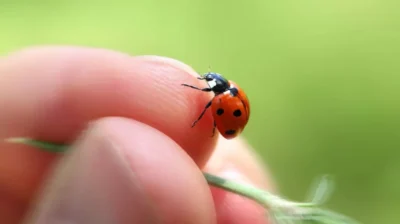
Homeowners often report ladybirds swarming windows or entering homes in search of shelter. This behavior peaks in autumn as the insects prepare for winter diapause. Factors including house orientation, cracks around windows, and local weather conditions influence the number of ladybirds that end up indoors.
Care must be taken when managing these aggregations. Ladybirds do not reproduce indoors or damage structures. They also contribute significantly to pest control outdoors. Experts advise gentle removal and relocation rather than extermination, as ladybirds are considered beneficial insects.
Ladybirds Everywhere Today: What Does It Mean?
Public reports and social media frequently highlight “ladybirds everywhere today,” reflecting ongoing natural population cycles combined with increased public awareness. Innovations in digital cataloging and citizen science allow people to share observations widely, increasing visibility of common natural events.
Occasional years with especially large populations of ladybirds may be linked to favorable environmental factors such as mild weather, abundant food sources, and the dominance of invasive species like the harlequin ladybird. Scientists continue to monitor these trends to understand long-term impacts and potential ecological shifts.
Managing Ladybirds in the UK
The UK, like many temperate regions, experiences seasonal surges in ladybird numbers. Practical advice from conservation groups and entomologists suggests:
- Leaving ladybird clusters undisturbed where possible to preserve these natural predators.
- Sealing cracks and gaps in homes to prevent overwintering entry.
- Using gentle methods to relocate ladybirds outdoors, such as scooping them into a container and releasing them in shrubs or outbuildings.
- Avoiding harsh pesticides which harm not only ladybirds but other beneficial insects.
The Wildlife Trusts encourage treating ladybirds as friends of the garden to support balanced ecosystems.
Broader Ecological Importance of Ladybirds
Ladybirds play a crucial role in controlling aphids and other agricultural pests globally, saving millions in crop losses each year. Their predatory nature makes them integral to sustainable gardening and farming practices. Encouraging healthy ladybird populations benefits biodiversity and reduces reliance on chemical controls.
Their presence in large numbers is often a sign of ecological health, indicating abundant prey and favorable environmental conditions. Conversely, declines in native ladybird species can signal habitat loss or invasive pressures, guiding conservation efforts.
The question of “why so many ladybirds” arises regularly as natural cycles bring these insects into contact with human habitats, especially in the autumn months. Their swarming behavior is a perfectly normal part of their survival strategy to cope with cold weather by seeking warm, secure overwintering sites.
Warm weather patterns, booming food sources, and the presence of invasive harlequin ladybirds all contribute to their sudden and sometimes overwhelming appearances. Understanding their role, respecting their defensive nature, and managing their presence with care ensures positive coexistence.
Ladybirds remain vital allies in gardens and ecosystems, enchanting with their vibrant colors while quietly maintaining natural balance.
Dear reader,
Opinions expressed in the op-ed section are solely those of the individual author and do not represent the official stance of our newspaper. We believe in providing a platform for a wide range of voices and perspectives, even those that may challenge or differ from our own. We remain committed to providing our readers with high-quality, fair, and balanced journalism. Thank you for your continued support.