Tensions escalated sharply as Syria protests live coverage spread across regional and international media following deadly clashes between demonstrators and security forces. What began as public gatherings quickly transformed into violent confrontations, leaving communities shaken and raising serious concerns about safety, stability, and the future direction of public dissent in the country.
Eyewitnesses described chaotic scenes as crowds surged through streets, fires burned near public buildings, and emergency sirens echoed for hours. The speed at which the situation deteriorated surprised many observers and highlighted how fragile the balance between protest and confrontation has become.
Demonstrations Expand Faster Than Anticipated
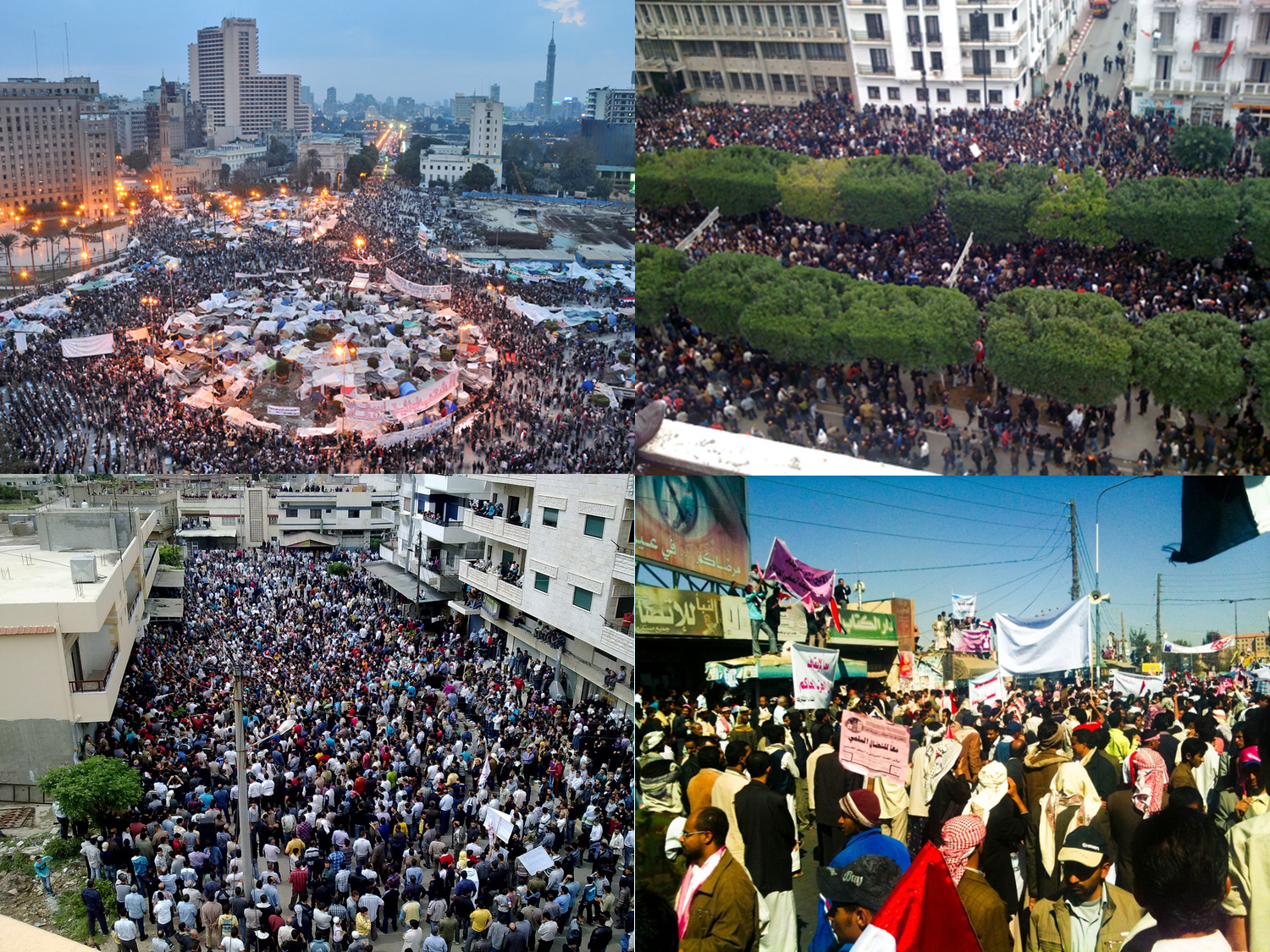
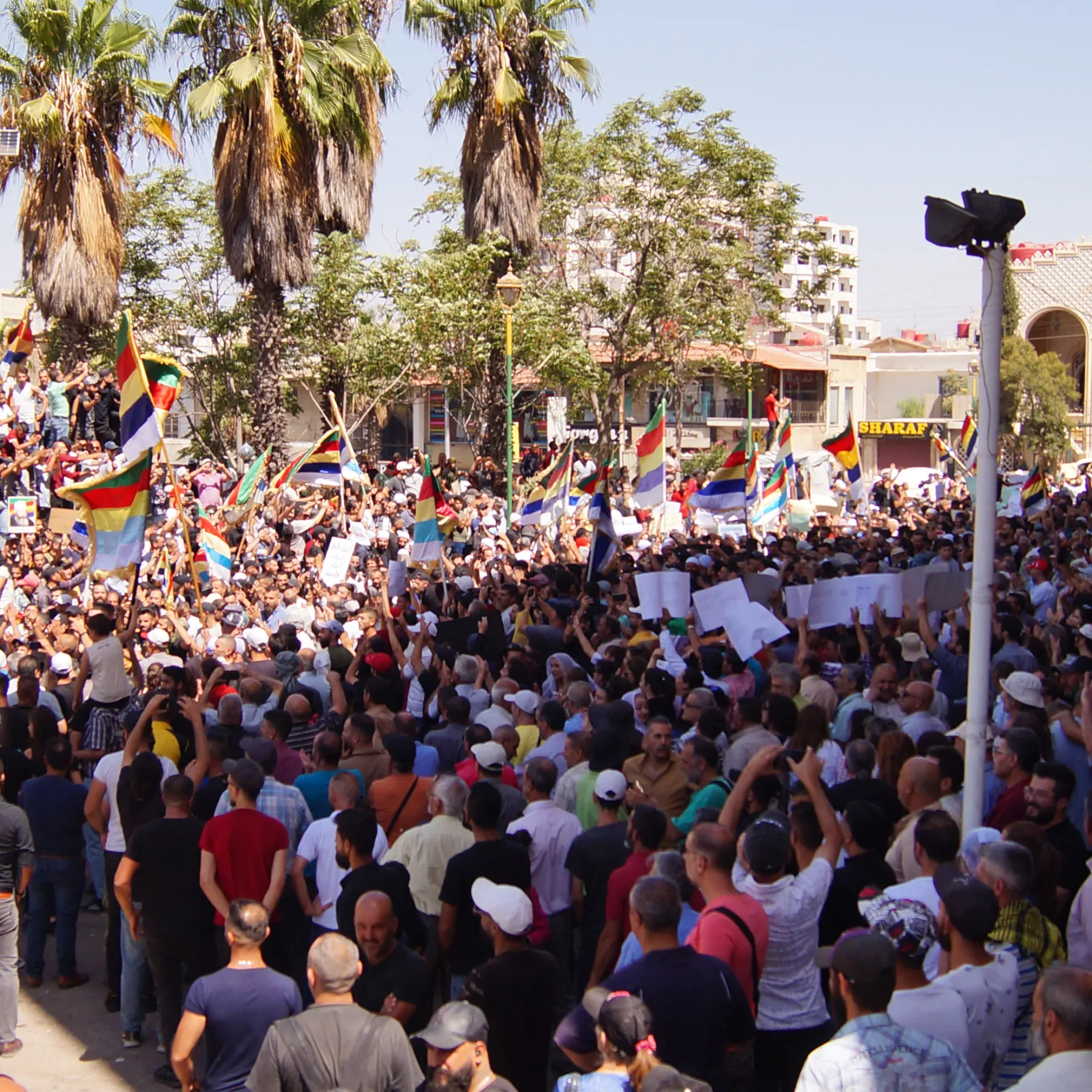
Calls for demonstrations circulated through social networks and local community channels, initially suggesting limited participation. Instead, turnout grew rapidly as hundreds joined gatherings in multiple urban areas. Protesters arrived from surrounding neighborhoods, swelling crowds beyond what organizers and authorities expected.
As images and updates from Syria protests live began circulating online, participation increased further. The expanding crowds intensified emotions, making coordination and control increasingly difficult for both organizers and security forces.
Escalation From Peaceful Protest to Violence
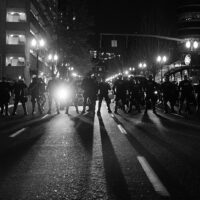
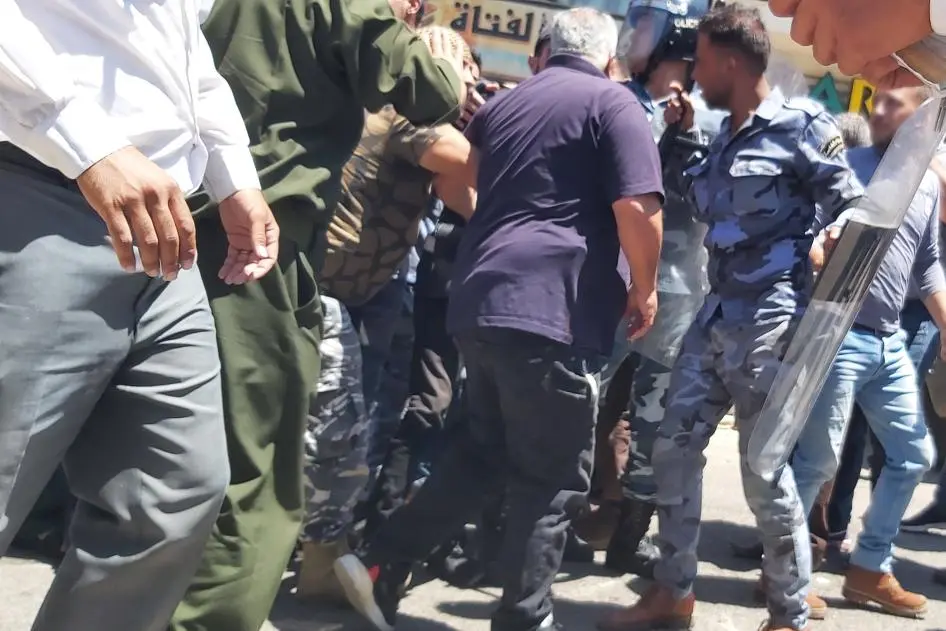
The transition from peaceful protest to violent confrontation occurred within a short span of time. Tensions rose when authorities attempted to clear blocked roads and disperse crowds gathering near sensitive locations. Some demonstrators resisted, while others reacted aggressively to the growing security presence.
Clashes soon erupted, with reports of objects being thrown and fires ignited in several areas. When Syria protests live reports confirmed injuries, fear spread rapidly, triggering panic and chaotic movement through already crowded streets.
Law Enforcement Response and Crowd Control
Security forces deployed riot units in an effort to restore order and prevent damage to public infrastructure. Officials stated that the use of force was necessary to protect civilians and maintain stability. Barricades were erected, and crowd dispersal tactics were employed in multiple locations.
However, critics argue that the response may have intensified the unrest. Civil rights advocates emphasized that the handling of demonstrations often determines whether violence escalates or subsides. As Syria protests live continued to dominate headlines, questions surrounding proportionality and accountability grew louder.
Injuries and Casualties Reported
Medical teams confirmed multiple injuries among protesters, security personnel, and bystanders caught in the unrest. Hospitals treated patients suffering from blunt force trauma, smoke inhalation, and stress related conditions.
Emergency responders faced difficulty accessing some areas due to blocked roads and ongoing confrontations. Authorities warned that casualty figures could rise as investigations continue and Syria protests live developments unfold.
Root Causes Behind the Protests
Analysts point to a mix of economic hardship, political frustration, and long standing grievances as key drivers behind the demonstrations. Rising living costs, limited job opportunities, and reduced public services have contributed to growing dissatisfaction.
Many demonstrators stated that public protest was their only remaining avenue after years of feeling unheard. The moment these frustrations erupted into nationwide attention through Syria protests live coverage underscored the depth of unresolved social tensions.
Impact on Daily Life and Communities
Residents living near protest zones described nights filled with fear and uncertainty. Businesses closed early, schools suspended classes, and public transportation services were disrupted. Families avoided city centers as unrest spread.
For many citizens, the day Syria protests live shifted from political discussion to violent confrontation marked a turning point in their sense of safety and stability. The emotional impact extended far beyond physical damage.
Government Response and Official Statements
Authorities issued statements urging calm and calling for peaceful expression of grievances. Officials condemned acts of violence and pledged investigations into the incidents that led to deadly clashes.
Emergency meetings were reportedly held to review security strategies and assess how protests escalated so quickly. While leadership acknowledged public frustration, skepticism remained over whether meaningful reforms would follow the events highlighted by Syria protests live.
Media Coverage and Global Attention
Footage of clashes spread rapidly across international media outlets. Images of burning debris, injured protesters, and heavy security deployments drew global attention and concern over regional stability.
Human rights organizations urged restraint from all sides, emphasizing dialogue and respect for civilian safety. As Syria protests live reached international audiences, pressure mounted on authorities to demonstrate transparency and accountability.
Calls for Dialogue and De Escalation
Community leaders, religious figures, and civil organizations appealed for calm and urged protesters and authorities alike to step back from violence. Many stressed that continued escalation would only deepen divisions and prolong suffering.
Activists argued that addressing underlying grievances through dialogue was essential to preventing future unrest. The aftermath of Syria protests live intensified demands for inclusive negotiations and meaningful engagement.
Economic Consequences of the Unrest
The clashes caused significant economic disruption. Damaged infrastructure, halted commerce, and emergency response costs placed additional strain on local economies already under pressure.
Small businesses were particularly affected, with many reporting losses that may take months to recover. Investors and regional partners closely monitored Syria protests live, raising concerns about long term economic stability.
Transportation and Infrastructure Disruptions
Major roads were closed, public transit services suspended, and supply chains interrupted. Emergency vehicles struggled to navigate blocked streets, delaying medical assistance and firefighting efforts.
These disruptions highlighted how quickly Syria protests live can translate into logistical challenges that affect millions beyond those directly participating in demonstrations.
Role of Social Media in Mobilization
Social media platforms played a central role in organizing protests and spreading information. While these tools helped mobilize participants, they also amplified rumors and heightened emotions.
Unverified videos and claims circulated rapidly, fueling anger and fear. Analysts noted that managing information flow is critical during periods of Syria protests live to prevent misinformation from worsening unrest.
Historical Context of Public Unrest
Experts observe that similar patterns have emerged during previous episodes of unrest. Prolonged dissatisfaction combined with triggering events often leads to sudden eruptions of violence.
The current situation fits a broader historical pattern seen in past Syria protests live moments, reinforcing concerns about unresolved structural issues.
Public Trust and Institutional Confidence
One of the most lasting consequences of unrest is the erosion of trust between citizens and institutions. Many now question whether authorities can maintain order while respecting basic rights.
Rebuilding confidence after Syria protests live fades from daily headlines will require visible accountability, transparency, and reform.
What Authorities Must Address Next
Restoring calm represents only the first step. Authorities face growing pressure to address the underlying issues that sparked the demonstrations, including economic relief and political inclusion.
Failure to act meaningfully once Syria protests live attention diminishes risks repeating the cycle of unrest in the future.
Community Recovery and Healing
As streets are cleared and damaged property repaired, communities face the challenge of emotional recovery. Trauma from violence, fear, and loss often lingers long after demonstrations end.
Support services, counseling, and local outreach will play a vital role in healing following Syria protests live events of this scale.
Regional and International Implications
Neighboring countries and global partners are watching developments closely. Diplomatic relationships, trade, and humanitarian considerations may all be influenced by prolonged instability.
How leadership responds to Syria protests live may shape international perceptions and cooperation moving forward.
Final Outlook on the Crisis
The eruption of deadly clashes serves as a stark reminder of what happens when frustration meets force. Peaceful protest remains a fundamental right, but unchecked escalation carries heavy consequences for society.
As cities recover and leaders reassess their strategies, the lessons drawn from Syria protests live will likely influence governance, public engagement, and crisis management for years to come.