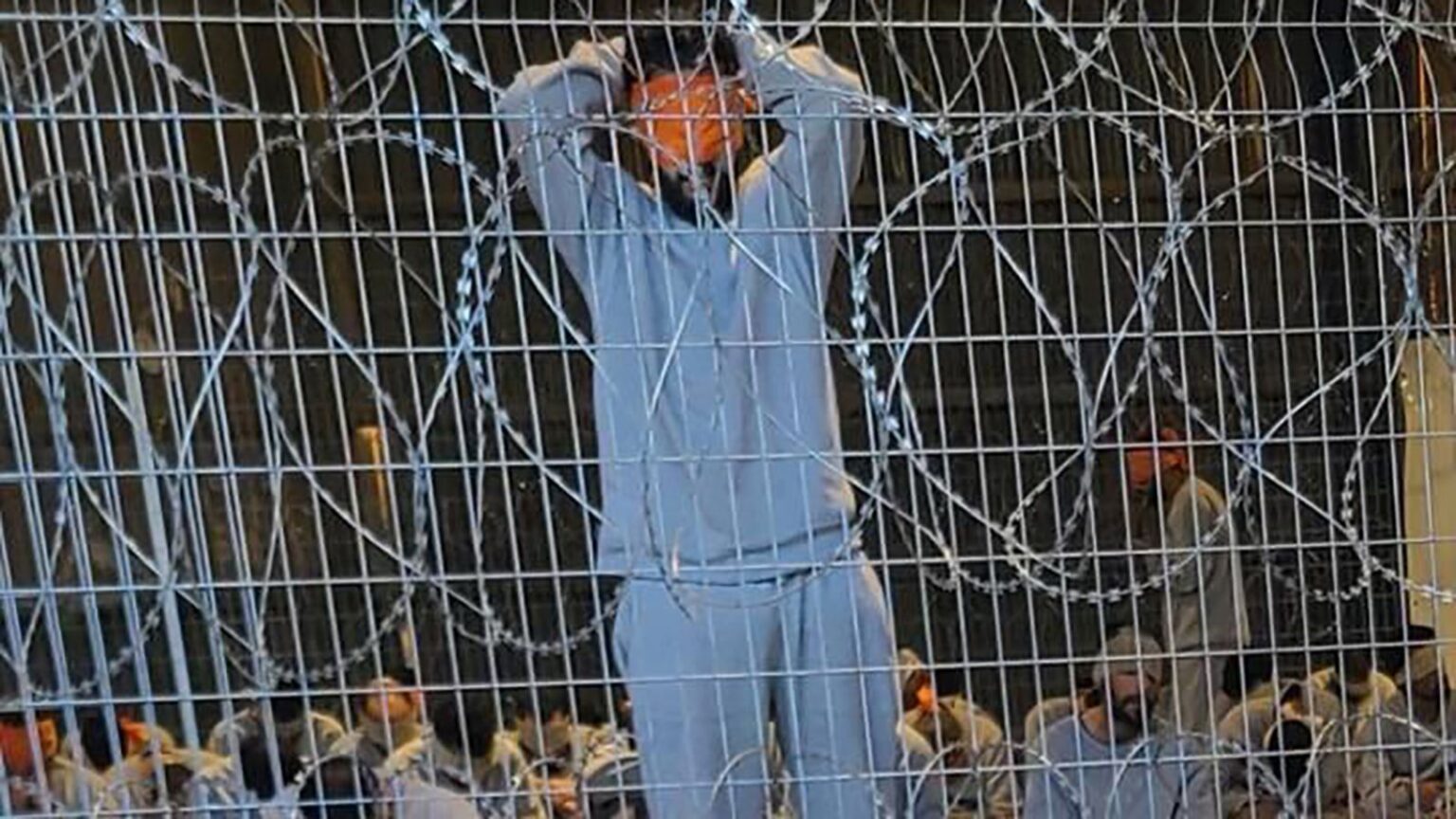
The Gaza doctor detention has emerged as a powerful symbol of the broader legal and humanitarian challenges facing civilians and professionals in conflict zones. One year after a physician from Gaza was taken into custody, the continued absence of formal charges has intensified debate among international legal experts, medical organizations, and human rights advocates. The case has gained prominence not only because of its duration, but also because it involves a medical professional whose work centers on saving lives in extreme conditions.
As global attention remains fixed on the situation, the case highlights tensions between security policies and fundamental legal protections. For many observers, it raises urgent questions about due process, accountability, and the treatment of healthcare workers operating in environments shaped by prolonged conflict and instability.
Background of the Detained Physician
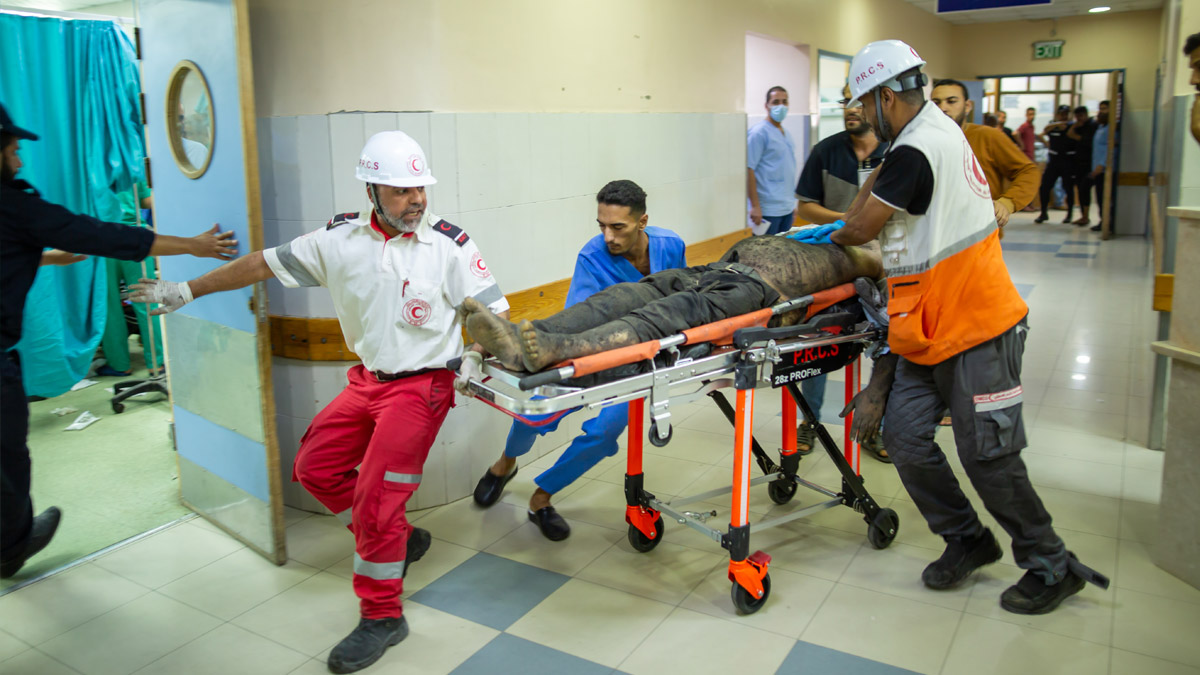
The physician at the center of this case worked in Gaza’s overstretched healthcare system, where hospitals routinely face shortages of medicine, electricity, and essential medical equipment. Doctors in Gaza often perform their duties under intense pressure, responding to emergencies while navigating damaged infrastructure and limited resources.
Colleagues have described the detained doctor as dedicated and professional, committed to patient care regardless of circumstances. His absence has reportedly placed additional strain on already burdened medical teams, underscoring how the removal of even one trained professional can affect healthcare delivery in vulnerable communities.
Circumstances Leading to the Detention
The detention reportedly occurred during heightened security operations, with authorities citing preventive measures rather than specific criminal charges. Under such policies, individuals may be held based on classified intelligence that is not disclosed to detainees or their legal representatives.
This approach has drawn criticism from legal observers who argue that secrecy undermines the right to a fair process. Supporters of the policy counter that intelligence sensitivity necessitates confidentiality. These competing perspectives have kept the Gaza doctor detention firmly at the center of international debate.
Understanding Administrative Detention Practices
Administrative detention allows authorities to hold individuals without trial for renewable periods, typically justified on security grounds. While international law permits limited use of such measures, it also requires strict safeguards and proportionality.
Human rights organizations argue that prolonged detention without charge risks violating basic legal protections. The ongoing Gaza doctor detention has renewed calls for clearer limits, stronger judicial oversight, and greater transparency in the application of administrative detention policies.
Impact on Gaza’s Healthcare System
Gaza’s healthcare system has long struggled with shortages of staff, supplies, and infrastructure. Detaining a physician exacerbates these challenges, leaving patients with fewer treatment options and increasing pressure on remaining healthcare workers.
Medical associations warn that cases like the Gaza doctor detention may discourage doctors from continuing their work in high-risk environments. Fear of detention can undermine healthcare access for civilians who already face significant barriers to medical care.
International Humanitarian Law Considerations
International humanitarian law grants special protections to medical personnel due to their neutral role in treating civilians and the wounded. While detention is not prohibited outright, it must meet stringent legal criteria and respect due process.
Legal scholars have raised concerns that extended detention without formal charges may erode these protections. As a result, the Gaza doctor detention has become a focal point in discussions about whether established humanitarian norms are being weakened in modern conflicts.
Responses from Human Rights Organizations
Numerous international and regional human rights groups have issued statements calling for either formal charges or immediate release. These organizations emphasize the importance of transparency, access to legal counsel, and independent judicial review.
Medical associations have echoed these concerns, stressing that detaining doctors undermines healthcare neutrality. Advocacy campaigns frequently cite the Gaza doctor detention as an example of broader systemic issues affecting civilians and professionals in conflict zones.
Security Perspective and Official Justifications
Authorities defending administrative detention policies argue that such measures are necessary to prevent imminent threats when revealing evidence could compromise intelligence sources. From this perspective, professional roles do not exempt individuals from security assessments.
Critics, however, argue that security concerns must be balanced against fundamental rights. The sustained attention on the Gaza doctor detention reflects ongoing disagreement over how that balance should be struck in practice.
Legal Challenges and Appeals
Legal representatives for detainees often face significant obstacles, including limited access to evidence and restricted communication. Reviews of detention orders are typically conducted by special courts, which critics say may lack sufficient independence.
Despite repeated appeals, the detention has reportedly been extended multiple times. These extensions have kept the Gaza doctor detention under scrutiny from international legal observers and advocacy groups seeking greater accountability.
Psychological and Family Impact
Prolonged detention without charge can have severe psychological effects on detainees and their families. Uncertainty about release timelines, limited visitation, and restricted communication contribute to emotional distress.
Family members often become advocates, sharing personal stories that humanize abstract legal debates. These narratives have amplified awareness of the Gaza doctor detention, drawing attention to its human cost beyond legal arguments.
Broader Patterns Affecting Medical Workers
Human rights monitors note that medical professionals have increasingly been affected by security policies in conflict regions worldwide. While each case differs, patterns of detention raise concerns about long-term impacts on civilian healthcare systems.
The Gaza doctor detention has become emblematic of these broader concerns, illustrating how individual cases can highlight systemic challenges faced by medical workers operating under conflict conditions.
Role of Media and Public Awareness
Sustained media coverage has played a critical role in keeping the case visible. Investigative reporting, expert analysis, and personal accounts have ensured that the issue remains part of public discourse.
Without continued attention, prolonged detentions risk fading from view despite unresolved legal and humanitarian questions. Coverage of the Gaza doctor detention demonstrates how journalism can influence accountability and transparency.
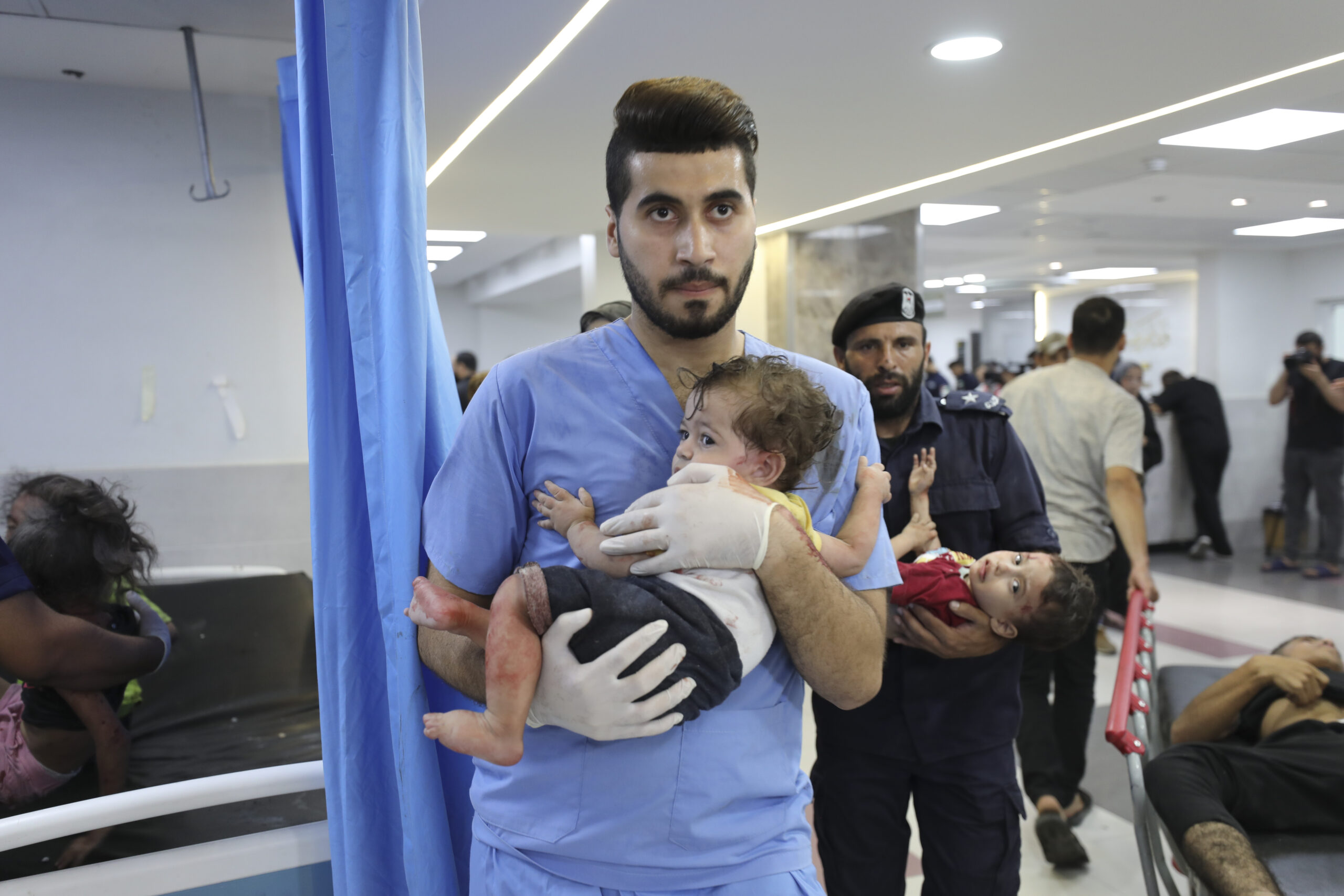
Ethical Implications for Medical Neutrality
Medical neutrality depends on the principle that healthcare workers can operate without fear of punishment for fulfilling humanitarian duties. Detention undermines this trust and may deter professionals from serving in high-risk areas.
Ethicists warn that when doctors fear detention, patients ultimately suffer. The unresolved Gaza doctor detention challenges ethical standards designed to protect both healthcare providers and those they serve.
Possible Paths Toward Resolution
Several outcomes remain possible, including formal charges, release, or increased international mediation. Advocacy groups continue to push for legal reforms that would strengthen safeguards and limit prolonged detention without trial.
Until clarity emerges, the Gaza doctor detention is likely to remain a focal point for discussions on human rights, security policy, and humanitarian law.
The Gaza doctor detention represents a complex intersection of security concerns, legal standards, and humanitarian principles. Its prolonged nature has raised serious questions about due process and the protection of medical workers in conflict zones.
As international attention continues, the resolution of this case may influence future debates on administrative detention and medical neutrality. Its outcome will carry implications not only for one individual, but for broader practices affecting civilians and professionals in regions marked by prolonged conflict.