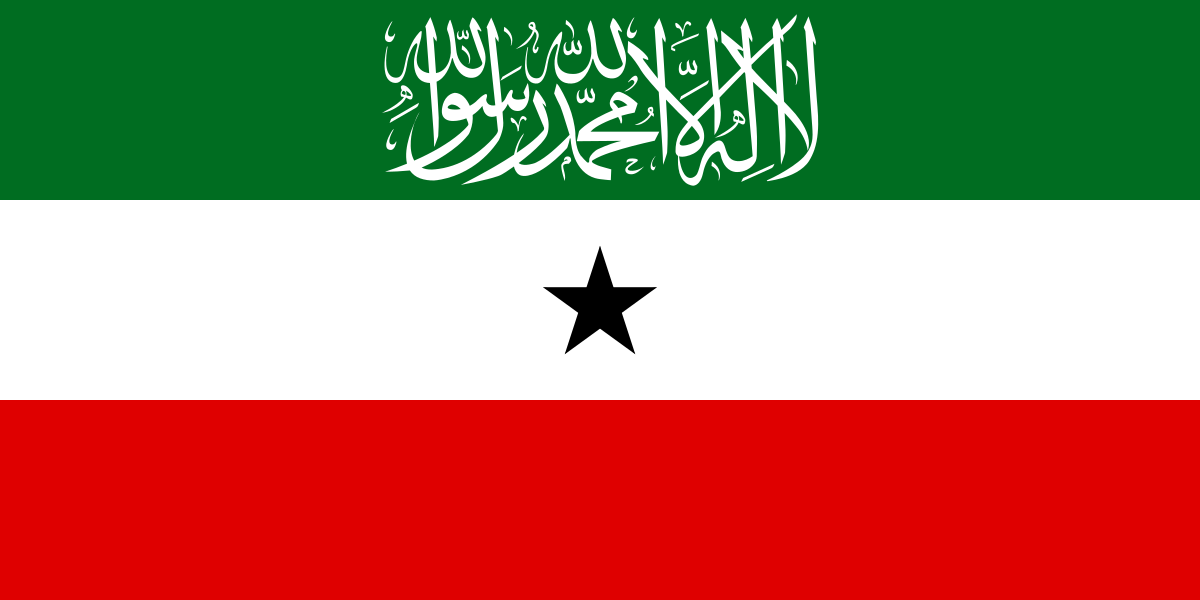
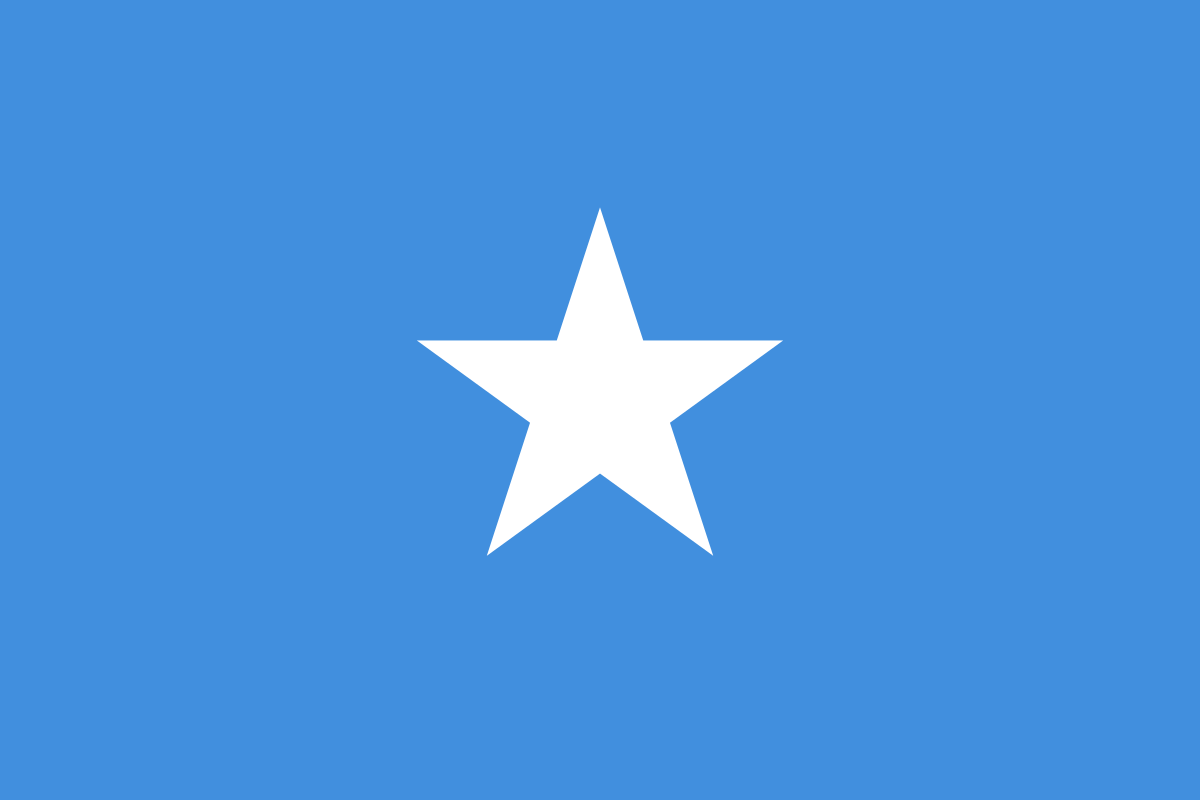
The Somaliland recognition dispute has become one of the most complex and enduring diplomatic questions in modern Africa. It is a topic that blends history, law, security, economics, and geopolitics into a single unresolved challenge. At its core, the disagreement centers on whether Somaliland should be acknowledged as an independent nation or remain part of Somalia’s internationally recognized borders.
For more than three decades, Somaliland has functioned with its own government, elections, and security institutions. Yet global recognition has remained elusive. This gap between reality on the ground and international diplomacy continues to fuel debate, regional tension, and political uncertainty.
Understanding why this issue persists requires examining history, legal standards, regional stability, and global strategic interests that all intersect within the Horn of Africa.
Historical Foundations of Somaliland’s Status
The roots of the Somaliland recognition dispute trace back to the colonial era. Somaliland was once a British protectorate, while southern Somalia was governed by Italy. When both territories united in 1960, the merger was rushed and poorly structured, leaving unresolved political and constitutional issues.
Following the collapse of Somalia’s central government in 1991, Somaliland withdrew from the union and reasserted sovereignty based on its former colonial borders. Unlike many breakaway regions, Somaliland pursued stability through reconciliation, local governance, and democratic processes rather than prolonged conflict.
Despite this, international borders established after independence in Africa have traditionally been preserved to prevent endless fragmentation. That principle continues to shape external responses today.
Somalia’s Position on Territorial Integrity
Somalia maintains that Somaliland remains an inseparable part of its sovereign territory. From Mogadishu’s perspective, recognition would violate international law and undermine efforts to rebuild a unified state after decades of war.
Somalia argues that acknowledging Somaliland could encourage separatist movements elsewhere on the continent. This concern explains why many African nations align with Somalia’s stance, even while engaging informally with Somaliland authorities.
The Somali government sees the Somaliland recognition dispute as a test of international commitment to sovereignty, national unity, and post-conflict recovery.
Somaliland’s Case for Independence
Somaliland presents a very different narrative. Its leaders argue that the union with Somalia failed and that withdrawal was legally justified. Since 1991, Somaliland has built functioning institutions, conducted multiple elections, and maintained internal security.
Supporters point out that Somaliland meets many criteria commonly associated with statehood, including defined borders, a permanent population, and an effective government. They argue that continued non-recognition punishes success rather than instability.
From this viewpoint, the Somaliland recognition dispute reflects political caution rather than legal impossibility.
Regional Stability and the Horn of Africa
The Horn of Africa is strategically vital, sitting near major shipping lanes connecting Europe, Asia, and the Middle East. Any instability in this region has implications far beyond national borders.
Neighboring countries fear that changes in recognition policy could destabilize existing boundaries and inflame dormant disputes. As a result, regional actors often prefer the status quo, even if it leaves the Somaliland recognition dispute unresolved.
Security cooperation, counterterrorism efforts, and trade agreements all depend on maintaining predictable political relationships across the region.
International Law and Recognition Norms
Recognition under international law is not automatic. It is a political decision shaped by diplomacy, alliances, and precedent. While legal frameworks provide guidance, states ultimately decide based on national interests.
This ambiguity allows Somaliland to function without recognition while also preventing formal acceptance. The Somaliland recognition dispute exists largely because international law offers no enforcement mechanism compelling recognition.
Instead, global institutions often prioritize stability over legal consistency.
Foreign Engagement Without Recognition
Many countries engage with Somaliland through trade offices, development aid, and security cooperation. These relationships stop short of formal diplomatic recognition but acknowledge Somaliland’s de facto governance.
This approach allows foreign governments to protect strategic interests while avoiding diplomatic fallout with Somalia. It also reinforces the unique nature of the Somaliland recognition dispute, where practical engagement coexists with political denial.
Such arrangements, however, limit Somaliland’s access to international finance and multilateral institutions.
Security Considerations
Somalia continues to face internal security challenges, including militant groups and fragile institutions. Officials argue that recognition could weaken national cohesion and distract from counterterrorism efforts.
Security analysts note that unresolved political status can also create vulnerabilities. The Somaliland recognition dispute remains closely monitored by international security planners concerned about regional spillover effects.
Stability in Somaliland has often contrasted sharply with instability elsewhere in Somalia, complicating security assessments.
Economic Implications
Recognition could open the door to foreign investment, international lending, and expanded trade for Somaliland. Ports, logistics, and infrastructure projects would benefit from clearer legal standing.
Conversely, Somalia fears economic marginalization if key trade routes shift away from federally governed regions. These competing economic interests deepen the Somaliland recognition dispute and make compromise difficult.
Economic incentives alone have not been sufficient to break the diplomatic stalemate.
Role of Global Powers
Major powers approach the issue cautiously. Some see strategic value in Somaliland’s ports and location near the Red Sea, while others prioritize relations with Somalia’s federal government.
This balancing act ensures that the Somaliland recognition dispute remains unresolved at the global level. Recognition by one major power could trigger diplomatic consequences across Africa and beyond.
As a result, most global actors prefer ambiguity.
African Union’s Perspective
The African Union has consistently emphasized respect for inherited borders. While acknowledging Somaliland’s stability, the AU has stopped short of endorsing recognition.
This position reflects concerns that altering borders could destabilize multiple regions. The AU’s stance reinforces the diplomatic weight of the Somaliland recognition dispute within continental politics.
Any change would likely require broad African consensus.
Human Impact of Non-Recognition
Ordinary citizens feel the effects of non-recognition through limited travel options, reduced access to international education, and restricted economic opportunities.
While governance remains functional, the lack of recognition affects development prospects. This human dimension is often overlooked in discussions of the Somaliland recognition dispute, yet it shapes daily life for millions.
The issue is not purely diplomatic; it is deeply personal for residents.
Possible Paths Forward
Several outcomes remain possible:
-
Continued non-recognition with informal engagement
-
Renewed negotiations between Somalia and Somaliland
-
African Union–led mediation
-
Long-term diplomatic stalemate
Each scenario underscores the complexity of resolving the Somaliland recognition dispute without broader political consensus.
Conclusion
The Somaliland recognition dispute stands at the intersection of law, politics, and regional stability. Somalia emphasizes sovereignty and unity, while Somaliland points to decades of effective self-governance.
Until international actors reconcile these competing principles, the dispute will remain unresolved. Its outcome will shape not only the Horn of Africa but also global norms surrounding statehood, recognition, and diplomacy.