Eastern Europe faced renewed anxiety after Poland scrambles jets in response to a fresh wave of Russian missile and drone attacks on Ukraine’s capital. The strikes on Kyiv occurred during the night, sending air raid sirens echoing across the city and forcing thousands of residents into shelters. The timing was especially sensitive, coming just ahead of planned peace talks involving Washington and Kyiv, raising questions about whether military pressure is being used to shape diplomatic outcomes.
As explosions lit up the skyline, Ukrainian air defense systems worked to intercept incoming threats. While many projectiles were destroyed, debris fell across several districts, damaging infrastructure and heightening civilian fear. Across the border, Poland’s defense forces moved swiftly, aware that any escalation near its frontier carries broader regional implications.
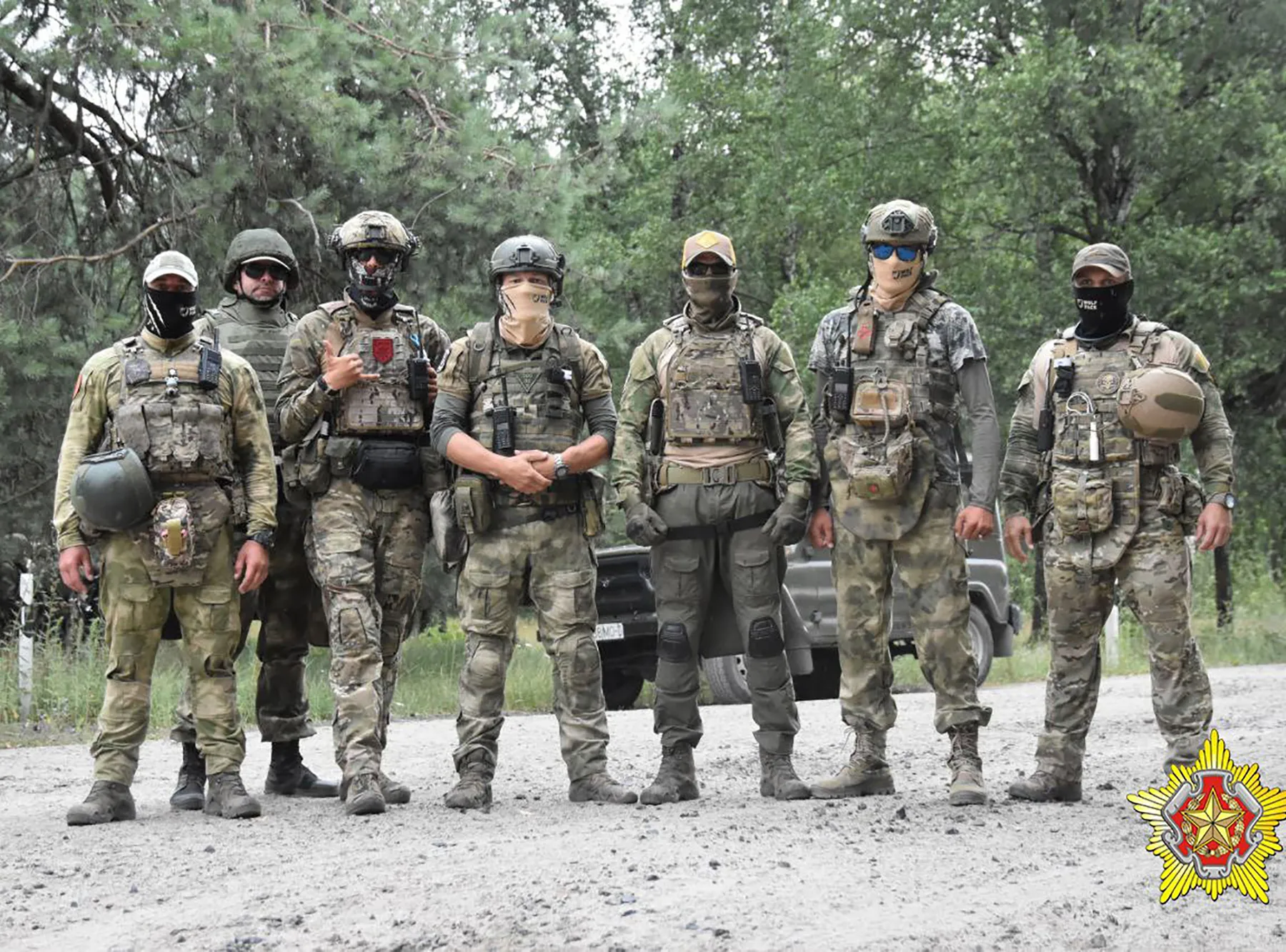
Why Poland’s Response Was Immediate
Geography places Poland on the front line of Europe’s security architecture. With a long border shared with Ukraine, Poland closely monitors aerial activity whenever Russian forces intensify operations. Radar detections indicating increased missile and drone traffic near western Ukraine triggered standard defense protocols designed to prevent accidental incursions into Polish airspace.
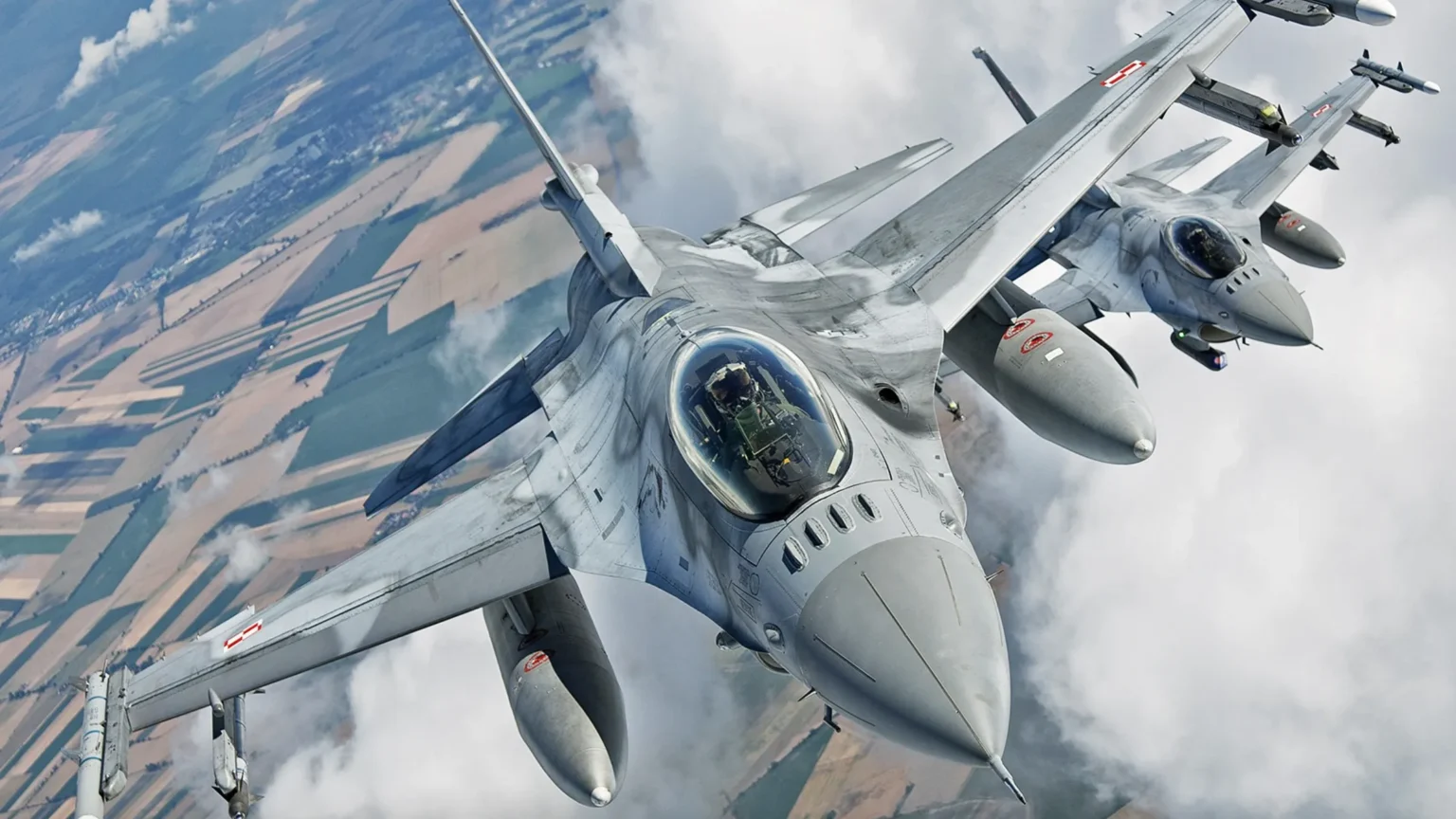
In this context, Poland scrambles jets as a precautionary measure rather than an act of aggression. Military officials emphasized that the patrols were defensive, intended to verify airspace security and reassure the public. This approach reflects a broader strategy of vigilance without escalation, a balance Poland has sought to maintain since the conflict began.
The Russian Strike on Kyiv Explained
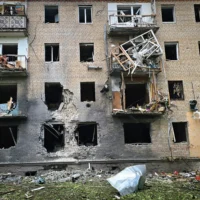
Ukrainian authorities reported that the latest attack involved a coordinated launch of cruise missiles and unmanned aerial vehicles from multiple directions. Energy infrastructure, logistics hubs, and military related facilities were believed to be among the targets. Despite successful interceptions, falling debris caused fires and localized damage, prompting emergency crews to respond throughout the night.
For Kyiv’s residents, the attack reinforced the unpredictable nature of the conflict. As news spread across Europe, Poland scrambles jets quickly became a headline, highlighting how events in Ukraine reverberate beyond its borders and influence security decisions in neighboring states.
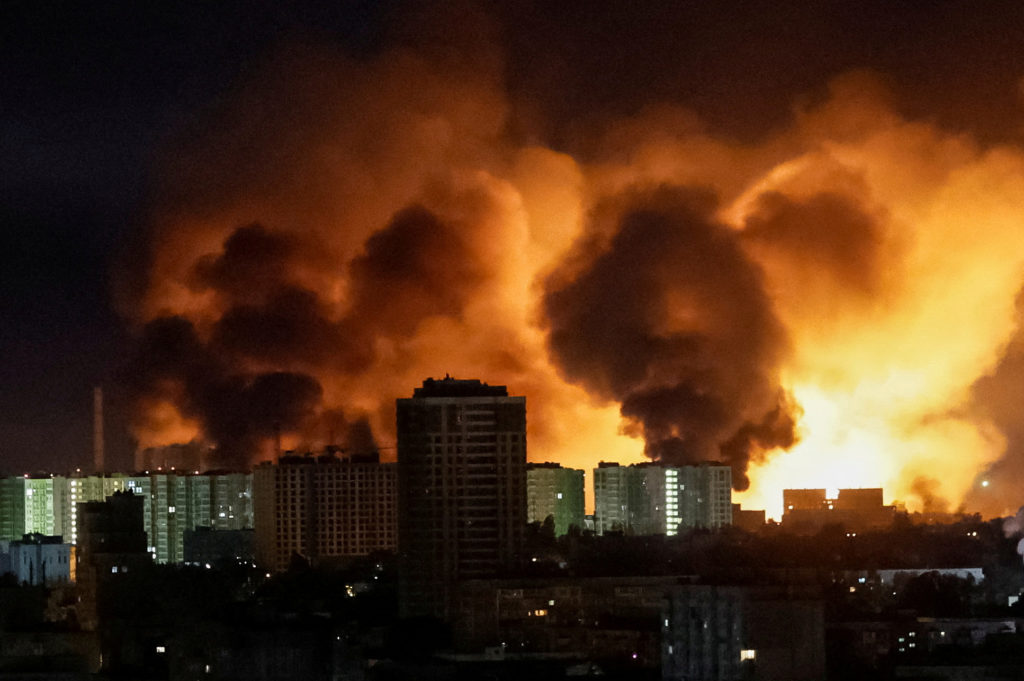
NATO’s Eastern Flank on High Alert
Poland’s actions are closely aligned with NATO’s collective defense posture. As a key member on the alliance’s eastern flank, Poland regularly coordinates with allied forces to monitor airspace and assess potential threats. Surveillance systems, joint command centers, and rapid response units operate continuously during periods of heightened risk.
Within this framework, Poland scrambles jets serves as a visible signal of readiness. Defense analysts stress that such measures are intended to deter miscalculations, particularly when missiles or drones travel close to NATO territory. The objective is stability, not provocation.
Timing Ahead of US Ukraine Peace Talks
The strikes came just hours before planned discussions involving United States and Ukraine officials. These talks are aimed at exploring pathways toward de escalation, security guarantees, and long term stability. The timing raised concerns that continued military pressure could complicate diplomatic efforts.
Each time Poland scrambles jets, it underscores how closely military actions and diplomacy are intertwined. Escalations on the battlefield can narrow the space for compromise, making negotiations more complex and politically sensitive.
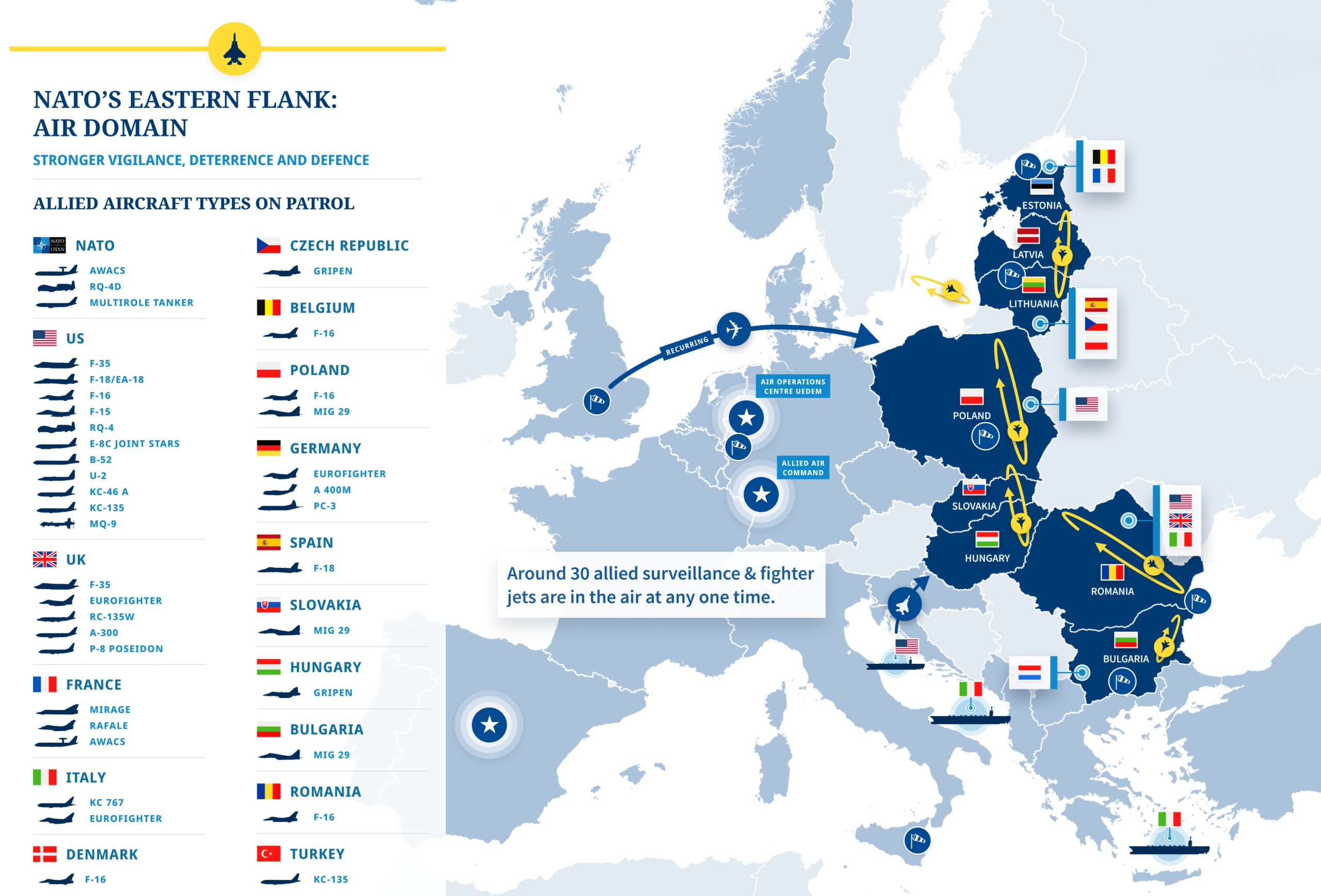
Civilian Life Under Fire in Kyiv
For civilians in Kyiv, the night was marked by fear and exhaustion. Families descended into underground shelters, listening to explosions overhead and waiting for sirens to signal an all clear. Power disruptions and damaged infrastructure added to daily hardships that have persisted throughout the conflict.
The psychological impact extends beyond Ukraine. When Poland scrambles jets, communities near the border are reminded of their proximity to the war. The sound of military aircraft overhead reinforces a sense that the conflict is not distant, but unfolding just beyond their horizon.
Public Communication and Reassurance in Poland
Polish authorities moved quickly to communicate with citizens, confirming that national airspace remained secure and that no violations had occurred. Transparency and timely updates have become central to crisis management, helping prevent panic and misinformation during repeated alerts.
Still, the frequency of these responses means Poland scrambles jets has become a familiar phrase in regional news coverage. What was once extraordinary is increasingly viewed as part of a new normal defined by constant vigilance.
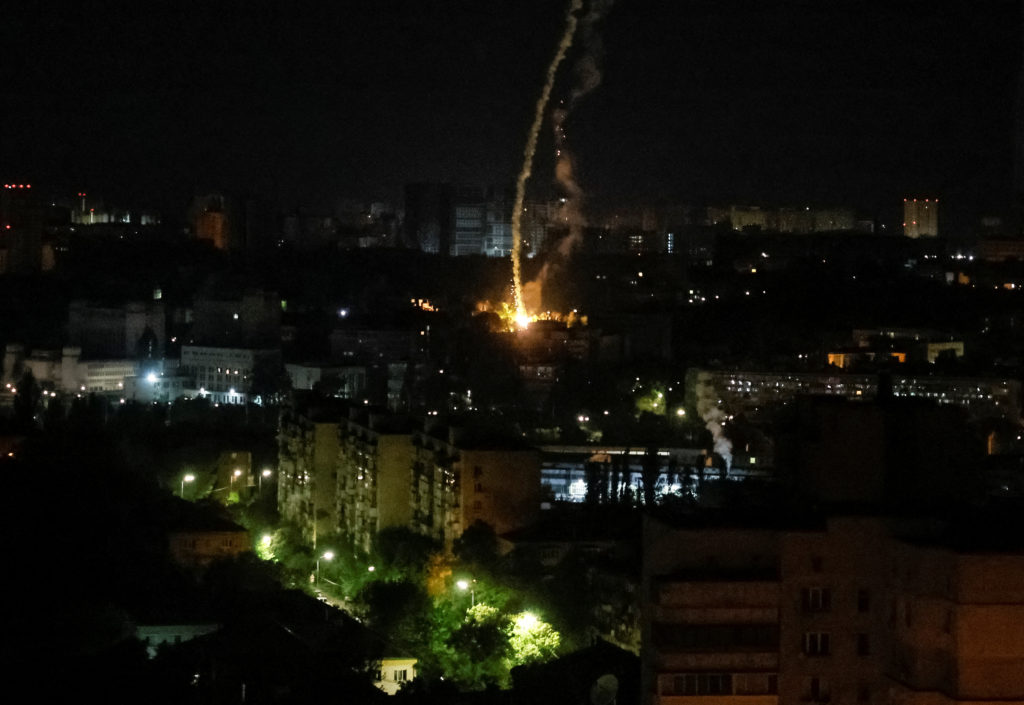
Russia’s Strategic Calculations
From Moscow’s perspective, sustained pressure on Kyiv serves multiple objectives. It strains Ukraine’s air defenses, tests Western resolve, and maintains leverage ahead of diplomatic engagements. Russia maintains that its strikes target military infrastructure, though civilian impacts have been widely documented by Ukrainian officials.
Each instance in which Poland scrambles jets also signals to Moscow that NATO members are closely monitoring developments, adding another layer to an already complex strategic environment.
The Risk of Accidental Escalation
One of the most serious concerns among defense planners is the risk of miscalculation. Missiles or drones traveling near international borders increase the possibility of unintended incidents that could escalate rapidly. Quick response patrols are designed to reduce uncertainty and ensure immediate situational awareness.
Experts note that when Poland scrambles jets, it reflects an effort to maintain control during moments when the margin for error is extremely narrow. These actions are meant to stabilize, not inflame, an already volatile situation.
Europe’s Changing Security Landscape
The war in Ukraine has reshaped Europe’s defense priorities. Countries along NATO’s eastern flank have increased defense spending, expanded training programs, and strengthened coordination with allies. Poland has emerged as a central pillar in these efforts, hosting allied forces and investing heavily in modernizing its military capabilities.
In this evolving environment, Poland scrambles jets illustrates how proactive defense measures have become routine. Readiness and rapid response are now core elements of regional security planning.
Diplomatic Stakes and Uncertain Outcomes
As Kyiv begins assessing damage and restoring services, attention turns back to diplomacy. Whether upcoming talks will produce meaningful progress remains uncertain, particularly amid continued military activity. The challenge for negotiators is to pursue dialogue while managing the realities of an ongoing conflict.
Repeated moments when Poland scrambles jets highlight how fragile the situation remains. Each alert serves as a reminder that peace efforts exist alongside, not separate from, active hostilities.
The Broader Regional Impact
Beyond immediate security concerns, the conflict continues to shape economic, political, and social dynamics across Eastern Europe. Trade routes, energy supplies, and public sentiment are all influenced by perceptions of stability or risk. Poland’s role as a regional anchor places additional responsibility on its leadership to balance deterrence with reassurance.
As long as tensions persist, Poland scrambles jets will remain a symbol of that balancing act, reflecting both preparedness and restraint.
The latest Russian strike on Kyiv and the swift response from neighboring states underscore the interconnected nature of modern conflict. Actions in one city can trigger military alerts, political debates, and public anxiety across borders. The challenge for Europe lies in managing these ripple effects while pursuing a path toward lasting stability.
For now, Poland scrambles jets stands as a defining feature of the current security landscape, illustrating how vigilance, diplomacy, and resilience must coexist in an era of prolonged uncertainty.