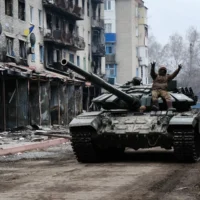
The Ukraine Russia ceasefire has once again become a central topic in global diplomacy as new proposals aim to reduce violence, protect civilians, and create space for meaningful negotiations. After years of intense fighting, shifting frontlines, and mounting human and economic costs, the renewed focus on a ceasefire reflects a growing recognition that military solutions alone cannot resolve the conflict.
This moment represents more than a pause in fighting. For Ukraine, Russia, and the international community, the Ukraine Russia ceasefire is increasingly viewed as a practical tool to stabilize conditions on the ground while keeping long term political objectives intact. Whether this effort succeeds will depend on enforcement, trust, and sustained diplomatic pressure.
Why the Ukraine Russia Ceasefire Matters Right Now
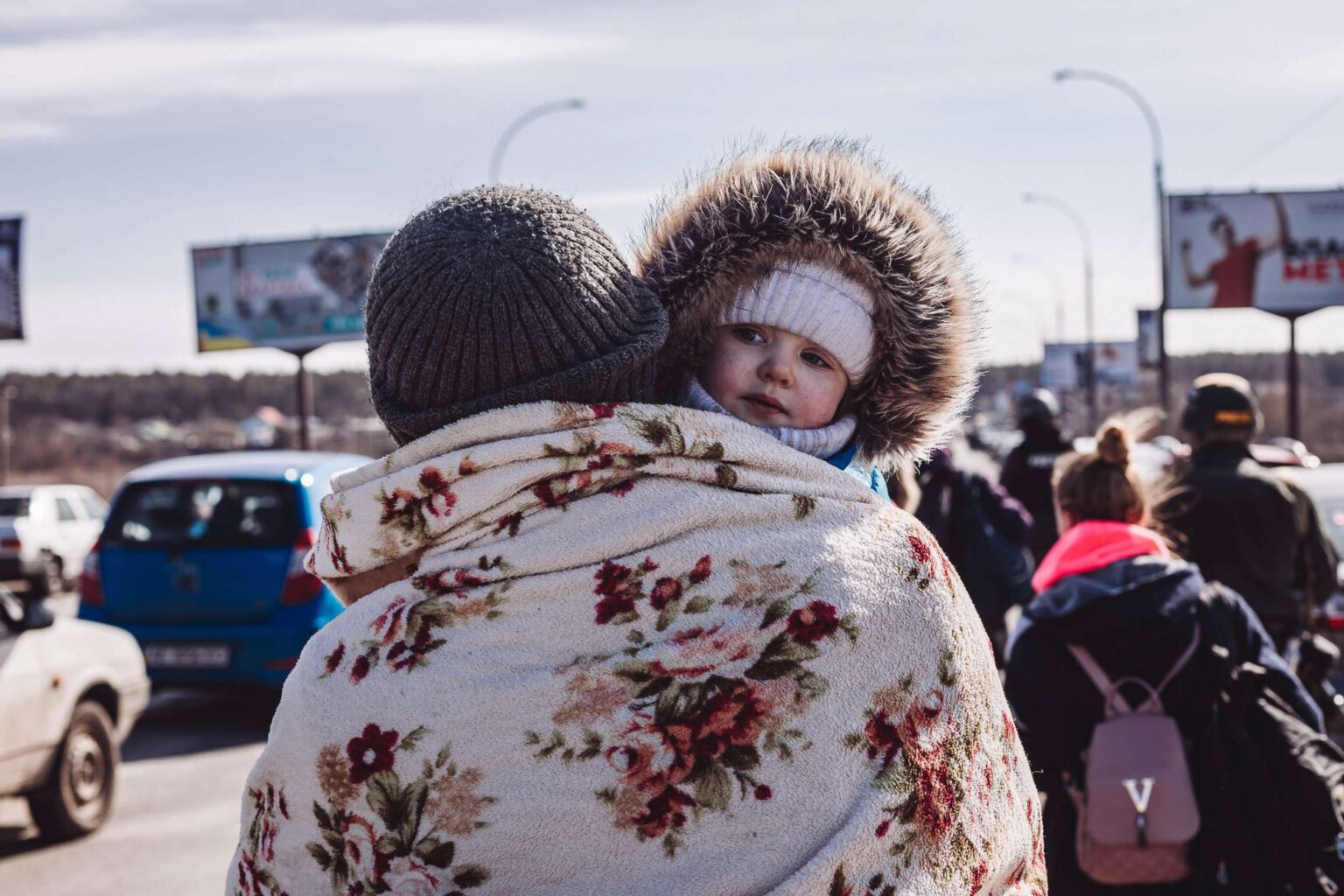
Timing is critical. The Ukraine Russia ceasefire discussions are taking place amid widespread infrastructure damage, energy disruptions, and ongoing civilian displacement. Millions of Ukrainians have faced power outages, limited access to healthcare, and economic uncertainty as the conflict drags on.
A ceasefire offers immediate and measurable benefits:
- Reduced civilian casualties
- Safer humanitarian access
- Lower risk of regional escalation
- Improved conditions for rebuilding
As fatigue grows on all sides, the Ukraine Russia ceasefire has shifted from a distant goal to an urgent necessity.
What a Ukraine Russia Ceasefire Actually Means
A common misunderstanding is that a Ukraine Russia ceasefire equals the end of the war. In reality, a ceasefire is a structured agreement to halt or significantly reduce active hostilities while broader political negotiations continue.
In the current framework, the Ukraine Russia ceasefire would likely include:
- Defined ceasefire lines
- Restrictions on heavy weapons
- Clear rules of engagement
- Monitoring and verification mechanisms
Rather than resolving territorial disputes, the ceasefire is designed to stop daily violence and prevent sudden escalations.
Demilitarised Zones and the Ukraine Russia Ceasefire
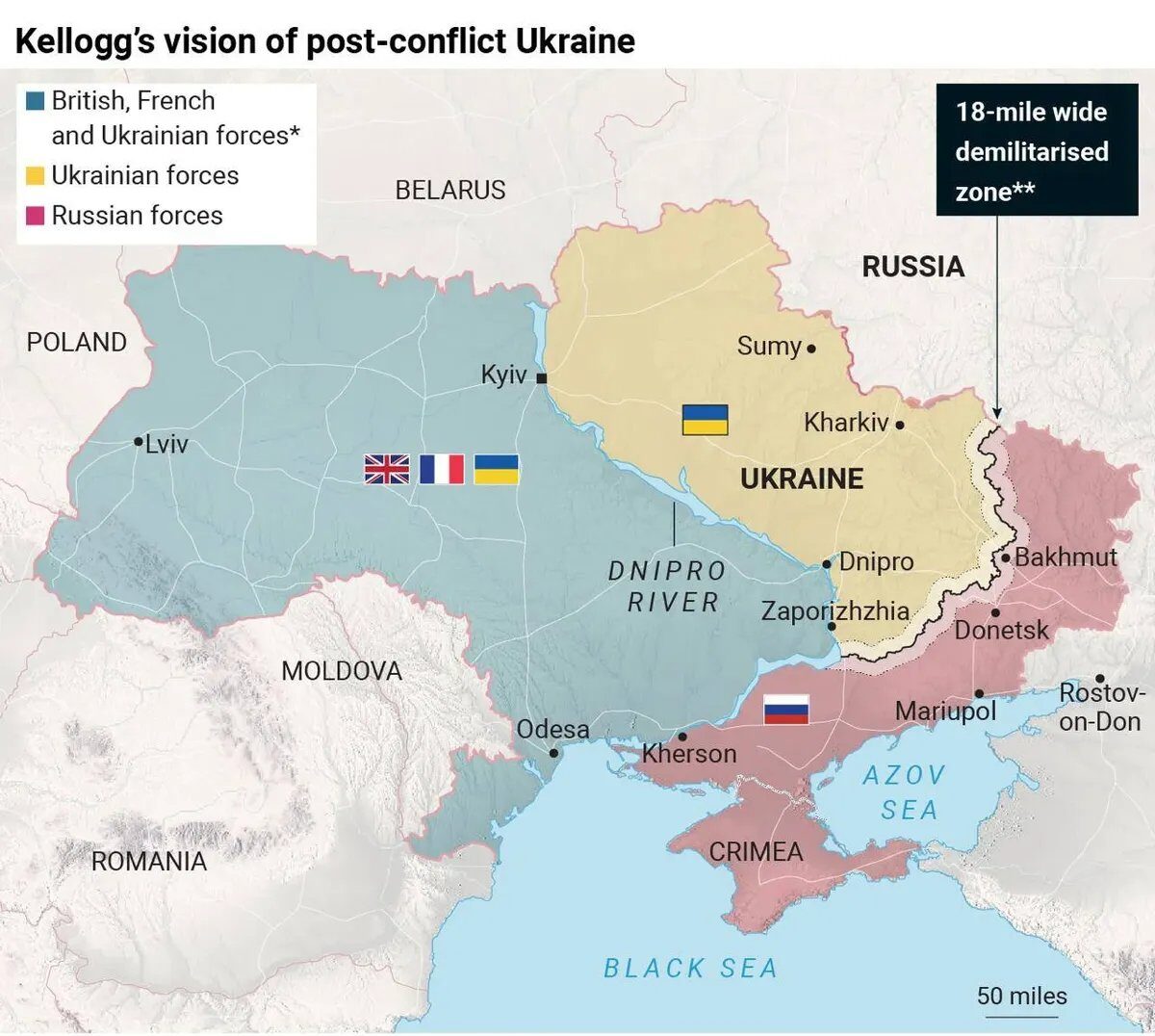
One of the most discussed components of the Ukraine Russia ceasefire proposal is the creation of demilitarised zones. These zones would function as buffer areas between opposing forces, limiting the presence of heavy weaponry and large troop concentrations.
Demilitarised zones could:
- Reduce accidental clashes
- Protect nearby civilian populations
- Enable humanitarian corridors
- Build confidence between parties
These zones would not change Ukraine’s internationally recognized borders but would serve as a temporary security mechanism under international oversight.
Zelensky’s Role in Shaping the Ceasefire Approach
Ukrainian President Volodymyr Zelensky has emphasized that the Ukraine Russia ceasefire must balance realism with national sovereignty. His administration has framed ceasefire discussions as a way to save lives without surrendering Ukraine’s long term political goals.
Zelensky has consistently stressed three principles:
- Civilian protection
- International guarantees
- Accountability for violations
This approach reflects a shift from emergency defense toward structured conflict management.
International Involvement in the Ukraine Russia Ceasefire
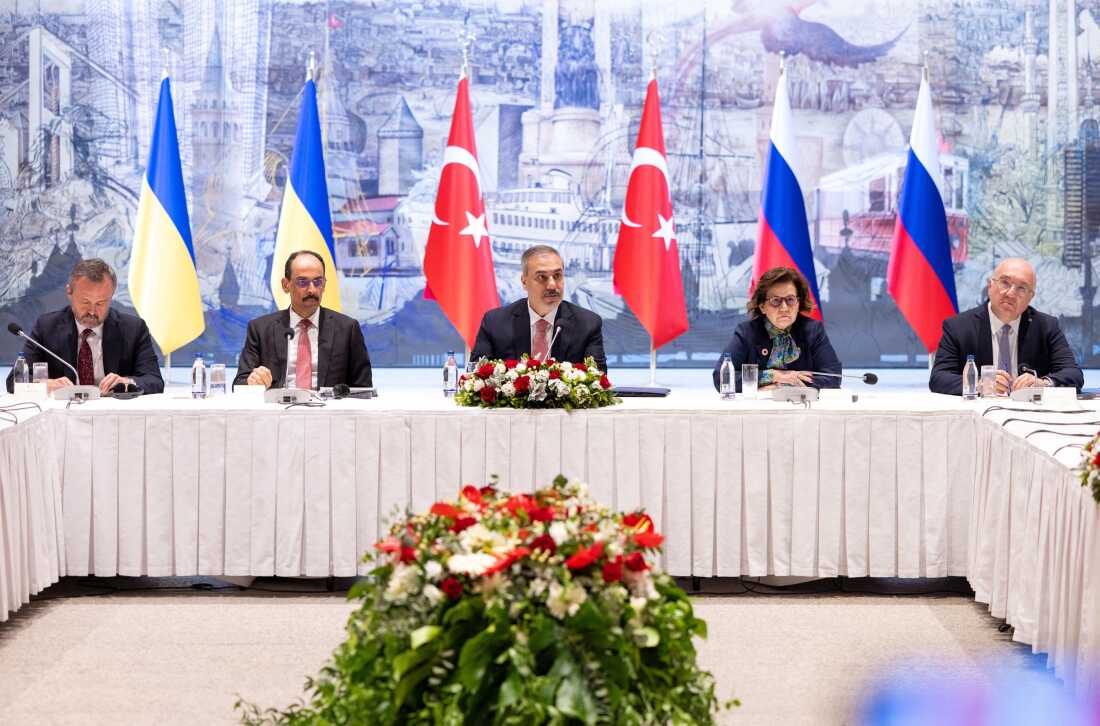
The Ukraine Russia ceasefire cannot function without external involvement. International organizations and allied governments play a critical role in monitoring compliance, mediating disputes, and applying diplomatic pressure.
Key international priorities include:
- Independent ceasefire monitoring
- Transparent reporting mechanisms
- Neutral peacekeeping or observer missions
- Clear consequences for violations
Without enforcement, ceasefires risk becoming symbolic rather than effective.
Humanitarian Impact of a Ukraine Russia Ceasefire
The strongest argument for a Ukraine Russia ceasefire is humanitarian. Civilians living near frontlines endure constant shelling, damaged infrastructure, and limited access to essential services.
A sustained ceasefire could:
- Allow emergency repairs to power and water systems
- Enable safe evacuation routes
- Support medical aid delivery
- Reopen schools and public institutions
For families caught in the conflict, even a temporary reduction in violence can dramatically improve daily life.
Economic Pressures Driving Ceasefire Momentum
Economic strain is another major factor behind renewed Ukraine Russia ceasefire efforts. Ukraine’s economy has been severely impacted by disrupted exports, labor shortages, and damaged industrial capacity.
A credible ceasefire could:
- Stabilize agricultural exports
- Reduce energy market volatility
- Improve investor confidence
- Increase effectiveness of international aid
Global markets closely watch ceasefire developments, especially given Ukraine’s role in food and energy supply chains.
Military Risks and Enforcement Challenges
Despite its benefits, enforcing a Ukraine Russia ceasefire is complex. History shows that ceasefires often fail due to misunderstandings, localized clashes, or deliberate violations.
Major challenges include:
- Verifying troop withdrawals
- Monitoring large and remote areas
- Preventing covert rearmament
- Managing misinformation
Effective enforcement requires technology, transparency, and rapid response mechanisms.
Trust Deficit Between Ukraine and Russia
Trust remains the biggest obstacle to a lasting Ukraine Russia ceasefire. Years of broken agreements and conflicting narratives have created deep skepticism on both sides.
Building trust requires:
- Clear communication channels
- Gradual confidence building measures
- Consistent international mediation
Without trust, even well designed ceasefires struggle to hold.
Lessons From Past Ceasefire Attempts
Previous Ukraine Russia ceasefire agreements offer valuable lessons. Successful ceasefires tend to share common features:
- Strong international backing
- Clear geographic definitions
- Mutual incentives for compliance
Failures often stem from vague terms and weak enforcement. Applying these lessons increases the chances of success this time.
Political Risks of a Ukraine Russia Ceasefire
Domestically, ceasefire discussions can be politically sensitive. In Ukraine, public opinion strongly favors sovereignty and security, while in Russia, leadership narratives influence public expectations.
Political risks include:
- Accusations of weakness
- Internal opposition pressure
- Shifts in international support
Managing these risks requires transparent communication with citizens and allies.
The Global Stakes of a Ukraine Russia Ceasefire
The Ukraine Russia ceasefire has implications far beyond Eastern Europe. Prolonged instability affects global food prices, energy security, and international norms around sovereignty.
A sustained ceasefire could:
- Reduce geopolitical tensions
- Strengthen diplomatic institutions
- Set precedents for conflict resolution
Failure, however, risks normalizing prolonged high intensity conflict.
What Comes After a Ukraine Russia Ceasefire
A ceasefire is only the first step. If successful, the Ukraine Russia ceasefire would open the door to broader negotiations on security guarantees, reconstruction, and political arrangements.
Next phase discussions could include:
- Long term security frameworks
- Reconstruction funding
- Refugee return plans
- International guarantees
Without follow up diplomacy, ceasefires tend to collapse.
Public Expectations and Reality
It is important to manage expectations. A Ukraine Russia ceasefire will not instantly end suffering or resolve deep political disagreements. Progress will likely be gradual and uneven.
Clear communication helps prevent disillusionment and maintains public support during difficult negotiations.
Media and Information Warfare
Information control plays a major role in ceasefire success. Misinformation can inflame tensions and undermine compliance.
Accurate reporting, transparency, and independent verification are essential to sustaining the Ukraine Russia ceasefire.
The renewed push for a Ukraine Russia ceasefire reflects a pragmatic shift toward reducing human suffering while preserving long term political objectives. Although challenges remain, a structured ceasefire supported by demilitarised zones and international oversight offers a realistic path toward stability.
Success will depend on enforcement, trust building, and sustained diplomatic engagement. While not a final peace agreement, the Ukraine Russia ceasefire represents a critical opportunity to move from constant violence toward controlled de escalation and eventual resolution.