Putin Declares No Land Negotiations in Annual Q&A as Ukraine War Escalates
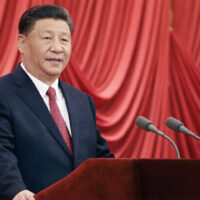
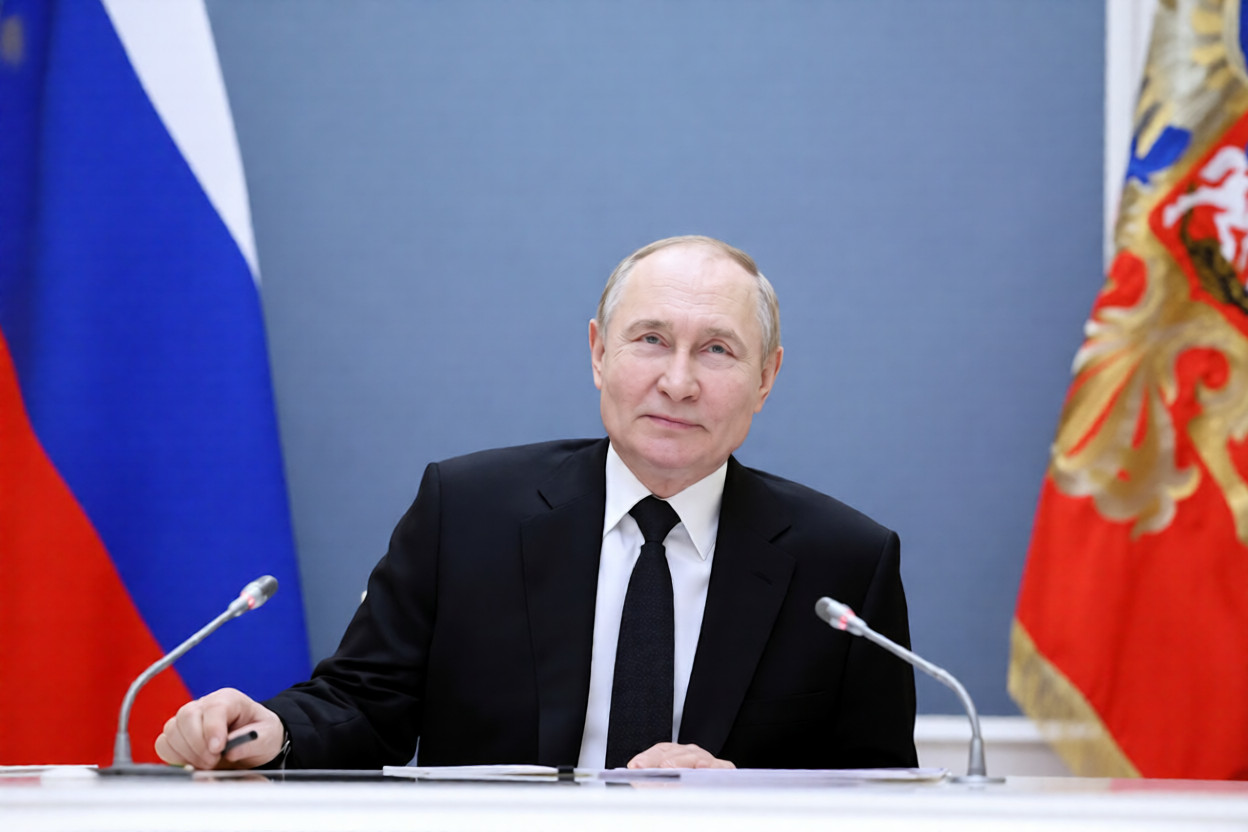
In a highly anticipated annual Q&A session that drew global attention, Russian President Vladimir Putin stated firmly that there would be no negotiations regarding territorial concessions amid the intensifying conflict in Ukraine. This declaration comes as hostilities between Russian and Ukrainian forces escalate, casting a shadow over prospects for a peaceful resolution in the near future. Putin’s remarks underline Russia’s steadfast stance on sovereignty and territorial claims while intensifying global geopolitical tensions.
Putin’s Stance on Territorial Integrity
During the live Q&A broadcast, Putin addressed a question regarding the possibility of negotiating territorial disputes stemming from the war, declaring, “There will be no talks about giving up our land.” His statement reinforces Russia’s long-standing position that territories currently under Russian control, including Crimea and contested regions in eastern Ukraine, are non-negotiable. This stance effectively closes the door on diplomatic resolutions requiring land concessions.
Political Theater and Messaging
Putin’s marathon Q&A sessions, broadcast live each year, serve as a platform to connect with the public, shape narratives, and address pressing national and international issues. This year’s session was particularly significant due to the intensifying Ukraine conflict, growing Western sanctions, and global pressure on Moscow.
During the several-hour session, Putin addressed questions from citizens and journalists, covering the economy, domestic policy, geopolitics, and military matters. His rejection of land negotiations was widely reported, highlighting the Kremlin’s firm messaging to both domestic and international audiences.
Intensifying Conflict in Ukraine
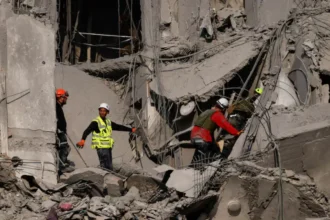
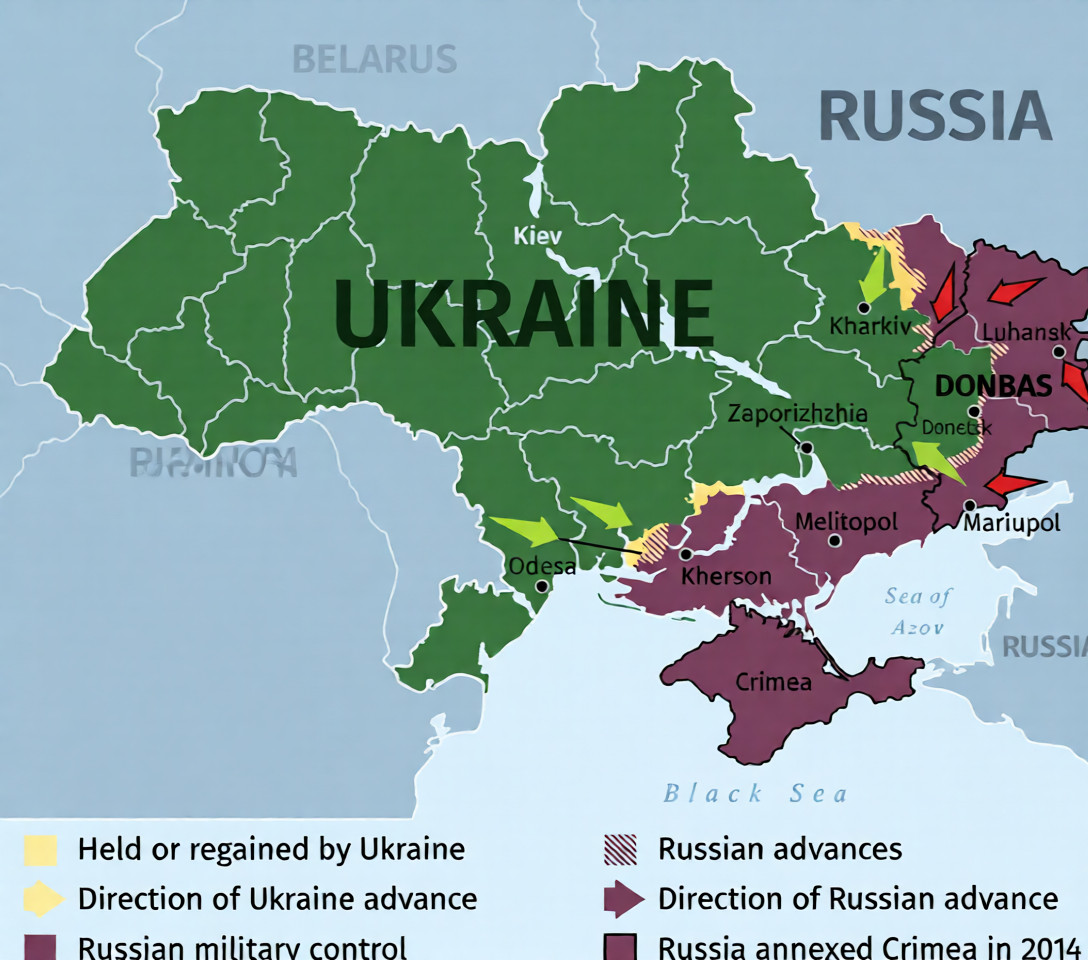
Since February 2022, when Russia launched a large-scale invasion of Ukraine, fighting has intensified with thousands of casualties, widespread destruction, and a humanitarian crisis affecting millions. Despite international aid and support for Ukraine, Russian forces remain entrenched, with neither side showing willingness to compromise on territorial sovereignty.
Recent escalations include advanced weaponry deployment, renewed offensives in eastern and southern Ukraine, and increased military operations. Putin’s refusal to discuss land concessions diminishes the prospects for a ceasefire or negotiated settlement in the immediate future.
Global Reactions to Putin’s Declaration
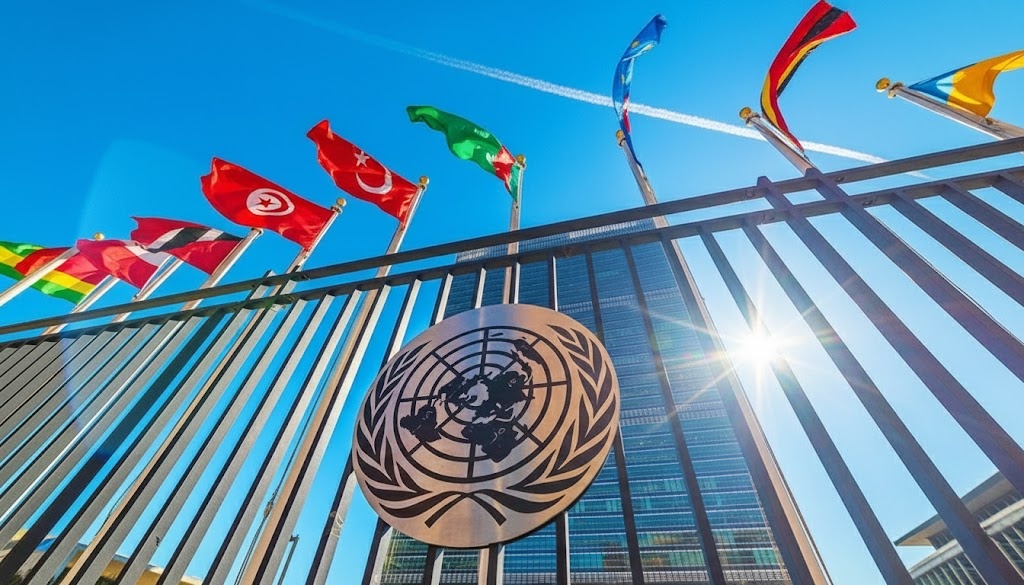
Putin’s statement drew swift international responses. Western governments, particularly in the EU and the US, reiterated support for Ukraine’s sovereignty and condemned Russia’s aggression. EU officials stressed that “the path to peace requires genuine negotiations and respect for Ukraine’s borders.”
Analysts suggest that Moscow may be doubling down on its military campaign, indicating a prolonged conflict. Diplomatic channels are constrained as one party refuses to negotiate key territorial issues, placing pressure on international mediators to explore alternative approaches, including humanitarian measures and limited ceasefire arrangements.
Domestic Implications for Russia
Domestically, Putin’s firm message reinforces nationalism, projecting Russia as a resilient power resisting external pressures. The narrative emphasizes protecting Russian citizens and interests in disputed territories.
However, the prolonged conflict has economic repercussions. Sanctions, inflation, and international isolation affect key sectors, and Putin’s rhetoric is designed to maintain public support and suppress dissent while consolidating his leadership image.
The Future of the Conflict
Putin’s declaration of no land talks shapes the trajectory of the Ukraine conflict. It signals Russia’s readiness to maintain military positions and possibly push for further territorial gains without diplomatic compromise.
International efforts to broker peace face significant hurdles. Neighboring countries remain on high alert, and the potential for regional instability or military escalation is a growing concern. Mediators will likely need to focus on humanitarian initiatives, confidence-building measures, and limited agreements to manage escalation.
The Bottom Line
President Vladimir Putin’s vow to reject land negotiations during the annual Q&A marks a critical juncture in the Ukraine conflict. His unwavering stance underscores the deep divisions and complexities of the war, signaling a challenging road ahead for diplomacy.
As the conflict escalates and global attention remains fixed on the region, the international community faces the challenge of containing the crisis while minimizing humanitarian suffering. The coming months will determine whether a resolution is possible or if the conflict will continue to escalate into a more protracted and devastating war.