Protests In Bangladesh Escalate Following Activist Sharif Hadi’s Death
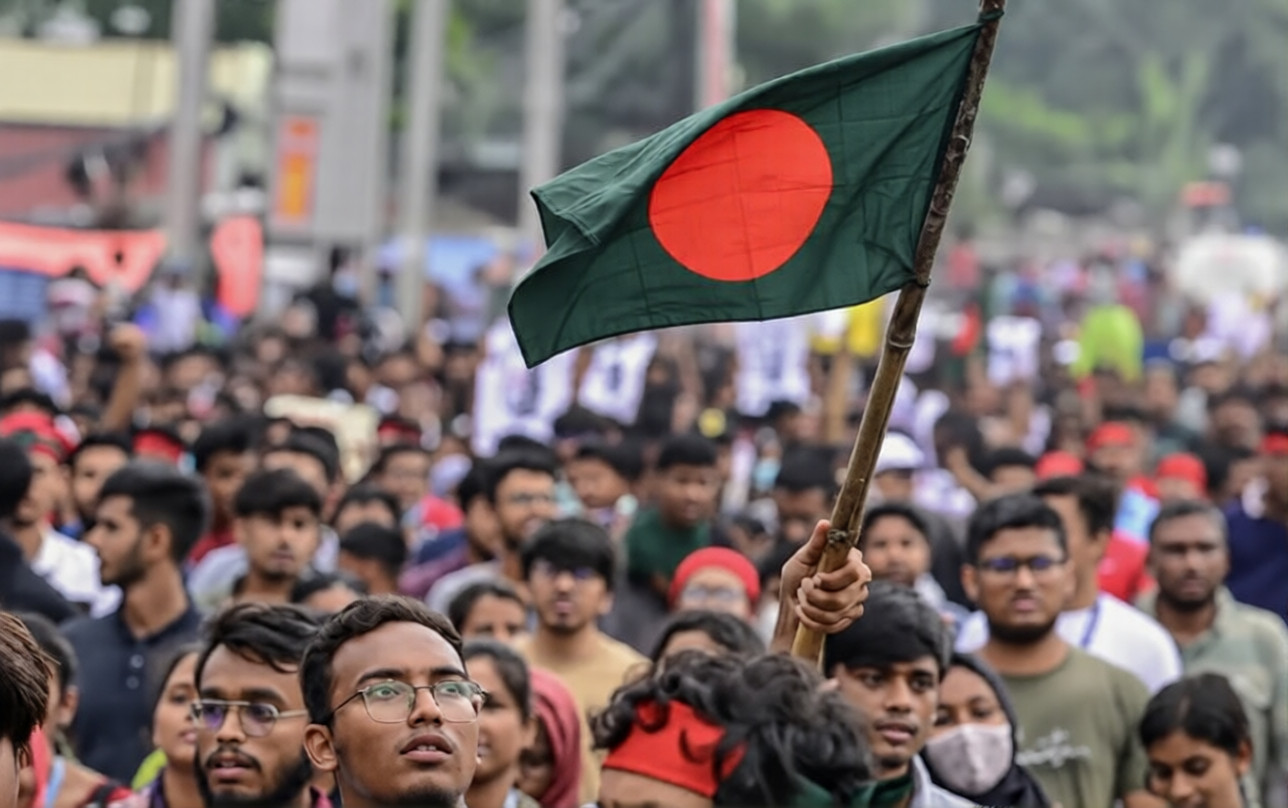
Bangladesh has been gripped by unrest after the sudden death of prominent community activist Sharif Hadi. His passing has sparked protests across multiple districts, highlighting the fragility of social and political cohesion in the affected regions. Hadi, known for his efforts in promoting intercommunal harmony and social justice, was a unifying figure whose absence has intensified tensions and ignited public anger.
Who Was Sharif Hadi?
Sharif Hadi was a respected community leader, particularly active in southwestern Bangladesh. He championed education, poverty alleviation, and conflict resolution, gaining support across diverse ethnic and religious communities. Hadi’s life story was one of resilience rising from humble beginnings to become a stabilizing presence in areas prone to sectarian and political disputes. His unexpected death, under unclear circumstances, removed a critical mediator from local conflicts, fueling uncertainty and unrest.
The Outbreak of Violence
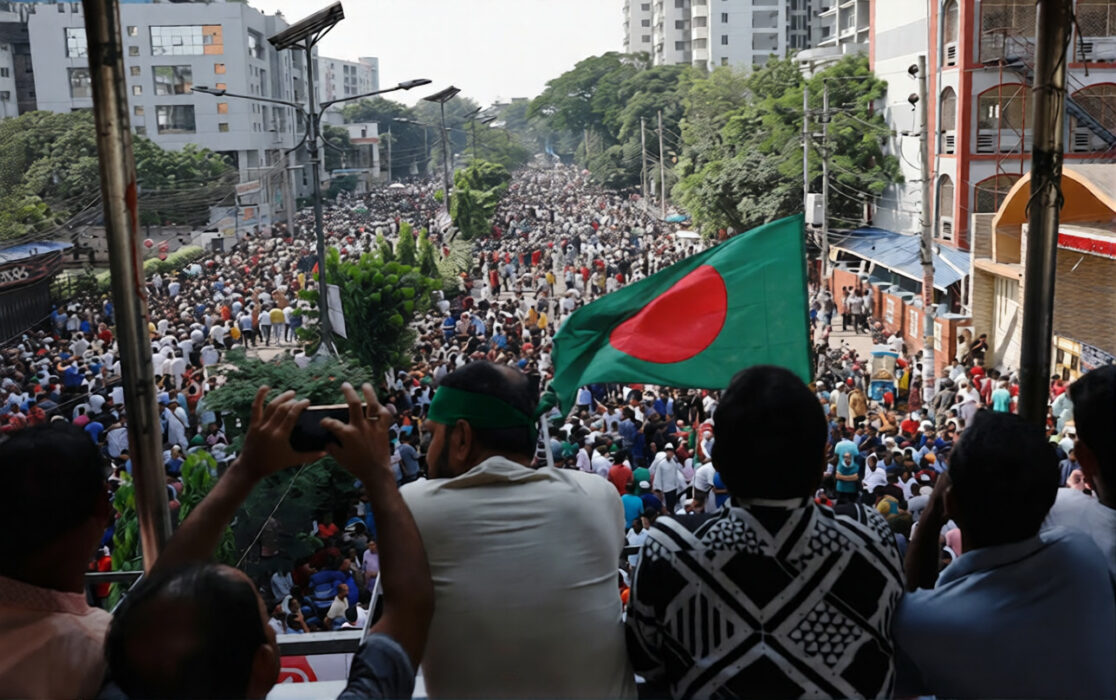
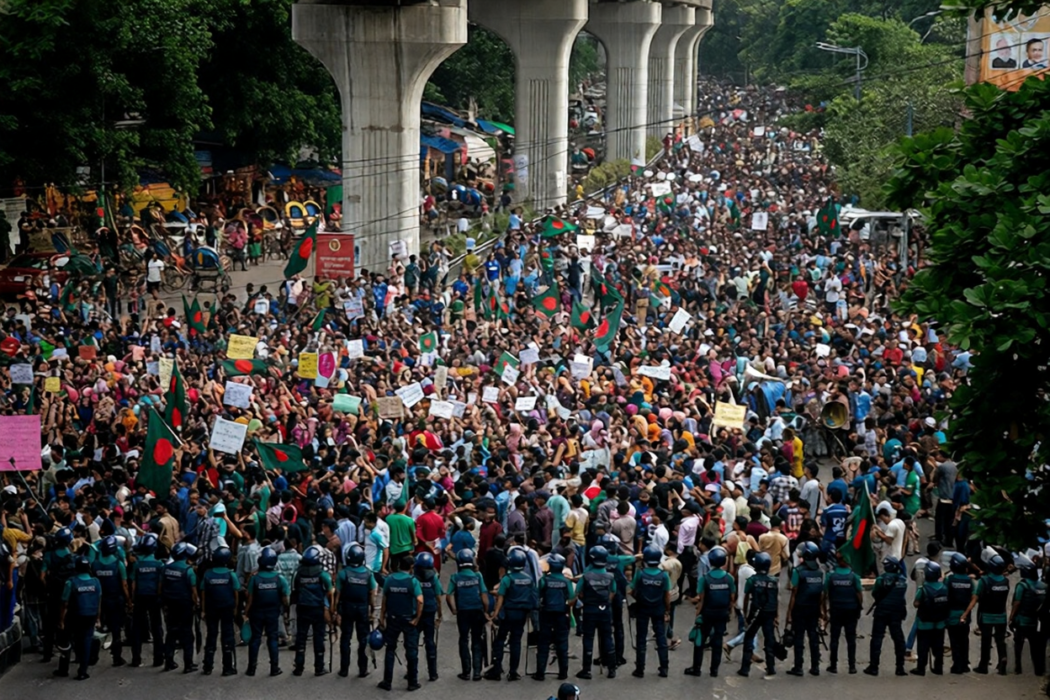
Immediately after news of Hadi’s passing spread, protests erupted in towns and villages across Rajshahi, Khulna, and Barisal divisions. What began as peaceful demonstrations escalated into violent clashes, with reports of arson, looting, and confrontations with law enforcement. Eyewitnesses described marketplaces damaged, vehicles set on fire, and public property destroyed. Some organized groups exploited the unrest to target political opponents, complicating efforts to restore order.
Political and Social Implications
Hadi’s death has exposed longstanding tensions. Analysts warn that when charismatic leaders are removed, social cohesion can quickly unravel. The ruling government condemned the violence, called for calm, and promised a full investigation into Hadi’s death. Opposition parties, however, criticized the administration for systemic failures that may have contributed to the unrest. Beyond politics, the violence threatens local economies. Affected districts rely heavily on agriculture and small-scale trade, and destruction of property could cause long-term financial setbacks.
Government Response and Law Enforcement
To restore order, additional police and paramilitary forces were deployed, with curfews imposed in volatile areas. Checkpoints on major roads were established, and authorities pledged an impartial investigation into the circumstances of Hadi’s death. Human rights organizations urged restraint, highlighting the importance of transparent communication and balanced reporting to prevent misinformation from escalating tensions further.
Community Efforts and Reconciliation
Despite the turmoil, grassroots initiatives are emerging to promote peace. Local religious leaders, civil society activists, and youth groups are facilitating dialogues to rebuild trust between communities. Non-governmental organizations have mobilized to provide relief, including temporary shelter and medical aid for affected families. Community elders emphasize Hadi’s legacy of cooperation, encouraging citizens to reject violence and honor his memory constructively.
Violence and Instability in Bangladesh
Bangladesh has a history of political, communal, and social unrest, often tied to disputes over land, identity, or political influence. While economic growth and poverty reduction have improved living standards, political pluralism, human rights, and inclusive governance remain challenges. The unrest following Hadi’s death underscores how fragile social stability can be in regions reliant on influential local leaders. Sustainable peace requires both strong institutions and community engagement.
Looking Ahead: Steps Toward Stability
To prevent further violence, key measures should be prioritized:
- Transparent Investigation: Conduct a credible inquiry into Hadi’s death to maintain public trust.
- Peacebuilding Initiatives: Promote dialogue and conflict resolution programs to address underlying grievances.
- Strengthen Local Governance: Empower local institutions to handle disputes peacefully, reducing reliance on individual leaders.
- Economic Support: Invest in affected communities to restore livelihoods and encourage stability.
- Responsible Media Coverage: Ensure balanced reporting to avoid inflaming tensions or spreading misinformation.
The protests following Sharif Hadi’s death reveal the delicate balance of social and political dynamics in Bangladesh. While immediate unrest poses serious risks, coordinated efforts by government, civil society, and local communities can restore peace and honor Hadi’s vision of unity. The coming weeks will be critical in determining whether Bangladesh can navigate this crisis without further violence and strengthen foundations for a more resilient society.