

Ottawa Flu Related Deaths Raise Alarm Across Eastern Ontario
The confirmation of Ottawa flu related deaths involving three children has sent a wave of concern through Ottawa and the broader Eastern Ontario region. Families, educators, and healthcare workers are grappling with the reality that seasonal influenza, often perceived as a manageable illness, can carry devastating consequences. Public health officials stress that while such outcomes are rare, they underscore the seriousness of influenza and the importance of prevention, early recognition, and timely medical care.
Health authorities have confirmed that the Ottawa flu related deaths were linked to complications following influenza infections. Officials are emphasizing transparency and awareness, not fear, as the community navigates a demanding flu season that has strained healthcare resources across the region.
A Flu Season Unlike Recent Years
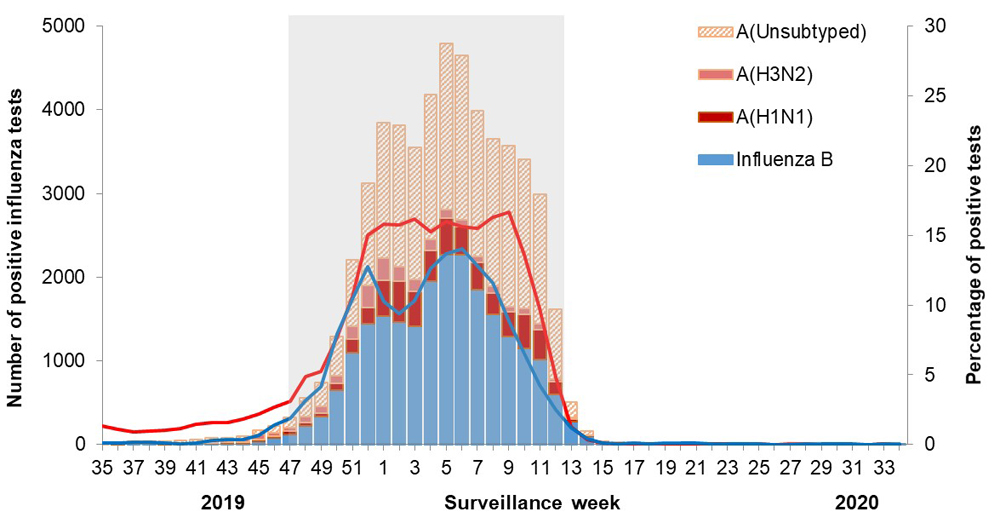
This year’s flu season has proven more severe than many residents remember. Hospitals across Eastern Ontario have reported increased emergency department visits related to influenza, with pediatric cases rising sharply. Clinicians note that multiple strains are circulating, contributing to higher infection rates and, in some cases, more serious symptoms.
The Ottawa flu related deaths have brought renewed attention to how influenza can overwhelm the body, particularly in children. While most flu cases resolve with rest and supportive care, a small percentage progress rapidly, highlighting the need for vigilance.
How Influenza Can Become Dangerous
Influenza is a viral infection that affects the respiratory system, but its impact can extend far beyond common symptoms like fever and cough. In severe cases, influenza can lead to pneumonia, dehydration, inflammation of organs, or respiratory distress. Children may deteriorate quickly, sometimes within a short window after symptoms appear to improve.
Medical experts explain that the Ottawa flu related deaths resulted from complications that developed after the initial infection. These complications can be difficult to predict, which is why healthcare providers stress the importance of monitoring symptoms closely and seeking care if conditions worsen.
Why Children Face Higher Risks
Children, especially those under five, are among the most vulnerable to severe flu outcomes. Their immune systems are still developing, and they may not always communicate symptoms clearly. However, experts emphasize that severe illness can occur even in otherwise healthy children.
The Ottawa flu related deaths serve as a powerful reminder that influenza does not only pose risks to seniors or those with chronic conditions. Pediatricians across Ottawa are urging parents to watch for persistent fever, difficulty breathing, unusual lethargy, or dehydration.
Impact on Families and Communities
The emotional toll of the Ottawa flu related deaths extends beyond the affected families. Schools, childcare centers, and community organizations have responded by reinforcing illness prevention policies. Parents are being reminded to keep sick children at home and prioritize recovery over routine activities.
Community leaders have expressed condolences and support, acknowledging the grief while reinforcing public health guidance. Across Eastern Ontario, residents are recognizing that preventing flu spread requires collective responsibility.
Pressure on Ottawa Area Hospitals
Hospitals throughout Ottawa and Eastern Ontario are experiencing increased strain as flu cases rise. Emergency departments report longer wait times, and pediatric units are managing higher patient volumes. Healthcare workers continue to deliver care despite staffing pressures and seasonal surges.
The Ottawa flu related deaths have intensified discussions about hospital capacity during peak flu months. Public health officials stress that reducing transmission through prevention can help ensure timely care for all patients.
Vaccination as a Key Preventive Tool
Health experts consistently emphasize that vaccination remains one of the most effective defenses against influenza. While flu vaccines do not eliminate all risk, they significantly reduce the likelihood of severe illness, hospitalization, and death.
Following news of the Ottawa flu related deaths, vaccination clinics across the region have seen increased interest. Doctors encourage families to view vaccination as both individual protection and a community safeguard, particularly for children and other vulnerable groups.
Recognizing Warning Signs Early
Early medical intervention can make a critical difference in outcomes. Healthcare providers urge parents to seek immediate care if a child experiences labored breathing, persistent high fever, bluish lips, extreme fatigue, or confusion.
The tragedy surrounding the Ottawa flu related deaths reinforces the importance of trusting instincts. Parents are encouraged not to hesitate when symptoms escalate or fail to improve.
Public Health Prevention Measures
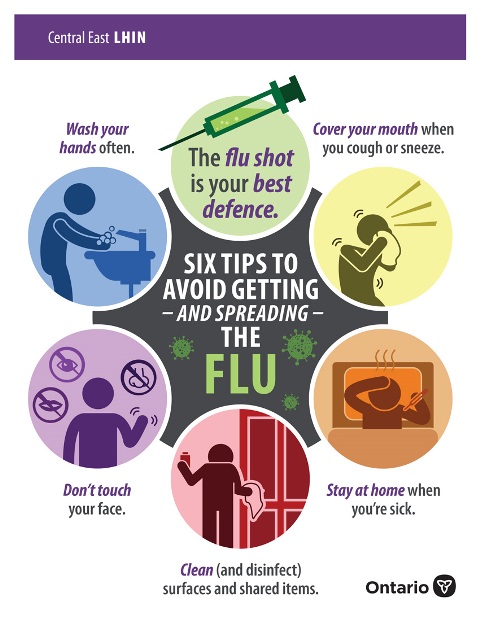
Public health agencies across Ontario continue to promote preventive behaviors. Regular handwashing, proper respiratory etiquette, staying home when sick, and wearing masks in high-risk environments remain effective strategies.
The Ottawa flu related deaths demonstrate that everyday actions can have life-saving impacts. Reducing transmission protects not only individuals but also the broader healthcare system.
Addressing Flu Misinformation
One challenge faced by health officials is combating misinformation that minimizes the seriousness of influenza. Misconceptions can lead to delayed care or reluctance to vaccinate.
By openly discussing the Ottawa flu related deaths, public health leaders aim to reinforce evidence-based understanding. Accurate information empowers families to make informed decisions that protect health and lives.
Mental Health and Grief Support
Beyond physical health, these events highlight the importance of emotional support. The loss of a child is profoundly traumatic, and communities are encouraged to respond with compassion and respect.
Counseling services and community support resources are being promoted as part of a comprehensive response following the Ottawa flu related deaths, recognizing that healing extends beyond medical care.
Lessons for Future Flu Seasons
While flu-related fatalities are uncommon, they serve as reminders of the importance of preparedness. Health experts hope that awareness raised by the Ottawa flu related deaths will encourage families to take influenza seriously in future seasons.
Preventive care, early treatment, and community cooperation remain the most effective ways to reduce risks. Education and awareness can help prevent similar tragedies.
The Role of Schools and Childcare Centers
Schools and childcare providers play a critical role in flu prevention. Enhanced cleaning, symptom screening, and clear communication with parents are key strategies being reinforced across Eastern Ontario.
The Ottawa flu related deaths have prompted renewed focus on keeping shared spaces safe while supporting families through challenging decisions about illness and attendance.
Community Responsibility and Collective Action
Public health officials emphasize that influenza prevention is a shared responsibility. Individual choices, such as staying home when ill or getting vaccinated, can significantly reduce community spread.
The Ottawa flu related deaths highlight how interconnected communities are and how collective action can protect the most vulnerable.
The Ottawa flu related deaths of three children have left a lasting impact on Ottawa and Eastern Ontario. These tragedies underscore the reality that influenza can be a serious and sometimes life-threatening illness. Through vaccination, early medical care, and responsible public health practices, many severe outcomes can be prevented.
As flu season continues, residents are urged to remain informed, vigilant, and supportive of one another. Awareness, compassion, and proactive action remain the strongest tools for protecting community health.