What Happens to CNN If President Trump Gets His Way?
The relationship between President Donald Trump and CNN has been fraught with tension, criticism, and a uniquely adversarial dynamic that has often played out publicly. If President Trump were to get his way, the future of CNN and its role in American media could see significant changes, raising questions about press freedom, media accountability, and the broader landscape of journalism in the United States.
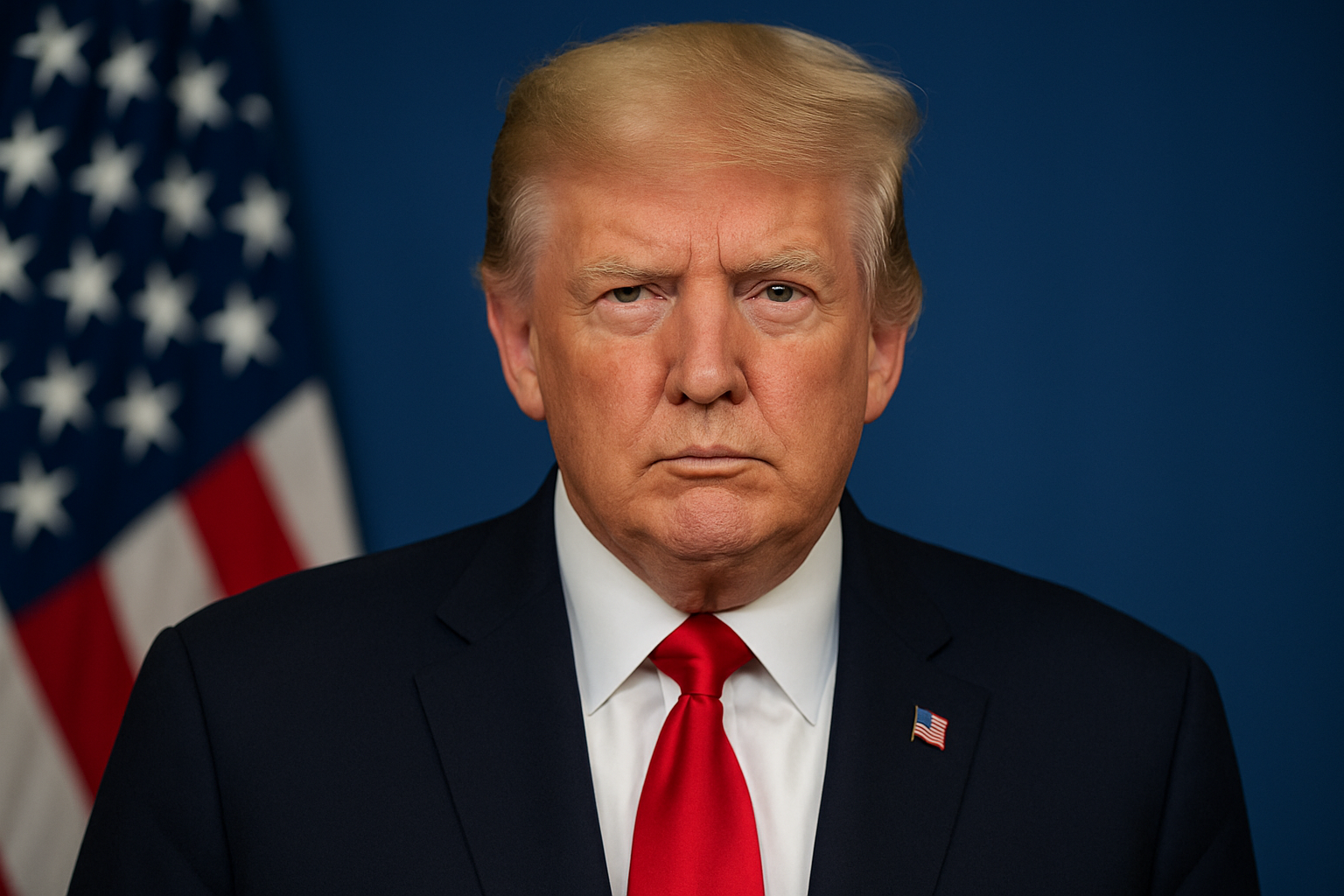
The Historic Clash Between President Trump and CNN
Donald Trump’s presidency was marked by a consistently combative stance toward CNN, often labeling it as “fake news” and a purveyor of biased, misleading information. This rhetoric extended to threats of regulatory actions, public criticism, and vigorous attempts to delegitimize CNN’s reporting. This unprecedented hostility showcased a broader conflict between the administration and the press corps, with CNN frequently positioned as a primary target.
What Changes Could Trump’s Influence Bring to CNN?
If President Trump gets his way, there are several plausible scenarios for what could happen to CNN, each with distinct implications:
1. Increased Government Scrutiny and Regulation
One of the first and most direct outcomes could be increased government scrutiny over CNN’s operations. This might come in the form of regulatory audits, investigations into journalistic practices, or intensified oversight of broadcast licensing. Trump’s administration could push for stricter rules designed to hold media outlets accountable for accuracy and bias, potentially creating a legal and bureaucratic environment tougher for CNN to operate in freely.
2. Diminished Access and Cooperation
During Trump’s tenure, CNN reporters were sometimes denied press credentials or faced restrictions in accessing the White House. If Trump maintains or escalates such policies, CNN could find itself marginalized in terms of direct access to government sources and events. This would limit the network’s ability to gather firsthand information and cover the presidency robustly, impacting its ability to deliver timely and accurate news.
3. Potential Shifts in Public Perception
Trump’s persistent attacks on CNN have a polarizing effect on public perception of the network. If his efforts succeed in framing CNN as untrustworthy or biased in the eyes of a significant portion of the public, the network’s audience could shrink or shift. This public sentiment shift could decrease its influence, viewer ratings, and advertising revenue, which are critical to its survival and growth.
4. Legal and Legislative Battles Over Media Regulation
Trump’s desire to “get his way” may also lead to legislative initiatives aimed at regulating how news outlets operate. This could manifest in new laws targeting media fairness, transparency in sourcing, or penalties for perceived misinformation. CNN, being a high-profile target, would likely become embroiled in legal challenges defending its editorial independence and journalistic standards.
The Impact on Press Freedom and Journalism
CNN stands as one of the pillars of American journalism, known for comprehensive news coverage and investigative reporting. Should President Trump impose restrictions or succeed in curtailing its influence, there are broader implications for press freedom as a whole:
- Chilling Effect on Reporting: Journalists may self-censor or avoid covering topics unfavorable to the administration for fear of retaliation or sanctions.
- Erosion of Media Independence: Government interference could set a precedent encouraging other administrations to exert control over the press.
- Public Misinformation Risks: Limiting networks like CNN could reduce access to diverse news perspectives, allowing misinformation to flourish.
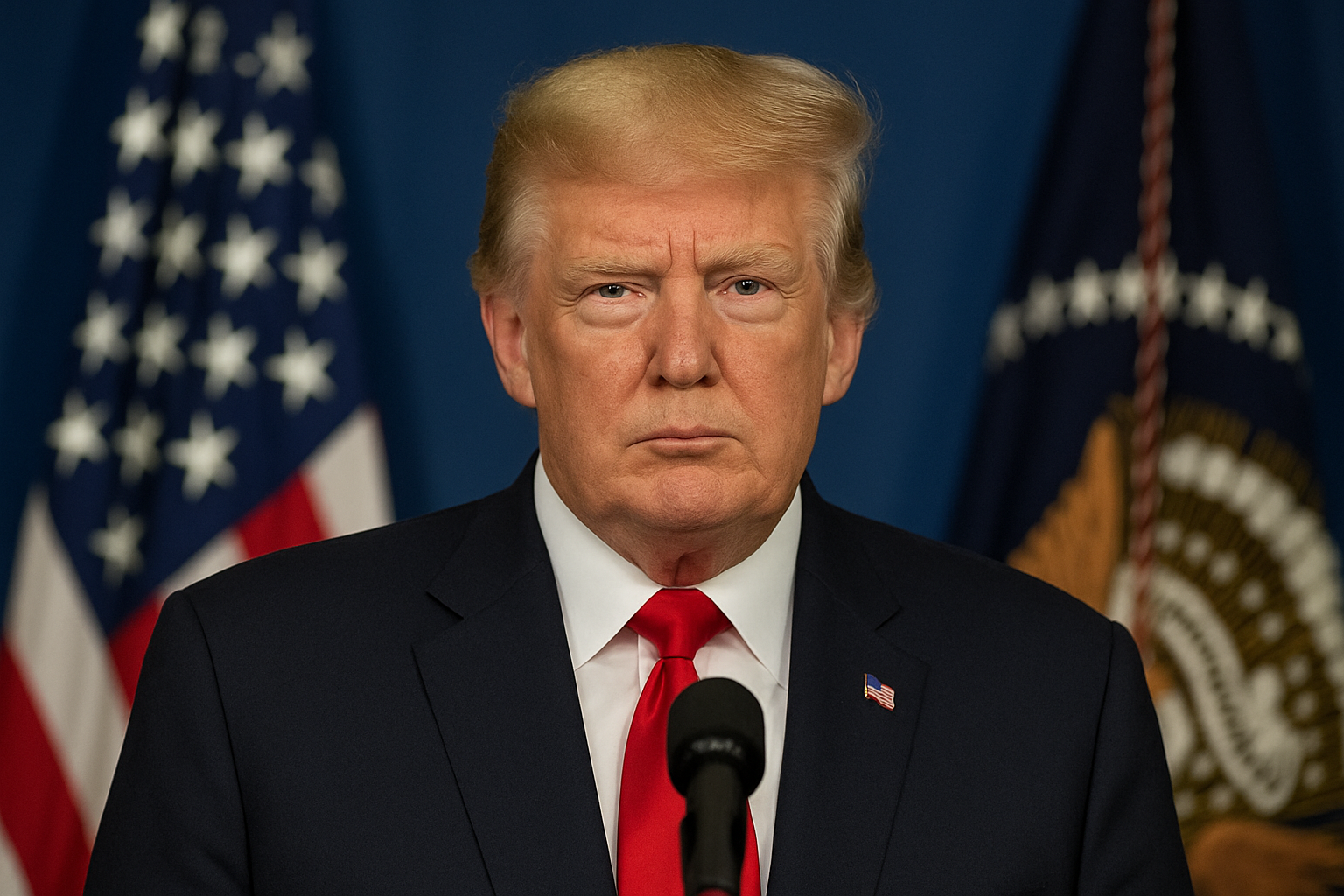
CNN’s Possible Strategic Responses
Facing potential pressure from an administration determined to limit its reach or credibility, CNN might adopt several strategies:
- Diversifying Platforms: Increasing focus on digital platforms, podcasts, and social media to reach audiences directly, circumventing traditional regulatory hurdles.
- Legal Challenges: Mounting legal defenses against any government-imposed restrictions, championing First Amendment protections vigorously.
- Strengthening Fact-Checking: Enhancing transparency and fact-checking efforts to bolster credibility and counter accusations of bias or fake news.
- Engagement with the Public: Deepening efforts to build public trust through interactive programming, openly addressing criticism, and highlighting journalistic integrity.
Broader Media Landscape After Trump’s Influence
Even beyond CNN, Trump’s approach toward the media signals a transformation in how news organizations function in a politically charged environment. Other media outlets could brace for similar pressures if the precedent set by Trump becomes normalized. This could lead to a fractured media ecosystem where news is increasingly polarized, government oversight of the press intensifies, and the line between journalism and political advocacy blurs.
A Turning Point for CNN and Journalism
If President Trump gets his way, CNN’s future will likely be shaped by increased scrutiny, regulatory challenges, and evolving public opinions influenced by political rhetoric. The network’s ability to adapt while maintaining journalistic principles will be crucial in navigating these challenges. More importantly, this scenario poses profound questions about the state of press freedom in the United States and the resilience of democratic institutions that depend on a free and independent media.
While the exact outcomes remain speculative, one thing is clear: the outcome will significantly impact not only CNN but the broader dynamics of news media in America. The ongoing dialogue about media responsibility, government influence, and public trust will define the next chapter of journalism in the 21st century.