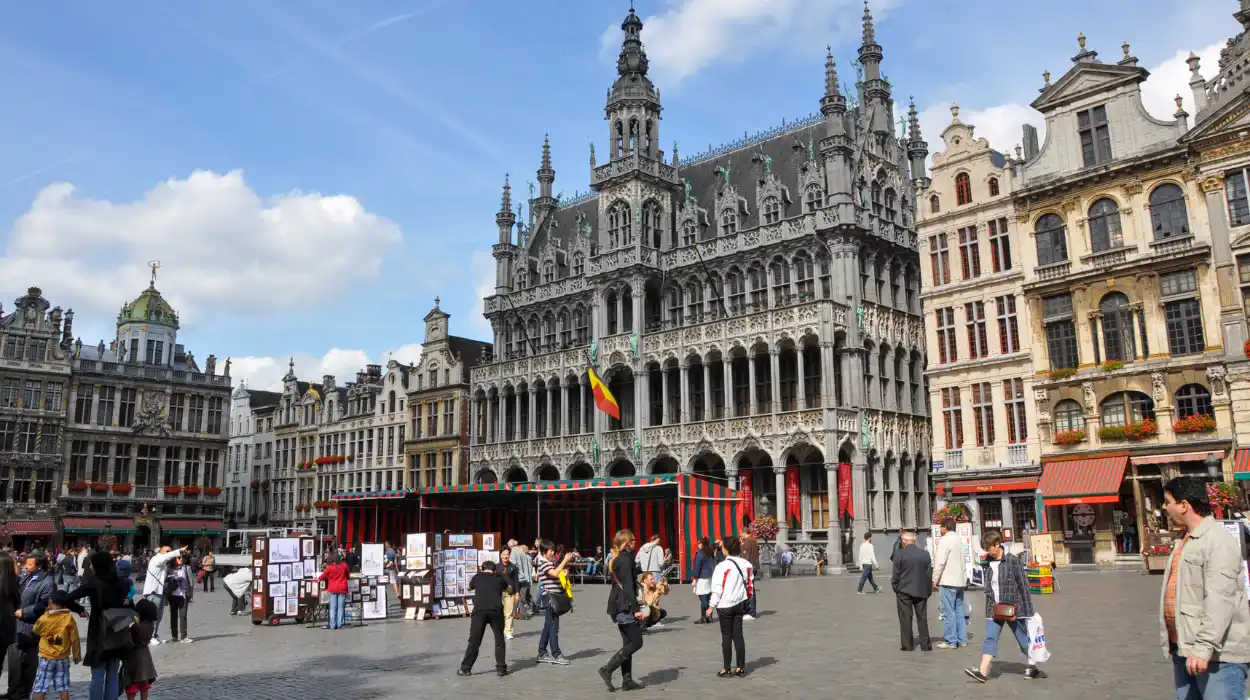
Brussels, the capital of Belgium and the European Union, is a unique metropolitan region that plays a critical role not only in national governance but also in European and international affairs. The policies adopted in Brussels hold far-reaching implications for its diverse population, affecting everything from economic opportunities and urban development to social services and cultural integration.
- How do Brussels policies affect everyday cost of living for Belgian households
- How will proposed Brussels tax rules affect my net income
- Governance in Brussels: A Linguistically and Politically Complex Landscape
- Migration and Integration Policies
- Housing and Urban Development
- Employment, Economy, and Digital Innovation
- Social Welfare and Public Services
- Points for Brussels Policy Impacts on Citizens
Understanding the impact of Brussels policies on Belgium’s citizens requires appreciating the city’s complex political structure, multilingual character, and its position as a hub of policy-making and diplomacy.
How do Brussels policies affect everyday cost of living for Belgian households
Brussels policies significantly influence the everyday cost of living for Belgian households, affecting expenses related to energy, housing, transportation, food, and social services. One of the major contributors to rising living costs in Brussels has been the sharp increase in energy prices, with electricity and natural gas costs having surged in recent years due to shifts in energy markets and regulatory changes.
For instance, energy prices increased by about 11% within a single month early in 2024, with natural gas prices rising sharply by 31%, directly impacting utility bills for households. This increase has propelled Belgium to rank among the highest in cost of living inflation rates in the Eurozone.
Housing is another critical factor influenced by Brussels policies. The region experiences relatively high rental and property prices compared to other Belgian cities, while policies aimed at expanding social housing and improving energy efficiency contribute both to sustainable urban development and to efforts to moderate affordability challenges.
On average, renting a one-bedroom apartment in central Brussels costs around €1,120 per month, which is substantially lower than rental prices in cities like London but remains a significant expense for many households. Municipal regulations and policies on housing development also affect the availability of affordable housing, influencing economic pressure on families.
How will proposed Brussels tax rules affect my net income
Proposed tax rules in Brussels in 2025 are poised to moderately affect the net income of Belgian households through several key changes focused on increasing purchasing power and simplifying tax structures. One of the main reforms includes an increase in the tax-free allowance, which effectively raises the income threshold below which taxpayers pay no income tax, benefiting primarily middle- and lower-income earners. This adjustment aims to put more disposable income in the hands of workers, increasing take-home pay gradually from 2027 onward.
Capital gains taxation will also see modifications, including the introduction of a 10% tax on gains realized on certain financial assets exceeding an annual exemption of €10,000. These measures may decrease net income for those with substantial capital gains but will have limited effect on average wage earners.
Municipal taxes, which add a surcharge on top of federal income tax typically ranging from 5 to 10%, also influence overall tax burdens, potentially pushing top marginal rates above 52% for high earners in Brussels.
Governance in Brussels: A Linguistically and Politically Complex Landscape

Brussels is both a city and a region with a distinct political status in Belgium’s federal system. Governed by the Brussels-Capital Region government and parliament, it operates alongside Flemish and Walloon regions, reflecting Belgium’s linguistic duality with French- and Dutch-speaking communities as well as a growing international population.
The regional government’s policies are often the product of complex coalition agreements necessitated by Belgium’s fragmented politics, which accommodate multiple parties representing linguistic, cultural, and ideological groups. This diversity means policies must carefully balance competing interests while addressing the capital’s socioeconomic and infrastructural needs.
Migration and Integration Policies
Brussels experiences significant impacts from migration policies due to its role as a destination for immigrants, refugees, and expatriates affiliated with EU institutions. Recent government decisions have introduced stricter migration controls, including containment of asylum reception to collective centres, suspension of resettlement, and increased restrictions around family reunifications and access to social welfare for certain protected groups.
These policies aim to manage migration flows tightly but have prompted widespread debates about their effects on fundamental rights, social inclusion, and the city’s multicultural fabric. For many migrants and new residents, policy changes such as increased citizenship fees and language requirements pose substantial barriers to full integration and access to rights and opportunities.
Housing and Urban Development
Housing remains a priority issue as Brussels confronts challenges of affordability, social segregation, and urban renewal. Regional policies seek to expand social housing stock, improve energy efficiency to reduce environmental impact, and foster mixed communities while managing pressures from population growth and economic activity.
Projects promoting sustainable renovation and infrastructure development are supported by European funds, aligning with wider EU climate and green transition goals. However, longstanding issues with housing shortages, rising rents, and homelessness continue to affect vulnerable populations, necessitating targeted interventions.
Employment, Economy, and Digital Innovation
Brussels benefits from considerable economic activity linked to its status as an EU and international institutional centre. Regional policies promote innovation ecosystems, startup culture, and digital skills development, aligning with EU objectives for technological sovereignty and digital transformation.
Employment policies emphasize inclusion and support for unemployed or under-skilled residents, with training initiatives and social enterprises aimed at reducing disparities. However, socioeconomic inequalities persist, reflecting disparities across language groups and socio-cultural communities within the city.
Social Welfare and Public Services
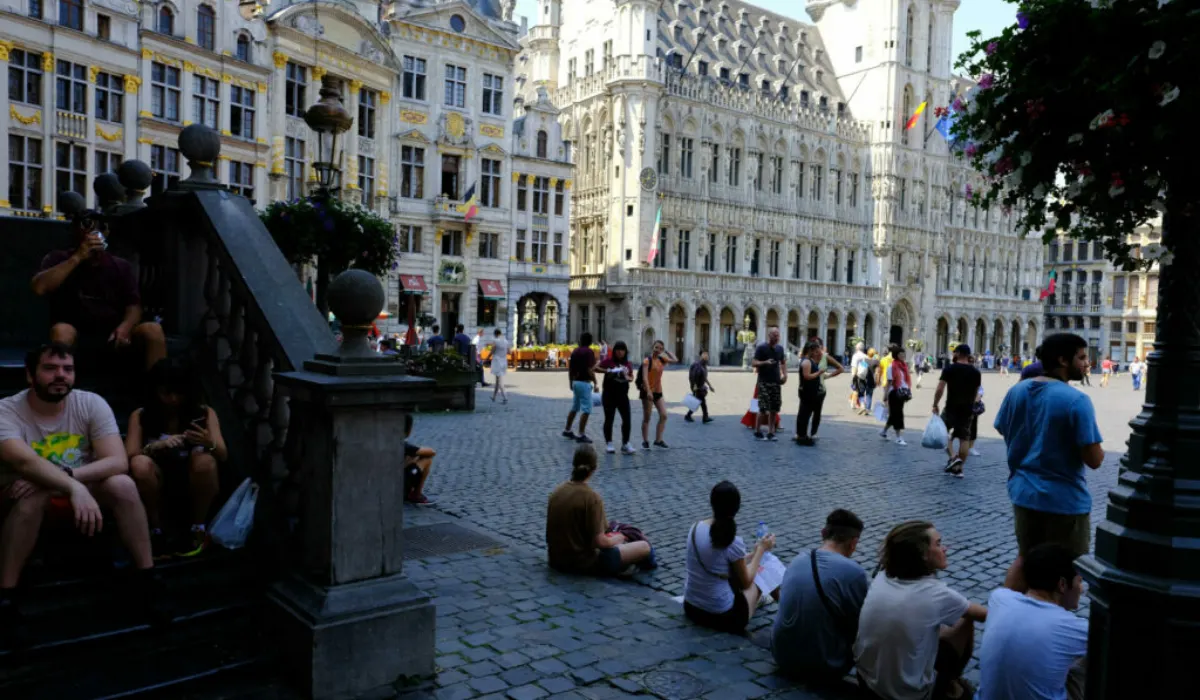
The region’s social policies focus on health access, education, and community services adapted to meet Brussels’ multilingual population’s needs. Programs supporting language learning and cultural integration are designed to foster social cohesion and prevent exclusion.
Public transportation and mobility initiatives seek to improve connectivity and reduce pollution, reflecting broader European environmental priorities. Additionally, the COVID-19 pandemic underscored the importance of robust healthcare infrastructure and digital readiness, prompting accelerated policy responses in these domains.
Points for Brussels Policy Impacts on Citizens
- Migration and integration policies in Brussels have tightened asylum reception and citizenship conditions, affecting newcomers’ access and social inclusion.
- Housing, employment, and social welfare policies emphasize sustainability, innovation, and equitable access but face challenges from ongoing socioeconomic disparities.
Brussels policies exert substantial influence on the lives of Belgium’s citizens, shaping their social, economic, and cultural environments within a complex multilingual and political landscape. While efforts to enhance sustainability, digital innovation, and social cohesion are evident, challenges linked to migration, housing affordability, and inequality remain pressing. Navigating and understanding these policies is essential for engaging meaningfully with the evolving dynamics of Europe’s capital and for fostering an inclusive, prosperous community for all residents.
Dear reader,
Opinions expressed in the op-ed section are solely those of the individual author and do not represent the official stance of our newspaper. We believe in providing a platform for a wide range of voices and perspectives, even those that may challenge or differ from our own. We remain committed to providing our readers with high-quality, fair, and balanced journalism. Thank you for your continued support.