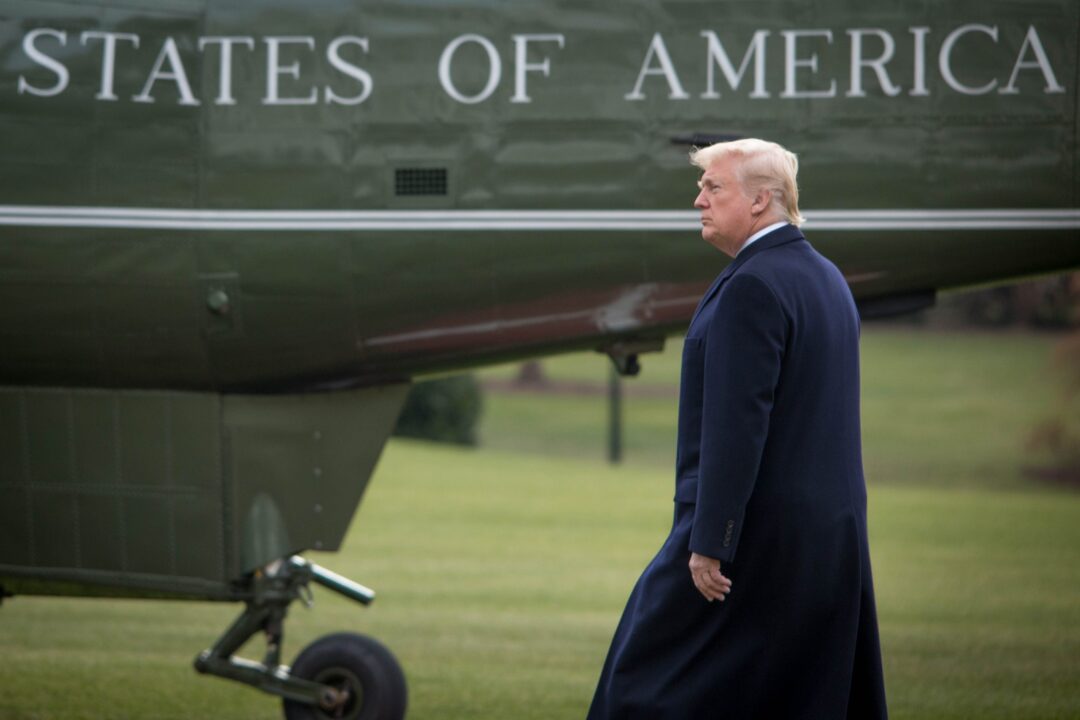

Since its owner, Ronald Perelman, is known to be a Zionist ally, Revlon is regarded as being mostly pro-Israel. Perelman is a trustee of the Zionist and Israeli lobbying group The Simon Wiesenthal Center. Due to this connection, Revlon has been accused of giving Israel secret political and financial assistance. Boycott-related publications also list Revlon as a company that supports Israel via its ownership and business practices. Nonetheless, instead of being directly connected with the corporate policies of Revlon, this support is tied closer to the political ties of the owner.
- History of Revlon
- Financial Challenges Impacting Brand
- Revlon’s controversy regarding Israel
- Social Media Campaigns and Boycotts
- Ownership and Zionist ties
- Ownership and Founder Influence
- MuslimGirl.com founder rejects Revlon award over Israel connection
- Market Presence in Israel
- Political and economic links
- Industry Context
- Wrap up
History of Revlon
Revlon was started in New York City on March 1, 1932, when the Jewish American brothers Charles and Joseph Revson, and a chemist by the name of Charles Lachman, upon whom the Revlon name was based, started the company amidst the great depression. The trio of men brought their funds together to develop an innovative production process for one product, a new type of nail enamel. Revlon developed a series of new nail polish colors based on pigments and not dyes. In 1937, Revlon started selling the polishes in pharmacies and department stores. Within six years, the business had expanded to become a multimillion-dollar business.
By 1940, Revlon had increased its range of products to include lipstick and a full manicure line. The business grew through the acquisition of Graef and Schmidt, a cutlery manufacturer which had been nationalized by the government in 1943 because of German commercial connections. With this acquisition, Revlon could produce its own manicure/pedicure tools instead of having to outsource them.
Financial Challenges Impacting Brand
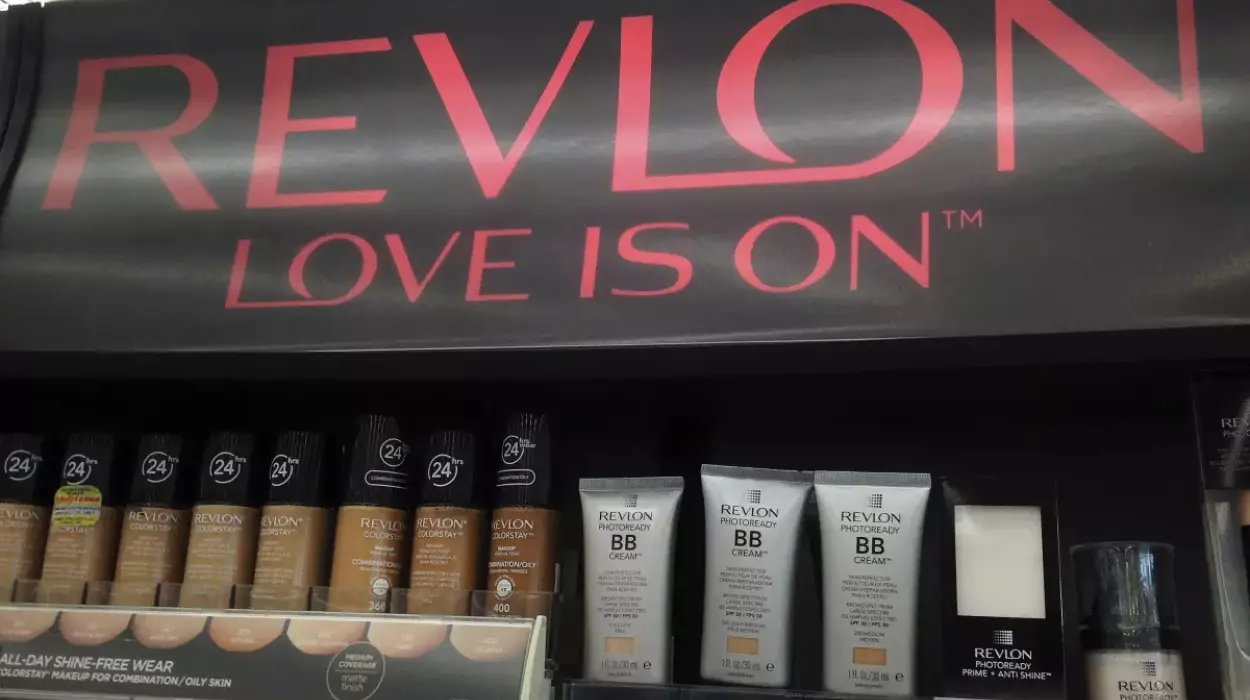
Revlon’s bankruptcy for Chapter 11 in 2022 highlights increased debt levels of more than $3.7 billion and increased competition from more recent brands using celebrities and social media to promote their products. While Revlon holds a nostalgic and prestigious brand identity and reputation, these challenges emphasize a tough business environment that affects its public standing and may further overlap with other issues of its political affiliation.
Revlon’s controversy regarding Israel
The Jewish financier of Revlon and its majority shareholder, Ronald Perelman, with connections to Zionism, is the centre of the Israel-related controversy at Revlon. Perelman, who purchased Revlon in 1985, is an outspoken Zionist and a trustee of The Simon Wiesenthal Center, a Zionist and Israel-supporting group. Owing to this association, campaigners have started to pressure Revlon, which they feel is supporting Israel indirectly by backing the charitable and political activities of Perelman.
Also, in 2018, after Revlon hired Israeli actress Gal Gadot as a global brand ambassador, pro-Palestinian activists attacked the company and urged boycotts and the abandonment of awards related to it. This was controversial on top of the ownership associations and cemented the image of Revlon as having been aligned with Israel to certain groups.
Boycott campaigns to protest against businesses that are viewed as supporting Israeli policy have hit Revlon due to the ownership and support of Perelman for causes relating to Israel. This long-term reputation battle has been accompanied by recent bankruptcy filings and financial struggles of Revlon.
Social Media Campaigns and Boycotts
In 2023 and beyond, Revlon has faced intensified social media-driven boycott campaigns related to assumed support for Israel via its ownership and Ambassador Gal Gadot. These digital activism efforts have played a key role in shaping modern consumer perceptions and applying pressure on the brand globally.

Ownership and Zionist ties
One of the owners of Revlon, Ronald Perelman, is a notorious Zionist. He is a billionaire investor who has large interests in various businesses, including Revlon. Perelman is an advocate of Zionist causes, a trustee of The Simon Wiesenthal Center, a group that seeks to promote Zionism and Israel through the use of Holocaust memorials. The aspect of Revlon subtly supporting Israel is mostly supported by the fact that we own it and are politically affiliated. Perelman acquired the business after a very high-profile corporate battle to acquire Revlon in 1985.
His Zionist ties have, over the years, brought attention to himself by campaigners who have urged boycotts of Israeli-related businesses. The connection has little to nothing to do with the corporate attitude of Revlon and more to do with the charitable and personal support of Israel that Perelman offers. But due to his ownership, Revlon has become a target of the larger political discussion concerning corporations and their relationship with Israel.
Ownership and Founder Influence
Ronald Perelman owns Revlon through MacAndrews & Forbes and is a noted Zionist activist. While Revlon as a company does not officially sponsor Israel, Perelman’s personal politics heavily influence public perception and the controversies surrounding the brand’s stance on Israel. This adds nuance to understanding Revlon’s political connections.
MuslimGirl.com founder rejects Revlon award over Israel connection
A significant contributor to the impact and the criticism of the Revlon Israel affiliation was the choice of Israeli actress Gal Gadot as a global brand ambassador in 2018. This decision brought much controversy and mass hysteria, especially among the pro-Palestinian activists. A famous Muslim beauty blogger and the founder of MuslimGirl.com, Amani Al-Khatahtbeh, gave a prominent example of the backlash. In declining a Changemaker Award, she became the first to invoke the work of Gadot as the brand ambassador, and her vocal endorsement of the Israel Defense Forces (IDF) was contrary to the idea of human rights and empowerment when she declined an award, which was named Changemaker, by Revlon.
Al-Khatahtbeh explained that, particularly following the Israeli-Palestinian war, she was unable to accept the award of a company whose ambassador she felt promoted tyranny. Individuals who associate Revlon with Israel due to the popularity of Gadot and the ownership of the company by Perelman openly requested boycotting the company, and this protest received a lot of media coverage. Opponents were further fueled by the fact that Gadot had served in the IDF previously and was very vocal in supporting the Israeli military actions.
The dispute also created a negative reputation for Revlon to certain groups of consumers and activists and raised concerns about corporate affiliations and symbolic representation in promoting organizations.
Market Presence in Israel
Revlon products are widely sold in Israel, benefiting economically from Israeli market presence. This commercial linkage adds another dimension to the brand’s involvement and perceived support for Israel.
Political and economic links
The major shareholder of Revlon, Ronald Perelman, has close political and financial connections with Israel and Zionist groups. He is a trustee of The Simon Wiesenthal Center, a Zionist organization encouraging Israel and Zionism, and a Zionist billionaire. Perelman has also been known to make large donations to Jewish and Israeli groups, such as millions of dollars to the Chabad-Lubavitch sect and Jewish projects.
Economically, the 1985 acquisition of Revlon and subsequent ownership of the brand by Perelman have linked the brand to his political contacts, as the company has become a victim of boycott demands by activists who think that the company is pro-Israel. Although Revlon does not specifically sponsor Israel in its business activities, the Zionist activism of its founder, Perelman, and his personal philanthropy make Revlon seem like one in mainstream perception.
Perelman was forced to sell invaluable assets to clear bills, and Revlon has also suffered as far as money is concerned with bankruptcy filings in the past years. The political issues associated with this financial difficulty further complicated the company’s reputation. All in all, the political and economic associations of Revlon with Israel are mainly due to the Zionist identity of Ronald Perelman and his charity work. These influence brand perception in both the political/consumer spheres in terms of support for Israel.
Industry Context
Revlon is ranked 22nd worldwide as a cosmetics manufacturer. The amount of competition it faces from newer beauty brands that utilize social media and endorsement is increasing. The brand’s political and social position become important in a crowded beauty marketplace, and these positions have contributed to the company’s public image challenges in the past few years.
Wrap up
The primary argument behind the Revlon and Israel association is political and charity relationships of the controlling owner, Ronald Perelman, who is a famous Zionist and Israeli voice. Due to such a relationship, there is activist and boycott pressure on Revlon. The outcry became even more heated when Israeli actress Gal Gadot was announced as the global brand ambassador of Revlon in 2018. Due to most critics and pro-Palestinian groups, it symbolized the company secretly helping Israel.
Dear reader,
Opinions expressed in the op-ed section are solely those of the individual author and do not represent the official stance of our newspaper. We believe in providing a platform for a wide range of voices and perspectives, even those that may challenge or differ from our own. We remain committed to providing our readers with high-quality, fair, and balanced journalism. Thank you for your continued support.