Kyiv, Ukraine, 28 November – Brussels Morning Newspaper – The Trump-Putin friendship has triggered fresh criticism from Ukrainian President Volodymyr Zelenskyy, who has questioned US President Donald Trump’s description of Russian President Vladimir Putin as a friend amid continuing tensions over efforts to end Russia’s war against Ukraine.
In an interview with the BBC broadcast on November 27, Zelenskyy criticised Trump’s language, arguing that Putin’s responsibility for the invasion and its consequences made such a personal description difficult to accept. He also called for Washington to increase pressure on Moscow rather than relying exclusively on diplomatic engagement.
The remarks highlight continuing differences between Kyiv and Washington over how to approach the Kremlin as negotiations for a possible peace settlement encounter significant obstacles.
For Ukraine, the Trump-Putin friendship debate is not simply about diplomatic language. It raises concerns about whether closer relations between Washington and Moscow could affect Ukraine’s position in negotiations.
Why Zelenskyy rejected Trump’s description of Putin
Zelenskyy’s criticism followed Trump’s public description of Putin as “my friend” after the two leaders met during the Asia-Pacific Economic Cooperation summit in Shenzhen, China, on November 19.
Trump shared a photograph showing himself embracing the Russian president. The image attracted attention because Russia’s full-scale invasion of Ukraine remains unresolved.
During his BBC interview, Zelenskyy compared describing Putin as a friend to describing Adolf Hitler as a friend during the Second World War.
His remarks reflected Kyiv’s position that Russia’s invasion cannot be separated from discussions about diplomatic relations.
The Ukrainian government has repeatedly maintained that any peace agreement must protect the country’s sovereignty and territorial integrity.
The Trump-Putin friendship controversy has therefore become part of a broader disagreement about the conditions under which negotiations should take place.
Trump defends his relationship with Putin
Trump defended his approach when questioned about Zelenskyy’s criticism on November 26.
The US president argued that maintaining communication with Putin was necessary to achieve a negotiated settlement and reduce casualties.
“We want to make a deal. We want to stop the killing,” Trump said.
He also suggested that personal hostility between the Russian and Ukrainian presidents was a major obstacle to reaching an agreement.
Trump’s position reflects his preference for direct engagement with Moscow, even as Ukraine continues to demand stronger international pressure on Russia.
The Trump-Putin friendship debate has also attracted attention because of comments made by other figures involved in the American diplomatic effort.
According to Associated Press reporting, Jared Kushner, Trump’s son-in-law and an envoy involved in peace efforts, recently described Putin as a political grandmaster. US special envoy Steve Witkoff had also previously made positive remarks about the Russian leader.
Such comments have intensified questions in Ukraine about the tone and direction of Washington’s diplomatic engagement with Moscow.
Ukraine peace negotiations face serious obstacles
The diplomatic disagreement comes as efforts to negotiate an end to the war continue to face difficulties.
Zelenskyy said discussions restarted in Abu Dhabi during November had not delivered meaningful progress. He indicated that further details emerging from the negotiations were revealing additional complications.
Kyiv wants negotiations to address Russia’s invasion and establish conditions for a sustainable settlement.
Moscow, meanwhile, continues its military campaign while defending its own demands in negotiations.
The Trump-Putin friendship dispute highlights the challenge of balancing diplomatic engagement with the security concerns of a country facing an ongoing invasion.
Russian presidential spokesman Dmitry Peskov also responded to Zelenskyy’s criticism, accusing the Ukrainian leader of insulting Putin and suggesting that his remarks demonstrated an unwillingness to pursue peace.
The competing statements underline the considerable political differences surrounding the negotiations.
Another important concern for Kyiv is the future of American military assistance. Ukraine continues to rely on international support to defend its cities, infrastructure and military positions against Russian attacks.
The Trump-Putin friendship controversy is consequently unfolding alongside practical questions about Ukraine’s ability to sustain its defence while diplomatic efforts continue.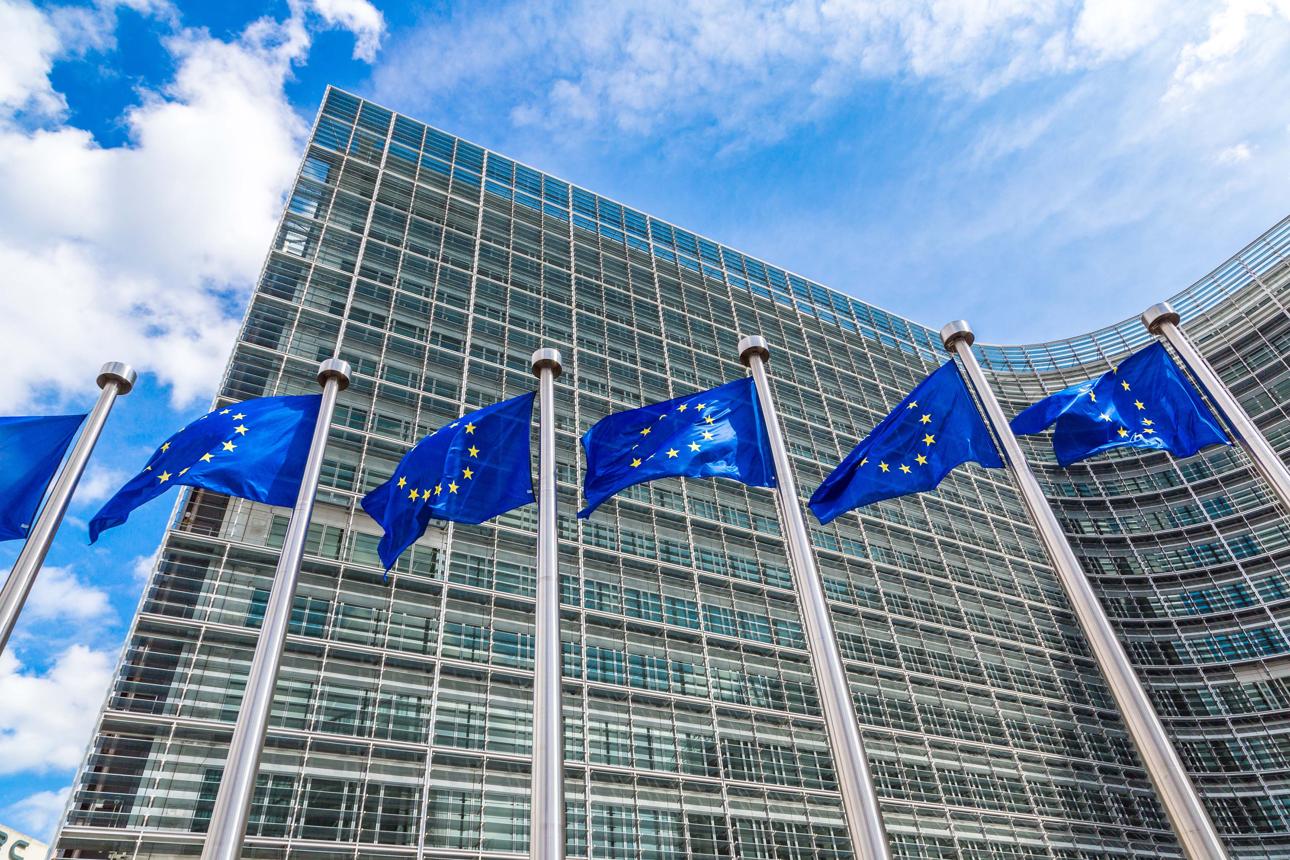
European security implications
The disagreement between Zelenskyy and Trump has implications beyond the relationship between Kyiv and Washington.
European governments have repeatedly warned that the outcome of Russia’s war against Ukraine will have lasting consequences for continental security.
The European Union has continued providing financial and military assistance to Kyiv. Its Ukraine Facility provides more than €50 billion in grants and loans for recovery, reconstruction and modernisation between 2024 and 2027.
European support remains important for Ukraine’s economic resilience, particularly as the country faces the financial consequences of prolonged military conflict.
The Trump-Putin friendship debate also raises questions about coordination between European capitals and Washington.
European leaders want to ensure that diplomatic efforts do not undermine Ukraine’s sovereignty or create security risks for neighbouring countries.
For the EU, a settlement that fails to provide credible security guarantees could leave the region vulnerable to further instability.
The Trump-Putin friendship issue therefore touches on wider questions about Europe’s defence responsibilities and its relationship with the United States.
What happens next?
The immediate challenge is whether Washington can maintain its role in peace negotiations while addressing Kyiv’s concerns about Russia’s continued military operations.
Zelenskyy’s statements indicate that Ukraine wants concrete measures to persuade Moscow to change its approach and accept conditions for a lasting settlement.
For Trump, maintaining communication with Putin remains part of his stated strategy to stop the fighting and negotiate an agreement.
However, the Trump-Putin friendship disagreement demonstrates how difficult it will be to reconcile Washington’s diplomatic approach with Ukraine’s security demands.
European governments will also be watching developments closely as they consider their long-term commitments to Ukraine and the future of European security.
Ultimately, the Trump-Putin friendship controversy reflects a fundamental disagreement over how peace should be achieved: through diplomatic engagement, stronger pressure on Moscow, or a combination of both.