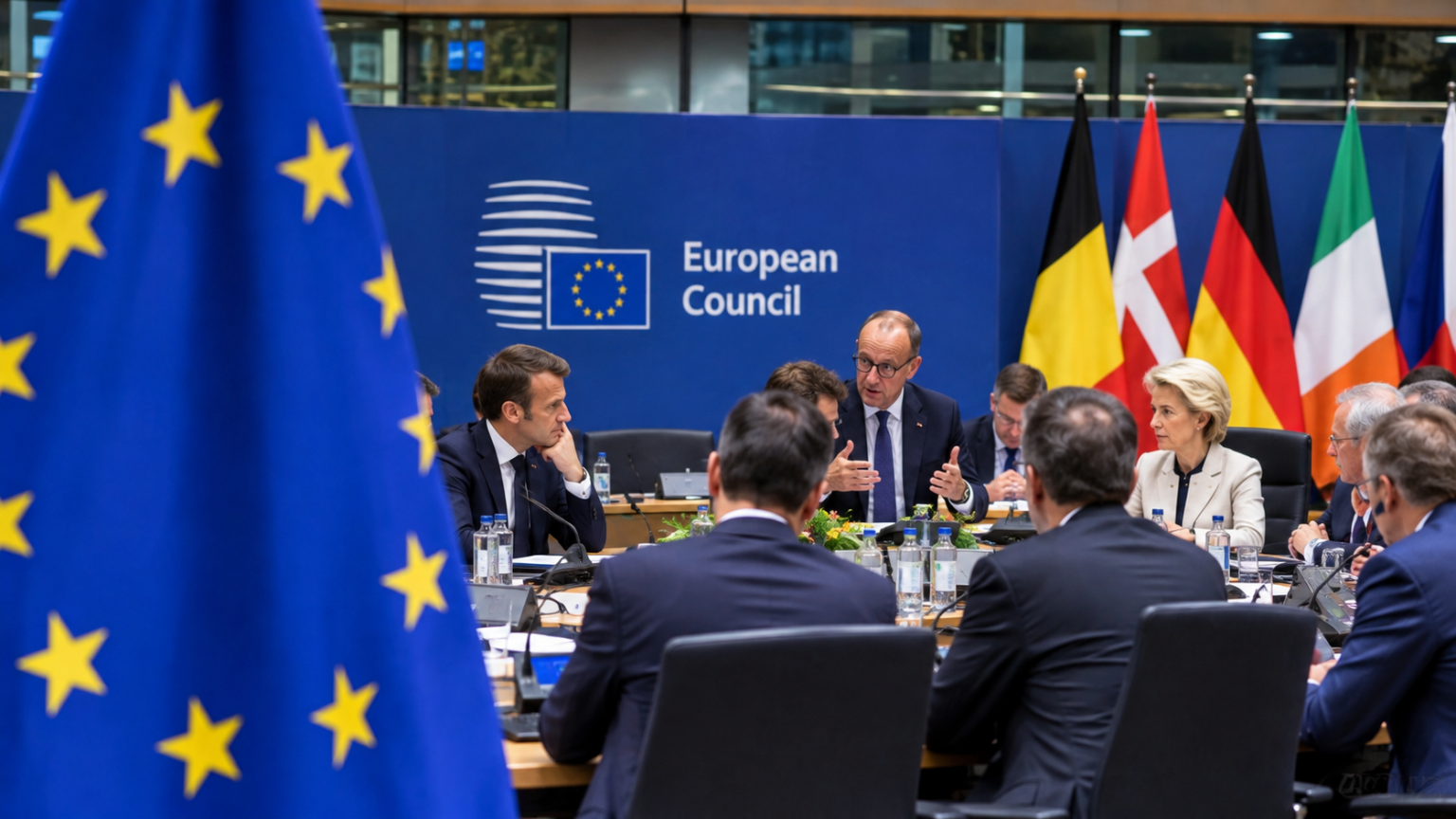
Brussels, Belgium, 28 November – Brussels Morning Newspaper – EU leaders have ended their special summit in Brussels without reaching an agreement on the European Union’s next seven-year budget, leaving additional Ukraine funding unresolved ahead of crucial negotiations in December.
- EU budget negotiations collapse amid disagreements
- Ukraine funding: EU considers additional €45 billion loan
- EU countries remain divided over financial assistance
- EU searches for new sources of budget revenue
- Why the Brussels summit matters for Ukraine and Europe
- December summit becomes crucial for Ukraine funding
The meeting on 26 November 2026 was intended to advance discussions on the EU’s 2028–2034 Multiannual Financial Framework (MFF) and address Ukraine’s financial requirements for 2027. However, disagreements over national contributions, spending priorities and financial support for Kyiv prevented leaders from reaching a compromise.
The failure to reach an agreement has increased pressure on European governments to settle the Ukraine funding question before the end of the year, as Kyiv faces an estimated €70 billion financing gap in 2027.
European Council President António Costa is expected to lead another round of discussions at the December summit.
EU budget negotiations collapse amid disagreements
The main disagreement in Brussels centred on the size of the EU’s next long-term budget and how its resources should be distributed among member states.
The European Commission’s original proposal was approximately €1.786 trillion. However, negotiations have already resulted in substantial proposed reductions, with further disagreements emerging over how much individual countries should contribute.
Germany and other net contributor countries have called for tighter spending controls and greater investment in competitiveness, defence and European security.
Other member states, including France and Italy, have defended a larger budget, arguing that agricultural support, regional development and cohesion funding must remain adequately financed.
These divisions have complicated discussions about Ukraine funding, which has become closely connected to the wider negotiations over the EU’s financial priorities.
European Council President António Costa defended his decision to convene the meeting, saying the discussions helped identify the possible parameters of an agreement for December.
Ukraine funding: EU considers additional €45 billion loan
The European Commission has proposed an additional €45 billion loan to help Ukraine meet its financial and military requirements in 2027.
According to the proposal, approximately €25 billion would support military needs, including air defence systems, ammunition and other defence equipment. The remaining €20 billion would provide budget assistance to maintain essential public services.
The proposed Ukraine funding package is designed to cover around two-thirds of Ukraine’s estimated €70 billion financing gap next year.
The financial assistance would help the Ukrainian government maintain public services, including healthcare, education and other essential state operations, while continuing to defend the country against Russia’s invasion.
The proposed loan would be financed through borrowing on international capital markets, supported by the EU budget’s financial capacity.
Under the proposed arrangement, Ukraine would repay the principal once Russia provides compensation for the damage caused by its invasion. Budget assistance would also be linked to reforms involving the rule of law and anti-corruption measures.
The additional €45 billion proposal is separate from the existing €90 billion Ukraine Support Loan covering 2026–2027.
EU countries remain divided over financial assistance
Despite broad support for continued assistance to Kyiv, several governments have raised objections to aspects of the proposed financing arrangement.
Hungary, Slovakia and the Czech Republic have been among the countries expressing reservations about the financial and military implications of additional support.
Germany, meanwhile, has argued that European governments must provide predictable financial assistance to Ukraine while maintaining control over the EU’s overall spending commitments.
The disagreements demonstrate the difficulty of securing unanimous agreement among all 27 member states on major financial decisions.
The unresolved Ukraine funding question also raises concerns about the timing and reliability of financial support for Kyiv in 2027.
EU searches for new sources of budget revenue
Alongside discussions about spending, European governments are considering ways to generate additional revenue for the next long-term budget.
One proposal involves introducing a digital services tax targeting revenues from online advertising, digital marketplaces and the monetisation of user data.
The proposed measure could generate additional income for the EU budget, although it has encountered resistance from Ireland.
Ireland has expressed concerns about the potential economic and diplomatic consequences, particularly because several major US technology companies have their European headquarters in the country.
The debate over new revenue sources is relevant to Ukraine funding because the EU must also consider its existing financial commitments and the costs of future borrowing.
Why the Brussels summit matters for Ukraine and Europe
The outcome of the negotiations has implications extending beyond the EU’s internal budget arrangements.
Ukraine depends on international financial assistance to maintain essential public services and sustain its defence capabilities during Russia’s ongoing invasion.
A delay in approving additional Ukraine funding could create uncertainty for Kyiv as it prepares its 2027 financial plans.
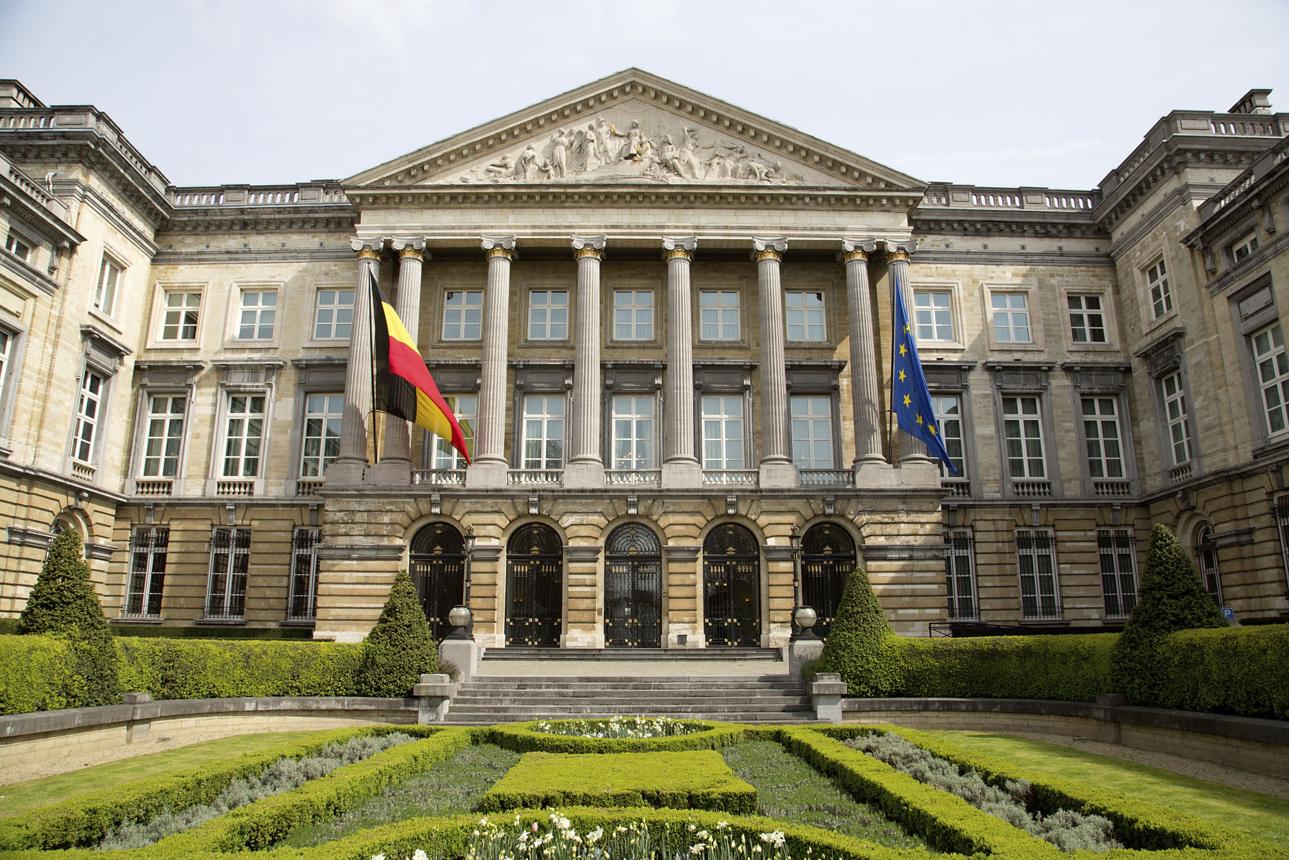
For Belgium, the negotiations are particularly significant because Brussels hosts the European Council, European Commission and other major EU institutions.
The decisions taken by European governments will influence the bloc’s financial priorities, defence investments, economic competitiveness and support for neighbouring countries over the next seven years.
December summit becomes crucial for Ukraine funding
European leaders are expected to return to the negotiating table at the European Council meeting scheduled for 17–18 December 2026.
The discussions will focus on finding common ground over the 2028–2034 budget and resolving outstanding questions surrounding additional financial assistance for Ukraine.
The proposed €45 billion loan has not yet received final approval, leaving its implementation dependent on further negotiations and the necessary institutional decisions.
For Kyiv, securing predictable Ukraine funding remains a major priority as the country prepares for another year of war and financial pressure.
The December meeting will provide another opportunity for EU governments to address the outstanding disagreements and determine the future of the proposed financial package.