United States, 27 November – Brussels Morning Newspaper – A powerful storm system swept across the United States during the Thanksgiving holiday, leaving more than 900,000 homes and businesses without electricity at its peak on Thursday, 26 November, while heavy rainfall, damaging winds and coastal flooding disrupted transport across several states. Although power restoration began in some affected areas, hundreds of thousands of customers remained without electricity on Friday as emergency crews worked to repair damaged infrastructure.
- Heavy winds and flooding hit multiple states
- Coastal flooding creates additional emergency challenges
- Thanksgiving travel disrupted across the United States
- Midwest faces heavy snowfall as coastal storms spread
- Maryland residents asked to conserve water
- Power restoration continues as weather conditions gradually improve
- Why the Thanksgiving storm matters
The severe weather struck during one of America’s busiest travel periods, affecting communities along the East Coast and parts of the Midwest. Pennsylvania, New Jersey, Maryland and Virginia were among the hardest-hit states, while airports, highways and railway services also experienced significant disruption.
The storm has turned a major national holiday into a challenging period for households, travellers and emergency services, with authorities continuing to monitor weather conditions and the risk of further flooding.
Heavy winds and flooding hit multiple states
The storm’s strongest impacts were reported across the eastern United States, where powerful winds brought down trees, damaged electricity infrastructure and complicated recovery operations.
According to Reuters, wind gusts reached between 50 and 70 miles per hour (80–113 kilometres per hour) in parts of Virginia, Maryland, Delaware, New Jersey, New York and coastal New England.
At New York’s LaGuardia Airport, wind gusts reached 56 mph, according to New York City Emergency Management.
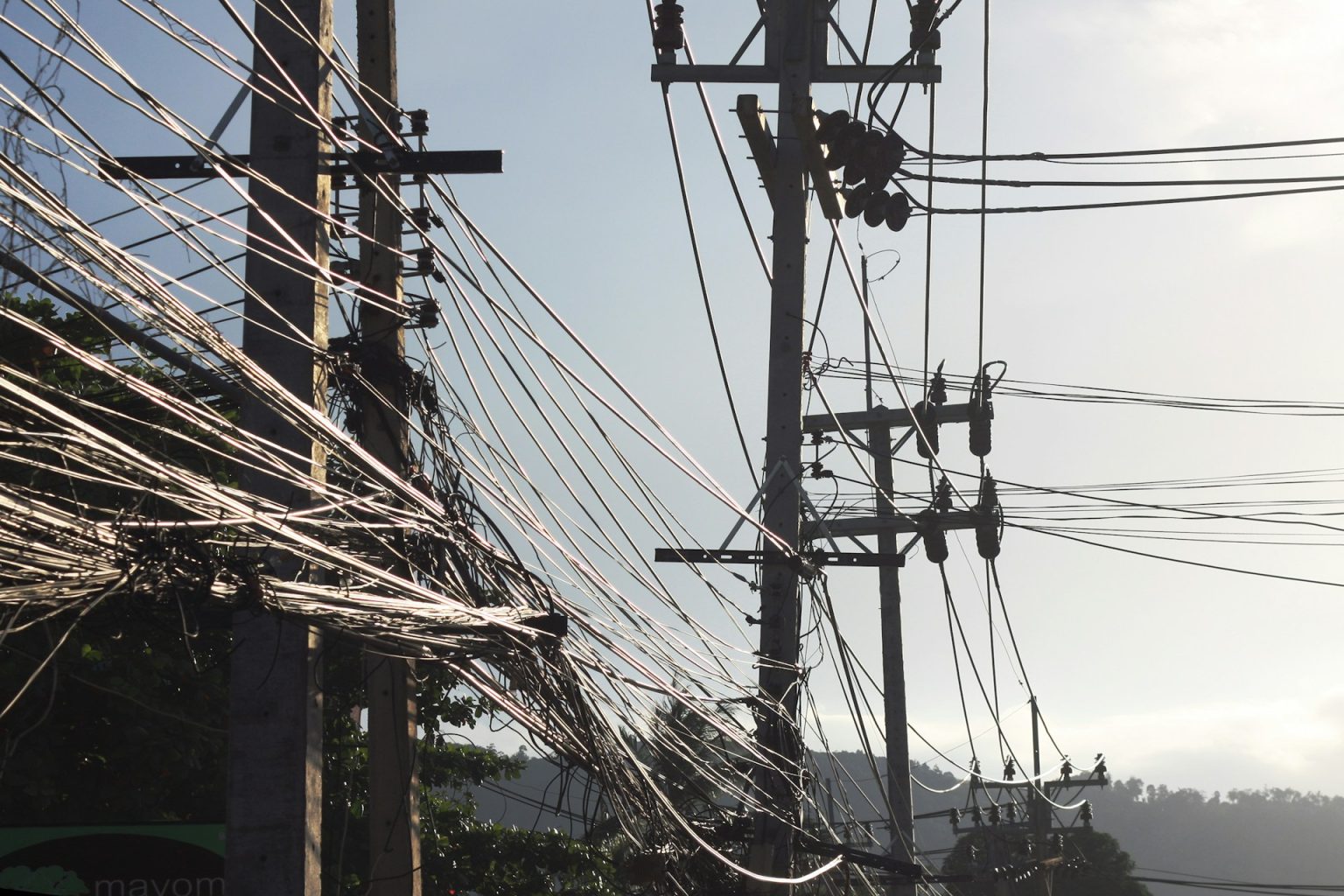
The combination of saturated ground and strong winds increased the likelihood of trees falling onto electricity lines. Coastal communities also faced additional pressure from heavy rainfall and unusually high tides.
PowerOutage.us data cited by Reuters showed that Pennsylvania recorded more than 207,000 customers without electricity late Thursday. New Jersey reported over 179,000 outages, while Maryland had approximately 139,000 and Virginia more than 106,000.
Missouri also recorded around 100,000 outages, demonstrating that the disruption extended beyond the East Coast.
These figures represent electricity customers, including residential and commercial accounts, rather than an exact count of individual people. The national outage total had reached approximately 961,000 before falling to more than 908,000 by late Thursday evening.
Coastal flooding creates additional emergency challenges
Electricity failures were only one part of the wider emergency.
Heavy rainfall, strong onshore winds and high tides combined to produce flooding in coastal communities from North Carolina to New Jersey. Several roads and bridges were temporarily closed as floodwaters made travel dangerous.
In New York City, emergency responders rescued people from vehicles trapped in floodwater. Mayor Zohran Mamdani warned residents against taking unnecessary risks during the storm.
“There is no destination worth your safety,” Mamdani said, according to The Associated Press.
New Jersey was placed under a state of emergency, while parts of New York also faced emergency measures.
Avalon, a coastal community in southern New Jersey, experienced particularly severe flooding. Local officials described the conditions as among the worst in the community’s history.
The nearly 18-mile Chesapeake Bay Bridge-Tunnel in Virginia was closed for several hours because of high winds. In North Carolina, NC 12, an important route connecting Hatteras Island with the mainland, was shut after seawater crossed the dunes and covered the road.
Flooding also affected waterfront neighbourhoods in Baltimore, where police closed several streets.
The combination of flooding, damaged infrastructure and electricity interruptions placed additional pressure on emergency responders and local authorities during the holiday period.
Thanksgiving travel disrupted across the United States
The timing of the storm made its impact particularly significant.
Thanksgiving is one of the busiest travel periods in the United States, when millions of people travel to spend time with relatives and friends. Severe weather created additional difficulties for passengers using airports, roads and railway networks.
According to FlightAware figures reported by Reuters, Thursday’s disruptions resulted in 454 flight cancellations and 2,411 delays involving US flights.
Major airports serving the Washington and New York metropolitan areas were among those affected.
Road closures and flooding also disrupted journeys in coastal areas, while high winds created difficulties for drivers and public transport operators.
The storm affected New York City’s annual Macy’s Thanksgiving Day Parade, which was postponed until Saturday, 28 November.
The decision marked the first time in the event’s 100-year history that the parade had been rescheduled because of severe weather.
Organisers were particularly concerned about the safety of the enormous balloons used during the procession, which can become difficult to control in strong winds around Manhattan’s skyscrapers.
Midwest faces heavy snowfall as coastal storms spread
While the East Coast experienced heavy rain and flooding, parts of the Midwest faced a different set of weather-related problems.
Heavy snowfall affected Illinois and Missouri, adding to transport difficulties and increasing the challenges for communities already dealing with electricity interruptions.
St Louis recorded approximately 7.3 inches (18.5 centimetres) of snow, while Ste Genevieve in Missouri received around 14 inches.
The severe conditions also caused structural damage in Wentzville, Missouri, where the roof of an ice arena collapsed early Thursday morning. The building was empty at the time, according to local authorities.
On the West Coast, high tides and powerful waves caused further disruption. Record-high tides prompted evacuations in parts of California, while sections of the Pacifica Municipal Pier collapsed following damage from powerful waves.
Amtrak’s Pacific Surfliner also suspended or altered services on sections of its California route because of track damage and coastal washouts.
Maryland residents asked to conserve water
The storm’s effects extended beyond electricity and transport.
In Maryland, nearly two million customers in Montgomery and Prince George’s counties were asked to conserve water following intermittent power disruptions affecting water infrastructure.
The request highlighted how severe weather can affect essential services beyond the electricity network.
Electricity is required to operate many water treatment and distribution systems. Interruptions can therefore create additional difficulties for communities even when drinking water supplies have not been directly contaminated.
Residents were asked to limit water consumption while authorities addressed the disruption.
Power restoration continues as weather conditions gradually improve
By Friday, 27 November, electricity restoration efforts were continuing across affected states. The number of customers without power had declined from Thursday evening’s peak, although substantial outages remained.
A Friday report by The Washington Post said more than 660,000 customers were still without electricity as crews continued restoration work.
The National Weather Service expected conditions to improve gradually across parts of the Mid-Atlantic as the strongest winds and heaviest rainfall moved northwards. However, gusty conditions were expected to continue in parts of the East Coast.
Coastal flooding remained a concern, particularly in low-lying communities exposed to unusually high tides and strong onshore winds.
Utilities had prepared for the storm before Thanksgiving. National Grid, for example, announced on 25 November that it had mobilised internal crews and secured additional external resources in anticipation of heavy rain and strong winds across Massachusetts.
The preparation reflected concerns that severe weather during the holiday period could complicate repair operations and leave customers without electricity for extended periods.
Why the Thanksgiving storm matters
The widespread outages highlight the vulnerability of electricity infrastructure when several weather hazards occur simultaneously.
Strong winds can bring down trees and power lines, while saturated ground makes it easier for trees to fall. Coastal flooding can also restrict access to damaged infrastructure, potentially slowing repairs.
For households, prolonged electricity interruptions can affect heating, refrigeration, communications and access to essential services.
The disruption also illustrates the wider economic consequences of severe weather. Cancelled flights, closed roads, interrupted railway services and damaged infrastructure create additional costs for businesses and travellers.
For international audiences, including readers in Belgium and across Europe, the situation provides another reminder of how extreme weather can affect essential infrastructure and public services.
The immediate priority remains restoring electricity, ensuring access to affected communities and protecting residents from further flooding and hazardous conditions.
Authorities and utility companies are expected to continue monitoring the situation as repair operations progress and the weather system weakens.