California, United States, 7 November – Brussels Morning Newspaper – Google executive Donald Harrison has stepped down from the board of Elon Musk’s SpaceX after more than a decade, marking a significant change in the relationship between the aerospace company and Google parent Alphabet.
Harrison’s resignation took effect on November 4, 2026, according to a report published by Reuters on November 6. His departure comes amid questions about potential conflicts of interest involving Alphabet’s investment in SpaceX and the increasingly overlapping business interests of major technology companies.
The resignation brings an end to Harrison’s 11-year involvement with the SpaceX board, where he served during a period of rapid expansion for the company, including the development of reusable rockets, the growth of its Starlink satellite internet business and advances in its Starship programme.
Why Did Donald Harrison Resign From the SpaceX Board?
Harrison’s departure has drawn attention because of the longstanding financial relationship between Alphabet and SpaceX.
According to Reuters, SpaceX disclosed that Harrison had notified the company of his decision to resign, effective immediately. The company said his departure did not result from a disagreement over its operations, policies or practices.
Elon Musk subsequently pointed to conflicts of interest involving Alphabet as the reason behind the resignation.
The explanation raises broader questions about how technology executives manage board responsibilities when their employers hold investments in businesses that may also operate in competing markets.
Harrison’s resignation does not, by itself, indicate that Alphabet intends to reduce its investment in SpaceX or end its commercial relationship with the company.
Elon Musk Cites Alphabet Conflicts of Interest
Musk’s explanation places the focus on the relationship between SpaceX and Alphabet, two companies with interests spanning technology, communications and advanced infrastructure.
Alphabet has maintained a financial interest in SpaceX for years, while SpaceX has expanded well beyond its original rocket-launch operations.
Its Starlink satellite network has become an important part of the company’s business, providing internet connectivity to customers across multiple countries.
Meanwhile, Alphabet continues to invest in artificial intelligence, cloud computing and other technologies that shape the wider digital economy.
Although these activities do not necessarily put the two companies in direct competition, overlapping commercial interests can create governance challenges for executives serving on outside boards.
The precise nature of the conflict cited by Musk has not been publicly detailed in the information available for this report.
Google’s Longstanding Investment in SpaceX
Google’s relationship with SpaceX stretches back to 2015, when Google and investment firm Fidelity announced a combined $1 billion investment in the aerospace company.
The investment reflected growing interest in satellite-based communications and the possibility of bringing internet access to areas underserved by traditional infrastructure.
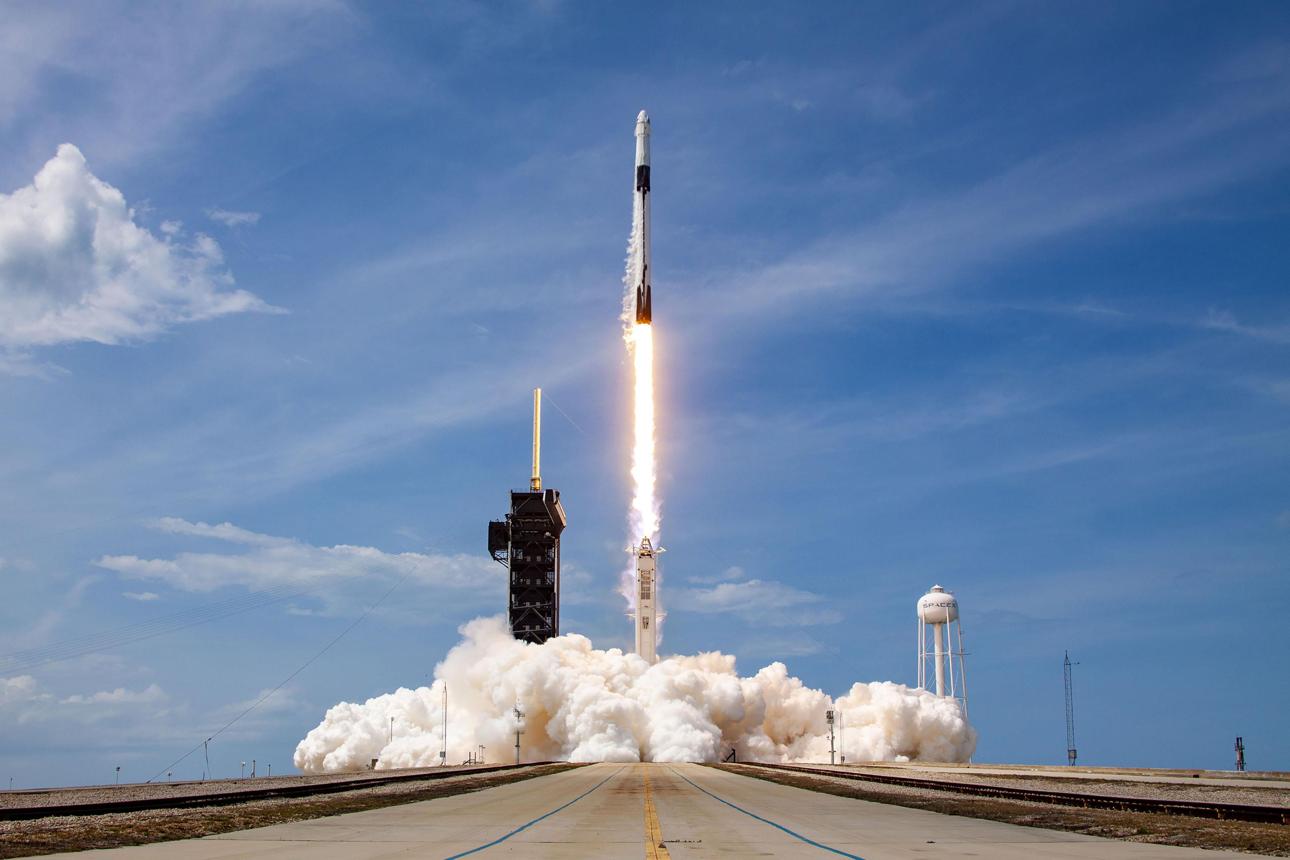
Since then, SpaceX has developed into a major commercial space operator, with its Falcon rockets carrying satellites, cargo and astronauts into orbit.
Its Starlink service has also expanded the company’s presence in global telecommunications.
Alphabet’s investment has given it financial exposure to SpaceX’s growth, although that does not necessarily translate into control over the company’s business decisions.
Harrison’s departure highlights the distinction between holding a financial stake in a company and participating directly in its governance.
What Does Harrison’s Departure Mean for SpaceX?
The immediate operational impact of Harrison’s resignation remains unclear.
SpaceX continues to pursue several major projects, including Starship development, satellite launches and the expansion of Starlink.
The company also works closely with NASA and other government and commercial customers.
Changes to its board are therefore significant from a corporate governance perspective, particularly as SpaceX’s business interests become more diverse.
Board members are responsible for overseeing company strategy and helping ensure that management decisions serve the interests of the business.
When directors have professional connections to major investors or companies operating in related industries, potential conflicts of interest can require additional scrutiny.
Harrison’s resignation may help clarify those boundaries, although SpaceX has not publicly detailed what specific governance arrangements will follow his departure.
SpaceX’s Growing Business Raises New Governance Questions
SpaceX has transformed the commercial space industry through reusable launch technology and its expanding satellite network.
The company’s growth has also increased the complexity of its relationships with investors, technology companies and government agencies.
Starlink, in particular, has brought SpaceX into markets traditionally associated with telecommunications providers.
At the same time, its satellite infrastructure depends on sophisticated software, data systems and other technologies that connect the aerospace sector with the wider technology industry.
These developments make corporate governance increasingly important.
For companies with major outside investors, maintaining clear boundaries between board oversight and commercial relationships can help protect confidential information and reduce the risk of conflicting obligations.
Harrison’s departure illustrates how those considerations can become more complicated as companies expand into new industries.
What Happens Next for Alphabet and SpaceX?
The resignation leaves questions about the future of Alphabet’s representation on the SpaceX board.
It remains unclear whether another executive connected to Alphabet will take Harrison’s place or whether SpaceX will appoint a director with a different professional background.
There has been no confirmed indication in the information available that Alphabet plans to sell its SpaceX holdings as a result of the departure.
For now, the development appears to be a change in board membership rather than an announced shift in the companies’ investment relationship.
SpaceX’s next steps will be closely watched as the company continues expanding its launch services and satellite communications operations.
Harrison’s resignation also underscores a broader challenge facing the technology sector: as major companies invest in one another and expand into overlapping markets, managing conflicts of interest is becoming an increasingly important part of corporate governance.
The departure ends a longstanding board relationship, but the financial and commercial connections between Alphabet and SpaceX remain an important part of the wider story.