BRUSSELS, Belgium, 6 November – Brussels Morning Newspaper – Belgium’s King Philippe has rejected Prime Minister Bart De Wever’s resignation, keeping the country’s five-party coalition government in office after a bitter dispute over the federal budget threatened to bring it down.
- King Philippe Refuses Bart De Wever’s Resignation
- Why Belgium’s Prime Minister Offered to Resign
- Coalition Disagreements Push Belgium Towards Political Uncertainty
- King Philippe Calls for Fresh Government Negotiations
- Belgium’s Budget Dispute Raises Economic Concerns
- What the Political Crisis Means for Belgian Citizens
- What Happens Next for Prime Minister Bart De Wever?
The decision, announced by the Royal Palace on Friday, follows several days of consultations with coalition leaders after De Wever offered to step down on 2 November. The Belgian PM resignation has placed the country’s political stability under scrutiny as the government struggles to agree on measures to address mounting public debt.
Rather than accepting the prime minister’s departure, King Philippe has instructed him to restart budget negotiations immediately and report back on 16 November.
The intervention gives Belgium’s governing parties another opportunity to reach an agreement, but it does not resolve the financial disagreements that triggered the crisis.
King Philippe Refuses Bart De Wever’s Resignation
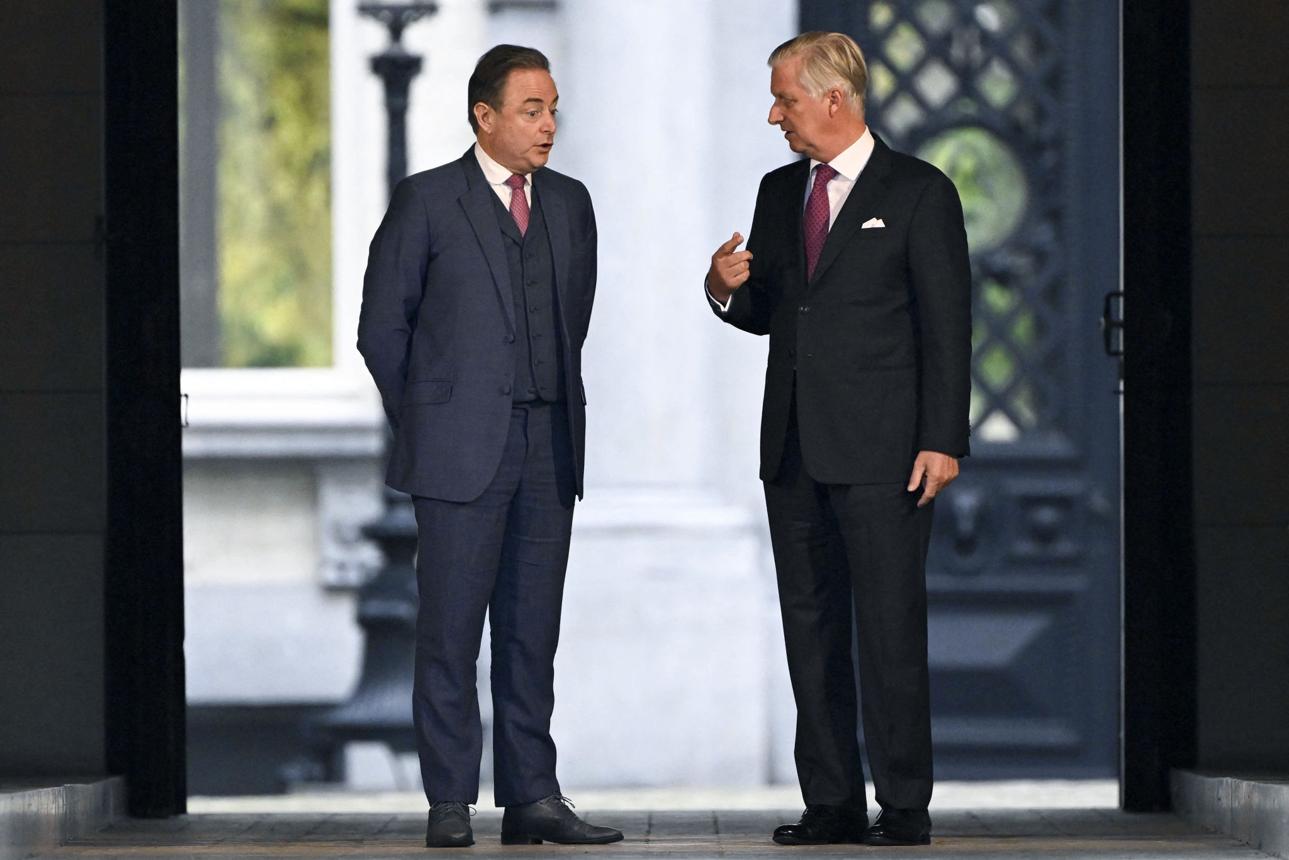
King Philippe reached his decision after meeting the leaders of all five parties in Belgium’s governing coalition.
According to the Royal Palace, each party reaffirmed its commitment to negotiating a credible financial plan covering the next three years.
The palace confirmed that coalition leaders had formally agreed to make concessions in an effort to overcome their differences.
The king also emphasised the importance of balancing economic growth with social cohesion, reflecting concerns about the consequences of spending reductions and tax increases.
The decision means De Wever will remain prime minister while negotiations continue.
However, the government has not yet secured a budget agreement, and the coalition’s future remains dependent on whether its members can find common ground.
Why Belgium’s Prime Minister Offered to Resign
De Wever submitted his resignation on Monday after months of unsuccessful negotiations over approximately €10 billion in proposed budget adjustments.
The government has been attempting to reduce Belgium’s deficit through a combination of expenditure reductions and additional tax revenue.
However, coalition partners have disagreed over which measures should be introduced and who should bear the greatest financial burden.
De Wever, who became prime minister in February 2025, leads a coalition bringing together Flemish nationalists, liberals, socialists and Christian democrats alongside French-speaking centrists.
His New Flemish Alliance (N-VA) and the liberal Reformist Movement (MR) have favoured stronger spending controls.
Other coalition partners have argued that higher-income households and wealthy taxpayers should contribute more towards reducing the deficit.
The disagreements eventually brought negotiations to a standstill, prompting De Wever to offer his resignation.
King Philippe initially withheld his decision, allowing time for consultations before announcing that the government should continue its work.
Coalition Disagreements Push Belgium Towards Political Uncertainty
Belgium’s governing coalition, commonly known as the Arizona coalition, includes N-VA, MR, Les Engagés, Vooruit and CD&V.
These parties represent different political traditions and constituencies, making agreement on sensitive financial reforms particularly difficult.
The dispute has centred on taxation, healthcare expenditure and wider government spending.
Some coalition members want to protect public services while increasing revenue from higher earners. Others have opposed additional taxes and argued that Belgium must focus on controlling expenditure.
The divisions have created uncertainty about whether the government can deliver the reforms it promised.
Although King Philippe’s decision has temporarily prevented the coalition’s collapse, renewed disagreements could place its survival in question again.
King Philippe Calls for Fresh Government Negotiations
The Royal Palace has made clear that the latest decision is intended to give the government time to reach a workable compromise.
Following consultations with coalition leaders, the palace said:
“The King has decided to reject the Prime Minister’s resignation and has asked him to resume budget negotiations immediately.”
The statement also confirmed that all five party leaders had expressed their willingness to make concessions.
De Wever must now return to discussions with his coalition partners and attempt to establish a common position on the federal budget.
His next meeting with King Philippe is scheduled for Monday, 16 November, when he will provide an update on the negotiations.
Belgium’s Budget Dispute Raises Economic Concerns
The political deadlock comes at a difficult time for Belgium’s public finances.
According to European Commission forecasts cited by Reuters, the country’s public debt is projected to reach 110.5% of gross domestic product in 2026.
The government deficit is also expected to reach 5.2% of GDP, highlighting the challenge facing policymakers.
Belgium’s borrowing costs have increased as financial markets assess the country’s fiscal outlook.
Reuters reported that the yield on Belgian 10-year government bonds stood at approximately 4.25% on Friday, compared with around 3.50% four months earlier.
Higher borrowing costs place additional pressure on government finances, particularly when substantial resources are already required for debt servicing.
The situation also complicates Belgium’s efforts to meet European Union fiscal requirements while increasing defence expenditure and maintaining public services.
What the Political Crisis Means for Belgian Citizens
The consequences of the Belgian PM resignation dispute extend beyond negotiations in Brussels.
Decisions about taxation and government expenditure could affect workers, families, businesses and public-sector services throughout Belgium.
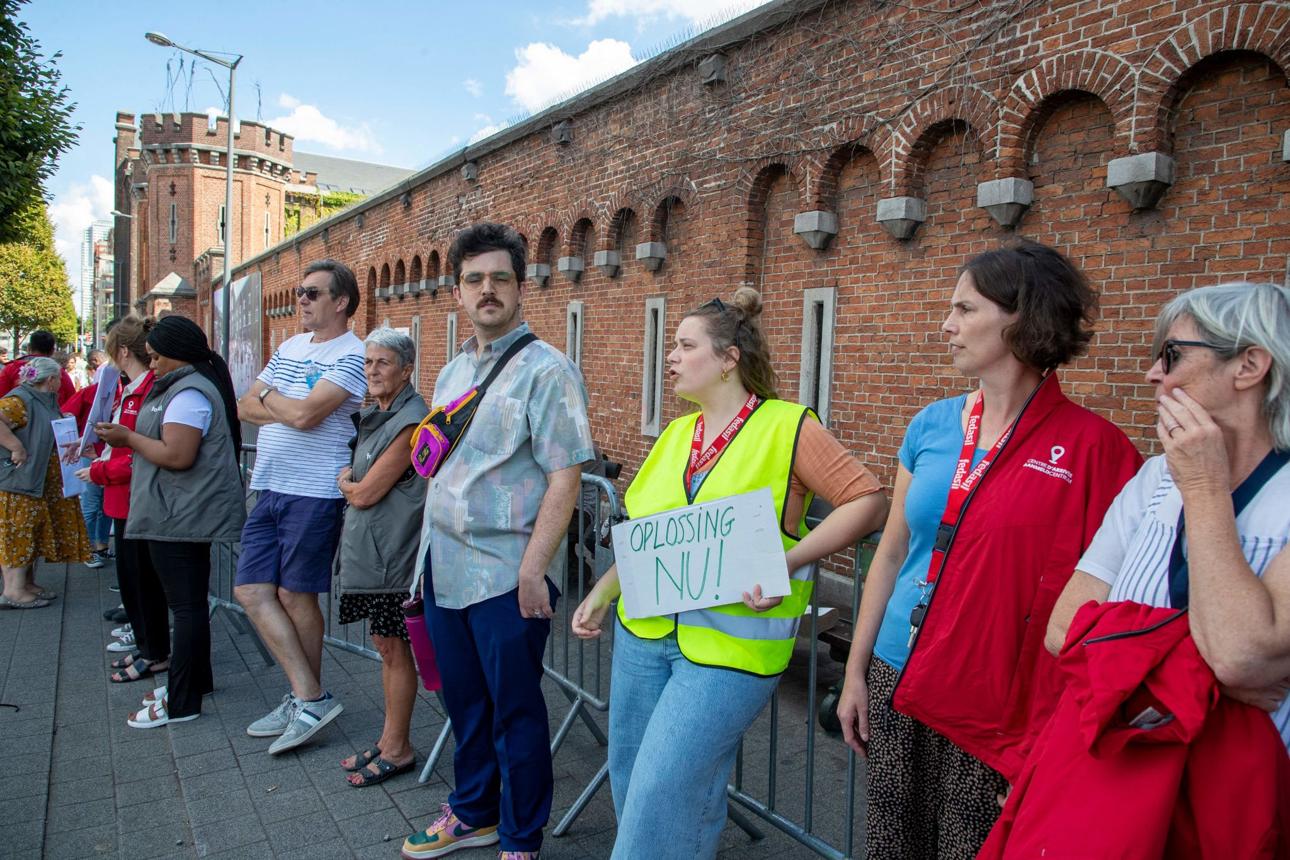
Proposed spending reductions have already contributed to tensions between the government and trade unions.
Belgium has experienced repeated strikes and demonstrations over economic reforms, with workers expressing concerns about purchasing power, employment conditions and public services.
Businesses are also seeking greater clarity about future tax policies and the government’s economic priorities.
For households, uncertainty over possible tax increases and spending reductions makes the eventual budget agreement particularly important.
The government’s challenge is to restore financial stability while maintaining political support for reforms that may prove unpopular.
What Happens Next for Prime Minister Bart De Wever?
De Wever now faces renewed pressure to secure an agreement before the end of the year.
The immediate milestone is 16 November, when he must report to King Philippe on progress in the negotiations.
The coalition also faces a 31 December deadline to agree on the 2027 federal budget.
If the parties fail to reach an agreement, Belgium could face further political uncertainty and may need provisional spending arrangements to maintain government operations.
For now, King Philippe’s refusal to accept the prime minister’s resignation has prevented an immediate collapse of the coalition.
The coming negotiations will determine whether De Wever can turn the additional time into a workable budget agreement.
Belgium’s government remains in office, but the political and financial disagreements behind the crisis have yet to be settled.